



Zero Waste Travel Tips: How to Pack and Travel Sustainably

Zero Waste Travel Tips: How to Pack and Travel Sustainably
Traveling sustainably is more than just a trend; it’s a necessary shift towards preserving our planet for future generations. As travelers become increasingly aware of their environmental impact, the concept of zero waste travel has gained traction. This article will provide you with essential tips on how to pack and travel sustainably, ensuring that your adventures leave minimal footprints. By adopting eco-friendly practices, you can enjoy your travels while contributing positively to the environment. We will explore effective packing strategies, eco-friendly gear, practical advice, and transportation tips to help you embrace a zero waste lifestyle while traveling.
Understanding the core principles of zero waste is essential for effective sustainable travel.
Zero Waste Strategies: Reducing Packaging, Food, and Paper
There are number of strategies and techniques that businesses may use to achieve a zero waste goal. These strategies include techniques for reduction of paper products, packaging, containers and food, as well as identification of other recyclable products.
Concepts, methods, and strategies for zero-waste in manufacturing, MJ Franchetti, 2012
Packing Strategies
Effective packing is crucial for minimizing waste during your travels. By planning ahead and being mindful of what you bring, you can significantly reduce your environmental impact. Here are some strategies to consider:
- Create a Packing List: A well-thought-out packing list helps avoid overpacking and ensures you only bring what you need.
- Choose Easy-Care Clothing: Opt for clothing that is versatile and easy to care for, saving time and energy during your trip.
- Pack Light: Traveling with less luggage not only reduces fuel consumption but also makes your journey more enjoyable.
These strategies set the foundation for a sustainable travel experience, allowing you to focus on enjoying your trip rather than worrying about excess baggage.
Eco-Friendly Gear

Investing in eco-friendly gear is essential for zero waste travel. The right equipment can help you minimize waste and enhance your travel experience. Here are some must-have items:
- Reusable Water Bottles: Carrying a reusable water bottle reduces plastic waste and keeps you hydrated.
- Reusable Utensils and Straws: These items help eliminate single-use plastics during meals.
- Zero-Waste Kit: A kit that includes items like cloth bags, beeswax wraps, and a travel mug can significantly reduce your waste footprint.
By incorporating these eco-friendly products into your travel routine, you can make a positive impact on the environment while enjoying your adventures.
Practical Advice
Minimizing waste while traveling requires conscious choices and actions. Here are some practical tips to help you reduce your environmental impact:
- Avoid Travel-Sized Toiletries: Instead of purchasing travel-sized products, opt for reusable containers to carry your favorite toiletries.
- Support Local Businesses: Choose to eat at local restaurants and shop at local markets that prioritize sustainability.
- Conduct a Trash Audit: Take a moment to assess the waste you generate during your travels and identify areas for improvement.
Implementing these practices can lead to a more sustainable travel experience, allowing you to enjoy your journey while being mindful of your environmental impact.
Transportation Tips
Transportation plays a significant role in your overall carbon footprint while traveling. Here are some tips to help you reduce emissions during your trips:
- Use Public Transport: Opting for buses, trains, or subways can significantly lower your carbon footprint compared to driving or flying.
- Choose Direct Flights: If flying is necessary, selecting direct flights minimizes emissions associated with takeoffs and landings.
By making informed transportation choices, you can contribute to a more sustainable travel experience.
What Are the Essential Sustainable Travel Packing Tips?
Packing sustainably is key to reducing waste while traveling. Here are some essential tips to consider:
- Make a Packing List: This helps avoid last-minute purchases and ensures you bring only what you need.
- Travel Light: Reducing the amount of luggage you carry can lower carbon emissions during your journey.
- Choose Reusable Items: Incorporating reusable products into your packing can significantly minimize single-use plastics.
These tips will help you pack efficiently and sustainably, ensuring a more enjoyable travel experience.
How to Create a Minimalist Travel Packing List for Zero Waste
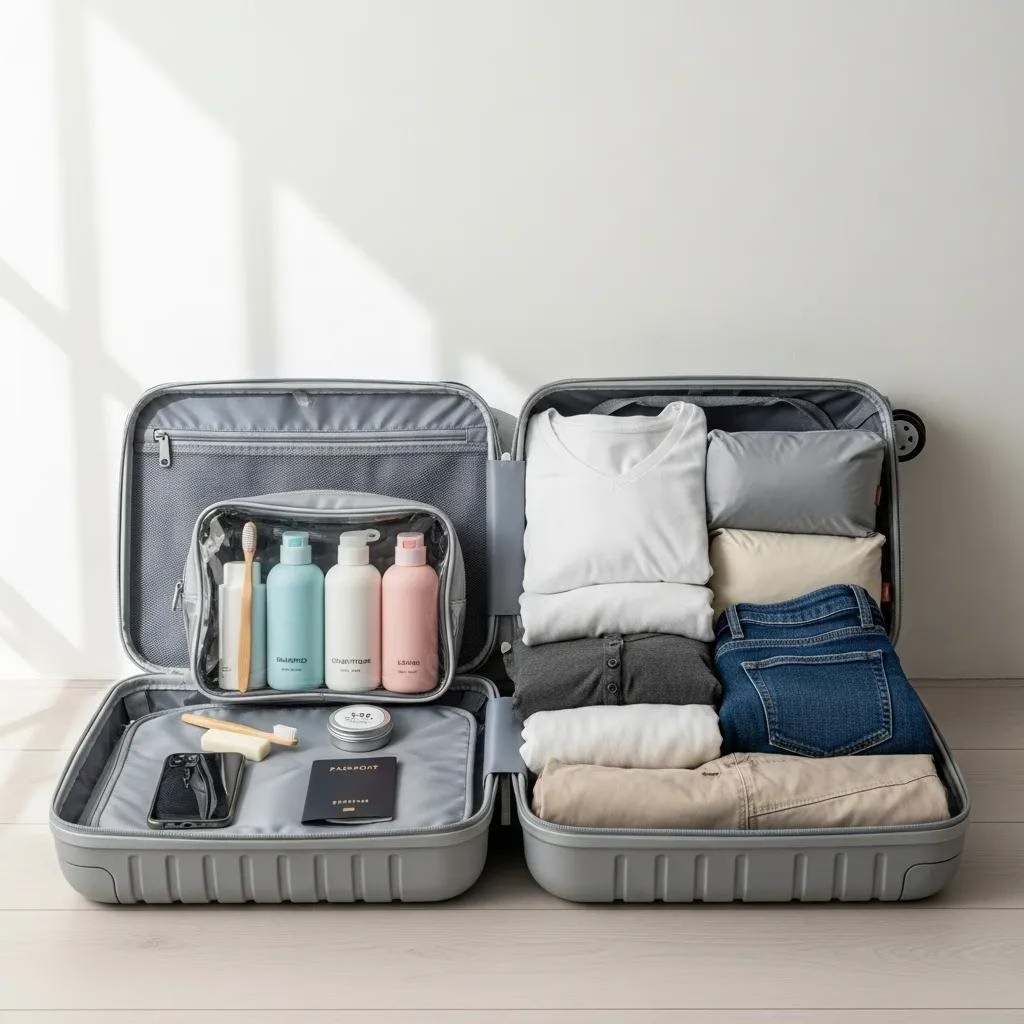
Creating a minimalist packing list is an effective way to ensure you only bring what you need. Here are steps to help you achieve this:
- Organize Items into Categories: Group your items by category, such as clothing, toiletries, and electronics, to streamline your packing process.
- Aim to Pack Only What You Need: Be realistic about what you will use during your trip and avoid unnecessary items.
- Use Reusable Bags for Shopping: Bringing reusable bags can help you avoid plastic bags while shopping at your destination.
By following these steps, you can create a minimalist packing list that supports your zero waste travel goals.
Which Eco Travel Essentials Should You Always Include?
When preparing for a sustainable trip, certain eco travel essentials should always be included in your packing list:
- Reusable Water Bottle: This is crucial for reducing plastic waste and staying hydrated.
- Reusable Coffee Cup: A reusable cup helps cut down on disposable cup waste when enjoying your favorite beverages.
- Zero-Waste Kit: This kit can include items like utensils, straws, and cloth napkins to minimize single-use products.
Including these essentials in your travel gear will help you maintain a zero waste lifestyle while on the go.
Which Reusable and Biodegradable Travel Products Reduce Waste?
Incorporating reusable and biodegradable products into your travel routine can significantly reduce waste. Here are some examples:
- Reusable Water Bottles: Opt for stainless steel or glass bottles that can be refilled multiple times.
- Travel Utensils Made from Bamboo: These utensils are a sustainable alternative to plastic cutlery.
- Compostable Toiletries: Using biodegradable toiletries can help reduce plastic waste during your travels.
By choosing these products, you can support sustainable practices and minimize your environmental impact.
Specifically, when considering personal care, the integration of biodegradable materials in toiletries offers a significant step towards reducing environmental impact.
Eco-Friendly Toiletries: Biodegradable Travel Essentials
Biodegradable materials are utilized in toiletries like toothbrushes, hairbrushes, and shower products, demonstrating their potential in reducing environmental impacts and encouraging sustainable consumption.
STUDY OF BIODEGRADABLE MATERIALS IN CONSUMER PRODUCTS., R Rajesh, 2023
What Are the Best Reusable Travel Gear Options for Plastic Free Travel?
When aiming for a plastic-free travel experience, consider these reusable gear options:
- High-Quality Insulated Water Bottles: These keep your drinks cold or hot and reduce the need for single-use bottles.
- Travel Gear Made from Sustainable Materials: Look for backpacks and bags made from recycled or eco-friendly materials.
- Foldable, Reusable Bags: These are convenient for shopping and can easily fit in your luggage.
Selecting these options will help you travel sustainably while reducing plastic waste.
How Do Biodegradable Toiletries Support Green Travel Practices?
Biodegradable toiletries play a vital role in supporting green travel practices. Here’s how they contribute:
- Reduce Landfill Waste: Biodegradable products break down naturally, minimizing the amount of waste sent to landfills.
- Lower Pollution: Many biodegradable toiletries are made with natural ingredients, reducing chemical pollution.
- Promote Sustainable Sourcing: These products often come from sustainable sources, supporting eco-friendly practices.
By choosing biodegradable toiletries, you can enhance your travel experience while being kind to the planet.
The broader hygiene sector is also evolving, with a focus on products that minimize environmental harm through their design and material composition.
Sustainable Hygiene: Disposable, Reusable, Biodegradable Options
The hygiene sector is increasingly exploring disposable, reusable and biodegradable products. Many of these items, made of biodegradable materials, are designed to reduce environmental impact.
Disposable, reusable and biodegradable hygiene products, IC Tessaro, 2021
How Can Travelers Minimize Waste Behavior During Trips?
Travelers can adopt several strategies to minimize waste behavior during their trips:
- Use Efficient Transportation Options: Opt for walking, biking, or public transport to reduce emissions.
- Pack Smart with Reusable Items: Bringing reusable products can help eliminate single-use items.
- Support Local Businesses: Choose to shop and eat at local establishments that prioritize sustainability.
Implementing these strategies can lead to a more responsible and enjoyable travel experience.
What Practical Steps Reduce Travel Waste on the Go?
Reducing travel waste requires practical steps that can be easily integrated into your routine. Here are some suggestions:
- Conduct a Trash Audit: Assess the waste you generate during your travels to identify areas for improvement.
- Slow Down to Enjoy Local Experiences: Taking the time to appreciate your surroundings can reduce the urge to buy unnecessary items.
- Avoid Excessive Packaging: Choose products with minimal packaging to reduce waste.
These steps can help you maintain a zero waste mindset while traveling.
How Does Mindful Consumption Impact Sustainable Travel?
Mindful consumption significantly impacts sustainable travel by encouraging conscious choices. Here’s how:
- Encourages Conscious Choices: Being mindful of what you purchase helps reduce unnecessary waste.
- Reduces Reliance on Single-Use Plastics: Mindful consumers are more likely to choose reusable options over disposable ones.
- Supports Local Economies: By prioritizing local products and services, you contribute to the sustainability of the communities you visit.
Adopting a mindful approach to consumption can enhance your travel experience while benefiting the environment.
What Strategies Effectively Reduce Your Carbon Footprint While Traveling?
To effectively reduce your carbon footprint while traveling, consider these strategies:
- Choose Sustainable Transportation: Opt for trains or buses instead of flying when possible.
- Pack Smart to Minimize Waste: Bring only what you need to avoid excess baggage.
- Support Local Businesses: Engaging with local economies can help reduce your overall impact.
Implementing these strategies can lead to a more sustainable travel experience.
How to Calculate and Lower Carbon Emissions from Travel Activities
Calculating and lowering carbon emissions from your travel activities is essential for sustainable travel. Here are some methods to consider:
- Assess Your Carbon Footprint: Use online calculators to estimate your travel emissions based on your itinerary.
- Choose Efficient Transportation: Select options that minimize emissions, such as trains or electric vehicles.
- Stay in Eco-Friendly Accommodations: Look for hotels or lodges that prioritize sustainability in their operations.
By understanding and managing your carbon emissions, you can make more informed travel choices.
Which Green Travel Choices Have the Highest Carbon Reduction Potential?
Certain green travel choices can significantly reduce your carbon footprint. Here are some options with high potential:
- Use Efficient Transportation: Opting for public transport or biking can drastically lower emissions.
- Pack Smart with Reusable Items: Bringing reusable products helps eliminate single-use plastics.
- Support Local Businesses: Engaging with local economies can reduce your overall impact.
These choices not only benefit the environment but also enhance your travel experience.
What Are Recent Case Studies and Success Stories in Zero Waste Travel?
Recent case studies highlight the effectiveness of zero waste travel practices. Here are some notable examples:
- Highlight Successful Zero Waste Travel Stories: Many travelers have successfully reduced their waste by adopting sustainable practices.
- Discuss Impact on Local Communities: Sustainable travel can positively affect local economies and environments.
- Showcase Innovative Practices: Innovative solutions, such as zero waste hostels, are emerging to support eco-conscious travelers.
These success stories demonstrate the potential for positive change through sustainable travel practices.
How Have Eco-Travel Influencers Achieved Sustainable Travel Goals?
Eco-travel influencers play a significant role in promoting sustainable travel. Here’s how they achieve their goals:
- Share Strategies Used by Influencers: Many influencers provide tips and insights on sustainable travel practices.
- Discuss Impact on Followers: Their advocacy can inspire followers to adopt eco-friendly habits.
- Highlight Successful Campaigns: Influencers often collaborate with brands to promote sustainable products and practices.
By following these influencers, travelers can learn valuable lessons about sustainable travel.
What Do 2024-2026 Trends Reveal About Travel Waste Reduction?
Emerging trends in travel waste reduction indicate a growing awareness of sustainability. Here are some key insights:
- Discuss Recent Trends in Sustainable Travel: More travelers are prioritizing eco-friendly options in their itineraries.
- Highlight Consumer Behavior Changes: Shifts towards minimalism and sustainability are becoming more prevalent.
- Showcase Innovative Solutions: New technologies and practices are being developed to support zero waste travel.
These trends reflect a positive shift towards more sustainable travel practices.
How to Use Structured Data and Visuals to Enhance Sustainable Travel Content?
Incorporating structured data and visuals can enhance the effectiveness of sustainable travel content. Here’s how:
- Discuss Benefits of Structured Data: Using structured data can improve search visibility and user engagement.
- Highlight Effective Visual Strategies: Infographics and videos can make complex information more accessible.
- Showcase Examples of Successful Content: Successful campaigns often utilize visuals to convey their messages effectively.
By leveraging these tools, content creators can better communicate the importance of sustainable travel.
Why Implement HowTo and FAQ Schema for Zero Waste Travel Guides?
Implementing HowTo and FAQ schema can enhance the visibility of zero waste travel guides. Here’s why:
- Discuss Benefits of HowTo and FAQ Schema: These schemas improve search engine understanding and visibility.
- Highlight Impact on Search Visibility: Proper schema implementation can lead to higher click-through rates.
- Showcase Examples of Effective Implementation: Successful guides often utilize schema to enhance user experience.
By adopting these practices, content creators can improve the reach and effectiveness of their sustainable travel resources.
How Can Infographics and Videos Improve Understanding of Eco Travel Essentials?
Visual content plays a crucial role in enhancing understanding of eco travel essentials. Here’s how:
- Discuss Benefits of Visual Content: Infographics and videos can simplify complex information and engage audiences.
- Highlight Effective Strategies: Using visuals can help convey key messages more effectively.
- Showcase Examples of Successful Use: Many successful campaigns utilize visuals to enhance their impact.
Incorporating visual elements into sustainable travel content can significantly improve audience engagement and understanding.
What Are the Best Practices for Packing Sustainable Travel Gear?
Packing sustainably requires careful consideration of your gear. Here are some best practices to follow:
- Choose Eco-Friendly Materials: Opt for travel gear made from sustainable materials to minimize environmental impact.
- Use Efficient Packing Techniques: Organize your items to maximize space and reduce waste.
- Minimize Waste with Reusable Items: Incorporate reusable products into your packing to eliminate single-use items.
By following these best practices, you can ensure that your travel gear aligns with your sustainability goals.
How to Organize Reusable and Minimalist Items Efficiently?
Efficient organization of reusable and minimalist items is key to sustainable travel. Here are some strategies to consider:
- Create a Packing List: A detailed list helps ensure you bring only what you need.
- Travel Light to Reduce Weight: Minimizing the weight of your luggage can enhance your travel experience.
- Streamline Toiletries: Opt for multi-use products to reduce the number of items you carry.
By organizing your items effectively, you can simplify your travel experience while supporting a zero waste lifestyle.
Which Materials and Product Attributes Ensure Eco-Friendly Travel Gear?
Choosing the right materials and product attributes is essential for eco-friendly travel gear. Here are some factors to consider:
- Discuss Sustainable Materials: Look for products made from recycled or biodegradable materials.
- Highlight Product Attributes: Features like durability and versatility can enhance the sustainability of your gear.
- Showcase Examples of Eco-Friendly Gear: Many brands are now offering sustainable options for travelers.
By selecting gear with these attributes, you can support sustainable practices while enjoying your travels.
How to Monitor and Update Your Zero Waste Travel Practices Over Time?
Monitoring and updating your zero waste travel practices is essential for continuous improvement. Here are some strategies to consider:
- Conduct Regular Audits: Assess your travel habits periodically to identify areas for improvement.
- Update Packing Lists: Revise your packing lists based on past experiences and new sustainable practices.
- Stay Informed About New Practices: Keep up with the latest trends and innovations in sustainable travel.
By actively monitoring your practices, you can ensure that you are continually reducing your environmental impact.
What Tools Track Sustainable Travel Trends and Entity Mentions?
Several tools can help track trends in sustainable travel. Here are some options to consider:
- Discuss Tools for Monitoring Trends: Utilize analytics tools to track consumer behavior and preferences.
- Highlight Effective Tracking Strategies: Implement strategies to gather data on sustainable travel practices.
- Showcase Examples of Successful Use: Many organizations are using these tools to promote sustainable travel initiatives.
By leveraging these tools, you can stay informed about the latest trends in sustainable travel.
How Often Should You Refresh Your Packing List and Travel Behaviors?
Regularly refreshing your packing list and travel behaviors is crucial for maintaining a sustainable approach. Here are some recommendations:
- Conduct Regular Audits of Packing Lists: Review your packing lists after each trip to identify what worked and what didn’t.
- Update Behaviors Based on Past Experiences: Reflect on your travel experiences to improve your practices.
- Stay Informed About New Sustainable Practices: Keep learning about new strategies and products that can enhance your zero waste travel efforts.
By staying proactive, you can ensure that your travel practices remain aligned with your sustainability goals.