






10 Simple Strategies to Reduce Waste While Maintaining Your Daily Comfort and Convenience

10 Simple Strategies to Reduce Waste While Maintaining Your Daily Comfort and Convenience
In a world increasingly aware of environmental issues, reducing waste while maintaining daily comfort is a pressing concern for many. This article explores ten simple yet effective strategies that can help individuals minimize their waste footprint without sacrificing convenience. By implementing these strategies, you can contribute to a more sustainable lifestyle while enjoying the comforts of modern living. From opting for reusable items to supporting sustainable brands, each strategy offers practical solutions that fit seamlessly into your daily routine. We will delve into various approaches, including mindful purchasing, meal planning, and composting, to provide you with actionable insights that promote both comfort and environmental responsibility.
Opt for Reusable Items
Choosing reusable items over single-use plastics is a fundamental step in reducing waste. Reusable products, such as water bottles, shopping bags, and food containers, significantly decrease the amount of plastic waste generated daily. By incorporating these items into your routine, you not only contribute to waste reduction but also save money in the long run. For instance, a stainless steel water bottle can replace hundreds of plastic bottles over its lifespan, making it a sustainable choice. The impact of using reusable items extends beyond personal convenience; it fosters a culture of sustainability that encourages others to follow suit.
What Are Easy Reusable and Eco-Friendly Product Swaps to Reduce Waste?
Here are some easy swaps to consider:
- Stainless Steel Water Bottles: Replace plastic bottles with durable stainless steel options.
- Cloth Shopping Bags: Use reusable bags instead of single-use plastic bags.
- Beeswax Wraps: Substitute plastic wrap with “beeswax wraps” for food storage.
These swaps not only reduce waste but also promote a more sustainable lifestyle.
Choose Compostable Disposables
Compostable disposables are an excellent alternative to traditional plastic products. These items are designed to break down naturally in composting environments, reducing landfill waste. Examples include compostable plates, utensils, and cups made from materials like cornstarch or bamboo. By choosing compostable options, you can enjoy the convenience of disposables while minimizing your environmental impact. The environmental benefits are significant, as compostable products contribute to soil health and reduce greenhouse gas emissions associated with plastic decomposition.
How Do Sustainable Packaging Choices Support Zero Waste Lifestyles?
Sustainable packaging choices, such as compostable disposables, play a crucial role in supporting zero waste lifestyles. By opting for products that decompose naturally, consumers can significantly reduce their waste output. This shift not only benefits the environment but also encourages manufacturers to adopt more sustainable practices.
Practice Mindful Purchasing
Mindful purchasing involves making informed decisions about the products you buy. This strategy encourages consumers to research brands and choose sustainable products that align with their values. By prioritizing quality over quantity, you can reduce waste and support companies that prioritize environmental responsibility. The impact of mindful purchasing extends beyond individual choices; it influences market trends and encourages businesses to adopt more sustainable practices.
Mindfulness for Sustainable Consumption & Lifestyles
beneficial effects of mindfulness in enhancing sustainable lifestyles, green purchase intention, social conscious purchasing and less unsustainable consumption behaviors.
Achieving triple dividend through mindfulness: More sustainable consumption, less unsustainable consumption and more life satisfaction, 2019
How Can Planning Purchases Reduce Waste and Save Time?
Planning purchases can significantly reduce waste and save time by allowing consumers to make informed decisions. By creating a shopping list based on needs and preferences, individuals can avoid impulse buys and unnecessary purchases. This approach not only minimizes waste but also streamlines the shopping experience, making it more efficient.
Implement Meal Planning
Meal planning is a powerful strategy for reducing food waste. By organizing meals in advance, you can ensure that ingredients are used efficiently, minimizing spoilage. This practice not only saves money but also promotes healthier eating habits. Effective meal planning involves creating a weekly menu, making a shopping list, and preparing meals in batches. By doing so, you can significantly reduce food waste while enjoying the convenience of pre-prepared meals.
Meal Planning to Reduce Household Food Waste
This study shows how careful weekly meal planning can help reducing household waste and the associated greenhouse gas emissions.
Optimizing household food waste: The impact of meal planning, package sizes, and performance indicators, MA van Rooijen, 2024
What Are Simple Tips for Minimizing Food Waste at Home?
To minimize food waste at home, consider these tips:
- Use Leftovers Creatively: Transform leftover ingredients into new meals.
- Store Food Properly: Ensure food is stored in airtight containers to prolong freshness.
- Freeze Excess Food: Freeze items that may spoil soon to extend their shelf life.
Implementing these tips can lead to significant reductions in food waste.
Start Composting
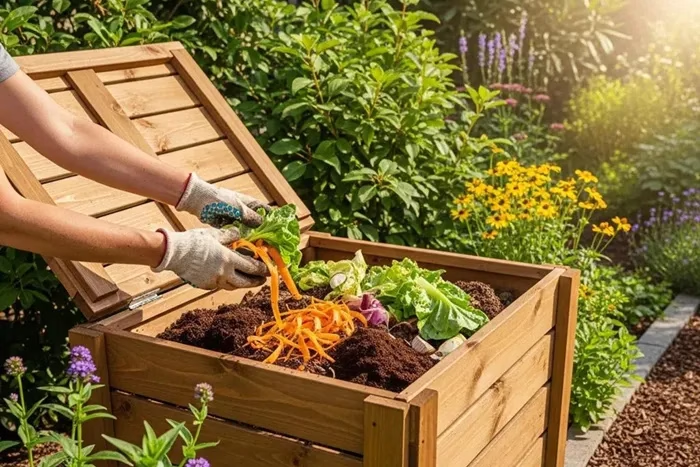
Composting is an effective way to manage organic waste and enrich soil. By composting kitchen scraps and yard waste, you can divert a significant amount of waste from landfills. The process involves collecting organic materials, such as fruit and vegetable peels, coffee grounds, and grass clippings, and allowing them to decompose naturally. The resulting compost can be used to nourish gardens and plants, promoting a sustainable cycle of growth.
Benefits of Home Composting for Waste Reduction
management method of organic waste at the household level in Iran results in environmental and economic benefits of the alternative organic waste treatment methods at the household
Social, economic and environmental benefits of organic waste home composting in Iran, 2025
What Are Effective Composting and Organic Waste Management Techniques?
Effective composting techniques include:
- Layering Materials: Alternate between green (nitrogen-rich) and brown (carbon-rich) materials for optimal decomposition.
- Maintaining Moisture: Keep the compost pile moist but not soggy to encourage microbial activity.
- Turning the Pile: Regularly turning the compost helps aerate it and speeds up the decomposition process.
These techniques ensure efficient composting and contribute to a healthier environment.
Use Beeswax Wraps
Beeswax wraps are a sustainable alternative to plastic wrap for food storage. Made from organic cotton infused with beeswax, these wraps are reusable and biodegradable. They provide an effective way to keep food fresh without contributing to plastic waste. By using beeswax wraps, you can enjoy the convenience of food storage while supporting eco-friendly practices.
How Do Reusable Shopping Bags Replace Single-Use Plastics?
Reusable shopping bags effectively replace single-use plastics by providing a durable and sustainable option for carrying groceries and other items. These bags are designed to withstand multiple uses, reducing the need for disposable plastic bags. By making the switch to reusable bags, consumers can significantly decrease their plastic consumption and promote a more sustainable shopping experience.
Buy in Bulk
Buying in bulk is a practical strategy for reducing packaging waste. By purchasing items in larger quantities, you can minimize the amount of packaging waste generated from individual products. This approach is particularly effective for non-perishable items, such as grains, nuts, and cleaning supplies. Additionally, buying in bulk often leads to cost savings, making it a win-win for both your wallet and the environment.
How Does Smart Shopping Promote Minimal Waste Consumption?
Smart shopping promotes minimal waste consumption by encouraging consumers to make informed choices. This includes selecting products with minimal packaging, opting for bulk items, and prioritizing sustainable brands. By adopting smart shopping practices, individuals can significantly reduce their waste output and support a more sustainable economy.
Switch to Sustainable Personal Care Products

Sustainable personal care products are designed to minimize environmental impact while providing effective solutions for daily hygiene and beauty needs. These products often use natural ingredients and eco-friendly packaging, reducing waste and promoting sustainability. By choosing sustainable personal care options, consumers can contribute to a healthier planet while maintaining their daily routines.
What Are Eco-Friendly Convenience Products to Choose When Shopping?
When shopping for personal care items, consider these eco-friendly options:
- Bamboo Toothbrushes: A biodegradable alternative to plastic toothbrushes.
- Refillable Deodorants: Reduce plastic waste with refillable containers.
- Natural Soaps: Opt for soaps made from organic ingredients and minimal packaging.
These products not only support sustainability but also enhance your personal care routine.
Engage in a Trash Audit
Conducting a trash audit is a valuable exercise for identifying waste sources and improving waste management practices. By analyzing the contents of your trash, you can gain insights into what items are being discarded and why. This information can inform your waste reduction strategies, helping you make more sustainable choices in the future.
How Can You Start Composting at Home Easily?
Starting composting at home can be simple with these steps:
- Choose a Compost Bin: Select a suitable bin or create a compost pile in your yard.
- Collect Organic Waste: Gather kitchen scraps and yard waste for composting.
- Monitor the Process: Keep an eye on moisture levels and turn the compost regularly.
These steps make composting accessible and effective for anyone looking to reduce waste.
Support Sustainable Brands
Supporting sustainable brands is a powerful way to promote environmental responsibility. By choosing to purchase from companies that prioritize sustainability, you can influence market trends and encourage more businesses to adopt eco-friendly practices. This support not only benefits the environment but also fosters a culture of sustainability within the community.
How Do Small Changes in Routine Lead to Significant Waste Reduction?
Small changes in daily routines can lead to significant waste reduction over time. By incorporating sustainable practices, such as using reusable items and planning meals, individuals can collectively make a substantial impact on waste generation. These changes not only contribute to a healthier planet but also inspire others to adopt similar habits.