






10 Simple Ways to Embrace Circular Economy Principles in Daily Life
10 Simple Ways to Embrace Circular Economy Principles in Daily Life for Sustainable Living
The circular economy is a transformative approach that redefines how we think about consumption and waste. By prioritizing sustainability, it encourages individuals to adopt practices that minimize waste and maximize resource efficiency. This article will explore ten simple yet effective ways to integrate circular economy principles into your daily life, helping you contribute to a more sustainable future. Many people struggle with the overwhelming amount of waste generated in modern society, but by embracing circular economy practices, you can make a significant impact. We will cover essential concepts such as reducing waste, reusing materials, and making eco-friendly purchasing decisions, all aimed at fostering a circular economy lifestyle.
What Is the Circular Economy and Why Does It Matter for Daily Life?
The circular economy is an economic model that emphasizes the continual use of resources, contrasting sharply with the traditional linear economy, which follows a “take, make, dispose” pattern. This model is crucial for sustainable living as it promotes resource efficiency and reduces environmental impact. By understanding the circular economy, individuals can recognize their role in minimizing waste and conserving resources, ultimately contributing to a healthier planet.
How Does the Circular Economy Support Environmental Sustainability?
The circular economy supports environmental sustainability by promoting resource reuse and reducing waste. Unlike the linear economy, which often leads to resource depletion and pollution, the circular model encourages individuals to rethink their consumption habits. For example, by choosing products designed for longevity and repairability, consumers can significantly reduce their environmental footprint. This shift not only conserves resources but also fosters a sense of individual responsibility towards the planet.
What Are the Core Principles of Circular Economy to Know?
Understanding the core principles of the circular economy is essential for anyone looking to adopt this lifestyle. Key principles include:
- Reduce: Minimize waste by consuming less and choosing sustainable options.
- Reuse: Find new uses for items instead of discarding them.
- Recycle: Ensure materials are processed and repurposed effectively.
By embracing these principles, individuals can contribute to a more sustainable future and encourage others to do the same.
How Can You Reduce Waste with Practical Daily Actions?
Reducing waste in daily life can be achieved through simple, actionable steps. Here are some practical tips:
- Plan Meals: Create a meal plan to avoid food waste.
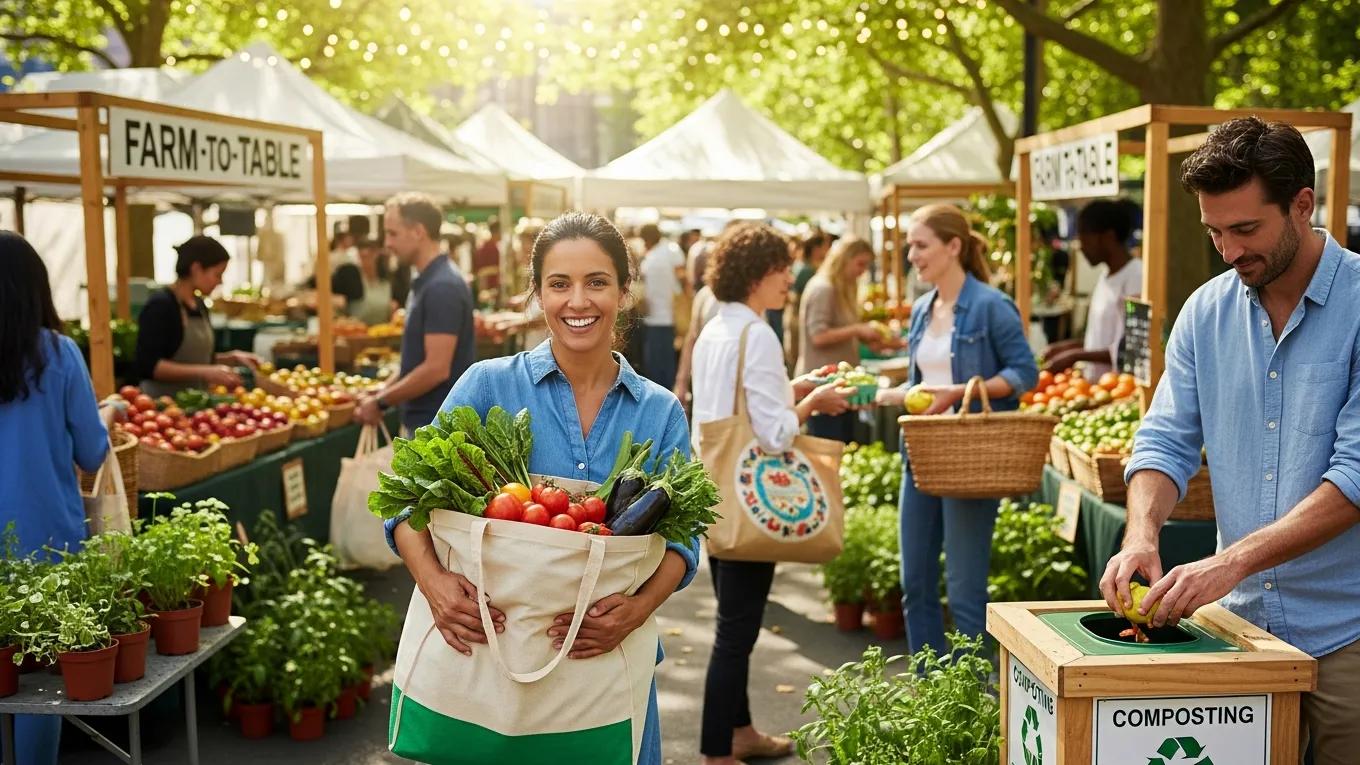
- Use Reusable Bags: Opt for reusable shopping bags instead of single-use plastic.
- Compost: Start composting organic waste to reduce landfill contributions.
Implementing these actions can lead to significant waste reduction and promote a more sustainable lifestyle.
What Are Effective Reduce, Reuse, Recycle Ideas for Home?
Implementing the three Rs—reduce, reuse, and recycle—at home can be straightforward. Here are some effective ideas:
- Mindful Purchasing: Buy only what you need to avoid excess waste.
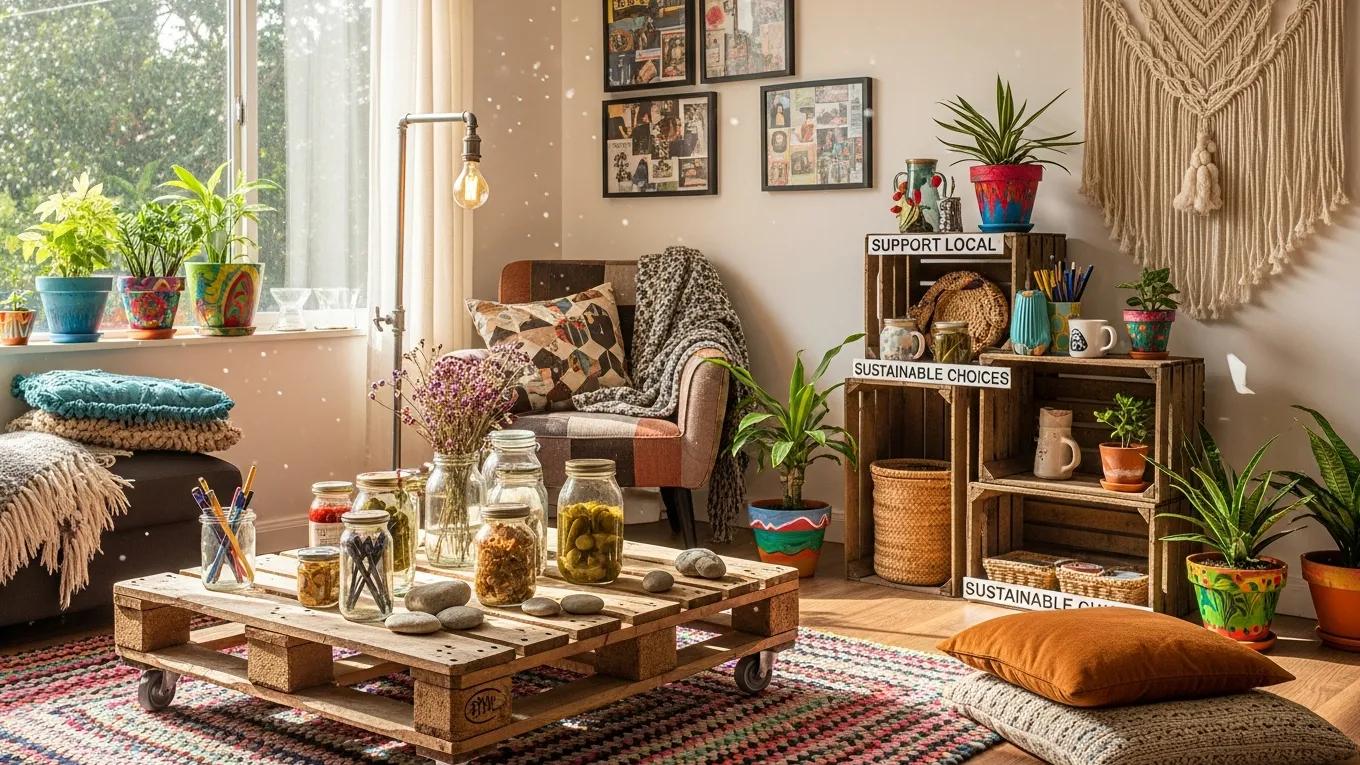
- Creative Reuse: Transform old jars into storage containers or planters.
- Local Recycling Guidelines: Familiarize yourself with local recycling rules to ensure proper disposal.
These strategies not only help reduce waste but also encourage creativity and resourcefulness in everyday life.
How Does Adopting a Zero Waste Lifestyle Help the Planet?
Adopting a zero waste lifestyle significantly benefits the planet by minimizing waste production and conserving resources. This approach encourages individuals to rethink their consumption habits and focus on sustainability. By reducing reliance on single-use products and embracing reusable alternatives, individuals can contribute to a cleaner environment. Furthermore, a zero waste lifestyle fosters community engagement, as individuals often share resources and ideas to support one another in their sustainability efforts.
What Are Simple Upcycling and Reuse Projects to Try at Home?
Upcycling is a creative way to give new life to old items, reducing waste and promoting sustainability. Here are some simple upcycling projects to try at home:
- T-Shirt Tote Bags: Transform old t-shirts into reusable tote bags.
- Glass Jar Organizers: Use glass jars to organize small items around the house.
- Furniture Makeovers: Repaint or refinish old furniture to extend its life.
These projects not only reduce waste but also allow for personal expression and creativity.
How Can Upcycling Extend Product Lifecycles and Reduce Waste?
Upcycling extends product lifecycles by repurposing items that would otherwise be discarded. This practice not only reduces waste but also conserves resources by minimizing the need for new materials. For instance, turning old furniture into new decorative pieces can significantly decrease the amount of waste sent to landfills. By embracing upcycling, individuals can contribute to a more sustainable economy while enjoying the creative process of transforming old items into something new and useful.
This idea is further elaborated by research into upcycling as a strategic solution for optimizing product longevity and reducing textile waste.
Upcycling as a Design Strategy for Product Lifetime Optimization
Upcycling seeks to provide a transitional solution to the textile waste problem, by optimising the lifetimesof discarded products from an inefficient system, as technology moves to develop more sustainableapproaches. As a design based waste solution, upcycled fashion production utilises textile waste tocreate products with a higher retail value than traditionally recycled goods.
Upcycling as a design strategy for product lifetime optimisation and societal change, S Han, 1995
What Are Easy DIY Upcycling Ideas for Beginners?
For those new to upcycling, starting with simple DIY projects can be a great way to ease into the practice. Here are a few beginner-friendly ideas:
- Mason Jar Herb Garden: Use mason jars to create a small indoor herb garden.
- Wine Bottle Candles: Turn empty wine bottles into decorative candle holders.
- Old Pallets: Repurpose old pallets into garden furniture or planters.
These projects are not only easy to execute but also provide a sense of accomplishment and sustainability.
How to Make Sustainable Consumption and Eco Friendly Purchasing Decisions?
Making sustainable consumption choices is vital for supporting the circular economy. Here are some tips for eco-friendly purchasing decisions:
- Research Brands: Look for companies that prioritize sustainability in their practices.
- Choose Quality Over Quantity: Invest in durable products that will last longer.
- Support Local: Buy from local businesses to reduce transportation emissions.
By making informed choices, consumers can significantly impact the environment and promote sustainable practices.
What Are Key Tips for Choosing Eco Friendly Products?
When selecting eco-friendly products, consider the following tips:
- Check for Certifications: Look for eco-labels that indicate sustainable practices.
- Assess Durability: Choose products that are built to last and can be repaired.
- Evaluate Lifecycle Impacts: Consider the environmental impact of a product from production to disposal.
These tips can help consumers make better choices that align with circular economy principles.
How Does Sustainable Purchasing Impact Resource Efficiency?
Sustainable purchasing directly impacts resource efficiency by encouraging the use of materials that are renewable and responsibly sourced. By choosing products with lower environmental footprints, consumers can help reduce the demand for finite resources. This shift not only conserves resources but also promotes a healthier ecosystem. Understanding the lifecycle impacts of products can empower consumers to make choices that support sustainability and resource efficiency.
Which Energy and Resource Efficiency Practices Can You Adopt at Home?
Adopting energy and resource efficiency practices at home can significantly reduce your environmental footprint. Here are some effective strategies:
- Energy-Efficient Appliances: Invest in appliances that consume less energy.
- Water Conservation: Implement low-flow fixtures to reduce water usage.
- Renewable Energy Options: Consider solar panels to harness renewable energy.
These practices not only save money but also contribute to a more sustainable home environment.
How Can Energy Saving Habits Reduce Your Environmental Footprint?
Energy-saving habits play a crucial role in reducing your environmental footprint. Simple actions, such as switching to energy-efficient lighting and unplugging devices when not in use, can lead to significant energy savings. Additionally, improving home insulation can reduce heating and cooling needs, further decreasing energy consumption. By adopting these habits, individuals can contribute to a more sustainable future while enjoying lower utility bills.
What Water Efficiency Tips Support Circular Economy Principles?
Water efficiency is a key component of the circular economy. Here are some tips to support water conservation:
- Fix Leaks: Regularly check for and repair leaks in your home.
- Use Rain Barrels: Collect rainwater for gardening and outdoor use.
- Practice Mindful Watering: Water plants during cooler parts of the day to minimize evaporation.
Implementing these tips can help conserve water resources and promote sustainability.
How Can Community Engagement and Policy Support Circular Economy Adoption?
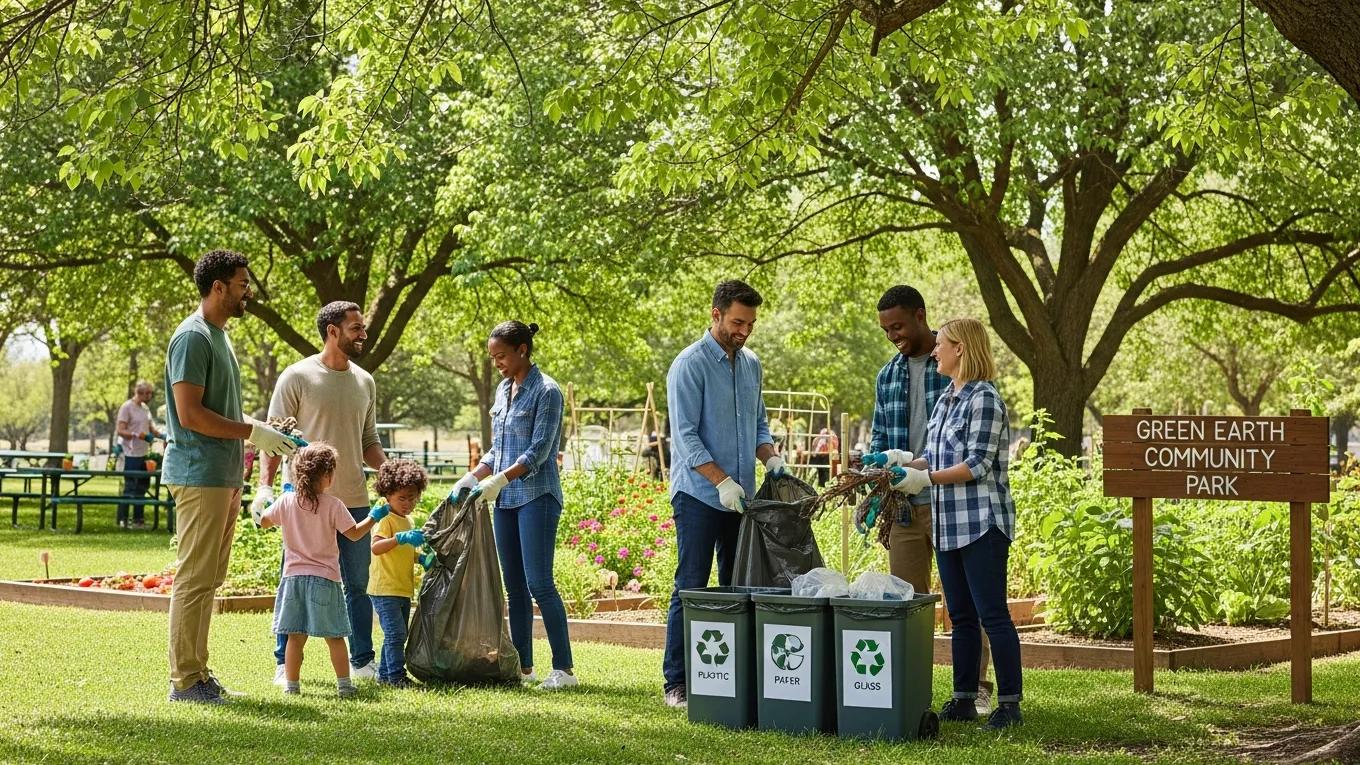
Community engagement and supportive policies are essential for the successful adoption of circular economy principles. By promoting recycling programs and organizing community clean-up events, local governments can foster a culture of sustainability. Additionally, advocating for policies that support circular economy initiatives can lead to broader systemic changes. Engaging with community members and local organizations can amplify efforts to promote sustainable practices and create a more resilient environment.
Why Is Community Involvement Important for Environmental Sustainability?
Community involvement is vital for environmental sustainability as it fosters collective action and shared responsibility. Local initiatives, such as community gardens and recycling drives, can bring people together to work towards common goals. Support networks within communities can also provide resources and encouragement for individuals seeking to adopt sustainable practices. By participating in community efforts, individuals can amplify their impact and contribute to a healthier planet.
What Are Ways to Advocate for Circular Economy Policies Locally?
Advocating for circular economy policies at the local level can drive significant change. Here are some actionable steps:
- Join Local Environmental Groups: Collaborate with others who share your sustainability goals.
- Participate in Community Initiatives: Get involved in local projects that promote sustainability.
- Educate and Inform Others: Share knowledge about circular economy principles with your community.
By taking these steps, individuals can help create a supportive environment for circular economy practices and policies.