



Zero Waste Lifestyle: The Complete Beginner’s Guide to Living Waste-Free in 2026

Zero Waste Lifestyle: The Complete Beginner’s Guide to Living Waste-Free in 2026
Adopting a zero waste lifestyle is an empowering choice that significantly reduces environmental impact while promoting sustainable living practices. This comprehensive guide will equip you with the knowledge and actionable steps needed to embark on your journey towards a waste-free life in 2026. Many individuals struggle with the overwhelming amount of waste generated in daily life, but by implementing zero waste principles, you can contribute to a healthier planet. Throughout this article, we will explore essential tips, practical steps, and community resources that support your transition to a zero waste lifestyle.
The growing global movement towards a zero waste lifestyle reflects a significant shift in consumer behavior and environmental consciousness.
Adopting a Zero Waste Lifestyle: Consumer Trends & Household Principles
As of 2019, Euromonitor International predicted that one of the most emerging consumer trends would be the aspiration and acting for a plastic-free world. Environmentally conscious consumers decided to get more involved in concrete waste reduction actions and lifestyle changes. These initiatives were supported by authorities banning single-use plastic items. Media and social media personalities have also brought closer to the population the principles of zero waste lifestyle. The diffusion of zero waste principles at household level has not been in the researchers’ focus, and this study aims to conceptualize and identify these determinants.
Determinants of adopting a zero waste consumer lifestyle, Z Săplăcan, 2019
How Do You Start a Zero Waste Lifestyle in 2026?
Starting a zero waste lifestyle involves a series of intentional steps that help you minimize waste and make sustainable choices. The first step is to conduct a trash audit, which allows you to understand what waste you generate and identify areas for improvement. Next, adopting the 5 Rs—Refuse, Reduce, Reuse, Recycle, and Rot—will guide your decision-making process. Finally, making simple swaps, such as using reusable bags and containers, can significantly reduce your waste footprint.
Further emphasizing the importance of these principles, research highlights their role in sustainable waste management.
5R Principles for Sustainable Household Waste Management
Efficient waste management through the 3R principles (Reduce, Reuse, Recycle) and the 5R framework (Reduce, Reuse, Repair, Recycle, Reject) offers essential strategies for minimizing waste volume and maximizing resource utilization. These principles not only contribute to long-term sustainability but also mitigate the environmental impacts of daily waste production.
5R PRINCIPLES FOR SUSTAINABLE HOUSEHOLD WASTE MANAGEMENT, 2025
What Are the Essential Zero Waste Tips for Beginners?
For those new to the zero waste movement, several key tips can facilitate a smoother transition.
- Conduct a Trash Audit: Analyze your waste to identify the most significant sources of trash in your life.
- Adopt the 5 Rs: Embrace the principles of Refuse, Reduce, Reuse, Recycle, and Rot to guide your waste management.
- Make Simple Swaps: Replace single-use items with reusable alternatives, such as cloth bags and stainless steel straws.
These foundational tips will help you establish a strong base for your zero waste journey.
Which Simple Steps Help Reduce Waste at Home?
Reducing waste at home can be achieved through practical and straightforward actions.
- Audit Your Trash: Regularly assess your waste to identify patterns and areas for improvement.
- Make Simple Swaps: Replace disposable items with reusable options, such as glass containers and cloth napkins.
- Shop Smarter: Choose bulk bins and package-free products to minimize packaging waste.
Implementing these steps can lead to significant waste reduction in your household.
What Are Effective Zero Waste Home Ideas to Implement?
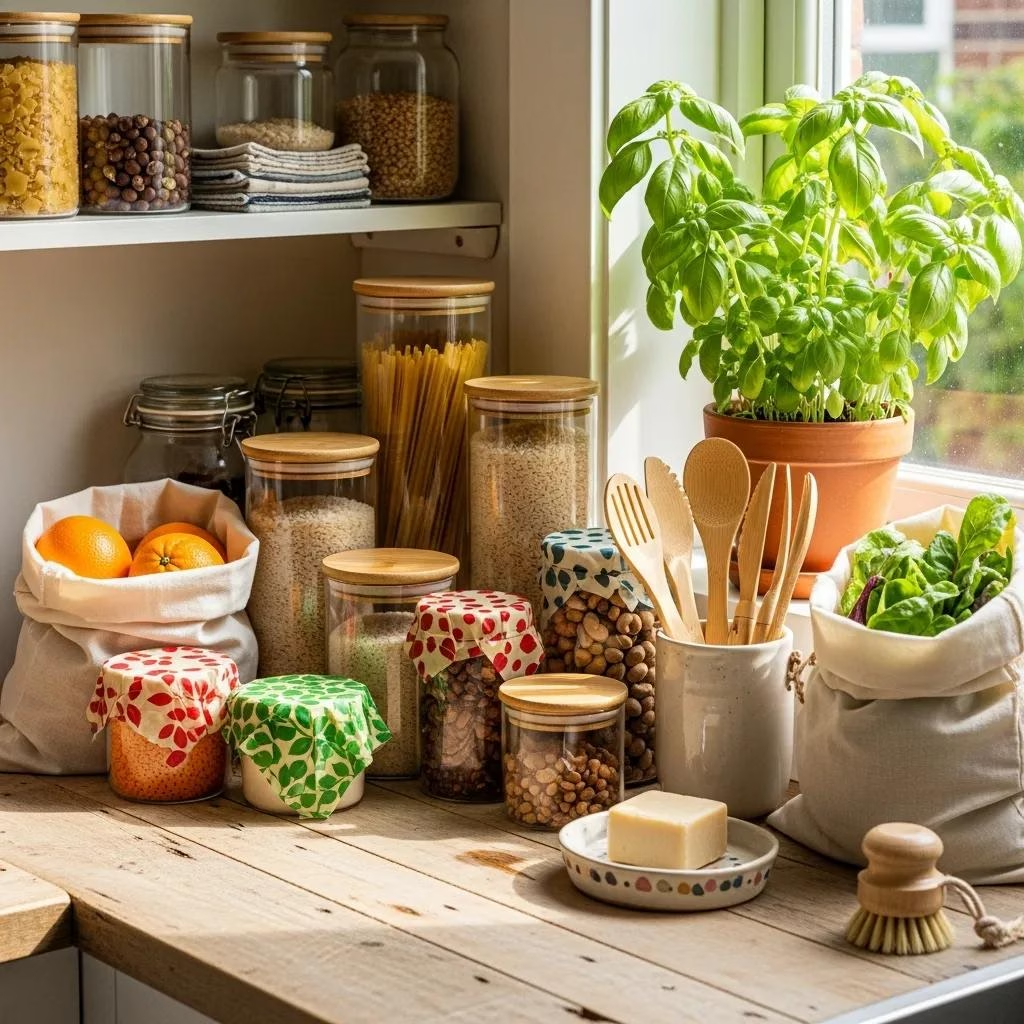
Creating a zero waste home involves integrating sustainable practices into your daily routine.
- Adopt the 5 Rs: Incorporate the principles of Refuse, Reduce, Reuse, Recycle, and Rot into your lifestyle.
- Conduct a Trash Audit: Regularly evaluate your waste to identify areas for improvement.
- Make Simple Swaps: Use reusable items instead of disposable ones, such as beeswax wraps instead of plastic wrap.
These ideas can help you create a more sustainable living environment.
How Can You Organize a Waste-Free Kitchen and Bathroom?
Organizing your kitchen and bathroom for a waste-free lifestyle requires thoughtful planning and implementation.
- Audit Your Trash: Identify waste sources in these areas to target for reduction.
- Make Simple Swaps: Use glass containers for food storage and cloth towels instead of paper towels.
- Shop Smarter: Purchase products with minimal packaging and opt for bulk items when possible.
By organizing these spaces effectively, you can significantly reduce waste in your home.
What Are Sustainable Habits for Everyday Household Waste Reduction?
Incorporating sustainable habits into your daily routine can lead to substantial waste reduction.
- Embrace Renewable Energy: Consider using solar panels or other renewable energy sources to power your home.
- Practice Mindful Purchasing: Be intentional about the products you buy, focusing on quality and sustainability.
- Compost Organic Waste: Set up a composting system to divert food scraps from landfills.
These habits can help you maintain a zero waste lifestyle while promoting environmental sustainability.
Which Zero Waste Products Are Recommended for Sustainable Living?
Several zero waste products can enhance your sustainable living efforts.
- Reusable Water Bottles: Opt for stainless steel or glass bottles to reduce plastic waste.
- Beeswax Wraps: Use these as an alternative to plastic wrap for food storage.
- Cloth Shopping Bags: Replace single-use plastic bags with durable cloth options.
These products not only reduce waste but also support a sustainable lifestyle.
What Attributes Define High-Quality Zero Waste Products?
When selecting zero waste products, certain attributes can indicate quality and sustainability.
- Durability: High-quality products should withstand regular use without degrading.
- Reusability: Look for items designed for multiple uses to minimize waste.
- Minimal Packaging: Choose products that come with little to no packaging to reduce waste.
Focusing on these attributes can help you make informed purchasing decisions.
How to Choose Plastic-Free Alternatives for Common Items?
Choosing plastic-free alternatives is essential for a zero waste lifestyle.
- Use Reusable Bags: Opt for cloth or jute bags instead of plastic ones for shopping.
- Opt for Glass Containers: Replace plastic containers with glass options for food storage.
- Choose Unpackaged Goods: Whenever possible, buy items without packaging to minimize waste.
These alternatives can significantly reduce your plastic consumption.
How Does Composting and Recycling Support a Zero Waste Lifestyle?
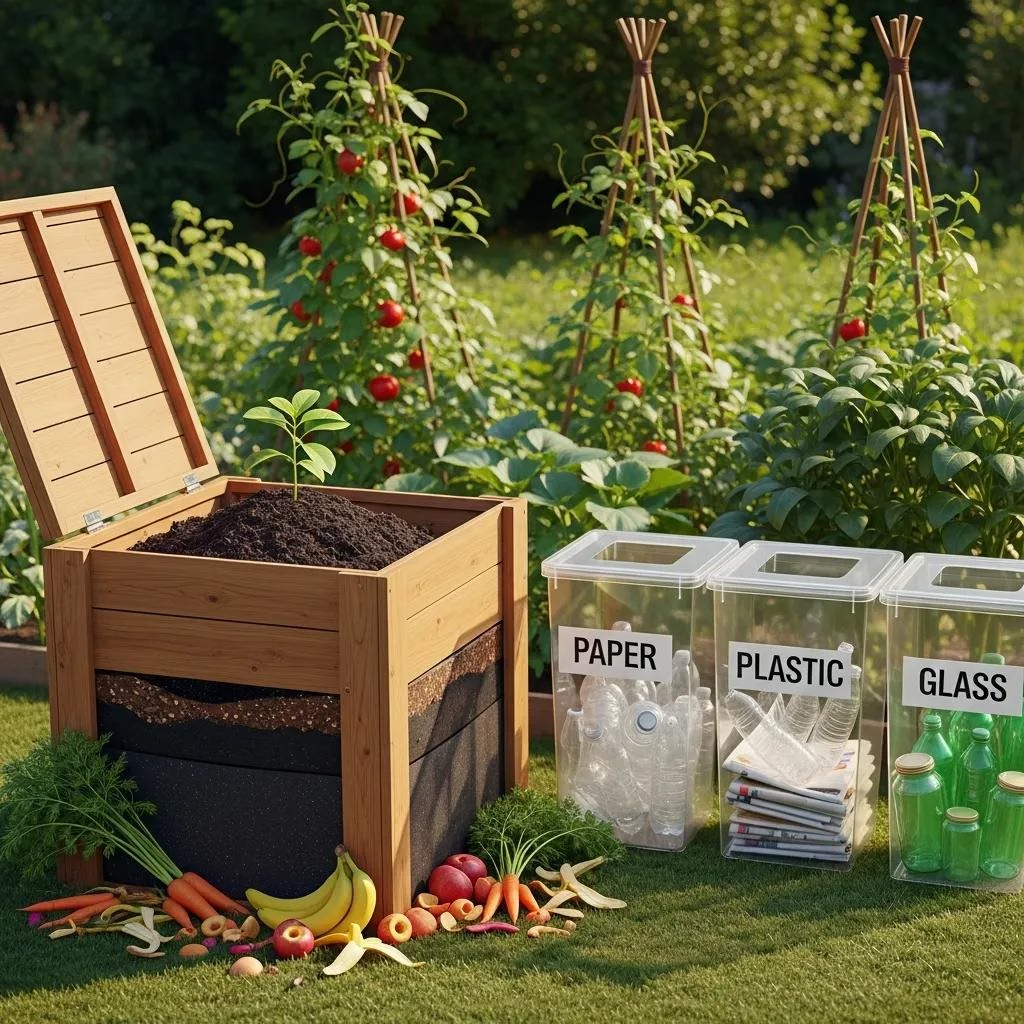
Composting and recycling are vital components of a zero waste lifestyle.
- Reduces Organic Waste: Composting diverts food scraps from landfills, reducing methane emissions.
- Conserves Resources: Recycling materials helps conserve natural resources and reduces the need for new production.
- Promotes a Circular Economy: Both practices support a circular economy by keeping materials in use longer.
Understanding these benefits can motivate you to incorporate composting and recycling into your routine.
What Are the Basics of Home Composting in 2026?
Home composting is a straightforward process that can significantly reduce waste.
- Types of Compost Bins: Choose from various compost bin options, including tumblers and stationary bins.
- Materials to Compost: Include fruit and vegetable scraps, coffee grounds, and yard waste in your compost.
- Carbon to Nitrogen Ratio: Maintain a balanced ratio of carbon-rich and nitrogen-rich materials for optimal composting.
These basics will help you successfully compost at home.
Indeed, home composting is recognized as a highly effective method for managing food waste and contributing to overall waste reduction.
Home Composting for Effective Food Waste Management
A home electrical composter has arisen as a popular tool to manage food waste. Composting can be used as a management technique for food waste and can be seen as an effective waste management.
The effect of initial carbon to nitrogen ratio on kitchen waste composting maturity, FA Azis, 2023
How Can Recycling Practices Reduce Environmental Pollution?
Recycling plays a crucial role in reducing environmental pollution.
- Resource Conservation: Recycling conserves natural resources by reusing materials instead of extracting new ones.
- Pollution Reduction: It decreases pollution associated with manufacturing processes.
- Energy Efficiency: Recycling often requires less energy than producing new products from raw materials.
Implementing effective recycling practices can lead to a cleaner environment.
What Challenges Might You Face and How to Overcome Them?
Transitioning to a zero waste lifestyle can present challenges, but they can be overcome.
- Limited Access to Zero Waste Products: Seek out local stores or online retailers that specialize in zero waste items.
- Community Involvement: Engage with local groups to share resources and support each other.
- Mindful Consumption: Focus on purchasing only what you need to avoid unnecessary waste.
By addressing these challenges, you can successfully navigate your zero waste journey.
How to Manage Common Zero Waste Lifestyle Barriers?
Managing barriers to a zero waste lifestyle requires strategic planning.
- Online Shopping for Zero-Waste Products: Utilize online platforms that offer a wide range of sustainable products.
- Participating in Local Buy-Nothing Groups: Join community groups to exchange items and reduce waste.
- Creating DIY Alternatives: Make your own cleaning products and personal care items to minimize packaging waste.
These strategies can help you overcome common obstacles in your zero waste journey.
What Community Resources and Support Are Available?
Community resources can provide valuable support for those pursuing a zero waste lifestyle.
- EarthTalk Q&A: Engage with experts to get answers to your zero waste questions.
- Green Guides: Access guides that offer tips and resources for sustainable living.
- Eco-News: Stay informed about local initiatives and events focused on sustainability.
Utilizing these resources can enhance your zero waste efforts and connect you with like-minded individuals.