



Live Waste-Free in 2026: Your Complete Zero Waste Lifestyle Guide
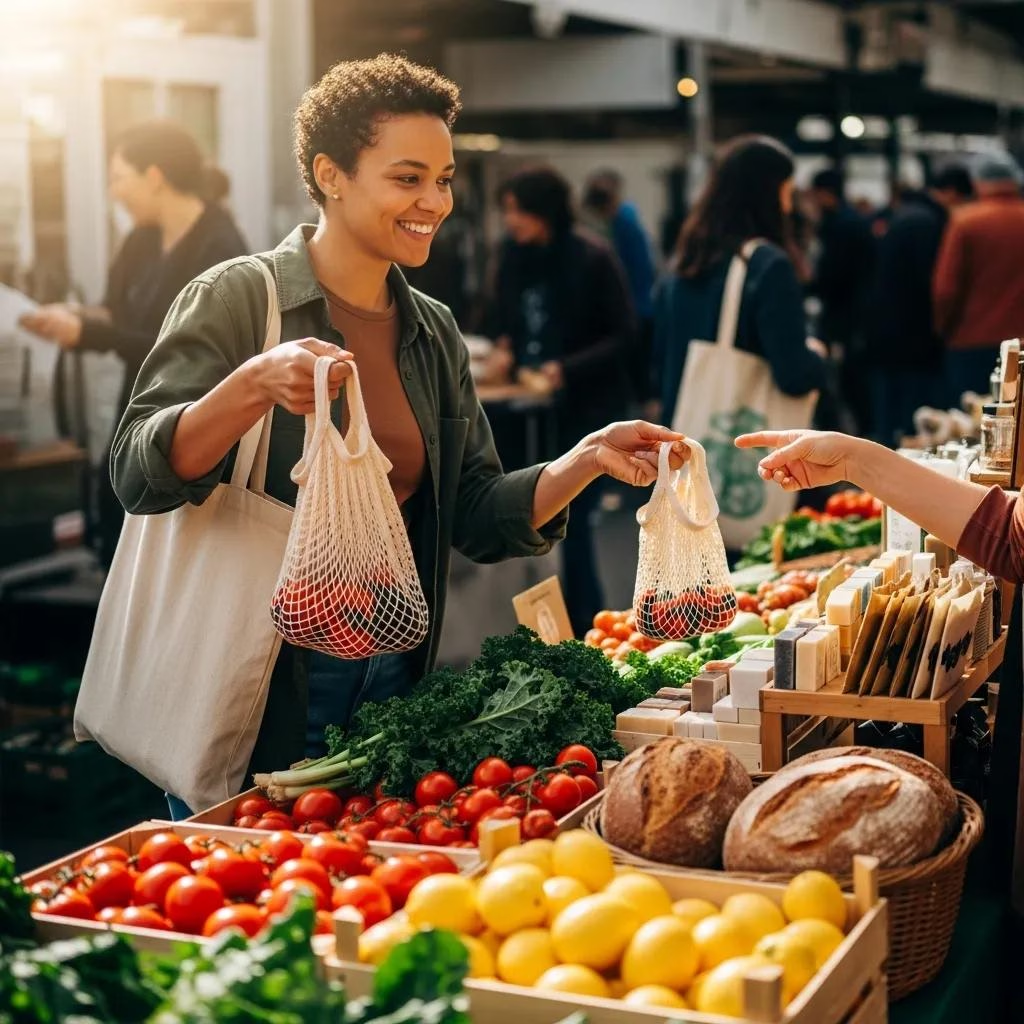
Adopting a zero waste lifestyle is not just a trend; it’s a necessary shift towards sustainability that addresses the growing concerns of waste management and environmental degradation. In 2026, as climate change impacts become more pronounced, understanding how to live waste-free is crucial for individuals and communities alike. This comprehensive guide will equip you with the knowledge and tools to embrace a zero waste lifestyle, highlighting its importance, core principles, and practical steps for beginners.
Zero Waste Trends 2026: What’s Changing This Year
As we move through 2026, the zero waste movement has shifted from a niche hobby to a mainstream necessity. Here are the four key trends defining sustainable living this year:
1. Single-Use Plastic Legislation: New Laws in 2026
2026 marks a major turning point for plastic bans. Several new state and local laws have taken effect this year, targeting not just plastic bags, but also non-recyclable takeout containers and microplastic-shedding synthetic materials. Staying zero waste is now easier as businesses are legally required to provide sustainable alternatives.
2. The Rise of “Refill-First” Retail
The “refill revolution” has officially gone mainstream in 2026. Major grocery chains and beauty retailers have now integrated permanent refill stations for everything from laundry detergent to high-end skincare. This shift has significantly lowered the “barrier to entry” for zero waste living, making package-free shopping accessible outside of specialty health stores.
3. Community-Led Circularity
We are seeing a massive expansion in community zero waste programs this year. “Library of Things” initiatives—where neighbors share tools, kitchen appliances, and camping gear—have tripled in popularity. These circular economies are helping people reduce waste while saving money, proving that zero waste is as much about community as it is about trash.
4. AI-Powered Waste Audits
Technology is finally catching up to sustainability. New AI-powered apps are helping households conduct “trash audits” by scanning receipts and waste bins to provide personalized recommendations on which products to swap first. These tools are taking the guesswork out of the 5 Rs (Refuse, Reduce, Reuse, Recycle, Rot).
Indeed, the shift towards a zero waste lifestyle has been recognized as a significant consumer trend, driven by a collective desire for a plastic-free world and supported by policy changes.
Adopting a Zero Waste Lifestyle: Consumer Trends & Principles
As of 2019, Euromonitor International predicted that one of the most emerging consumer trends would be the aspiration and acting for a plastic-free world. The concept of Zero waste has been widely discussed in production technology and waste management literature, however, in recent years environmentally conscious consumers also decided to get more involved in concrete – and sometimes radical – waste reduction actions, even lifestyle changes. These initiatives were also supported by the authorities by banning certain single-use plastic items in the European Union by 2021. Media and social media personalities also have thematized the waste pollution problem and have brought closer to the population the principles of zero waste lifestyle.
Determinants of adopting a zero waste consumer lifestyle, Z Săplăcan, 2019
Many people struggle with the overwhelming amount of waste generated in daily life, leading to a sense of helplessness. However, by implementing simple strategies and making conscious choices, anyone can significantly reduce their waste footprint. This article will cover essential topics, including the core principles of zero waste, easy swaps for household items, and how to start “composting at home”.
What Is a Zero Waste Lifestyle and Why Is It Important in 2026?
A zero waste lifestyle aims to minimize waste by rethinking how we produce, consume, and dispose of materials. This approach is vital in 2026 as the world grapples with increasing waste production and its detrimental effects on the environment. By adopting a zero waste mindset, individuals can contribute to a more sustainable future, reducing landfill overflow and conserving natural resources.
The importance of a zero waste lifestyle in 2026 is underscored by the urgent need for climate action. As global temperatures rise and ecosystems face unprecedented stress, every effort to reduce waste counts. Embracing this lifestyle not only benefits the planet but also fosters a sense of community and responsibility among individuals.
How Does Zero Waste Support Sustainability and Climate Action?
Zero waste practices directly support sustainability by promoting resource conservation and reducing pollution. By minimizing waste, we decrease the demand for new products, which in turn reduces the energy and resources required for production. This cycle of consumption and waste contributes significantly to climate change, making zero waste an essential component of climate action.
For example, adopting a zero waste lifestyle can lead to reduced carbon emissions associated with manufacturing and transporting goods. Additionally, practices such as composting organic waste can significantly lower methane emissions from landfills, further supporting climate goals.
What Are the Core Principles of the Zero Waste Movement?
The zero waste movement is built on five core principles, often referred to as the “5 Rs”: Refuse, Reduce, Reuse, Recycle, and Rot.
These principles are fundamentally rooted in a waste hierarchy that prioritizes avoiding waste, reducing consumption, and retrieving valuable resources.
Zero Waste Principles: Waste Hierarchy & Behavior Change
The principles of the ZW city are established based on waste hierarchy, that is, evade, reduction, and retrieval. Change in behavior and sustainable utilization practice will evade the
Challenges, issues, and problems with zero-waste tools, KS Vignesh, 2021
- Refuse: Say no to unnecessary items and single-use products.
- Reduce: Minimize what you consume and buy only what you need.
- Reuse: Opt for reusable items instead of disposable ones.
- Recycle: Properly recycle materials to give them a second life.
- Rot: Compost organic waste to enrich the soil and reduce landfill waste.
By understanding and implementing these principles, individuals can make significant strides towards a waste-free lifestyle. Each principle reinforces the others, creating a holistic approach to waste reduction.
How Can Beginners Start Reducing Waste at Home Effectively?
Starting a zero waste journey at home can be simple and rewarding. Here are some practical tips for beginners:
- Conduct a Trash Audit: Assess what waste you produce and identify areas for improvement.
- Adopt the 5 Rs: Integrate the core principles into your daily life.
- Make Simple Swaps: Replace disposable items with reusable alternatives, such as cloth bags, stainless steel straws, and glass containers.
By taking these initial steps, beginners can effectively reduce their waste and contribute to a more sustainable lifestyle.
What Are Easy Zero Waste Swaps for Everyday Household Items?
Making easy swaps in your household can significantly reduce waste. Here are some suggestions:
- Reusable Bags: Replace plastic bags with cloth or reusable shopping bags.
- Bamboo Toothbrushes: Swap plastic toothbrushes for biodegradable bamboo options.
- Glass Containers: Use glass jars instead of plastic containers for food storage.
These simple changes not only help reduce waste but also promote a healthier lifestyle by minimizing exposure to harmful chemicals found in plastics.
How to Overcome Common Beginner Challenges in Waste Reduction?
Many beginners face challenges when transitioning to a zero waste lifestyle. Common obstacles include feeling overwhelmed by the amount of waste produced and difficulty finding sustainable alternatives.
To overcome these challenges, it’s essential to start small and set achievable goals. Focus on one area of your life at a time, such as reducing plastic use in the kitchen or bathroom. Additionally, seek support from local zero waste communities or online forums to share experiences and tips.
What Are Practical Plastic Free Alternatives to Use in Daily Life?
Transitioning to a plastic-free lifestyle can be daunting, but there are many practical alternatives available. Here are some options:
- Beeswax Wraps: Use these instead of plastic wrap for food storage.
- Stainless Steel Water Bottles: Replace single-use plastic bottles with durable stainless steel options.
- Cloth Napkins: Swap paper napkins for reusable cloth ones.
These alternatives not only reduce plastic waste but also often prove to be more economical in the long run.
How to Start Composting at Home: A Beginner’s Guide to Organic Waste Management
Composting is a vital component of a zero waste lifestyle, allowing you to turn organic waste into nutrient-rich soil. Here’s how to get started:
Despite its clear benefits as an effective method for household waste treatment, home composting still faces challenges in widespread adoption.
Home Composting: Effective Household Waste Treatment
Home composting is an effective way to treat household waste, but global uptake remains low because of insufficient recognition and technical limits. This review aims to promote the understanding, popularization, and application of home composting by summarizing the facilities, process performance, and product quality, and to sum up the crucial technical limits and potential solve methods.
Home composting for onsite treatment of household organic solid waste: a review, W Luo, 2022
- Choose a Composting Method: Decide between traditional composting, vermicomposting (using worms), or bokashi (fermentation).
- Gather Materials: Collect kitchen scraps, yard waste, and other compostable materials.
- Maintain Your Compost: Turn the compost regularly and monitor moisture levels to ensure proper decomposition.
By composting, you can significantly reduce the amount of organic waste sent to landfills while enriching your garden soil.
What Are the Basic Steps and Tools Needed for Composting?
To successfully compost at home, follow these basic steps:
- Select a Compost Bin: Choose a bin that suits your space and needs, whether it’s a simple pile, a tumbler, or a worm bin.
- Layer Your Materials: Alternate between green materials (nitrogen-rich) and brown materials (carbon-rich) for optimal composting.
- Monitor and Maintain: Keep an eye on the compost’s temperature and moisture, turning it regularly to aerate.
Essential tools for composting include a pitchfork for turning, a compost thermometer to check temperature, and a moisture meter to ensure the right conditions.
How Does Composting Reduce Plastic Pollution and Support Sustainability?
Composting plays a crucial role in reducing plastic pollution by diverting organic waste from landfills, where it would otherwise contribute to methane emissions. By composting, you not only reduce the volume of waste but also create a valuable resource for gardening and landscaping.
Furthermore, composting supports sustainability by enriching the soil, promoting healthy plant growth, and reducing the need for chemical fertilizers. This natural process enhances soil structure and fertility, contributing to a healthier ecosystem.
Which Eco Friendly Lifestyle Habits Support Long-Term Waste Reduction?
Incorporating eco-friendly habits into your daily routine can significantly support long-term waste reduction. Here are some habits to consider:
- Mindful Consumption: Be intentional about what you buy, focusing on quality over quantity.
- Community Engagement: Participate in local clean-up events or zero waste workshops to connect with like-minded individuals.
- Educate Yourself and Others: Stay informed about sustainability issues and share your knowledge with friends and family.
These habits not only foster a zero waste lifestyle but also inspire others to join the movement.
How to Incorporate Sustainable Shopping and DIY Eco Products?
Sustainable shopping practices can greatly reduce waste. Here are some tips for incorporating these practices into your life:
- Shop Local: Support local farmers and artisans to reduce transportation emissions and packaging waste.
- DIY Eco Products: Create your own cleaning supplies, personal care products, and food items using simple ingredients.
- Choose Sustainable Brands: Look for companies that prioritize eco-friendly practices and materials.
By making these choices, you can significantly reduce your environmental impact while supporting sustainable businesses.
What Are the Measurable Climate Benefits of Adopting Zero Waste Habits?
Adopting zero waste habits can lead to measurable climate benefits, including:
- Reduced Carbon Footprint: By minimizing waste and consumption, individuals can lower their carbon emissions significantly.
- Conservation of Resources: Reducing waste helps conserve natural resources, ensuring they are available for future generations.
- Community Resilience: A collective shift towards zero waste fosters stronger, more resilient communities that prioritize sustainability.
These benefits highlight the importance of individual actions in the broader context of climate change and environmental stewardship.
What Are Common Questions About Living a Zero Waste Lifestyle in 2026?
As more people become interested in zero waste living, several common questions arise:
- Is zero waste achievable for everyone?: While it may be challenging, everyone can make small changes to reduce waste.
- What if I can’t find sustainable alternatives?: Focus on reducing consumption and reusing items as much as possible.
- How do I stay motivated?: Set realistic goals, track your progress, and connect with others in the zero waste community for support.
These questions reflect the growing interest in sustainable living and the desire for practical guidance.
How to Maintain Motivation and Track Progress in Waste Reduction?
Maintaining motivation in your zero waste journey is essential for long-term success. Here are some strategies to help you stay on track:
- Set Achievable Goals: Break down your waste reduction goals into manageable steps.
- Track Your Progress: Keep a journal or use apps to monitor your waste reduction efforts and celebrate milestones.
- Find a Support System: Join local or online zero waste groups to share experiences and gain encouragement.
By implementing these strategies, you can sustain your commitment to a zero waste lifestyle and inspire others to do the same.
Where to Find Resources and Community Support for Zero Waste Living?
Finding resources and community support is crucial for anyone looking to adopt a zero waste lifestyle. Here are some valuable resources:
- Local Zero Waste Groups: Many communities have organizations dedicated to promoting zero waste practices.
- Online Forums and Social Media: Platforms like Facebook and Reddit host groups where individuals share tips and experiences.
- Books and Blogs: Numerous authors and bloggers focus on zero waste living, providing insights and practical advice.
These resources can help you navigate your zero waste journey and connect with others who share your commitment to sustainability.
Learn more about sustainable shopping brands that are leading the circular economy in 2026.
Frequently Asked Questions About Zero Waste Living
What is a zero waste lifestyle?
A zero waste lifestyle is a philosophy and set of practices aimed at eliminating the amount of trash sent to landfills, incinerators, and the ocean. It focuses on the “5 Rs”: Refuse what you don’t need, Reduce what you do use, Reuse what you can, Recycle what you can’t, and Rot (compost) the rest.
Is zero waste living expensive?
No, zero waste living often saves money in the long run. While some sustainable products (like high-quality reusable containers) have an upfront cost, the lifestyle emphasizes buying less, choosing durable items over disposables, and shopping in bulk, which significantly reduces monthly household expenses.
How do I start a zero waste lifestyle as a beginner?
The best way to start is with a “trash audit.” Look at what you throw away most often and choose one simple swap, such as using a reusable water bottle or cloth grocery bags. Focus on progress over perfection and replace items with sustainable alternatives only as they wear out.
What is the difference between zero waste and low waste?
Zero waste is the ultimate goal of sending nothing to the landfill, while “low waste” is a more flexible approach focused on significantly reducing your environmental footprint. Most people in the movement practice low-waste living while striving toward zero-waste principles.
Can I be zero waste if I don’t have a compost bin?
Yes. If you don’t have space for a backyard compost, you can use a countertop bokashi bin, join a community garden composting program, or use a local curbside organic waste collection service. Reducing food waste is a core pillar of the movement regardless of your composting method.