






Start Your Sustainable Living Journey: 10 Simple Steps Today
10 Simple Steps for Sustainable, Eco-Friendly Living at Home
By Roddy Scheer, E — The Environmental Magazine
Embarking on a sustainable living journey at home is not only beneficial for the environment but also enhances your quality of life. This guide outlines ten simple yet effective steps to help you start living sustainably today. By implementing these eco-friendly practices, you can significantly reduce your carbon footprint, conserve resources, and contribute to a healthier planet. Many individuals feel overwhelmed by the idea of making substantial changes, but small, consistent actions can lead to meaningful impact. This article will cover practical steps such as reducing energy consumption, effective waste management, and choosing “eco-friendly products”.
How Can You Start Reducing Your Carbon Footprint at Home?
Reducing your carbon footprint involves making conscious choices that lower greenhouse gas emissions. This can be achieved through various practical actions and lifestyle changes that focus on energy efficiency, mindful consumption, and community engagement. By assessing your current habits and implementing targeted strategies, you can make a significant difference in your environmental impact.
- Assess Your Carbon Footprint: Use a carbon footprint calculator to understand where your emissions come from, focusing on transportation, energy use, and waste production.
- Implement Energy Efficiency: Switch to LED lighting, unplug electronics when not in use, and improve your home’s insulation to reduce “energy consumption”.
- Engage in Community Initiatives: Participate in local sustainability efforts, such as tree planting or clean-up events, to amplify your impact and connect with like-minded individuals.
These steps not only help in reducing your carbon footprint but also promote a sustainable lifestyle that can inspire others in your community.
What Are Easy Energy Saving Tips for Homeowners?
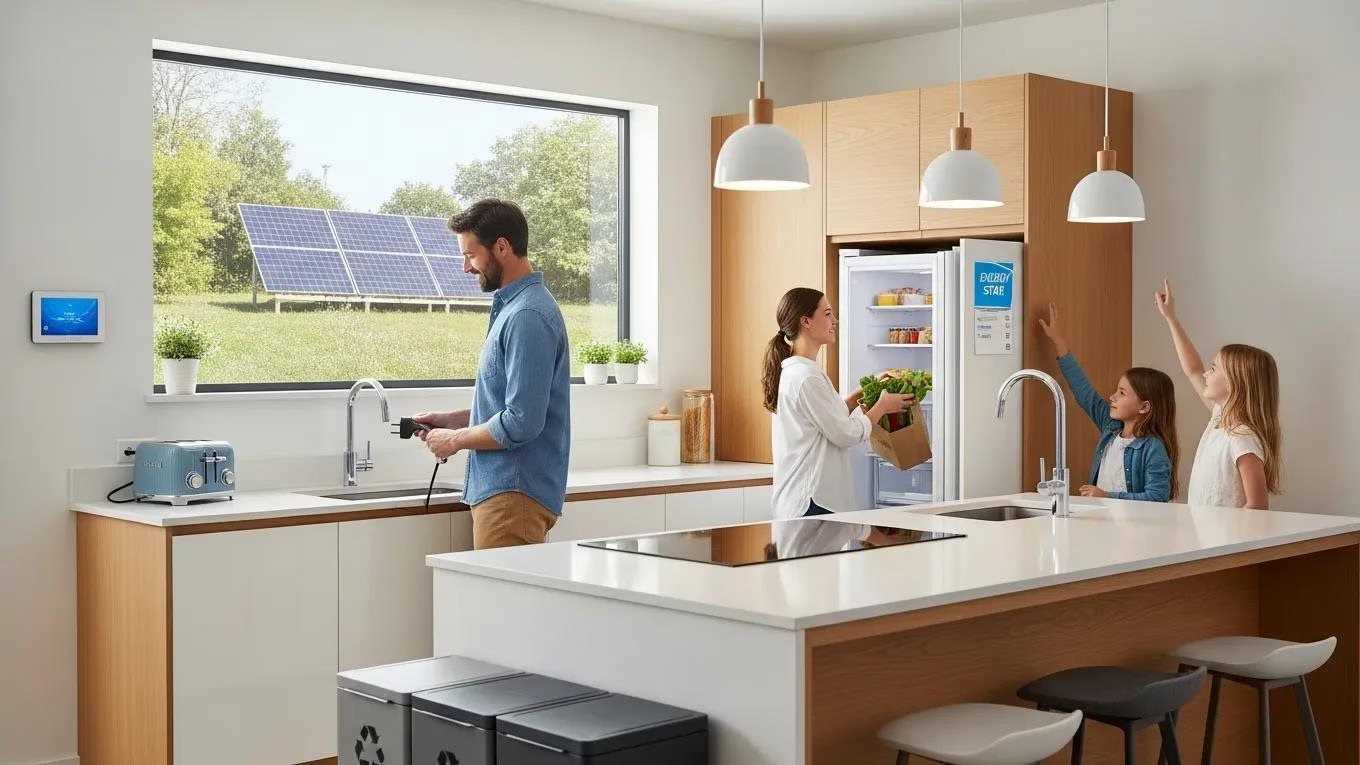
Energy conservation is a crucial aspect of sustainable living. Homeowners can adopt several easy energy-saving tips to reduce their energy consumption and lower utility bills. Implementing these strategies can lead to significant savings and a reduced environmental impact.
Indeed, understanding all sources of energy consumption, including hidden ones, is key to effective conservation.
Reduce Residential Energy Consumption with Phantom Load Management
Phantom loads by definition occur when a device is not performing its primary function and thus reducing phantom loads is an easy way to reduce residential energy consumption
Are phantom loads haunting your energy bill, 2012
- Switch to LED Bulbs: Replace incandescent bulbs with LED bulbs, which use up to 75% less energy and last significantly longer.
- Unplug Electronics: Many devices consume energy even when turned off. Unplug chargers and electronics when not in use to prevent phantom energy loss.
- Use Energy-Efficient Appliances: Upgrade to ENERGY STAR-rated appliances, which are designed to use less energy while providing the same performance.
By incorporating these energy-saving tips, homeowners can contribute to a more sustainable future while enjoying the financial benefits of reduced energy consumption.
How Does Renewable Energy Support Sustainable Living?
Renewable energy plays a vital role in sustainable living by providing clean, replenishable sources of power that significantly reduce carbon emissions compared to fossil fuels. Understanding the different types of renewable energy and their benefits can help individuals make informed decisions about their energy sources.
- Solar Energy: Harnessed through solar panels, it converts sunlight into electricity, offering a clean and abundant power supply.
- Wind Energy: Generated by wind turbines, it produces electricity without emitting greenhouse gases, making it a sustainable option for energy generation.
- Hydroelectric Energy: This involves generating power from flowing water, which is another significant source of renewable energy.
By switching to renewable energy sources, individuals can drastically lower their carbon footprint and contribute to a healthier planet.
What Are Effective Waste Reduction and Composting Methods?
Effective waste reduction and composting methods are essential for minimizing landfill contributions and promoting sustainability. By adopting these practices, individuals can significantly reduce their waste output and enrich their gardens.
In this context, home composting stands out as a particularly effective method for managing household organic waste.
Home Composting: Effective Household Organic Waste Treatment
Home composting is an effective way to treat household waste, but global uptake remains low because of insufficient recognition and technical limits. This review aims to promote the understanding, popularization, and application of home composting by summarizing the facilities, process performance, and product quality, and to sum up the crucial technical limits and potential solve methods.
Home composting for onsite treatment of household organic solid waste: a review, W Luo, 2022
- Conduct a Trash Audit: Spend a week tracking what you throw away. Identify the most common items in your waste to focus on areas for improvement.
- Adopt the 5 Rs:Refuse: Say no to unnecessary items and single-use products.Reduce: Limit consumption by buying only what you need.Reuse: Invest in reusable items like cloth bags and glass containers.
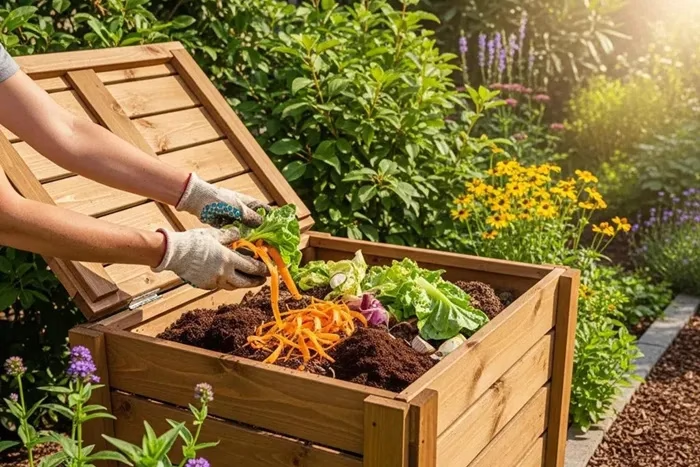
- Start Composting: Set up a compost bin for food scraps and yard waste to divert organic waste from landfills and create nutrient-rich soil.
Implementing these waste reduction strategies not only benefits the environment but also fosters a culture of sustainability within your community.
Which Water Conservation Techniques Can You Use at Home?
Water conservation is a critical component of sustainable living. By implementing various techniques, homeowners can significantly reduce water waste and lower their utility bills.
- Identify and Fix Leaks: Regularly inspect your home for leaks in faucets, toilets, and pipes. Prompt repairs can prevent significant water loss.
- Install Water-Efficient Fixtures: Upgrade to low-flow toilets, faucets, and showerheads to reduce water consumption by up to 30%.
- Adopt Daily Water-Saving Practices: Simple changes, such as taking shorter showers and turning off the tap while brushing teeth, can lead to substantial water savings.
By adopting these water conservation techniques, individuals can contribute to a more sustainable future while enjoying the financial benefits of reduced water consumption.
What Eco Friendly Products and Alternatives Should You Choose?
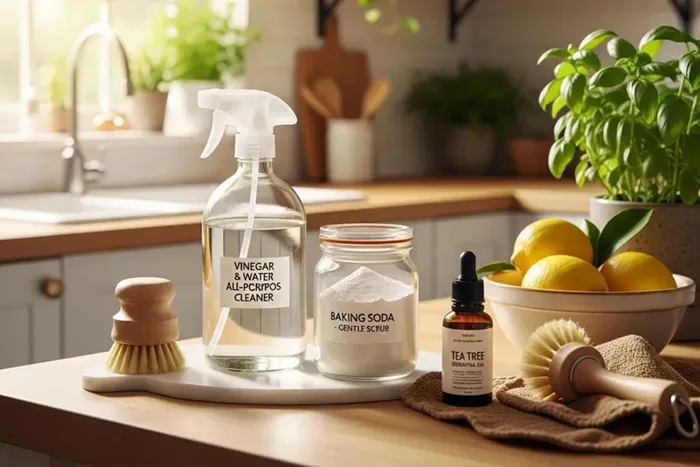
Choosing eco-friendly products is essential for sustainable living, offering numerous benefits for both health and the environment. Here’s a detailed overview of the types of eco-friendly products and their advantages.
- Biodegradable Cleaning Supplies: Made from natural ingredients, these products break down easily and do not harm the environment.
- Natural Personal Care Items: These include shampoos, conditioners, and lotions that are free from harmful chemicals.
- Reusable Products: Items like stainless steel water bottles and cloth shopping bags help reduce single-use plastic waste.
By being mindful of the products you choose, you can make informed decisions that align with your values and contribute to a sustainable future.
How Do Sustainable Home Products Reduce Environmental Impact?
Choosing eco-friendly products and alternatives contributes to sustainable living by significantly reducing environmental impact in several ways.
- Reduction of Harmful Chemicals: Many eco-friendly products are free from harmful chemicals, promoting better health and reducing pollution.
- Support for Sustainable Practices: Purchasing eco-friendly products often supports companies that prioritize sustainability and ethical practices.
- Waste Reduction: Eco-friendly products often come with minimal or recyclable packaging, which helps reduce waste.
Integrating eco-friendly products into daily life not only supports a healthier planet but also enhances personal well-being through improved health and reduced consumption.
Which Eco Cleaning Products Are Safe and Effective?
To create a safer and more eco-friendly cleaning routine at home, consider the following recommendations for using safe and effective eco-friendly cleaning products.
- Identify Harmful Ingredients: Review the cleaning products you currently use and look for harmful chemicals that can pose health risks.
- Research Alternatives: Seek out organic or eco-friendly cleaning products that align with your values and are certified by environmental organizations.
- DIY Solutions: Incorporate homemade cleaning recipes into your routine using common ingredients like vinegar and baking soda.
By following these steps, you can create a healthier home environment while contributing to a more sustainable future.
How Can Lifestyle Changes Support Your Sustainable Living Journey?
Daily lifestyle changes can significantly support a sustainable living journey by reducing waste, conserving resources, and promoting eco-friendly habits. Here are specific actions to maintain a green home.
- Reduce Energy Consumption: Turn off electronics when not in use and use Energy Star certified appliances to lower energy use.
- Use Reusable Items: Replace single-use plastics with reusable bags, bottles, and containers to cut down on waste.
- Composting: Start a compost bin for kitchen scraps and yard waste to enrich soil and reduce landfill contributions.
By implementing these changes, individuals can contribute to a more sustainable future while enjoying the benefits of reduced costs and improved quality of life.