



Best Eco Friendly Products to Reduce Your Environmental Impact in 2026

Best Eco-Friendly Products to Reduce Your Environmental Impact in 2026
Climate change is accelerating, and more people are looking for practical ways to reduce their footprint. In 2026, shoppers want products that are genuinely better for the planet and for daily life. This guide highlights top eco-friendly options—zero-waste swaps, biodegradable home goods, reusable items, organic personal care, and energy-efficient appliances—so you can choose smarter, more sustainable products. We explain how they work, where they help most, and how each choice can lower your environmental impact.
Beyond selecting a single product, thinking in terms of systems helps: evaluate how a product is made, how long it lasts, and what happens at end of life. Purchasing for durability, repairability, and responsible sourcing often delivers the greatest environmental benefits while saving money and hassle over time. This article emphasizes practical choices and easy swaps you can adopt at home, in travel, and during shopping.
Key Takeaways
- Eco-friendly products in 2026 prioritize lowering environmental impact while fitting into everyday life.
- Zero-waste essentials—like reusable bags and compost bins—cut the volume sent to landfills.
- Biodegradable household items break down naturally and can reduce overall carbon emissions tied to waste.
- Reusables such as stainless-steel straws replace single-use plastics and reduce pollution.
- Organic personal care uses natural ingredients to limit chemical runoff and protect ecosystems.
- Sustainable home goods improve energy efficiency and indoor health.
- Energy-efficient appliances (for example, Energy Star refrigerators) help lower electricity use and CO2 emissions.
- Eco-fashion is moving toward recycled fabrics and plant-based dyes to cut textile waste.
- Trusted certifications—USDA Organic, Fair Trade, GOTS—help verify sustainable and ethical sourcing.
These takeaways provide a quick checklist to prioritize when shopping: durability, end-of-life options, ingredient transparency, and recognized certifications. Use them to compare products in the same category and choose the option that best balances performance, price, and environmental benefit.
What Are the Top Zero Waste Products to Minimize Environmental Impact in 2026?
Zero-waste products are designed to cut disposable items from the system by encouraging reuse and circular thinking. They reduce landfill waste and often support local repair or refill systems. In 2026, some top zero-waste picks include:
The zero-waste approach continues to push manufacturers and consumers toward smarter, less wasteful practices.
Zero Waste: Sustainable Approaches for Producers & Consumers
The zero waste (ZW) concept encourages producers and consumers to adopt sustainable approaches that lower costs and waste while supporting circular production models.
Towards zero waste manufacturing: A multidisciplinary review, S Singh, 2017
- Reusable Bags : Replace single-use plastic grocery bags with durable fabric or recycled-material totes to cut plastic leakage.
- Compost Bins : Divert food scraps from landfills—composting reduces methane emissions and returns nutrients to soil.
- Beeswax Wraps : A washable, reusable alternative to plastic wrap for storing food and reducing single-use waste.
These swaps encourage more responsible consumption and help shrink household waste streams over time. When choosing zero-waste items, favor products that are easy to integrate into your daily routine so they remain in regular use rather than stored away.
Practical additions to a zero-waste kit include a set of reusable produce bags for shopping, a durable lunch container for takeout, and a small travel cutlery set for eating on the go. Look for materials that are tough while remaining repairable: thicker canvas for bags, stainless steel for utensils, and glass or silicone for food storage.
Which zero waste products are essential for everyday sustainable living?
Introducing a handful of zero-waste items into daily routines is one of the easiest ways to lower your environmental footprint. Essential choices include:
- Stainless Steel Water Bottles : Cut single-use plastic bottle use and keep drinks hot or cold for hours.
- Cloth Napkins : Swap paper napkins for washable cloth to reduce ongoing waste and add a reusable touch to meals.
- Refillable Toiletries : Shampoo and conditioner bars or refill stations reduce plastic packaging and often use simpler ingredient lists.
Small changes like these add up—fewer disposables, less packaging, and a clearer path to reuse. To make the change stick, create habits: keep a clean reusable bottle in your bag, store cloth napkins where you can grab them easily, and set up a small shelf for refillable personal care items.
If you have limited space, prioritize multifunctional items. A high-quality stainless steel bottle can double as an insulated container for hot drinks; a set of glass containers can be used for meal prep, storage, and reheating. Buying fewer items that perform well reduces consumption and waste.
How do zero waste products contribute to reducing plastic waste?
Zero-waste products cut plastic demand by offering durable, reusable alternatives. When consumers choose reusables and compostable options, the need for single-use plastics drops, directly reducing plastic pollution in oceans and waterways. Composting organic waste also prevents methane from forming in landfills. Over time, these practices support cleaner environments, lower emissions, and a move toward circular supply chains.
Current research highlights the need to replace traditional plastics with viable alternatives to reach zero-waste goals.
Eco-Friendly Plastic Alternatives for Packaging
Alternatives to conventional plastics—plant-based compostables, refill systems, glass containers, and mono-material cardboard—are being evaluated as viable packaging replacements to reduce plastic pollution.
Plastic waste management for zero waste to landfills: potential, challenges, and opportunities, FC Mihai, 2024
Beyond individual swaps, zero-waste choices can influence retailers and manufacturers: visible consumer demand for refills, minimal packaging, and return programs encourages businesses to scale systems that avoid single-use packaging. Communities that support repair cafes, swap events, and bulk-buying cooperatives also help reduce the total volume of new materials entering the system.
How Do Biodegradable Household Items Help Reduce Your Carbon Footprint?
Biodegradable household items are made to break down under the right conditions, cutting the long-term impact of discarded goods. Choosing biodegradable cleaners, utensils, or packaging reduces persistent waste and the greenhouse gases associated with landfill decomposition. Many biodegradable products also use gentler ingredients that lower chemical runoff into waterways, helping both climate and local ecosystems.
It’s important to match the product to local waste infrastructure. Some biodegradable items require industrial composting to break down properly, while others are suitable for home compost systems. Understanding the difference helps ensure the product delivers the intended environmental benefit instead of contributing to contamination in recycling or landfill streams.
What are the best biodegradable materials used in household products?
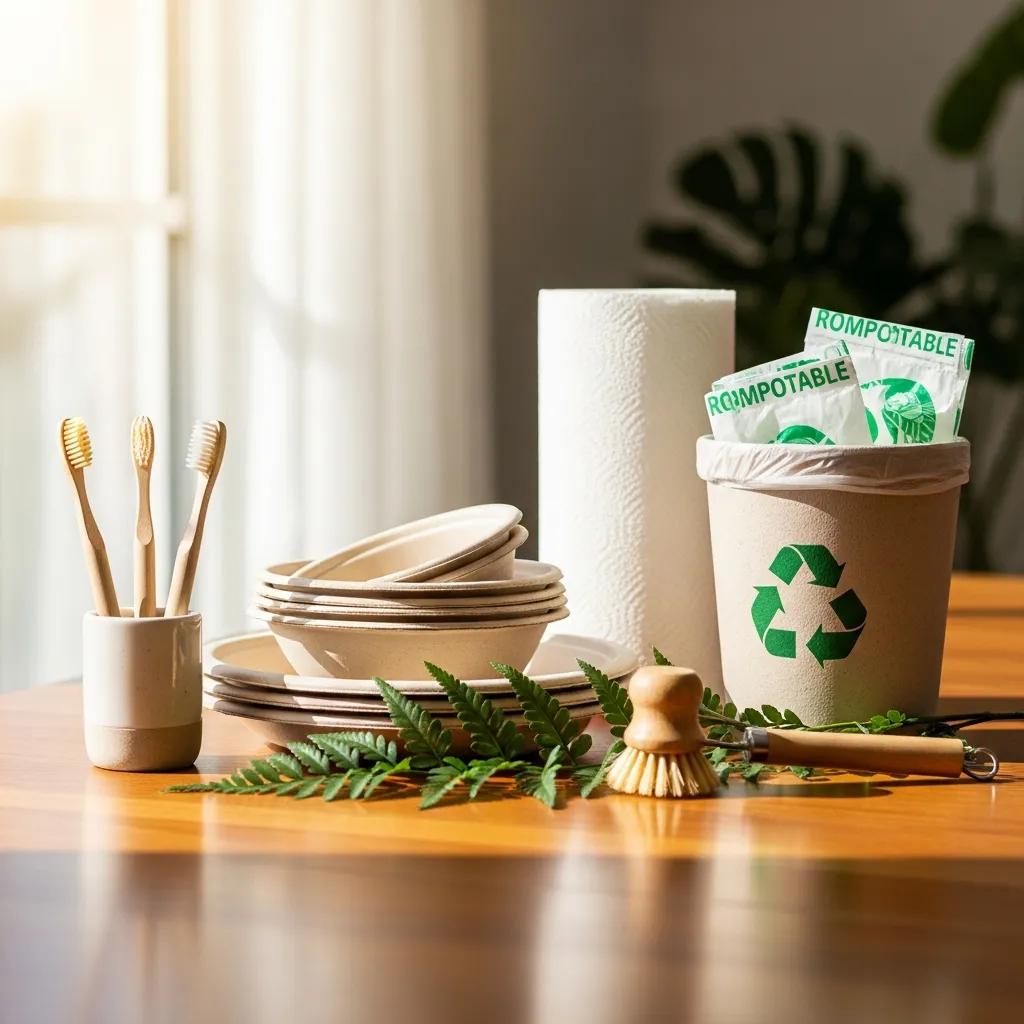
Common biodegradable materials offer different strengths and end-of-life benefits:
- Bamboo : Rapidly renewable and sturdy—used for toothbrushes, utensils, and textiles.
- Cornstarch : A renewable feedstock for compostable bags and packaging that breaks down under composting conditions.
- Paper : Recycled paper products—towels, plates, packaging—are widely compostable and easier to recycle.
These materials support lower-impact manufacturing and simpler disposal compared with many fossil-fuel-based plastics. When evaluating options, consider the full product: some items combine materials (for example, paper with a waterproof coating) that complicate composting or recycling. Simpler, mono-material designs are easier to manage at end of life.
How to choose biodegradable products certified for environmental safety?
To pick biodegradable products that actually perform, look for clear third-party certifications and transparent ingredient lists. Focus on:
- Certification Labels : Seek standards like ASTM D6400 or EN 13432 that confirm biodegradability under specified conditions.
- Ingredient Transparency : Choose brands that list ingredients so you can avoid harmful additives.
- Compostability : Confirm whether the product requires industrial composting or can break down at home.
Prioritizing certified biodegradable goods helps ensure you’re choosing options that genuinely reduce environmental harm.
Certification standards such as ASTM D6400 provide clear criteria for identifying truly compostable products.
Compostable Product Certification Standards
A product bearing a certification logo indicates it meets specifications like ASTM D6400 or ASTM D6868 for compostability—confirming it will degrade under designated composting conditions.
Compostable Products, 2021
When shopping, read the label carefully: a “biodegradable” claim without a certification may not guarantee a clear disposal pathway. Prefer products that provide end-of-life instructions and describe what infrastructure is needed for proper breakdown. If possible, check whether your local council accepts certain compostable items to avoid contamination in recycling streams.
Which Reusable Eco Products Offer the Greatest Environmental Benefits in 2026?
Reusable products remain one of the most effective ways to cut waste and conserve resources. In 2026, high-impact reusables include:
- Stainless Steel Straws : Durable, washable, and a clear replacement for disposable plastic straws.
- Glass Food Storage Containers : Long-lasting and safer for food storage than many plastics; microwave and dishwasher safe options increase convenience.
- Cloth Shopping Bags : Reusable fabric bags reduce plastic bag use and can support local makers and sustainable supply chains.
Choosing quality reusables reduces the continuous demand for disposable items and lowers material extraction over time. A small upfront investment in well-made items often pays off through years of use. Think durability, repairability, and whether replacement parts (like lids or seals) are available.
For travel and commuting, pack a compact set of reusables: a foldable bag, a lightweight cutlery kit, and a small container for leftovers. Easy-to-carry items increase the likelihood you’ll use them consistently.
What reusable products replace single-use plastics effectively?
Several reusable items are straightforward swaps that cut single-use plastic consumption:
- Silicone Food Bags : Replace disposable zip bags with a washable, heat-safe alternative.
- Reusable Coffee Cups : Avoid disposable takeaway cups—many cafés offer discounts for reusable cups.
- Beeswax Food Wraps : A natural, reusable option for wrapping and storing food.
Adopting these alternatives can materially reduce household plastic waste. To make behavior changes stick, place reusables by the door or in your bag, and consider keeping a backup set at work or in the car for unplanned needs.
How to maintain and care for reusable eco products for longevity?
Proper care extends the life of reusable items and maximizes their environmental value. Key tips:
- Regular Cleaning : Wash items after each use to prevent odors and bacteria buildup.
- Avoid Harsh Chemicals : Use mild, eco-friendly cleaners that won’t damage materials or leave toxic residues.
- Store Properly : Keep products dry and well-organized to prevent premature wear.
With basic maintenance, reusables can serve for years, improving both cost-effectiveness and sustainability.
Additional material-specific care helps too: stainless steel resists staining but can be cleaned with a soft brush and mild detergent; glass is dishwasher-safe and resists odor retention; silicone is flexible and benefits from occasional deep cleaning by boiling or using baking-soda-based scrubs if residues persist. For textiles like cloth bags and napkins, wash with gentle detergent and avoid fabric softeners that can reduce absorbency.
If a reusable item is damaged, evaluate whether it can be repaired before replacing it. Many reusable products are simple to mend: sew a tear in a cloth bag, replace a lid gasket, or patch a silicone seam. Repairing extends useful life and preserves the embedded resources and energy used to make the item.
What Are the Leading Organic Personal Care Products for Sustainable Living?
Organic personal care products use plant-based ingredients and avoid many synthetic chemicals, offering safer choices for people and ecosystems. Leading options include:
- Organic Shampoo : Free from sulfates and parabens, these formulas clean hair with gentler, plant-derived ingredients.
- Natural Deodorants : Plant-based formulas that neutralize odor without aluminum or harsh synthetic fragrances.
- Organic Skincare : Moisturizers and serums made from certified organic ingredients that nourish skin with fewer environmental impacts.
Choosing certified organic personal care reduces chemical pollution and supports more sustainable farming practices. Beyond ingredients, consider packaging that is recyclable or refillable to further reduce waste from personal care routines.
Trial smaller sizes when trying a new product and check ingredient lists for allergens or components you prefer to avoid. If a brand provides transparency about sourcing and manufacturing, that can offer extra assurance about environmental and social practices.
Which organic personal care items have USDA Organic and Fair Trade certifications?
Look for USDA Organic and Fair Trade labels when you want verified standards for farming and ethical sourcing. Examples include:
- Organic Lip Balm : Made with natural oils and butters, offering hydration without synthetic additives.
- Fair Trade Body Lotion : Sourced from farms that follow fair labor practices while nourishing skin.
- Organic Sunscreen : Uses mineral or plant-based filters to protect skin while reducing harm to marine ecosystems.
Certified products give consumers confidence that both environment and people were considered in production.
When evaluating personal care items, also consider concentration and packaging. Bars (solid formats) typically use less packaging than bottles, and refillable dispensers reduce the need for single-use plastics. Products that transparently list ingredient origins and manufacturing locations make it easier to judge their overall footprint.
How do organic personal care products reduce chemical pollution?
Organic personal care products reduce chemical pollution by avoiding synthetic ingredients that can enter waterways and harm wildlife. Organic farming practices also support healthier soils and greater biodiversity. By choosing organic personal care, you help keep waterways cleaner and promote long-term environmental health.
Additionally, supporting brands that minimize fragrance use and avoid microplastics prevents small persistent pollutants from entering aquatic systems. Where possible, choose products with clear disposal instructions so residues do not interfere with wastewater treatment or compost systems.
How Can Sustainable Home Goods Improve Your Eco-Friendly Lifestyle in 2026?
Sustainable home goods are designed to lower environmental impact without sacrificing comfort. In 2026, these products help by:
- Reducing Waste : Items like compost bins and reusable kitchenware cut household waste.
- Promoting Energy Efficiency : Energy-smart appliances and fixtures reduce electricity use and bills.
- Enhancing Indoor Air Quality : Natural materials and low-VOC products improve indoor health.
Thoughtful home upgrades can make daily life healthier while shrinking your footprint.
When planning upgrades, consider both performance and longevity. A higher-quality product with a longer warranty and replaceable parts often yields lower lifetime emissions than a cheaper, short-lived alternative. Simple changes—such as switching to low-flow fixtures, choosing low-VOC paints, and adding natural-fiber textiles—can have immediate benefits for indoor air and reduce resource use.
What sustainable materials are used in eco-friendly home goods?
Common sustainable materials help lower impacts across a product’s life:
- Recycled Plastic : Keeps existing plastics in use instead of extracting new fossil resources.
- Bamboo : Fast-growing and versatile—used in furniture, kitchenware, and textiles.
- Organic Cotton : Grown without synthetic pesticides and used in bedding and towels.
Choosing items made from these materials supports more responsible manufacturing and disposal.
In many cases, blended materials or coatings complicate recycling. Prioritize mono-material designs where possible and seek manufacturers that provide take-back programs for end-of-life management. Reclaimed or upcycled materials also reduce demand for virgin inputs.
What statistics support the environmental impact of sustainable home products?
Research shows tangible benefits: energy-efficient appliances can cut household energy use by up to 30%, and switching to sustainable materials can lower product-related carbon emissions by significant margins compared with conventional options. These numbers underline how product choices can meaningfully reduce environmental impact.
Beyond energy savings, sustainable home goods can improve health outcomes—lower VOCs improve indoor air quality and reduce exposure to irritants. While specific results depend on use and context, cumulative adoption of better products across many households drives measurable environmental gains.
Which Energy Efficient Appliances Help Lower Environmental Impact and Save Energy?
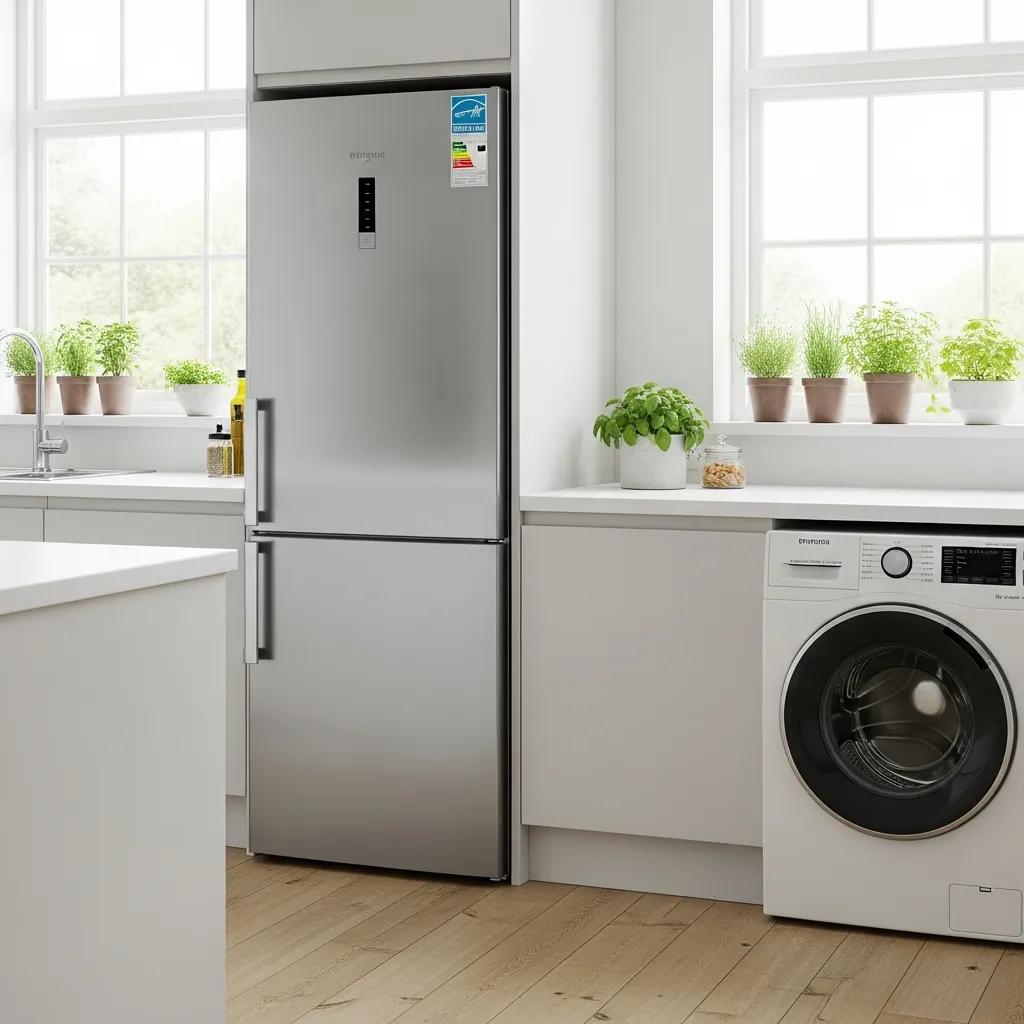
Energy-efficient appliances deliver the same performance while using less energy. Top examples include:
- Energy Star Refrigerators : Use noticeably less electricity than older models, trimming energy bills.
- High-Efficiency Washers : Save water and power per load, making laundry more sustainable.
- LED Light Bulbs : Last far longer than incandescents and use up to 80% less energy.
Investing in efficient appliances reduces both household costs and carbon emissions over time.
When selecting appliances, compare models based on real-world performance, warranty length, and serviceability. An appliance that is efficient but difficult to repair can lead to premature replacement. Look for manufacturers that publish clear efficiency metrics and offer spare parts or service networks to keep products running longer.
What certifications indicate energy efficiency in appliances?
Certifications help you identify appliances that meet efficiency standards:
- Energy Star : A U.S. EPA certification that indicates strong energy performance.
- CEE Tier Ratings : Tiered ratings from the Consortium for Energy Efficiency identify top-performing models.
- EU Energy Label : In Europe, the label rates efficiency to help you compare models at a glance.
These labels give confidence that an appliance will deliver energy savings and lower emissions.
Many regions also offer incentives, rebates, or trade-in programs for efficient appliances. Check local resources to reduce upfront costs. Factor potential incentives into the purchase decision and confirm installation requirements so you realize the full efficiency benefits.
How do energy efficient appliances reduce household carbon footprints?
Energy-efficient appliances lower carbon footprints by using less power, which reduces greenhouse gas emissions from electricity generation. For example, an Energy Star refrigerator can save roughly 200 kWh per year—cutting around 150 kg of CO2 annually. Over many households, these savings add up to meaningful climate benefits.
Efficiency gains compound over the product lifetime. Choosing durable, serviceable models and operating appliances according to best practices (full loads for washers, mindful temperature settings for refrigerators) maximizes both environmental and financial returns.
What Are the Latest Innovations in Eco-Friendly Fashion for 2026?
Sustainable fashion is advancing through better materials and smarter production. In 2026, notable innovations include:
- Recycled Fabrics : Turning plastic bottles and textile waste into new fabric reduces landfill and resource demand.
- Plant-Based Dyes : Natural dyes lower chemical pollution in dyeing processes.
- 3D Printing : On-demand and localized production cuts overproduction and material waste.
These developments are changing how garments are made and lowering fashion’s environmental cost.
Another important trend is circular design: garments built for disassembly, repair, and recycling reduce the likelihood they become waste. Brands focusing on transparency and traceability help consumers understand where materials come from and how products can be returned or repurposed at end of life.
Which renewable materials are transforming sustainable fashion?
Renewable materials are helping fashion reduce resource use and pollution. Key examples:
- Tencel : A biodegradable fiber made from sustainably sourced wood pulp, using less water than conventional cotton.
- Hemp : Low-input crop that needs little pesticide and water, ideal for durable textiles.
- Recycled Polyester : Made from post-consumer plastic bottles to cut waste and virgin material use.
Adopting these materials helps the industry shrink its environmental footprint while maintaining functionality.
When buying clothing, consider longevity: neutral designs, quality construction, and classic fits are easier to wear for years. Repairing seams, replacing buttons, and caring for garments properly all extend useful life and reduce turnover in your wardrobe.
How does eco-friendly fashion support climate change mitigation?
Eco-friendly fashion reduces emissions by lowering resource extraction, cutting chemical use, and reducing waste. Using organic fibers, recycled materials, and more transparent supply chains helps decrease the carbon and water footprint of clothing. When consumers choose sustainable pieces—and keep them longer—the industry’s overall environmental impact declines.
Secondhand and rental models also play a role by extending garment life and reducing demand for new production. Repair cafés, mending services, and clothing swaps are practical ways to circulate garments and reduce the total volume of textiles entering landfills.
How to Choose the Best Eco-Friendly Products: Certifications, Materials, and Impact?
Selecting the best eco-friendly products means weighing certifications, material sourcing, and lifecycle impacts. Consider these three criteria:
- Certifications : Look for recognized seals like USDA Organic, Energy Star, and Fair Trade.
- Material Sourcing : Favor renewable, recycled, or responsibly harvested inputs.
- Lifecycle Assessment : Think about production, use, and end-of-life disposal to understand true impact.
These considerations help you choose products that are both practical and genuinely better for the planet.
A quick decision framework: prioritize products with clear certifications, durable construction, and straightforward end-of-life options. If two similar products are available, prefer the one that provides repair options, longer warranties, or a manufacturer take-back program.
What certifications guarantee product sustainability and ethical sourcing?
Certain certifications verify environmental and social standards:
- Fair Trade : Ensures fair compensation and safer working conditions for producers.
- Global Organic Textile Standard (GOTS) : Confirms textiles come from organic fibers and meet environmental and social criteria.
- Forest Stewardship Council (FSC) : Indicates wood and paper come from responsibly managed forests.
Choosing certified products supports ethical sourcing and sustainable production practices.
Certifications vary in scope and rigor. When possible, look up certifier websites to understand what each label covers—some focus primarily on environmental metrics while others include social and labor criteria. Combined certifications often provide a fuller picture of sustainability performance.
How to evaluate product lifecycle and environmental impact effectively?
To evaluate a product’s lifecycle, examine:
- Raw Material Sourcing : Are inputs renewable, recycled, or responsibly harvested?
- Manufacturing Processes : Do makers use low-energy production and waste reduction practices?
- End-of-Life Options : Can the product be recycled, composted, or safely disposed of?
A full-lifecycle view reveals where a product helps—or harms—sustainability efforts.
Start by checking manufacturer transparency: product pages that include materials breakdowns, country of origin, and handling advice let you judge real-world impacts. Lifecycle thinking also includes transportation and packaging—local or regional sourcing and minimal protective packaging usually translate into lower overall emissions.
Frequently Asked Questions
What are the benefits of using eco-friendly products in daily life?
Using eco-friendly products reduces pollution, conserves resources, and often improves personal health by avoiding harsh chemicals. Many sustainable items are built to last, which can save money over time. Buying thoughtfully also encourages companies to adopt greener practices.
Additional benefits include improved indoor air quality from low-VOC materials, reduced household waste through reusables and composting, and often a stronger connection to local or ethical supply chains that support community wellbeing.
How can I effectively transition to a zero waste lifestyle?
Start small: identify single-use items you use most and replace them with durable alternatives—reusable bags, stainless-steel containers, and beeswax wraps. Add a home compost system, choose items with minimal packaging, and support refill programs. Gradual, consistent swaps make the transition realistic and lasting.
Keep a simple plan: replace one category each month, practice new habits until they stick, and celebrate small wins to stay motivated. Engaging family members and sharing tips with friends can also make the shift easier and more resilient.
What role do certifications play in choosing eco-friendly products?
Certifications provide independent verification that a product meets environmental or social standards. Labels like USDA Organic, Fair Trade, and Energy Star help you trust that a product’s claims are backed by recognized criteria.
While certifications are useful, they are one part of the picture. Also consider durability, repairability, and whether a company discloses supply chain information. Together these signals help you make more informed purchases.
How do energy-efficient appliances contribute to sustainability?
Energy-efficient appliances use less electricity and water while delivering the same performance, which lowers household emissions and utility bills. Over time, these savings reduce demand for energy production and cut greenhouse gas outputs.
To maximize benefits, pair efficient appliances with efficient habits: run full laundry loads, avoid excessive pre-rinsing, and maintain appliances regularly. Good operation combined with efficiency yields the best long-term outcomes.
What are some common misconceptions about biodegradable products?
A common misconception is that “biodegradable” always means it will decompose quickly in any setting. In reality, many biodegradable items need industrial composting conditions. Also, biodegradability alone doesn’t guarantee a low overall impact—production methods and sourcing matter too.
Read labels carefully and confirm local composting options before assuming an item will break down in backyard compost or municipal collection. Proper sorting and disposal are key to realizing environmental benefits.
How can I identify truly sustainable fashion brands?
Look for transparency in supply chains, use of sustainable materials, and third-party certifications like GOTS or Fair Trade. Brands that repair, upcycle, or offer take-back programs also demonstrate a commitment to reducing waste.
Reviews and long-term customer feedback can indicate whether a brand’s products are durable and well-made—both essential factors for reducing the lifecycle impact of clothing.
What are the long-term impacts of adopting eco-friendly products?
Over time, adopting eco-friendly products can lower pollution, conserve resources, and reduce carbon emissions. It also shifts market demand, encouraging more companies to prioritize sustainability and ethical practices, which benefits communities and ecosystems long-term.
Individual choices aggregate: when many households opt for durable, repairable, and certified products, producers respond by scaling sustainable practices and investing in circular systems that further reduce global impacts.
Conclusion
Choosing eco-friendly products in 2026 makes a real difference—for the planet and for everyday life. By prioritizing biodegradable materials, reusable items, certified organic personal care, and energy-efficient appliances, you lower your environmental impact and support ethical production. Use certifications and lifecycle thinking to guide purchases, and start exploring sustainable options today to build healthier habits and a cleaner future.
Begin with a few achievable swaps, maintain the items you buy, and look for brands that offer transparency and repair options. Over time, these cumulative choices create stronger demand for sustainable goods and help reshape markets toward lower-impact production and consumption.