
Can My House Be A Net Zero Home?
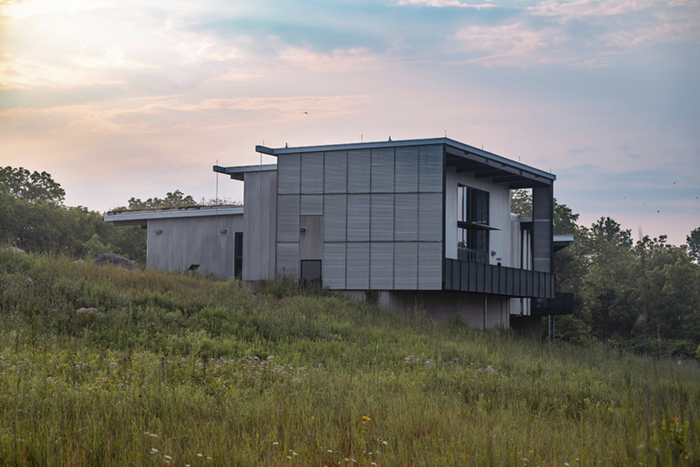
Dear EarthTalk: What is a “net-zero” home? Does it have to be new construction or can I retrofit an older home to be “net-zero”?
—Peter B., Boulder, CO
As the impact of climate change becomes more severe, homeowners are adopting sustainable practices in order to reduce their carbon footprint. One method getting much attention is the “net-zero” home. A net-zero home is designed or upgraded to generate as much energy as it consumes over the year. With time, net-zero homes are becoming more readily available in the US, Canada and Europe. “The zero-energy trend is irreversible,” say the Zero Energy Project, accounting for 28,000 net-zero homes in North America. Key benefits include reduced greenhouse gas emissions, lowered energy bills, and much more.
Primary features of a net-zero home include insulation to prevent heat loss, energy-efficient models of domestic appliances, airtight construction and renewable energy systems such as solar panels. A common misconception is that net-zero energy can only be achieved by new construction, but many homes can be retrofitted to reach or approach net-zero. Transforming existing homes to net-zero can be achieved through a framework of steps, typically beginning with assessing current energy efficiency. From there, homeowners can incrementally invest in improving insulation, upgrading to energy-efficient equipment, optimizing ventilation systems, and lastly, switching to renewable energy sources. This approach ensures that the energy demand is lowered before using clean energy, making the process efficient and effective.
Retrofitting has many advantages besides being eco-friendly. There are economic benefits, including increased home value. However, retrofitting can pose its own drawbacks: Older homes may be subject to design limitations that hinder full energy optimization, and most important, it can be quite costly. However, government support through tax credits, rebates and low-interest loans can help cover the upfront costs of net-zero upgrades. According to the U.S. Department of Energy, “You can benefit from energy-efficient financing whether you’re buying, selling, refinancing or remodeling a home.”
On the other hand, new construction offers a blank slate. Builders have complete control over design, materials and technology. New net-zero homes are also built in compliance with current regulations. As a result of these benefits, they often meet true net-zero goals. However, the high upfront costs and a smaller pool of new homeowners make this option less feasible. In comparison to new construction, retrofitting is a more sustainable, time and cost-friendly approach. Ultimately, the goal is not perfection, but rather progress towards a clean and healthy environment. Hence, even if achieving full net-zero is not possible, making considerable strides towards greater energy efficiency is a step in the right direction.
CONTACTS
EarthTalk® is produced by Roddy Scheer & Doug Moss for the 501(c)3 nonprofit EarthTalk. See more at https://emagazine.com. To donate, visit https://earthtalk.org. Send questions to: question@earthtalk.org.