



Sequestering CO2 In Concrete: A Logical Climate Solution?
By storing CO2 in concrete, bio-plastic & asphalt, we can transform buildings into carbon “sinks” to help us meet emissions reduction goals.

By storing CO2 in concrete, bio-plastic & asphalt, we can transform buildings into carbon “sinks” to help us meet emissions reduction goals.

Music gear makers are increasingly utilizing sustainable woods and other green materials in their products.

Humans’ increasingly large footprint across the planet is forcing plants & animals to adapt and is affecting some species’ evolutionary path.
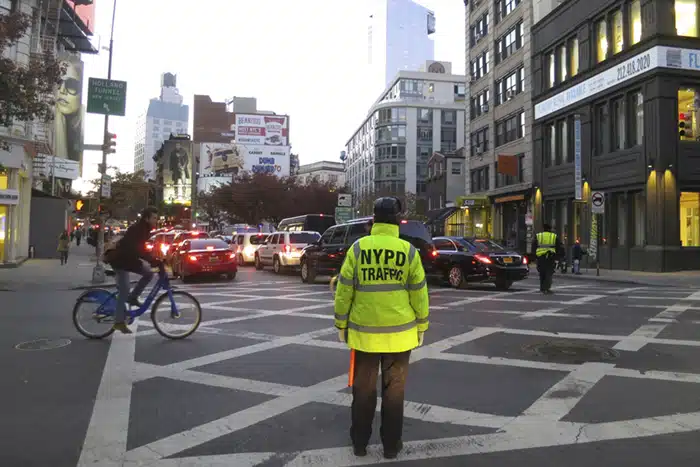
New York City recently became the first U.S. city to implement congestion pricing, a strategy aimed to reduce traffic in congested areas.

One of the most promising ways to reduce methane is altering cows’ diets.
Jimmy Carter is famous for installing solar panels on the White House and shepherding the nation through the oil crises of the 1970s…

While trees die after harvest & take decades to regrow, bamboo stalks can be continually harvested & regenerated without killing the plant.
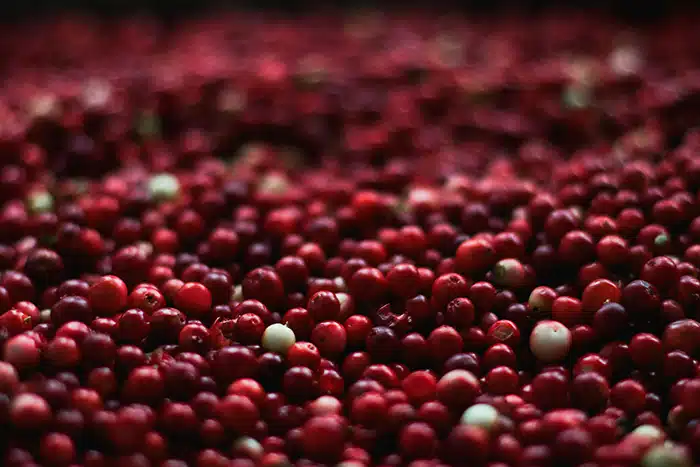
The cranberry industry now faces growing challenges due to climate change, threatening its sustainability and economic viability.
In December 2024, the federal government granted threatened status to the monarch butterfly after a decade of petitioning by green groups.

Many well-known dish soaps contain synthetic chemicals and additives that are harmful, but luckily there are plenty of safer alternatives.