






Community Wind Projects and Co-ops
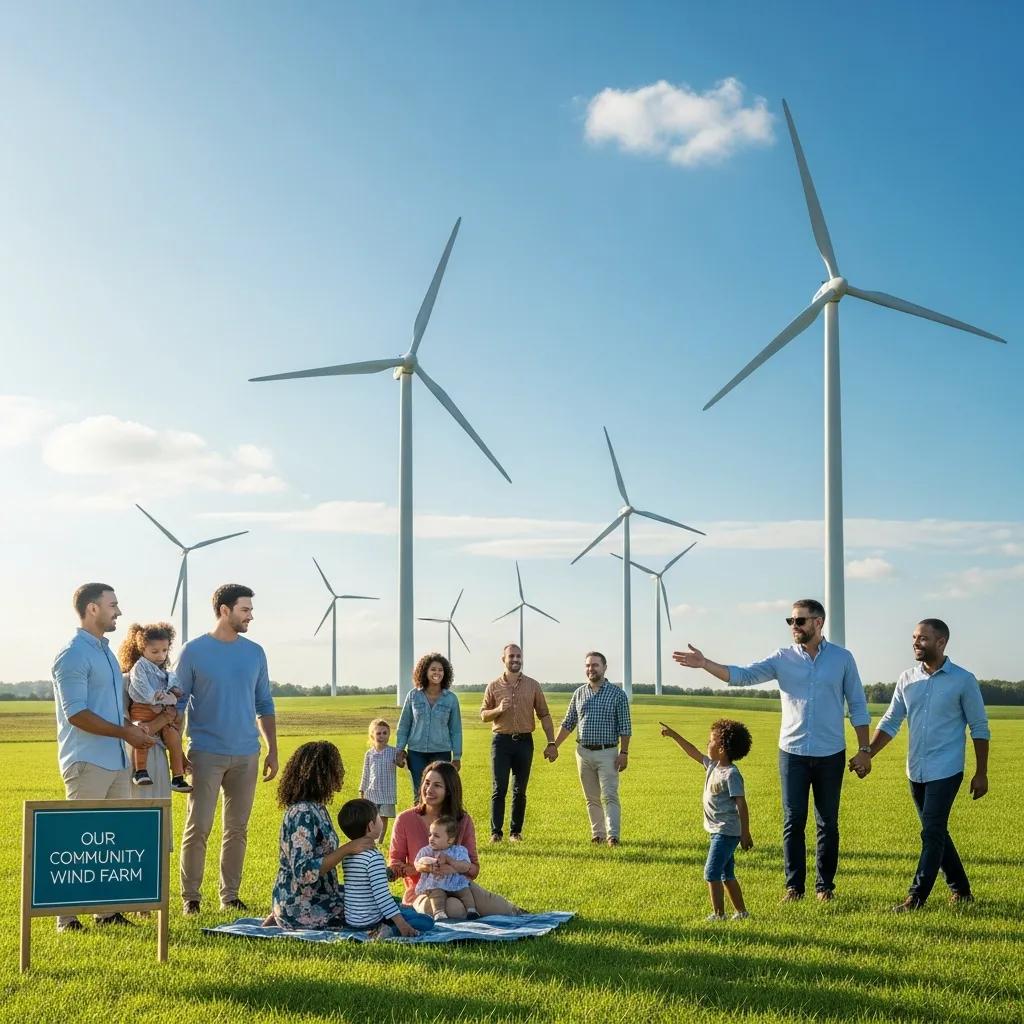
Community Wind Projects & Co-ops: How to Join Local Renewable Energy Ownership and Take Climate Action
Community wind projects and renewable cooperatives give neighbors a direct stake in clean energy. By investing together, local people can produce wind power that lowers bills, cuts carbon, and keeps economic benefits in the community. This guide walks through the advantages, how to participate, and practical steps communities use to start or join wind projects so you can take part in the transition to sustainable energy.
Membership models vary: some co-ops sell shares, others use tiered memberships or community bonds. Projects can range from a single small turbine serving a neighborhood to several turbines feeding local institutions. Before committing, review expected timelines, how benefits are credited (bill offsets or dividends), and any tax or legal considerations that could affect members.
Key Takeaways
- Community wind projects put energy ownership in local hands and cut dependence on fossil fuels.
- They can lower household and community energy costs while improving environmental outcomes.
- Getting involved starts with researching nearby projects and understanding membership rules.
- Effective tactics include attending workshops, campaigning for supportive policies, and building local partnerships.
- Wind co-ops create jobs and retain revenue locally, boosting regional economies.
- Small wind turbines work well for many community sites, offering flexible, lower-impact options.
- Financing often blends grants, loans, and community investment to make projects viable.
- Joining a co-op means learning its mission, meeting members, and committing to shared governance.
Benefits of Community Wind Projects and Co-ops
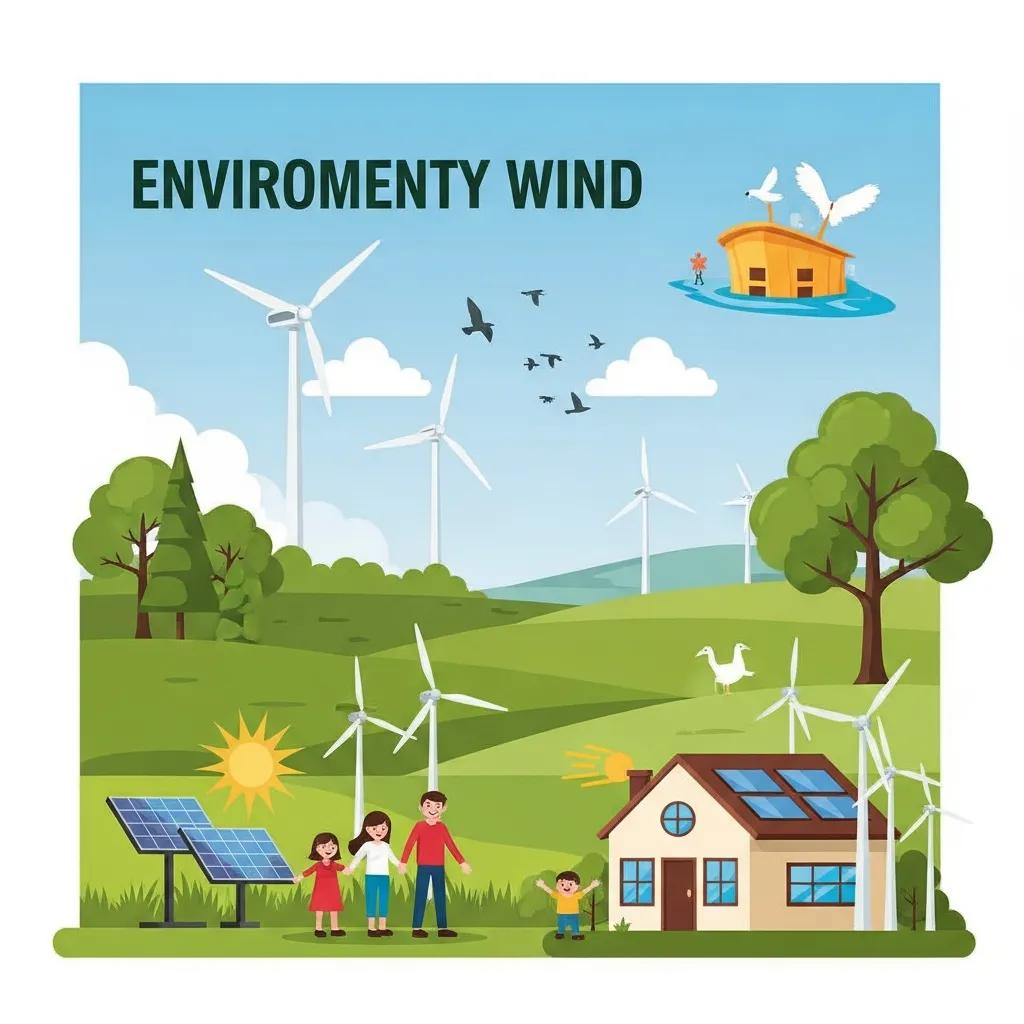
Community-led wind initiatives offer tangible advantages that reach beyond kilowatt-hours.
- Cost savings: Pooling investment and operating costs can lower energy bills for participating households and businesses.
- Environmental benefits: Local wind generation displaces fossil-fuel electricity, cutting greenhouse gas emissions and improving air quality.
- Energy independence: Producing power locally increases resilience and reduces reliance on distant suppliers.
- Stronger communities: Shared ownership builds local pride and cooperation, and encourages long-term stewardship of energy assets.
Together, these benefits strengthen local economies and create replicable models for other towns and regions.
Processes for Participation
Participating in a community wind project follows a few clear steps that help you go from interested neighbor to active member.
- Research local projects: Find existing wind projects or cooperatives nearby, and review their structure, mission, and track record.
- Check eligibility: Confirm membership rules—residency, financial commitments, or other criteria that apply.
- Apply or join: Follow the cooperative’s onboarding process to become a member or investor, and complete any required agreements.
Practical research tips include asking for copies of feasibility studies, reviewing the cooperative’s annual reports or financial summaries, and speaking directly with current members about their experience. Local energy offices, university extension programs, or sustainability nonprofits can often point you to documented project evaluations and regulatory filings that clarify technical and financial expectations.
When checking eligibility, request a clear description of member costs, timelines for capital calls, and how decisions on assessments are made. If you plan to invest, ask whether the cooperative offers different contribution levels, member protections, or refund policies for early exit.
During application, verify how and when benefits are delivered—whether through utility bill credits, direct dividends, or community programs—and how long governance commitments typically last. Clear timelines and sample member agreements help set realistic expectations.
Strategies for Community Involvement
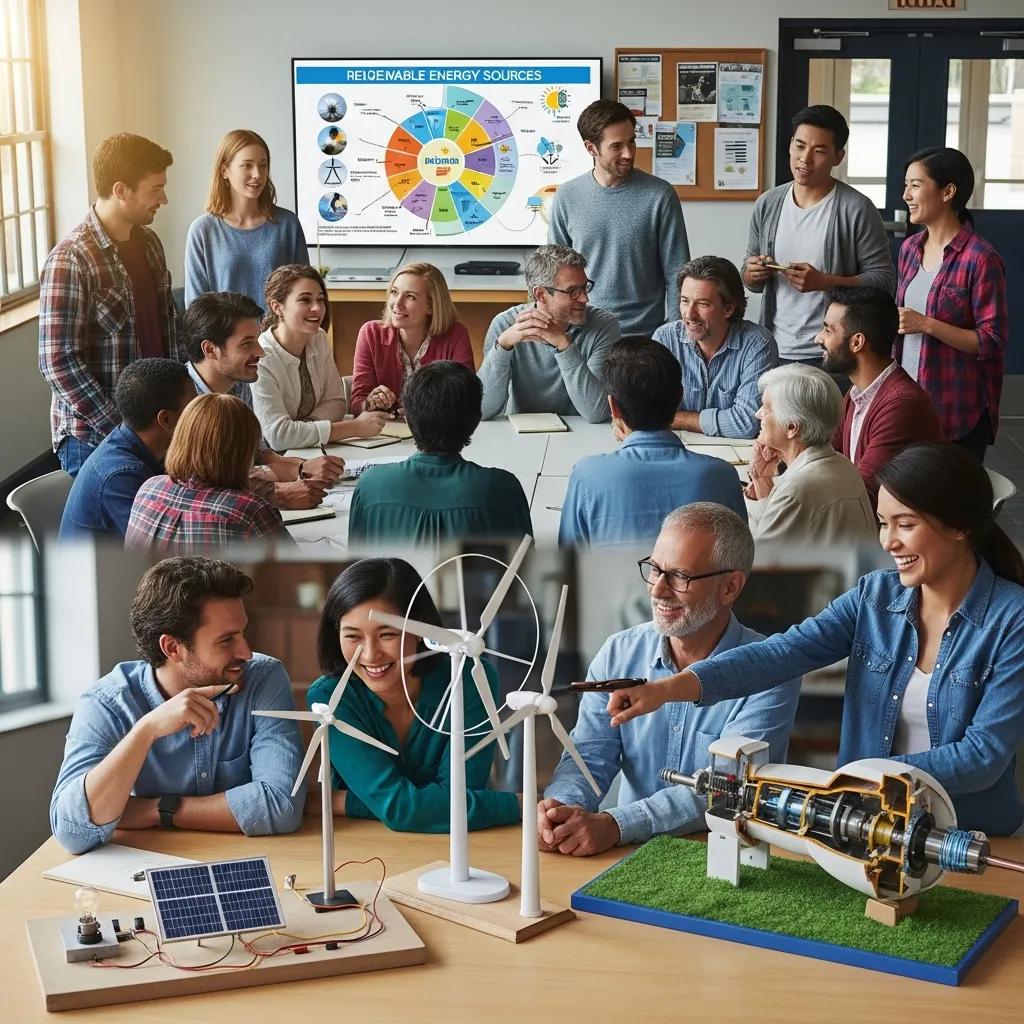
To build momentum and ensure success, communities deploy several practical strategies.
- Attend educational workshops: Learn the basics of wind technology, finance, and governance so you can ask smart questions and make informed decisions.
- Advocate for supportive policy: Work with local officials to streamline permitting, secure incentives, and create a favorable regulatory environment.
- Join local sustainability initiatives: Link wind projects to existing climate or energy programs to broaden support and access shared resources.
- Partner with organizations: Collaborate with nonprofits, universities, or local businesses to amplify skills, outreach, and funding.
Effective outreach combines clear, local messaging with accessible educational formats: town halls, site visits, brief one-page fact sheets, and social media updates. Pilot projects or demonstration turbines can reduce concerns by showing visible benefits on a small scale. Tailor communications to different audiences—landowners, renters, local businesses, and elected officials—to build a broad base of support.
Partnerships are especially valuable for technical capacity and grant-writing. Universities and technical colleges often provide student or faculty support for wind resource assessments, while nonprofits can assist with community engagement and fundraising frameworks.
What Are Community Wind Projects and Renewable Energy Cooperatives?
Community wind projects let local residents invest in and benefit directly from wind power. Renewable energy cooperatives follow a similar model—members pool resources, share costs and revenues, and govern the project democratically.
To further clarify, community wind projects are defined by local ownership and control, which sets them apart from developer-driven, absentee-owned wind farms.
Defining Community Wind & Local Ownership Structures
“Community wind” describes wind projects where local stakeholders hold some or all ownership. Ownership can range from a small local stake to full control by neighbors, farmers, tribes, universities, co-ops, or local businesses. In contrast, an “absentee” project is owned entirely by outside entities, leaving little lasting financial benefit for the surrounding state or community beyond jobs for local technicians, property taxes, and land lease payments.
Beyond clean power, these locally owned projects often generate jobs, keep revenue circulating in the region, and can lower energy costs for participating communities.
What Is the Role of Wind Energy Cooperatives in Local Sustainability?
Wind cooperatives are an important local tool for sustainable development and climate action.
- Support local economies: Cooperatives create manufacturing, installation, and maintenance jobs, and keep profits within the community.
- Reduce fossil-fuel dependence: By replacing grid electricity that relies on fossil fuels, co-ops cut local carbon emissions.
- Foster collaboration: Co-ops build social capital as members work together on shared goals and decisions.
When well-run, wind co-ops are practical mechanisms for both economic and environmental resilience. They can also act as hubs for broader local clean-energy efforts—coordinating storage, efficiency upgrades, or community solar to increase overall impact.
What Are the Environmental and Social Benefits of Community Wind Projects?
Community wind projects deliver measurable environmental and social returns.
- Lower greenhouse gas emissions: Wind generation displaces fossil-fuel generation and reduces a community’s carbon footprint.
- Cleaner air: Less combustion means improved air quality and public health outcomes.
- Local employment: Projects create jobs in construction, operations, and management, supporting regional livelihoods.
These combined benefits make community wind a practical strategy for healthier, more sustainable places to live.
How Do Community Wind Projects Reduce Carbon Emissions Locally?
Local wind projects reduce emissions through direct substitution and by shifting community behavior.
- Replace fossil-fuel generation: Electricity from wind reduces the need for coal, gas, or oil-fired power.
- Create green jobs: Employment in renewables strengthens the local green economy and encourages further clean investments.
- Drive community-wide sustainability: Participation and education make households and businesses more likely to adopt other low-carbon practices.
Combined, these effects produce a clear, local decline in carbon emissions.
In What Ways Do Wind Co-ops Support Local Economies and Sustainability?
Wind cooperatives contribute to both economic stability and environmental goals.
- Job-driven economic development: Construction, operations, and ancillary services create local employment opportunities.
- Stable community income: Revenues and profit-sharing from projects can provide steady returns to cooperative members.
- Stronger civic engagement: Member-led decision-making builds trust and collective capacity for future projects.
These dynamics help communities grow more resilient and self-reliant.
How Do Wind Energy Cooperatives Work: Governance, Membership, and Participation?
Wind co-ops are typically member-owned organizations governed democratically.
- Cooperative ownership: Members jointly own and oversee the cooperative, ensuring decisions reflect local priorities.
- Member benefits & duties: Members often receive lower energy costs or dividends, while committing time or capital to governance.
- Inclusive decision-making: Regular meetings, votes, and committees let members shape operations and long-term strategy.
This model balances shared returns with shared responsibilities.
What Are the Membership Benefits and Responsibilities in Wind Co-ops?
Joining a wind co-op brings both value and expectations.
- Shared cost savings: Members reduce their energy expenses through pooled generation.
- Local economic impact: Participation supports local jobs and keeps profits in the community.
- Civic engagement: Members are expected to take part in meetings, votes, and community outreach.
Understanding both sides helps potential members decide if a co-op is the right fit. Before joining, ask about time commitments for committees, typical meeting frequencies, and any volunteer roles expected of members.
How Is Governance Structured in Renewable Energy Cooperatives?
Co-op governance emphasizes transparency and equal representation.
- One-member, one-vote: Many co-ops follow this principle to ensure fair decision-making regardless of investment size.
- Active member participation: Members attend meetings, elect boards, and serve on committees to influence outcomes.
- Financial obligations: Members may contribute capital or accept assessments to support projects and operations.
These structures keep co-ops accountable and aligned with community interests.
What Types of Small Wind Turbines Are Used in Community Wind Projects?
Community projects often choose smaller turbines suited to local needs and landscapes.
- Small turbine characteristics: Compact, quieter, and easier to site than large utility-scale machines.
- Advantages for communities: Lower visual and environmental impact, simpler permitting, and quicker installation.
- Compared with large turbines: Small systems are more flexible for mixed-use or distributed energy models.
Choosing the right turbine depends on site conditions, energy needs, and community priorities. A local siting study and noise assessment help confirm whether a particular model fits neighborhood expectations and regulatory limits.
How Do Different Small Wind Turbine Models Compare in Capacity and Cost?
Turbine models vary by price, rated capacity, and expected energy output.
- Cost differences: Upfront costs range widely; some models are more budget-friendly for community-scale projects.
- Capacity variations: Rated output affects how much of a community’s electricity needs the turbines can meet.
- Selecting for fit: Communities weigh budget, local wind resources, and energy goals when choosing a model.
A community feasibility study typically evaluates these trade-offs to recommend suitable options and suggests whether combining turbines with storage or efficiency measures will improve project economics.
What Are the Installation and Maintenance Requirements for Small Wind Turbines?
Careful installation and ongoing upkeep are key to reliable turbine performance.
- Installation process: Site assessments, permits, foundation work, and proper siting ensure safety and efficiency.
- Maintenance needs: Regular inspections, lubrication, and occasional part replacements keep turbines operating well.
- Safety protocols: Certified installers and clear safety procedures protect workers and residents during installation and service.
Budgeting for maintenance and following best practices protects the community’s investment. Consider setting aside a dedicated maintenance reserve and negotiating service contracts or training local technicians to reduce long-term costs.
How Can Community Wind Projects Be Financed and Supported?
Funding usually combines public and private sources to spread risk and build local buy-in.
- Funding sources: Grants, low-interest loans, tax incentives, and community equity are common building blocks.
- Grants & incentives: Government programs and foundations often offer startup funding and performance incentives.
- Community investment: Local residents can invest directly, creating stronger ownership and shared returns.
A blended financing approach improves project viability and community support. Early-stage grant funding is often paired with longer-term debt or community bonds, and some cooperatives phase investments so early members help unlock later financing rounds.
How Can Individuals Get Involved in Community Wind Projects and Cooperatives?
There are many practical ways to contribute beyond financial investment.
- Advocate locally: Speak with officials, attend hearings, and push for policies that support community renewables.
- Invest or donate: Provide capital, buy member shares, or contribute to crowdfunding campaigns.
- Volunteer and engage: Help with outreach, education, planning, or governance to move projects forward.
Individuals can also host neighborhood meetings, volunteer for technical or outreach committees, organize fundraising events, or take training to help with site monitoring or maintenance. Small contributions of time or skills are often as valuable as monetary investments during early stages.
Even small actions—sharing information or attending a meeting—can help build the support a project needs.
What Are the Steps to Join an Existing Wind Energy Cooperative?
Joining an established co-op is usually straightforward when you know what to look for.
- Find local co-ops: Search online, contact local government energy offices, or ask community organizations for leads.
- Confirm eligibility: Review membership rules, financial commitments, and any residency requirements.
- Meet members: Attend an information session or member meeting to learn how the co-op operates and to connect with current members.
When you find a co-op, request a member packet that outlines financial expectations, governance bylaws, and sample meeting minutes so you can evaluate transparency and member engagement. Meeting existing members often clarifies how active governance is and what day-to-day involvement typically looks like.
These simple steps help you determine whether a co-op matches your goals and capacity to participate.
How Can Communities Start Their Own Wind Power Projects and Co-ops?
Starting a community wind project takes planning, outreach, and realistic finance and technical assessments.
- Build local support: Conduct outreach, hold public meetings, and gather commitments to demonstrate demand.
- Do feasibility and funding work: Hire experts for wind and site studies and assemble a funding plan using grants, loans, and local investment.
- Plan installation & operations: Choose technology, secure permits, and set up governance and maintenance plans before construction.
Early stages benefit from a clear project timeline and a staged approach: start with community engagement, follow with a technical feasibility study, then assemble financing and procurement plans. Map stakeholders—landowners, utilities, regulators, and potential funders—early so responsibilities and benefits are clear.
Following a structured process increases the chances of a successful, long-lasting project.
What Recent Case Studies and Statistics Highlight the Impact of Community Wind Projects?
Recent analyses and project reports show measurable gains from community wind efforts.
- Carbon reduction statistics: Evaluations demonstrate that community projects have trimmed local emissions where they operate.
- Recent case studies: Projects completed in the past few years highlight practical lessons on financing, siting, and governance.
- Regional comparisons: Comparing outcomes across regions reveals which policies and models deliver the strongest local benefits.
These examples provide useful benchmarks for new communities planning similar initiatives. Case reports often include practical appendices—cost breakdowns, timelines, and sample member agreements—that are helpful templates for new groups.
What Common Questions About Community Wind Projects and Renewable Energy Co-ops?
Clear answers to common questions make it easier for people to decide whether to get involved.
- What is a community wind project?: A locally owned wind installation where residents, businesses, or institutions share costs, generation, and benefits.
- How do wind co-ops operate?: They typically follow democratic governance—members vote on major decisions and share financial outcomes.
- Why participate?: Members gain lower energy costs, local economic benefits, and a direct role in reducing carbon emissions.
Addressing these basics helps potential members move from curiosity to action.
Frequently Asked Questions
What are the eligibility requirements for joining a community wind project?
Requirements vary by co-op. Common criteria include living or operating within the project area, purchasing a membership share or making a financial contribution, and participating in meetings. Some co-ops ask for a minimum age or a commitment to the co-op’s sustainability goals. Always check a specific cooperative’s bylaws or membership materials for exact rules.
It is also useful to ask whether there are waiting lists, probationary membership periods, or graduated membership tiers tied to different benefits or responsibilities.
How can community wind projects impact local job markets?
Community wind projects create jobs in construction, installation, operations, and maintenance. They can also stimulate local supply chains—for example, manufacturing, transport, and local service providers. Over time, these projects can help diversify the local economy and offer longer-term employment in the clean energy sector.
What role do local governments play in supporting community wind projects?
Local governments can shape success by adopting favorable zoning and permitting rules, offering grants or loans, and connecting projects with public land or facilities. They can also help by coordinating community outreach and by integrating projects into broader climate and energy plans.
Some municipalities also provide technical support or act as anchor offtakers for municipal facilities, which can improve project bankability.
What are the common challenges faced by community wind projects?
Common obstacles include raising initial capital, navigating permitting and regulatory requirements, and addressing community concerns about siting and visual impacts. Projects also need strong local leadership and clear governance structures. Transparent communication and early stakeholder engagement are key to overcoming these challenges.
How do community wind projects contribute to energy resilience?
By producing electricity locally, these projects reduce dependence on distant generators and long transmission lines, improving resilience against outages and price spikes. When paired with storage or demand-management programs, community wind can help maintain reliable local power during extreme events.
What financing options are available for community wind projects?
Financing commonly combines grants, low-interest loans, tax incentives, and direct community investment. Some projects use power purchase agreements or lease revenue to attract capital. Crowdfunding and member equity are also effective ways to build both funds and local commitment.
How can individuals advocate for community wind projects in their area?
Start by informing neighbors and local leaders, attending city or county meetings, and presenting clear, evidence-based benefits. Partner with environmental groups, host informational sessions, and collect petitions or letters of support. Building a visible base of local backing makes it easier to secure permits and financing.
Conclusion
Community wind projects and cooperatives give people a practical way to own clean energy, cut costs, and strengthen local economies while lowering carbon emissions. Whether you join an existing co-op, invest, or help start a new project, your involvement can make the local energy transition real. Start by learning about nearby projects, attending a meeting, or talking with local organizers to find the role that fits you best.