



Declining U.S. Bird Populations Worry Environmentalists
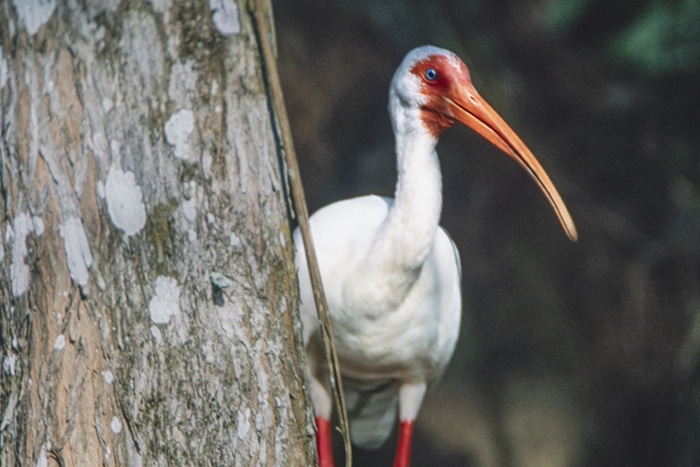
Dear EarthTalk: How are bird populations doing in the U.S. these days and what can we do to help them?
—Jamie Rivers, Des Moines, IA
Bird populations in the United States are facing alarming declines. Since 1970, North America has lost approximately 2.9 billion birds, representing more than one in four of all birds. Birds act as important indicators of ecosystem health, and their decline suggests that habitats, food sources, and environmental conditions are under increasing stress. “The rapid declines in birds signal the intensifying stressors that wildlife and people alike are experiencing around the world because of habitat loss, environmental degradation, and extreme weather events,” said Dr. Amanda Rodewald, faculty director of the Cornell Lab of Ornithology’s Center for Avian Population Studies.
The 2025 U.S. State of the Birds report identifies 229 species in urgent need of conservation action, including 112 “Tipping Point” species that have lost over half their populations in the past 50 years. Even once-stable groups, like waterfowl, are trending downward, while grassland, aridland, and shorebird populations have seen dramatic declines.
Several key factors drive these declines. Habitat loss, from urbanization, agriculture, and deforestation, removes nesting and feeding areas. “Habitat loss due to agricultural intensification and urbanization is arguably the biggest threat to birds, along with climate change,” says Ashley Dayer, an associate professor in the College of Natural Resources and Environment and a Global Change Center affiliated faculty member at Virginia Tech. Pollution, including plastics and pesticides, contaminates food and water sources, often causing direct harm to birds. Climate change shifts migration patterns and breeding cycles, while extreme weather events increase mortality.
The consequences of these declines extend beyond wildlife. Birds provide critical ecosystem services, including pest control, pollination, and seed dispersal. They also enrich human lives through birdwatching, which supports the economy with billions in revenue and over a million jobs. Conserving birds ensures the continued health of ecosystems that sustain agriculture, clean water, and overall environmental balance.
Solutions are available and effective when implemented. Innovations such as PLA plastics made from corn or sugarcane provide sustainable alternatives to petroleum-based plastics. Shade-grown coffee protects forest habitats critical for migratory birds. On a larger scale, habitat restoration, wetland conservation, and strategic conservation partnerships have been proven to boost bird populations when supported consistently.
Individuals also play a vital role in reversing declines. Simple actions, like keeping cats indoors, making windows safer, planting native vegetation, reducing pesticide use, and limiting light and plastic pollution, create safer environments for birds. Participating in citizen science programs such as eBird or Project Feederwatch helps track populations and informs conservation strategies.
Birds unite ecosystems, humans, and wildlife in ways both visible and unseen. Protecting them requires combined efforts from scientists, conservationists, and everyday citizens. By making mindful choices, we can help ensure that future generations continue to experience the wonder of birds.
CONTACTS
- Cornell Lab of Ornithology
- 2025 U.S. State of the Birds Report
- Dr. Amanda Rodewald
- Virginia Tech Global Change Center – Ashley Dayer
- Audubon Society
- eBird
- Project FeederWatch