



DIY Pest Control Hacks: Natural Solutions for Common Household Pests
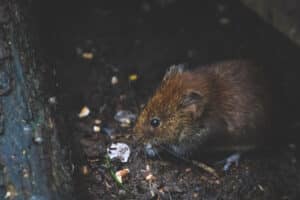 Nobody likes pests. They can be bothersome, gross, and even destructive to your property. While there are a lot of commercial pest control options out there, they often contain harsh chemicals that may not be safe for you or the environment. Luckily, there are many natural DIY solutions for common household pests that are just as effective! Here are some creative ways to keep pests out of your home.
Moths
Moths can be a nuisance in your home, leaving little moth holes in your clothing and other fabrics. Keep them away with some natural DIY pest control hacks. Place dried lavender or cedar chips around infested areas to repel moths; the smell will keep them away. You can also make a DIY moth-repellent spray by mixing equal parts water and white vinegar in a spray bottle, then add 5-10 drops of essential oil such as citronella, eucalyptus, lavender, or peppermint. Spray this around doorways and window frames to keep moths out!
Ants
Ants can be particularly pesky. To keep them away from your home, create a natural barrier by sprinkling some ground cinnamon, chilli powder, or cayenne pepper around the outside of your house. The smell will repel ants and they won’t want to cross it. Alternatively, you can make an ant-repelling spray by combining equal parts water and white vinegar in a spray bottle. Add 5-10 drops of essential oil such as citronella, eucalyptus, or peppermint to the mix, and spritz around doorways and window frames.
Roaches
Cockroaches are one of the most common pests, and they can be difficult to get rid of. But there are a few natural solutions you can try! Start by using boric acid, diatomaceous earth, or neem oil in areas where roaches may enter your home. You can also make a DIY cockroach-repellent spray by combining equal parts water and white vinegar in a spray bottle. Add 5-10 drops of essential oil such as citronella, eucalyptus, or peppermint to the mix and spritz around doorways and window frames.
Bed Bugs
Bed bugs can be a nightmare to get rid of. However, there are natural solutions you can try. Start by washing all beds and clothing in hot water, then drying them on high heat. Vacuum regularly and make sure to check for cracks or crevices that could be harbouring bed bugs. can also make a DIY bed bug repellent spray by combining equal parts water and white vinegar in a spray bottle. Add 5-10 drops of essential oil such as citronella, eucalyptus, or peppermint to the mix and spritz around doorways and window frames.
Mice
Mice can be difficult to trap and even more difficult to keep away. To start, seal any cracks or crevices in your home that could be potential entry points for mice. Place steel wool or caulk around window frames and doorways, as well as areas where pipes or wires enter the house. You can also make a DIY mouse-repellent spray by combining equal parts water and white vinegar in a spray bottle. Add 5-10 drops of essential oil such as citronella, eucalyptus, or peppermint to the mix and spritz around doorways and window frames.
Fleas
Fleas can be notoriously difficult to get rid of. To start, vacuum your home regularly and wash pet bedding in hot water. You can also make a DIY flea-repellent spray by combining equal parts water and white vinegar in a spray bottle. Add 5-10 drops of essential oil such as citronella, eucalyptus, or peppermint to the mix and spritz around doorways and window frames. Additionally, you can sprinkle diatomaceous earth around your home and yard to keep fleas away.
FAQs
Here are some of the most frequently asked questions on DIY pest control hacks:
Are DIY pest control methods effective?
Yes, many natural DIY solutions can be just as effective at keeping pests out of your home as commercial products. Be sure to research the best way to use each method before trying it.
How often do I need to reapply DIY pest repellent?
It depends on the type of product you are using and the severity of your pest infestation. In general, it’s best to reapply any DIY pest repellent every few weeks so for maximum effectiveness.
Are DIY solutions safe to use around my family?
Yes, most DIY pest control methods are safe to use around your family and pets. Be sure to read the safety instructions of any product you are using before applying it.
Are there any precautions I should take when using DIY pest control methods?
Yes. Always wear gloves and a protective mask when handling any pest repellent or insecticide, even if it’s natural. Additionally, be sure to store all products according to the instructions on their labels to avoid accidental exposure. Last but not least, be sure to keep DIY pest control products out of reach of children and pets.
Do I need to call a professional exterminator if DIY solutions don’t work?
If DIY pest control methods are not working, it may be time to call in the professionals. Professional exterminators have access to more powerful products and can help identify any underlying issues that could be contributing to your pest problem. However, be sure to do your research and find a reliable, experienced exterminator before making the call.
Are there any decent pest control companies near me?
Yes, there are many great pest control companies all over the country. To find one near you, search online for your city’s name plus the words “pest control”. You can also ask family and friends for recommendations or check with local business directories such as Angie’s List or Yelp.
Based in the East Midlands? You’ll find some highly-rated companies specializing in pest control in Derby. They can also provide helpful tips on how to prevent future infestations. With the help of a professional, you can help get rid of pesky pests and keep them away for good.
Conclusion
DIY pest control methods can be a great way to keep pests out of your home without resorting to harsh chemicals or other commercial products. With the right knowledge and supplies, you can make DIY repellents and traps that are just as effective at keeping pests away as professional solutions. Be sure to research each method thoroughly before trying it and take necessary precautions to keep your family safe. If DIY solutions fail, be sure to call in an experienced professional for help. With the right know-how and a little effort, you can get rid of pests and keep them away for good.