



E-Commerce’s Responsibility for Sustaining Our Planet
We consumers love e-commerce. After all, we can choose a product, order it, and have it at our doorstep in a matter of hours or just a few days later. And they are all very carefully packaged in Styrofoam and plastic and encased in a sturdy cardboard box.
Until recently, consumers and e-commerce retailers ordered, packaged, and shipped products with an attitude of wild abandon, giving little thought to the heavy environmental impact their practices have.
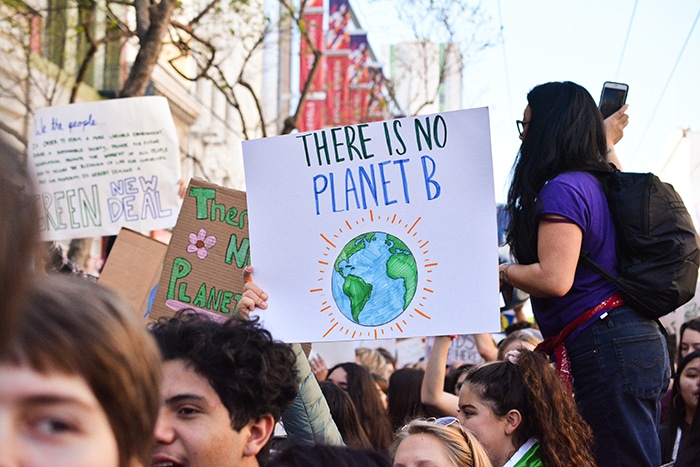
Then along came millennial and Gen Z shoppers – younger people with strong concerns for sustainability, and their demands that e-commerce companies produce products in a way that does not deplete our natural resources. And companies are beginning to respond.
Now, baby boomers may not share the same concerns, but it is up to businesses to rope them into an understanding of what is at stake. If you are a baby boomer who understands, it is up to you to educate your peers as you make connections with them. Let’s suppose you are single and into online dating. Download this app and create a profile and preferences that relate to environmental sustainability. As you begin to connect with other singles from your generation, you can be an ambassador for environmental concerns and get them on board.
An Example of the Response
Most young consumers were not even aware that it took roughly 1,000 gallons of water to produce and maintain one pair of Levi’s jeans. They are much more aware now and in recent years have been hitting Levi’s with demands to change their ways.
The company has responded with what it calls its “water-less” campaign. It has developed educational programs that show farmers of cotton how to grow that cotton using less water. It has found ways to make the actual production in their plants use less water. And it is “educating” consumers, especially in America, that jeans do not have to be washed after each wearing. Europeans do not do this. They hang their jeans outside and let the air take care of any odors, and they use water and soap to remove spots, rather than throw those jeans into the washing machine. On average, Europeans wear a pair of jeans 3-4 times before washing them.
This is just one example. E-commerce retailers are taking on sustainability and promoting their brands with these generations by publicizing their efforts. What follows are some of the steps that these retailers have taken to improve sustainability.
Genuine Support for Sustainability
It’s one thing for a company to state that it supports efforts to reduce carbon footprints. It’s quite another to put their money where their mouth is. When e-commerce retailers actually donate a percentage of each purchase to environmental organizations, and they name those organizations, consumers are impressed.
Packaging
There are a number of steps e-commerce companies can take in the area of packaging. They can use recycled paper and cardboard; they can encourage their customers to put all paper and cardboard into recycle bins as opposed to their regular trash that ends up in landfills never to be used again.
Reducing the size of packages, especially on the part of the “big boys.” Traditionally, products are shipped in boxes much larger than necessary, even when not necessary at all. Here’s a great example. Wayfair, a company that offers products from a variety of outside sellers, receives many of those products already packaged. Instead of dropping that product into a larger box for shipment, it prints out a mailing label and sends in that original box – such a simple solution.
Giving Back
Companies are also finding ways to give back a part of their profits to environmental projects and causes. These range from supporting organizations that protect endangered species and coral reefs to planting a tree for each purchase that must be boxed for shipment. These small things, multiplied over time, appeal to today’s younger consumers.
Added Fees
Most companies charge extra for expedited shipping. These costs are to offset the expense they bear for rapid shipping. Adding an additional fee because of the impact of rapid shipping on the environment seems reasonable and is something that e-commerce retailers should all consider. Those who contribute to environmental damage should pay for that.
Offering Used and “Rebuilt” Products
There has been an explosion of e-commerce websites that provide individual consumers the opportunity to sell their used items to other consumers. What a grand idea. More and more, large retailers are offering used and rebuilt products to consumers at good prices.
Some e-commerce websites even have a section dedicated to consumers of their products who now want to sell them to others. Patagonia is a good example of this practice. Small efforts with a large sustainability return if everyone would do this.
Reduce Energy Costs of Running Your Business
All businesses, large, medium, or large can reduce their carbon footprints by reducing their internal energy costs. You may only have an office; you may have a warehouse or distribution center. There are plenty of things you can do. Invest in low-energy lighting; lower the temperatures in the winter and increase them in the summer. Give your employees greater flexibility in what they wear to work to keep themselves comfortable. Invest in solar if you can afford it.
Tell your customers what you are doing to reduce your business costs and support sustainability. It’s a good marketing tool.
We Can No Longer Wait
We are fast approaching a point of no return on climate change and environmental damage that cannot be reversed. And all of us have a role to play in halting and even reversing this damage. As an e-commerce business owner, you have a responsibility to commit to doing your part. The benefit to you is greater satisfaction on the part of your customers and the greater satisfaction that you are doing what you can for sustainability.