



Eco-Friendly Pest Control Solutions for Homes in 2024
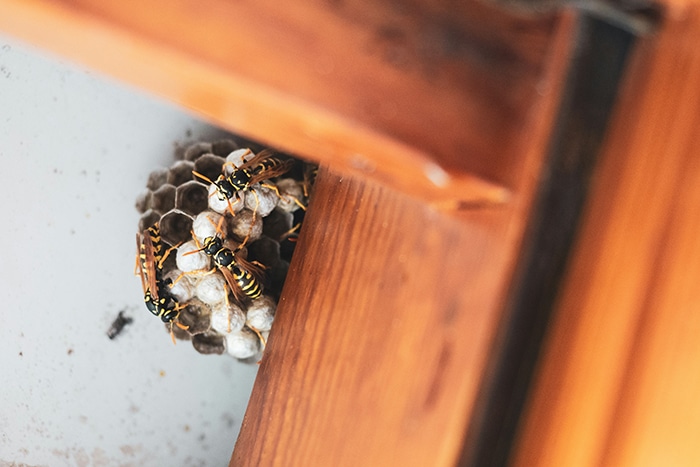
Homeowners are increasingly seeking sustainable ways to manage pest infestations without harming the environment. Eco-friendly pest control prioritizes our planet’s health and ensures the safety of families and pets.
Traditional methods often involve harsh chemicals that can have lasting impacts on ecosystems, whereas green alternatives focus on natural solutions that are both effective and non-toxic.
Eco-friendly pest control is vital to maintaining a healthy home environment. The demand for sustainable solutions is growing, with the U.S. professional pest control market valued at approximately $24.9 billion in 2023.
Integrating eco-friendly practices into pest management strategies can massively enhance the overall quality of life in residential spaces. Homeowners can effectively address pest issues by utilizing natural repellents, traps, and biological controls while promoting a healthier living environment.
This guide explores sustainable methods that manage pests without harming the ecosystem, offering practical tips for homeowners.
Understanding Eco-Friendly Pest Control
With 92% of homeowners today seeking more eco-friendly options, the demand for sustainability continues to rise, and understanding pest control is crucial. Eco-friendly pest management focuses on natural and non-toxic methods that protect families and the environment.
Homeowners can effectively combat pests by selecting natural repellents, traps, and biological controls while ensuring a healthier home. This strategy not only addresses immediate pest issues but also contributes to the long-term well-being of the ecosystem.
Principles of eco-friendly pest control
- Integrated pest management (IPM): This approach combines various strategies, including biological, cultural, physical, and, when necessary, chemical methods, to manage pests sustainably. By focusing on long-term prevention and using the least harmful options available, IPM aims to reduce pest populations to acceptable levels while minimizing risks to human health and the environment.
- Use of natural predators: Encouraging the presence of natural predators, such as birds or ladybugs, can be a clever way to control pest populations. By establishing a welcoming habitat for these beneficial organisms, homeowners can reduce the need for chemical interventions and promote a balanced ecosystem.
- Organic pesticides: Utilizing non-toxic, biodegradable pesticides derived from natural sources helps manage pests without the adverse effects of synthetic chemicals. These organic solutions effectively target specific pests while protecting humans, pets, and beneficial insects, supporting a healthier environment.
- Cultural practices: Implementing sustainable gardening practices, such as crop rotation, proper sanitation, and selective planting, can help prevent pest infestations. These methods focus on enhancing plant health and resilience, making them less susceptible to attacks by harmful insects.
- Physical barriers: Physical barriers, such as nets, traps, or row covers, can keep pests away from plants or living areas. This non-invasive technique allows pest management without chemical applications, maintaining the environment’s integrity.
Benefits of eco-friendly pest control
- Reduced chemical exposure: Eco-friendly pest control methods significantly lower the risk of harmful chemicals infiltrating the home environment. By avoiding synthetic pesticides, homeowners protect themselves, their families, and pets from potential health hazards linked to chemical exposure.
- Environmental conservation: By opting for sustainable pest management practices, homeowners contribute to the health of local ecosystems and biodiversity. Eco-friendly approaches help maintain the balance of nature, ensuring that beneficial insects and wildlife are not harmed.
- Long-term effectiveness: Sustainable pest control methods focus on eliminating the root causes of infestations rather than just treating symptoms. This proactive approach results in enduring solutions that effectively manage pest populations over time, reducing the likelihood of future outbreaks.
- Cost-effectiveness: Many eco-friendly pest control solutions can be less expensive in the long run than traditional methods. Using natural ingredients for pest management and implementing practices such as companion planting or crop rotation can save homeowners money on commercial pesticides and damage repairs.
- Healthier living environment: Eco-friendly pest control practices promote a cleaner and safer home atmosphere. By reducing reliance on harsh chemicals, families can reap the rewards of more pleasant living spaces, free from the odors and residues associated with synthetic pest control products and improved air quality.
Innovative Techniques in Eco-Friendly Pest Control
Innovative techniques in eco-friendly pest control focus on sustainable practices that effectively manage pest populations while protecting the environment. Methods like companion planting, natural repellents, and the use of biological controls contribute to healthier homes, reduce chemical exposure, and maintain balanced ecosystems, ultimately fostering a safer and more sustainable living environment.
Biological control methods
Biological control methods utilize natural predators and parasites to manage pest populations, minimizing chemical use. Homeowners can reduce infestations by introducing organisms that prey on harmful pests while supporting ecological balance.
This sustainable approach fosters healthier environments, promoting biodiversity and reducing reliance on synthetic pesticides.
Physical and mechanical controls
Physical and mechanical controls involve tools and techniques for preventing pests from accessing homes and gardens. Methods like sticky traps, fences, and manual removal effectively decrease pest populations without chemicals, promoting sustainable practices that preserve environmental health while ensuring safety for families and pets.
Advanced monitoring systems
Advanced monitoring systems enhance eco-friendly pest control by providing real-time data on pest populations and environmental conditions. Utilizing technologies such as smart traps, sensors, and mobile apps, these systems allow homeowners to track pest activity, enabling timely interventions that are both effective and minimally invasive to the ecosystem.
Community involvement and education
Engaging the community in eco-friendly pest control practices fosters a culture of sustainability and awareness. Workshops, seminars, and community gardens serve as platforms to educate individuals on effective, environmentally sound pest management techniques, promoting collective efforts to reduce chemical reliance and enhance biodiversity in urban settings.
Image by Muhammad Daudy on Unsplash
Customized Solutions for Residential and Commercial Properties
Customized pest control solutions are designed to meet the needs of residential and commercial properties. By assessing specific environments and pest challenges, experts can design tailored strategies that effectively manage infestations while prioritizing safety and sustainability.
This tailored approach ensures that the most appropriate methods, biological controls, or physical barriers are employed to meet each property’s requirements.
Moreover, these solutions address existing implementation and measure the likelihood of future outbreaks. Property owners can foster healthier living and working environments that align with their eco-friendly goals by focusing on integrated pest management and utilizing innovative techniques.
Residential pest control solutions
Effective residential pest control solutions prioritize the health and safety of families while mitigating pest problems. Homeowners can implement integrated pest management strategies that combine biological controls, cultural practices, and physical barriers to create an environment that is less inviting to pests and more beneficial for residents.
Natural repellents like neem and essential oils can deter unwanted insects without harming beneficial species. Additionally, regularly maintaining landscape hygiene—such as removing debris and ensuring proper waste disposal—further minimizes attractive hiding spots for pests, fostering a safer home environment.
Lastly, involving professional pest control services ensures that tailored strategies are deployed, addressing each home’s unique challenges. Property owners can achieve effective, long-term pest management solutions through advanced monitoring systems or customized eco-friendly methods.
Commercial pest control solutions
Implementing eco-friendly pest control solutions in commercial properties is vital for keeping a healthy and safe environment for employees and customers. Businesses can benefit from integrated pest management strategies utilizing natural deterrents and physical barriers.
A bespoke approach can assess unique pest challenges and effectively mitigate infestations while reducing chemical exposure, contributing to workplace safety.
Moreover, regular maintenance and monitoring are essential to prevent potential pest issues. Utilizing advanced technologies such as smart traps and environmental sensors can enhance monitoring efforts, ensuring timely interventions that align with eco-friendly practices.
This proactive approach preserves the company’s reputation and fosters a commitment to sustainability.
Practical Tips for Implementing Eco-Friendly Pest Control
Implementing eco-friendly pest control is essential for residential and commercial spaces, prioritizing a safe environment while effectively managing infestations. Property owners can minimize chemical exposure and contribute to ecological balance by employing sustainable practices.
Here are some practical tips and innovative strategies that make it easier to adopt eco-friendly approaches. From natural repellents to advanced monitoring systems, these methods safeguard health and enhance the overall quality of living and working spaces.
Preventative measures
Employing preventative measures is vital for effective eco-friendly pest control. Regularly maintaining landscape hygiene, such as removing debris and ensuring proper waste disposal, can deter pests.
Natural remedies
Natural remedies are effective, eco-friendly pest control methods. These include essential oils, diatomaceous earth, and homemade sprays. These substances deter pests without harming beneficial insects, providing a sustainable solution.
Regular maintenance
Consistent maintenance is essential for eco-friendly pest control. Regularly inspect and clean properties, addressing potential weaknesses that attract pests.
Community engagement and awareness
Fostering community engagement is crucial in fighting pests while promoting eco-friendly practices. By involving residents in educational initiatives, discussions, and hands-on activities, communities can cultivate a shared responsibility for pest management.
Collaboration with local governments
Collaboration between pest control providers and local governments can enhance the effectiveness of eco-friendly pest management programs. By establishing guidelines and policies that encourage sustainable practices, municipalities can provide resources and support for community initiatives.
Ensuring a Greener and Healthier Living Space
Eco-friendly pest control is essential for a sustainable future. By adopting these methods, homeowners can protect their property and the environment. Embrace these practices to create a healthier, greener living space in 2024.