



Eco-Friendly Tips for Home Remodeling Projects
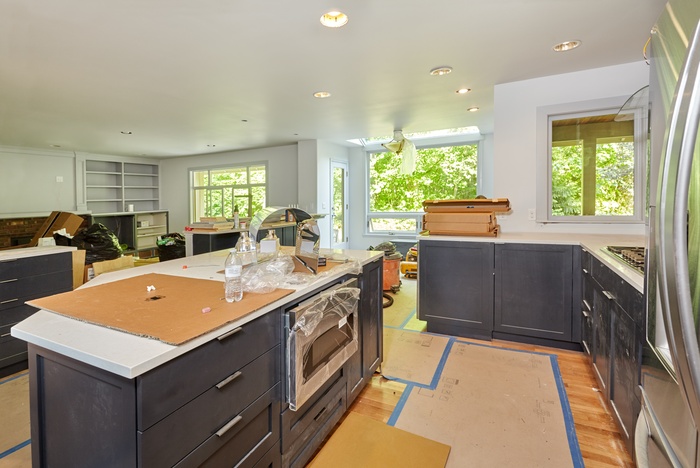
Home remodeling offers a chance to shape a living space that reflects care for comfort and environmental responsibility. Many homeowners seek methods that reduce waste, conserve energy, and support healthier indoor conditions without sacrificing style or function. Sustainable practices can align with financial goals as well, since efficient design choices often reduce utility costs and extend material lifespan.
A thoughtful approach to remodeling begins with awareness of energy use and long-term impact on the environment. Each decision, from flooring to insulation, can contribute to a more sustainable home that supports personal well-being and ecological balance. These eco-friendly tips for home remodeling projects will help you create a unique space while maintaining a refined and functional design.
Choose Sustainable Materials
Sustainable materials reduce environmental strain and support responsible resource use during renovation projects. Options such as reclaimed wood, bamboo, and recycled metal provide durability while lowering demand for newly harvested resources. These materials often feature unique textures that enhance visual appeal while reinforcing a commitment to environmental stewardship.
Careful sourcing also ensures that materials meet ethical production standards and minimize harmful emissions. Certifications such as FSC or GREENGUARD help verify responsible manufacturing and safe indoor air quality. Selecting these materials allows homeowners to build spaces that reflect aesthetic goals and environmental values.
Improve Energy Efficiency
Energy efficiency stands as a key aspect of eco-friendly remodeling that reduces household consumption and environmental impact. Upgraded insulation, energy-efficient windows, and sealed air gaps help maintain stable indoor temperatures throughout the year. These changes reduce reliance on heating and cooling systems while lowering monthly utility expenses.
Appliance upgrades also contribute to improved efficiency within remodeled spaces. Modern energy-rated appliances consume less power while maintaining strong performance across daily tasks. Thoughtful placement of lighting and natural light sources further enhances efficiency and creates a more comfortable interior environment.
Use Low Impact Paints
Paint selection plays an important role in maintaining indoor air quality during and after renovation. Low VOC or zero VOC paints reduce harmful emissions and create safer conditions for occupants. These options also provide a wide range of colors that support creative design without environmental compromise.
Application techniques can also influence overall impact during painting projects. Proper ventilation and efficient use of materials reduce waste and improve results. Choosing eco-friendly paints ensures that updated spaces remain healthy and visually appealing for many years.
Install Water Saving Fixtures
Water conservation remains a central goal for environmentally responsible home remodeling projects. Low-flow faucets and dual flush toilets reduce water use without affecting daily comfort or functionality. These fixtures help preserve valuable resources while lowering water bills over time.
Proper installation ensures that these fixtures perform efficiently and maintain long-term reliability. Routine maintenance also prevents leaks and supports consistent performance across all systems. A focus on water efficiency creates a balanced approach that benefits homeowners and the environment.
Optimize Natural Light
Natural light reduces dependence on artificial lighting and enhances overall comfort within a remodeled home. Larger windows, skylights, and reflective surfaces help distribute sunlight throughout interior spaces. This approach supports energy savings while creating a warm and inviting atmosphere.
Strategic placement of windows and mirrors improves light flow across different rooms. Open layouts further allow sunlight to travel freely across shared spaces. A well-planned lighting design improves mood and elevates the overall aesthetic of the home.
Select Eco-Friendly Flooring
Flooring choices can significantly influence environmental impact and indoor comfort within a remodeled home. Materials such as cork, bamboo, and reclaimed hardwood offer durability and sustainability without sacrificing style. These options also provide natural textures that enhance visual appeal and support lasting performance.
With this guide to choosing flooring for a kitchen remodel, you can select the best materials that align with environmental values and practical needs. Careful evaluation of durability and sourcing ensures that flooring remains functional and eco-conscious. Thoughtful selection creates a strong foundation that supports design goals and responsible living.
Reduce Construction Waste
Construction waste often contributes to landfill growth during remodeling projects, yet careful planning can reduce this impact. Reuse of existing materials and recycling programs help divert waste from disposal sites. These practices also lower project costs and support community resource sharing.
Efficient project management minimizes waste during renovation work. Accurate measurements and material planning prevent excess purchases and unnecessary disposal. A structured approach ensures that resources remain in use and environmental impact stays limited.
Incorporate Smart Technology
Smart home technology enhances efficiency and supports eco-friendly living within remodeled spaces. Devices such as programmable thermostats and energy monitoring systems provide control over household energy use. These tools help homeowners adjust consumption patterns and reduce unnecessary waste.
Integration of smart systems also improves convenience and comfort throughout the home. Automated lighting and climate control respond to daily routines and optimize resource use. This combination of technology and sustainability creates a modern and efficient living environment.
Improve Indoor Air Quality
Indoor air quality affects overall health and comfort within a remodeled home. Use of non-toxic materials, proper ventilation, and air filtration systems helps maintain clean air conditions. These measures reduce exposure to pollutants and create a healthier living space.
Regular maintenance of HVAC systems also supports consistent air quality over time. Clean filters and proper airflow prevent the buildup of dust and allergens within the home. A focus on air quality ensures that eco-friendly remodeling benefits the environment and occupant well-being.
Plan for Longevity
Durability remains an essential factor in sustainable remodeling, as lasting materials reduce the need for frequent replacement. High-quality construction methods ensure that renovated spaces maintain performance and appearance over extended periods. This approach reduces resource use and supports cost efficiency.
Design flexibility also contributes to longevity within a home. Adaptable layouts allow spaces to meet changing needs without major renovation. A forward-thinking plan ensures that the home remains functional and environmentally responsible for many years.
Support Local Resources
Local sourcing reduces transportation impact and supports community economies during remodeling projects. Materials obtained from nearby suppliers often require less energy for delivery and distribution. This choice also promotes regional craftsmanship and strengthens local industries.
Working with local professionals ensures better communication and project coordination. These experts understand regional conditions and recommend suitable materials and methods. A focus on local resources creates a balanced approach that benefits the environment and the surrounding community.
These eco-friendly home remodeling tips offer a meaningful way to improve living spaces while reducing environmental impact. Each decision, from material selection to energy efficiency, contributes to a more sustainable and comfortable home. Thoughtful planning ensures that design goals align with responsible practices that support long-term benefits.
With these strategies, homeowners can create spaces that reflect personal style and environmental awareness. Sustainable remodeling does not require sacrifice but rather encourages smarter choices that enhance quality and efficiency. A well-designed approach results in a home that supports modern living and ecological responsibility.