






Greenhouse Gases: Sources and Solutions
Greenhouse Gases: Sources and Solutions for Effective Climate Change Mitigation
By Roddy Scheer, E — The Environmental Magazine
Greenhouse gases (GHGs) are critical components of our atmosphere that trap heat and contribute to global warming. Understanding their sources and impacts is essential for developing effective climate change mitigation strategies. This article will explore the main types of greenhouse gases, their contributions to climate change, and the solutions available to reduce their emissions. As the world grapples with the consequences of climate change, identifying effective strategies to mitigate GHG emissions becomes increasingly urgent. We will delve into the characteristics of various greenhouse gases, their primary sources, and the innovative technologies and practices that can help reduce their impact.
What Are the Main Types of Greenhouse Gases and Their Climate Impact?
Greenhouse gases can be categorized into several types, each with distinct sources and climate impacts. Understanding these gases is crucial for effective climate action.
Carbon Dioxide (CO2)
Carbon dioxide (CO2) is the most prevalent greenhouse gas, primarily produced through the burning of fossil fuels, deforestation, and various industrial processes. Its long-term climate impact is significant, as CO2 can remain in the atmosphere for centuries, contributing to the greenhouse effect and global warming. Monitoring CO2 levels is essential for assessing climate change and implementing effective mitigation strategies.
Methane (CH4)
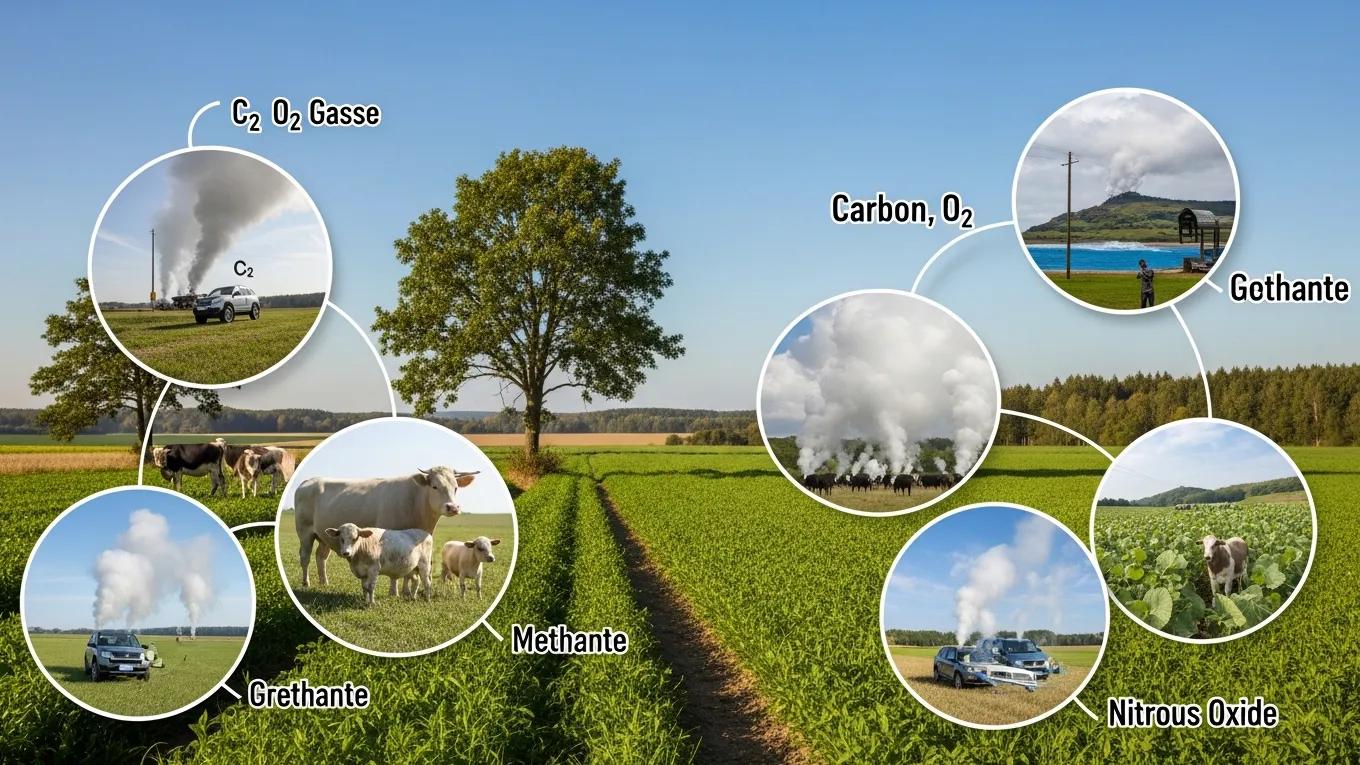
Methane (CH4) is a potent greenhouse gas with a much higher heat-trapping ability than CO2, albeit for a shorter duration in the atmosphere. Major sources of methane emissions include agriculture (especially livestock), landfills, and natural gas production. Reducing methane emissions is critical for achieving short-term climate goals, as it can significantly impact global warming in the near term.
Nitrous Oxide (N2O)
Nitrous oxide (N2O) is another significant greenhouse gas, primarily emitted from agricultural activities, particularly the use of synthetic fertilizers. Its climate impact is substantial, as it has a global warming potential approximately 298 times greater than CO2 over a 100-year period. Mitigation strategies for N2O emissions often focus on improving agricultural practices and reducing fertilizer use.
Fluorinated Gases
Fluorinated gases are synthetic gases used in various industrial applications, including refrigeration and air conditioning. These gases, while present in smaller quantities, have a very high global warming potential. Regulatory measures are essential to control their emissions and minimize their impact on climate change.
Black Carbon
Black carbon, a component of particulate matter, is produced from incomplete combustion of fossil fuels and biomass. It contributes to climate change by absorbing sunlight and warming the atmosphere. Reducing black carbon emissions can have immediate benefits for climate and air quality, making it a target for mitigation efforts.
How Do Carbon Dioxide and Methane Contribute to Global Warming?
Carbon dioxide and methane play crucial roles in global warming through their greenhouse gas effects. CO2 contributes to the greenhouse effect by trapping heat in the atmosphere, leading to rising global temperatures. Methane, while less abundant, is significantly more effective at trapping heat, making it a critical target for climate change mitigation. Addressing both gases is essential for comprehensive climate action.
What Are the Characteristics of Nitrous Oxide and Fluorinated Gases?
Nitrous oxide and fluorinated gases have unique characteristics that contribute to their climate impact. Nitrous oxide is a long-lived gas with a high global warming potential, primarily emitted from agricultural practices. Fluorinated gases, on the other hand, are synthetic and can remain in the atmosphere for extended periods, making their regulation vital for climate change mitigation.
What Are the Primary Sources of Greenhouse Gas Emissions?
The primary sources of greenhouse gas emissions include energy production, transportation, and agriculture. Each sector contributes significantly to the overall emissions profile, necessitating targeted strategies for reduction.
How Does Transportation Contribute to Greenhouse Gas Emissions?

Transportation is a major contributor to greenhouse gas emissions, primarily through the combustion of fossil fuels in vehicles. Personal vehicles, freight transport, and aviation all contribute to the emissions profile. Mitigation strategies include promoting public transportation, electric vehicles, and alternative fuels to reduce the carbon footprint of the transportation sector.
What Roles Do Agriculture, Industry, and Deforestation Play in Emission Levels?
Agriculture, industry, and deforestation are significant contributors to greenhouse gas emissions. Agricultural practices, particularly livestock production and fertilizer use, release substantial amounts of methane and nitrous oxide. Industrial processes often involve the combustion of fossil fuels, while deforestation contributes to CO2 emissions by reducing the number of trees that can absorb carbon. Addressing these sectors is crucial for effective climate change mitigation.
Which Strategies Effectively Reduce Methane Emissions?
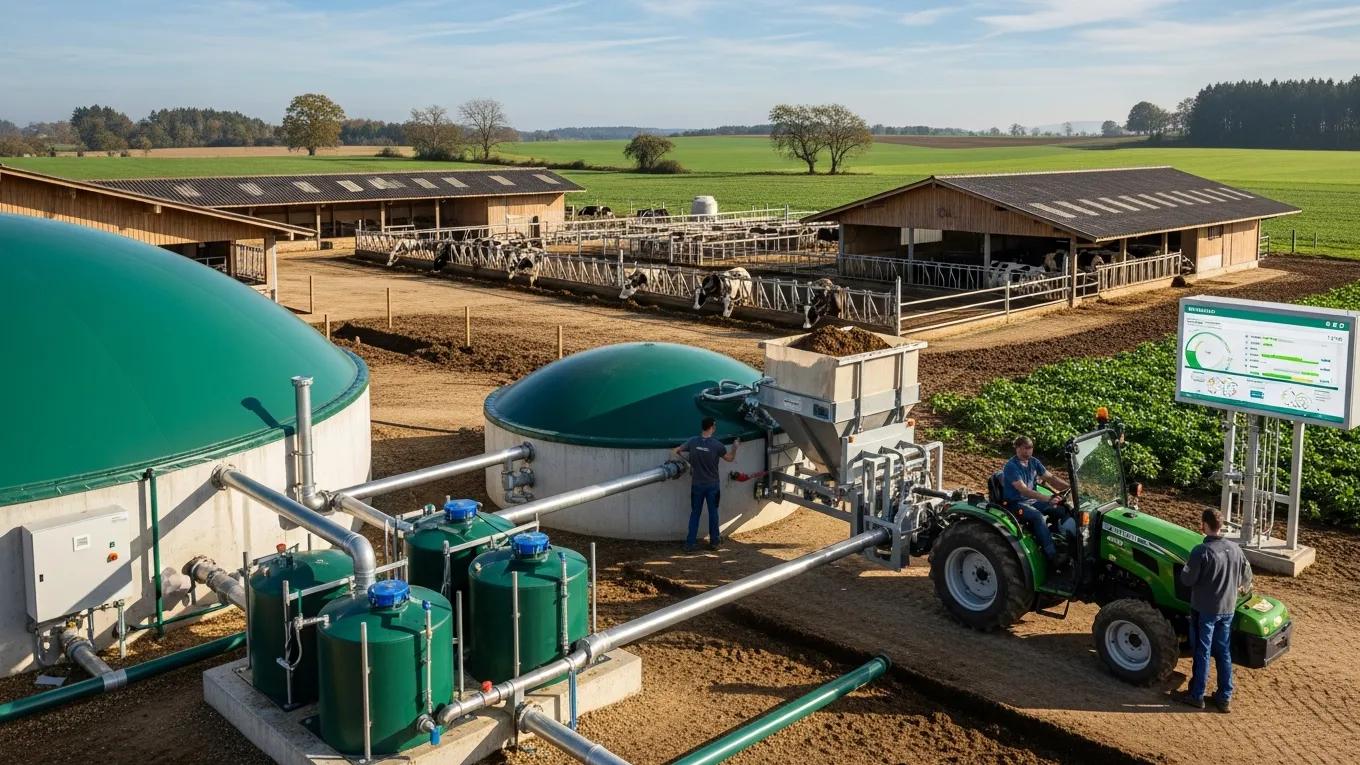
Several strategies can effectively reduce methane emissions, particularly in agriculture and waste management. These include:
- Improved Agricultural Practices: Implementing better manure management and optimizing fertilizer use can significantly lower methane emissions from livestock and crops.
Indeed, sustainable agricultural practices are key to mitigating greenhouse gas emissions, as highlighted by recent research.
Sustainable Agriculture for GHG Emission Mitigation
Unsustainable farming methods and excessive input use contribute greenhouse gas (GHG) emissions, while sustainable agricultural practices offer immense potential to mitigate these.
CH4 mitigation potentials from
China landfills and related environmental co-benefits, Z Lou, 2018
- Fossil Fuel Systems: Enhancing leak detection and repair in natural gas systems can prevent methane from escaping into the atmosphere.
- Waste Management: Implementing organic waste management practices, such as composting and anaerobic digestion, can reduce methane emissions from landfills.
What Technologies and Practices Capture Methane in Agriculture?
Technologies for capturing methane in agriculture include biodigesters, which convert organic waste into biogas, and improved manure management systems. These practices not only reduce methane emissions but also provide renewable energy sources, contributing to sustainability in agricultural operations.
How Can Methane Emissions Be Reduced in Waste Management and Energy Sectors?
Reducing methane emissions in waste management and energy sectors involves several strategies:
- Organic Waste Management: Implementing composting and anaerobic digestion can significantly reduce methane emissions from landfills.
Specifically, effective waste management strategies, such as those for landfills, are crucial for reducing methane output.
Landfill Methane Mitigation Strategies
landfill gas collection and flaring system is the most promising mitigation measure, biological treatment and mineral landfill also contribute substantially to CH 4 reduction.
CH4 mitigation potentials from
China landfills and related environmental co-benefits, Z Lou, 2018
- Energy Efficiency: Improving energy efficiency in industrial processes can lower overall emissions, including methane.
- Policy Measures: Enforcing regulations and incentives for reducing methane emissions can drive significant changes in both sectors.
How Does Carbon Dioxide Impact Climate Change and What Are Reduction Methods?
Carbon dioxide significantly impacts climate change by enhancing the greenhouse effect. Its long atmospheric lifetime means that even small increases in CO2 levels can have lasting effects on global temperatures. Reduction methods include transitioning to renewable energy sources, improving energy efficiency, and implementing carbon capture technologies.
What Is the Role of Carbon Capture and Renewable Energy in CO2 Mitigation?
Carbon capture technologies play a vital role in mitigating CO2 emissions by capturing carbon dioxide from industrial processes and storing it underground. Coupled with renewable energy sources, such as wind and solar, these technologies can significantly reduce the carbon footprint of energy production and help achieve climate goals.
The importance of these technologies is further emphasized by ongoing efforts to achieve net-zero emissions across various industrial sectors.
Carbon Capture Technologies for Industrial GHG Reduction
Various industries around the world recognize the importance of achieving Net Zero Greenhouse Gases (GHG) emission by 2050. Industrial processes have been attributed to the increase in CO2concentrations causing climate change. As the rate of emissions continues to increase, there becomes a pressing need to adopt new technologies that allow for a real shift towards emission reduction. In this paper, Carbon Capture (CC) technologies are explored and reviewed across various industries namely: cement, steel, ethanol and powerplants.
Review of carbon capture and storage technologies in selected industries: potentials and challenges, N Bahman, 2023
How Can Lifestyle Changes Contribute to Carbon Footprint Reduction?
Individuals can contribute to carbon footprint reduction through various lifestyle changes, including:
- Sustainable Transportation: Opting for public transport, biking, or walking can significantly lower personal emissions.
- Energy Efficiency: Implementing energy-saving practices at home, such as using energy-efficient appliances, can reduce overall energy consumption.
- Dietary Changes: Reducing meat consumption and choosing locally sourced foods can lower the carbon footprint associated with food production.
What Are Comprehensive Climate Change Mitigation Strategies and Global Policies?
Comprehensive climate change mitigation strategies involve a combination of international agreements, national policies, and local actions. These strategies aim to reduce greenhouse gas emissions across all sectors and promote sustainable practices.
How Do International Agreements Support Greenhouse Gas Reduction?
International agreements, such as the Paris Agreement, play a crucial role in supporting greenhouse gas reduction efforts. These agreements establish targets for emissions reductions and promote global cooperation in addressing climate change. Nationally Determined Contributions (NDCs) outline specific commitments by countries to reduce their emissions, fostering accountability and progress.
What Are Emerging Technologies and Innovations in Climate Action?
Emerging technologies and innovations in climate action include advancements in renewable energy, carbon capture and storage, and sustainable agricultural practices. These innovations hold the potential to significantly reduce greenhouse gas emissions and enhance resilience to climate change impacts.