






How Climate Change Disproportionately Affects Marginalized Communities: Key Environmental Justice Concerns
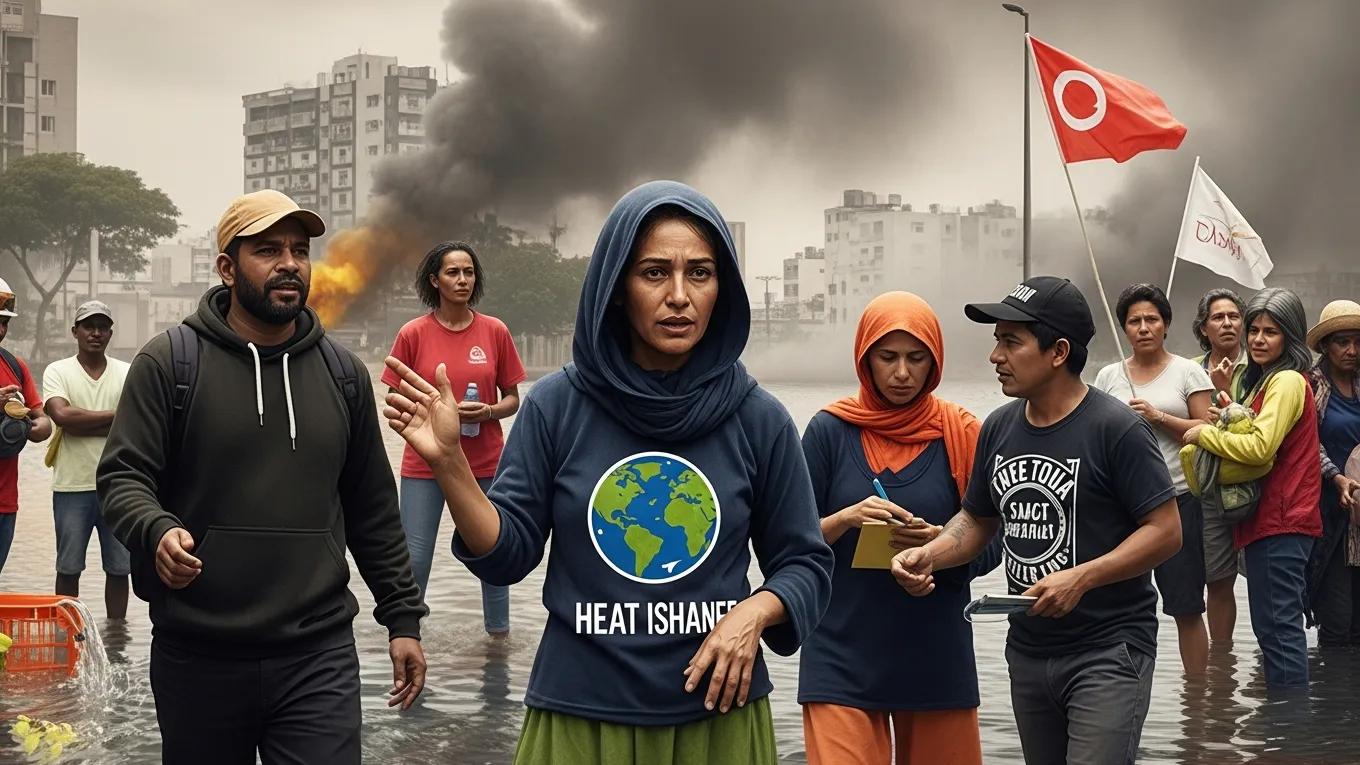
How Climate Change Disproportionately Affects Marginalized Communities: Key Environmental Justice Concerns and Solutions
By Roddy Scheer, E — The Environmental Magazine
Climate change is not just an environmental issue; it is a profound social justice challenge that disproportionately impacts marginalized communities. These groups often face heightened vulnerabilities due to systemic inequities, making them more susceptible to the adverse effects of climate change. This article explores the key environmental justice concerns related to climate change, including health risks, economic vulnerabilities, and historical inequities. Additionally, it discusses potential solutions that can empower these communities, such as community engagement and policy reforms. By understanding the intersection of climate change and social justice, we can work towards a more equitable future for all.
Key Environmental Justice Concerns:
The intersection of climate change and environmental justice reveals several critical concerns that disproportionately affect marginalized communities. These concerns include health risks, economic vulnerability, displacement and migration, historical inequities, and political power dynamics. Each of these factors contributes to the overall impact of climate change on these communities, necessitating a comprehensive understanding of their unique challenges.
Health Risks
Marginalized communities face significant health risks exacerbated by climate change. Increased exposure to air pollution, higher rates of respiratory problems, and vulnerability during extreme weather events are just a few examples. For instance, studies show that individuals in low-income neighborhoods often live near industrial sites, leading to higher exposure to harmful pollutants. This exposure can result in chronic health issues, including asthma and cardiovascular diseases, which are more prevalent in these populations. Addressing these health disparities is crucial for improving the overall well-being of marginalized communities.
Economic Vulnerability
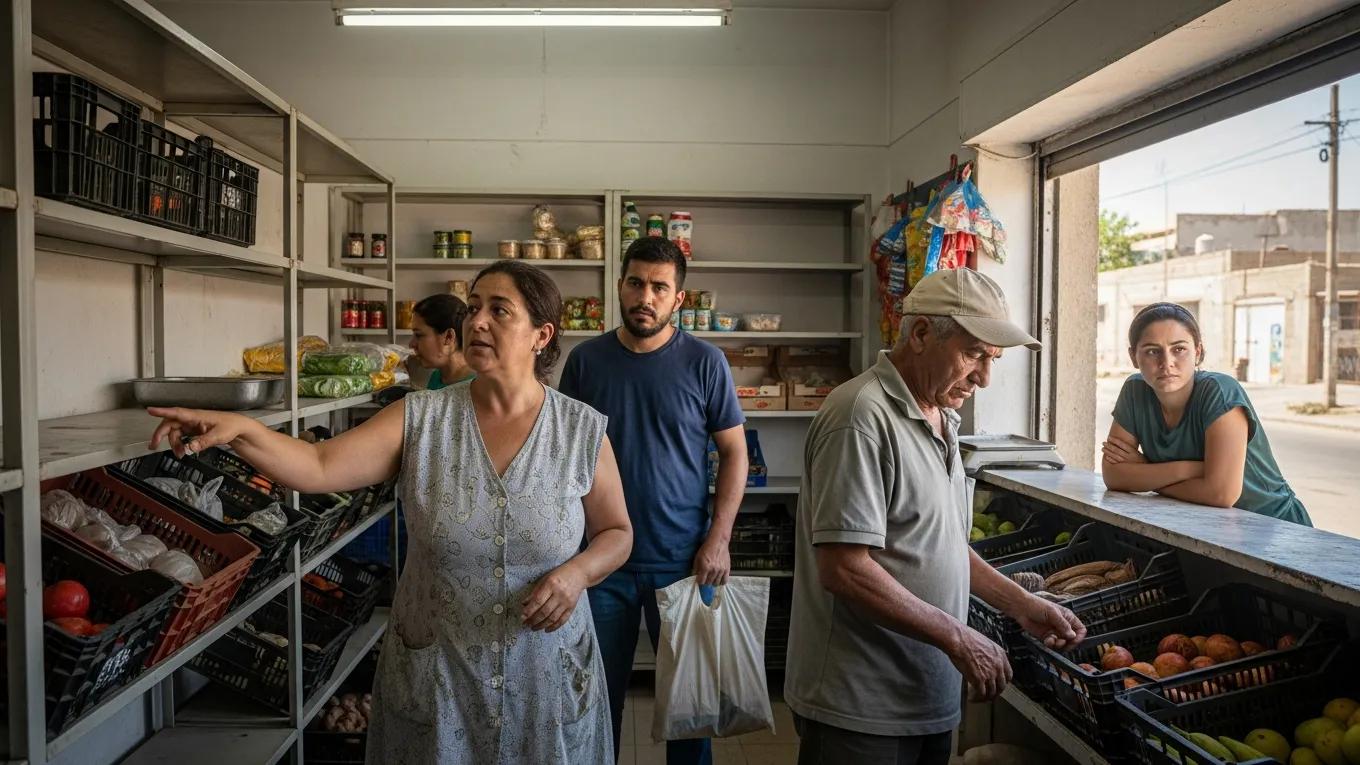
Economic vulnerability is another pressing concern for marginalized communities in the context of climate change. Limited resources for disaster preparedness, exacerbation of poverty, and food insecurity are significant challenges. Climate-related disasters, such as hurricanes and floods, can devastate local economies, particularly in agricultural communities where livelihoods depend on stable weather patterns. The economic instability caused by climate change further entrenches existing inequalities, making it essential to develop targeted interventions that support economic resilience in these communities.
Displacement and Migration
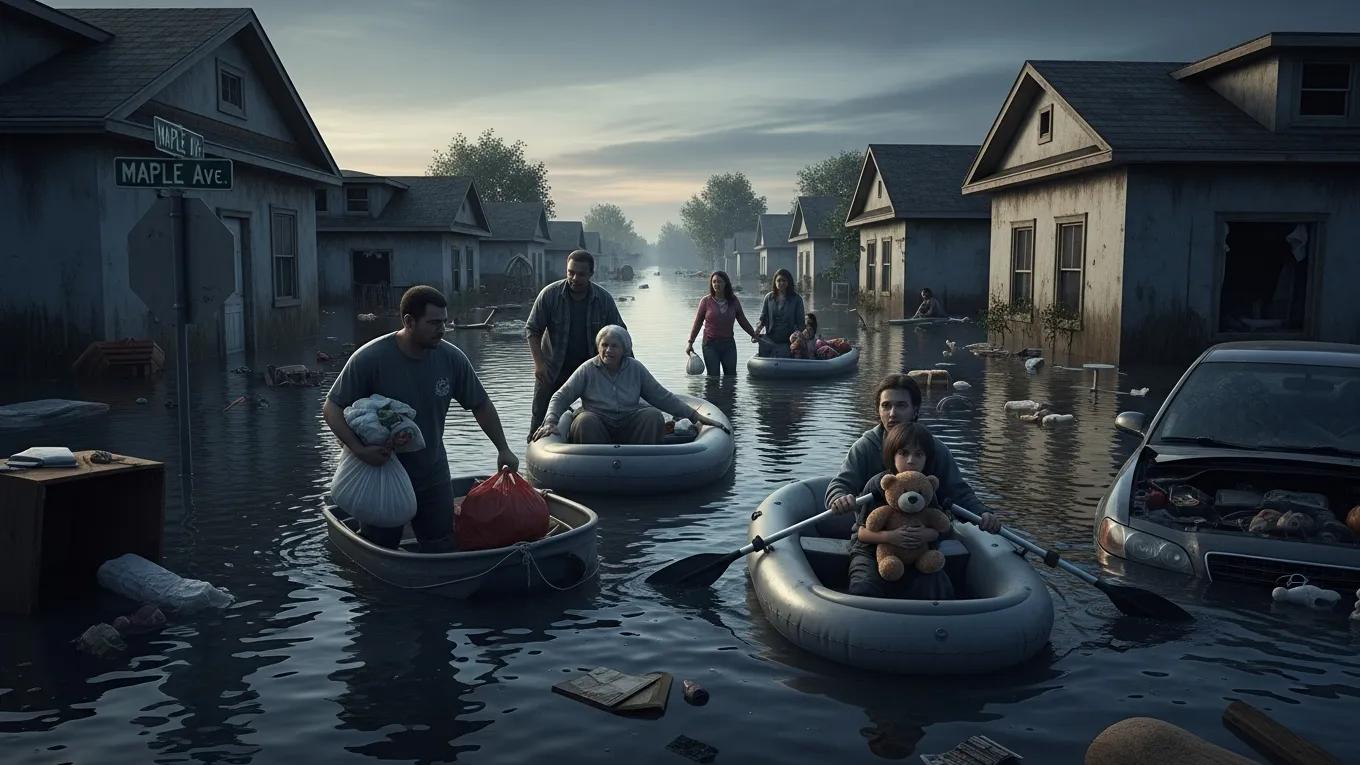
Climate change is increasingly leading to the displacement of vulnerable populations. Rising sea levels, extreme weather events, and resource scarcity force communities to relocate, often resulting in social instability and conflicts over resources. For example, coastal communities facing erosion and flooding are compelled to migrate, disrupting their social fabric and leading to tensions in host communities. Understanding the dynamics of displacement is vital for creating policies that protect the rights and livelihoods of those affected.
Historical Inequities
The historical context of environmental injustices faced by marginalized groups cannot be overlooked. Practices such as redlining have long-term effects on community resources and environmental hazards. Areas that were historically marginalized often experience greater exposure to environmental risks, leading to long-term health implications. Recognizing these historical inequities is essential for addressing the root causes of vulnerability and ensuring that future policies promote equity and justice.
Research further illuminates how historical discriminatory practices like redlining have created lasting environmental and health disparities in marginalized communities.
Historical Redlining’s Link to Environmental & Health Disparities
Following the Great Depression and related home foreclosures, the federal government established new agencies to facilitate access to affordable home mortgages, including the Home Owners’ Loan Corporation (HOLC) and Federal Housing Administration (FHA). HOLC and FHA directed widespread neighborhood appraisals to determine investment risk, referred to as “redlining,” which took into account residents’ race. Redlining thereby contributed to segregation, disinvestment, and racial inequities in opportunities for homeownership and wealth accumulation. Recent research examines associations between historical redlining and subsequent environmental determinants of health and health-related outcomes.
The relationship of historical redlining with present-day neighborhood environmental and health outcomes: a scoping review and conceptual model, CB Swope, 2022
Political Power
The lack of political influence among marginalized communities significantly impacts their ability to advocate for environmental justice. Limited representation in decision-making processes and challenges in advocating for community needs hinder their capacity to influence environmental policy outcomes. Empowering these communities through increased political engagement and representation is crucial for ensuring that their voices are heard in discussions about climate change and environmental justice.
Potential Solutions:
Addressing the environmental justice concerns related to climate change requires a multifaceted approach. Potential solutions include community engagement, policy reforms, investment in resilience, education and awareness, collaboration and funding, and advocacy for climate justice. Each of these strategies plays a vital role in empowering marginalized communities and promoting equitable climate action.
Community Engagement
Empowering marginalized communities through active participation in local planning and advocacy for equitable policies is essential. Community-led initiatives can foster resilience and ensure that the unique needs of these populations are addressed. For example, involving community members in decision-making processes can lead to more effective and culturally relevant solutions to climate challenges.
Policy Reforms
Necessary policy changes must be implemented to address environmental injustices. Stricter pollution regulations and equitable resource distribution are critical components of these reforms. By prioritizing the needs of marginalized communities in policy discussions, we can create a more just and sustainable future.
Investment in Resilience
Investing in infrastructure and community resilience is vital for mitigating the impacts of climate change. Strengthening infrastructure, ensuring access to renewable energy, and reducing vulnerability to climate impacts are essential steps. For instance, communities that invest in green infrastructure can enhance their resilience while also creating jobs and improving local economies.
Education and Awareness
Public education plays a crucial role in climate action. Raising awareness about climate impacts and promoting community-led initiatives can empower individuals to take action. Engaging local stakeholders in educational campaigns can foster a sense of ownership and responsibility towards environmental stewardship.
Collaboration and Funding
Collaboration among various stakeholders, including government agencies, non-profits, and community organizations, is essential for addressing environmental justice concerns. Access to federal funding and technical assistance can support marginalized communities in implementing sustainable practices and building resilience.
Advocacy for Climate Justice
Advocacy is a powerful tool for advancing climate justice. Supporting policies that prioritize the needs of marginalized communities, such as the Green New Deal, can ensure that resources are allocated equitably. Grassroots movements play a crucial role in influencing environmental equity and driving systemic change.
What Is Environmental Justice and How Does It Relate to Climate Change?
Environmental justice is a framework that seeks to address the disproportionate environmental burdens faced by marginalized communities. It emphasizes the need for equitable distribution of environmental benefits and burdens, ensuring that all individuals have the right to a healthy environment. Climate change exacerbates existing inequalities, making the pursuit of environmental justice more critical than ever.
Defining Environmental Justice and Climate Justice Concepts
Environmental justice encompasses the principles of equity, participation, and recognition of the rights of marginalized communities. Climate justice extends these principles to address the specific impacts of climate change, advocating for solutions that prioritize the needs of those most affected. Understanding these concepts is essential for developing effective strategies to combat climate change and promote social equity.
How Marginalized Communities Are Identified in Environmental Justice Frameworks
Marginalized communities are identified based on various criteria, including socioeconomic status, race, and historical injustices. These frameworks recognize that systemic inequalities contribute to the vulnerabilities faced by these populations. By understanding how marginalized communities are defined, we can better address their unique challenges and advocate for their rights in environmental policy discussions.
How Does Climate Change Increase Health and Social Vulnerabilities in Marginalized Groups?
Climate change exacerbates health and social vulnerabilities in marginalized groups through economic instability, limited access to resources, and systemic inequalities. These factors create a cycle of disadvantage that makes it difficult for these communities to adapt to changing environmental conditions.
What Are the Health Disparities Linked to Climate Change in Vulnerable Communities?
Health disparities linked to climate change in vulnerable communities include higher rates of respiratory issues, increased impact of pollution exposure, and heightened vulnerability during extreme weather events. For example, studies indicate that low-income neighborhoods often experience higher levels of air pollution, leading to chronic health conditions that are exacerbated by climate change.
How Does Social Vulnerability Amplify Climate Change Impacts?
Social vulnerability amplifies climate change impacts through economic instability, health risks, and displacement. Communities with limited resources are less able to prepare for and respond to climate-related disasters, leading to greater adverse effects. Understanding these mechanisms is crucial for developing targeted interventions that support resilience in vulnerable populations.
What Is Environmental Racism and How Does It Affect Pollution Exposure?
Environmental racism refers to the systemic discrimination that results in marginalized communities facing higher exposure to environmental hazards. This phenomenon is evident in the siting of polluting industries in low-income neighborhoods, leading to significant health disparities.
Examples of Environmental Racism Impacting Marginalized Communities
Examples of environmental racism include the historical context of redlining, where minority communities were systematically denied access to resources and opportunities. Case studies of affected communities reveal long-term health impacts resulting from exposure to pollutants and environmental hazards.
The legacy of redlining continues to manifest today, significantly increasing the vulnerability of these historically disadvantaged areas to modern climate hazards.
Redlining’s Enduring Impact on Climate Hazard Vulnerability
This study investigates the long-term impacts of historical redlining on vulnerability to climate-induced hazards, including floods, heat, and wind, across racially and socioeconomically diverse neighborhoods. The findings reveal that redlined areas, characterized by lower investment and inadequate infrastructure, will disproportionately bear higher risks of climate hazards in the future. This study uniquely contributes to the discourse on urban inequality and environmental justice by elucidating the complex interplay between socio-economic factors, such as racial demographics and economic status, and increased vulnerability to environmental hazards.
Examining the effects of long-term historical redlining on climate risks, H Qin, 2025
How Unequal Pollution Exposure Contributes to Climate Inequality
Unequal pollution exposure contributes to climate inequality by perpetuating cycles of disadvantage. Discriminatory siting of industrial facilities in marginalized neighborhoods leads to higher health risks and environmental degradation, further entrenching existing inequalities.
How Can Marginalized Communities Build Resilience Through Climate Adaptation?
Building resilience in marginalized communities through climate adaptation involves implementing community-led strategies, ensuring access to resources, and fostering collaboration. These efforts can empower communities to adapt to changing environmental conditions and mitigate the impacts of climate change.
What Are Effective Community Resilience Strategies Against Climate Change?
Effective community resilience strategies include engaging community members in decision-making, investing in infrastructure, and promoting education and awareness. By fostering a sense of ownership and responsibility, communities can develop tailored solutions to address their unique challenges.
How Does Access to Renewable Energy Support Climate Adaptation?
Access to renewable energy supports climate adaptation by providing economic benefits, creating jobs in local communities, and enhancing energy security. Transitioning to renewable energy sources can reduce dependence on fossil fuels and promote sustainable practices.
What Practical Steps Can Individuals Take to Support Sustainable Living in Marginalized Communities?
Individuals can take practical steps to support sustainable living in marginalized communities by engaging in community initiatives, supporting local environmental organizations, and advocating for policy change. These actions can help promote equity and sustainability at the local level.
How Can Sustainable Living Reduce Climate Vulnerability?
Sustainable living reduces climate vulnerability by promoting practices that enhance community resilience and reduce environmental impact. Supporting local businesses and advocating for policy change can create a more sustainable future for all.
What Are Actionable Tips for Supporting Climate Justice Locally?
Actionable tips for supporting climate justice locally include engaging in local initiatives, educating and empowering others, and promoting sustainable practices. By taking these steps, individuals can contribute to a more equitable and just society.
Which Policies and Activism Efforts Advance Climate Justice for Marginalized Groups?
Policies and activism efforts that advance climate justice for marginalized groups include grassroots movements, legal action against polluters, and community engagement. These efforts play a crucial role in promoting environmental equity and ensuring that marginalized voices are heard.
What Are Emerging Climate Justice Policies at Local and International Levels?
Emerging climate justice policies at local and international levels focus on equitable climate finance, local initiatives, and international cooperation. These policies aim to address the unique challenges faced by marginalized communities and promote sustainable development.
How Do Grassroots Movements Influence Environmental Equity?
Grassroots movements influence environmental equity by mobilizing communities, advocating for policy change, and raising awareness about environmental injustices. Case studies of successful movements demonstrate the power of community engagement in driving systemic change.
Indeed, the combined power of grassroots activism and strategic policy advocacy is crucial for effectively addressing environmental issues and mitigating climate change’s disproportionate impact on vulnerable communities.
Grassroots & Policy Advocacy for Climate Justice
This paper explores the intersection of climate activism and social justice, with a particular focus on grassroots movements and policy advocacy. It argues that these two elements, when combined, can effectively address environmental issues and mitigate the disproportionate impact of climate change on marginalized communities. The first part of the paper delves into the role of grassroots movements in promoting environmental awareness and action at the local level. It highlights successful case studies where community-led initiatives have led to significant environmental improvements and increased resilience against climate change impacts.
Grassroots Movements and Policy Advocacy: A Dual Approach to Climate Activism and Social Justice, 2025