



How Marine Conservation Trips Contribute to Reef Protection in Belize
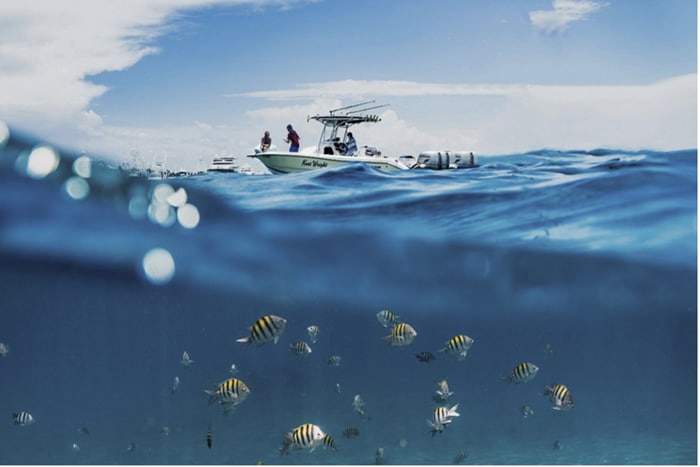
Belize is located on the northeastern coast of Central America. It faces the Caribbean Sea, with Mexico’s Yucatán Peninsula directly to the north and Guatemala along its western and southern borders. Belize’s coastline runs for about 240 miles, and just offshore, you’ll find a long chain of islands and the Belize Barrier Reef.
If you are interested in environmental trips and want to contribute to and enjoy a unique ocean ecosystem, a marine conservation trip in Belize helps protect the reefs by supporting coral restoration, monitoring marine life, reducing human impact, and funding local conservation efforts through responsible tourism.
In this blog, let’s explore how a dedicated marine conservation trip goes beyond just tourism to provide a genuine contribution to preserving and protecting it.
A marine conservation journey can turn participants from spectators into engaged protectors. The volunteers give immediate, practical help that addresses critical risks to the reef’s vitality. This direct effort is important for the ecosystem’s resilience.
Ways Marine Conservation Trips Contribute
Managing Invasive Species
The volunteers address the lionfish invasion through organized spearfishing dives. This effort reduces the predatory pressure on indigenous fish populations. Removing this invasive species contributes to restoring the reef’s natural balance.
Since Belize is the second-largest barrier reef system in the world, it is a vibrant underwater ecosystem teeming with marine life. It is a critical part of marine conservation trips in Belize to focus on direct intervention.
Protecting Endangered Species
The trip participants help with in-season sea turtle conservation work. Here, the activities include monitoring nests, helping with hatchling releases, and collecting population data.
This hands-on support is important for the proper recovery of these threatened species. It provides the needed protection during their most vulnerable life stages.
Collecting Data through Citizen Science
With this, the volunteers take part in identification dives to document sightings of fish, coral, and invertebrates. The collected data forms a long-term health record for scientists.
It tracks shifts in populations and the general condition of the reef. Every dive is transformed into a significant research mission.
Reducing Pollution
Teams conduct regular beach and island cleanups to remove plastic and debris. This prevents waste from entering the marine ecosystem and harming wildlife. Clearing away trash helps prevent animals from swallowing or getting caught in it. It keeps the coast clean and secure.
Educating and Caring for Habitats
Through this trip itinerary, through varied organized educational presentations, the volunteers can learn about reef ecology. This knowledge makes them informed ocean ambassadors.
They acquire a deeper insight into the ecosystem they assist. This education empowers them to advocate for long-term marine protection.
What can you expect on a typical conservation diving trip?
During this trip, you will experience a great mix of engaging activities and relaxing island time. Your week includes several dives, designated conservation tasks, and informative sessions, establishing a purposeful flow.
When you’re not diving, you can relax in the private island environment, meet fellow volunteers, or go kayaking. The highlight here is the flexibility; you can select how much you want to participate based on your energy levels.
Importantly, these trips are open to all, from total beginners to seasoned divers, with all required training available on-site.
Turn Your Beach Vacation into a Meaningful Marine Conservation Trip
If you are looking for a unique experience on your next trip to the beach, consider a marine conservation trip. It offers far more than a standard vacation by providing direct, hands-on help to protect a critical ecosystem.
This choice creates a lasting positive impact, turning your travel into a meaningful act of responsibility.
Key Takeaways
- Provide hands-on help like removing invasive lionfish and cleaning beaches.
- Collect scientific data on marine life for long-term reef monitoring.
- Create a reliable funding source for conservation NGOs and local staff.
- Educate volunteers, turning them into informed ocean advocates.
- Welcome all skill levels and combine conservation work with meaningful adventure.