






How Much Does It Cost to Transition to a Circular Economy?

How Much Does It Cost to Transition to a Circular Economy? Understanding Circular Economy Implementation Costs and Financial Impact
Transitioning to a circular economy involves a fundamental shift in how businesses operate, focusing on sustainability and resource efficiency. This article explores the costs associated with this transition, providing insights into the financial implications and potential benefits. Readers will learn about the key cost components, including infrastructure, technology, and training, as well as the economic and environmental advantages of adopting circular business models. The transition can be daunting, but understanding the costs and benefits can help businesses make informed decisions. We will delve into financing options, challenges faced during the transition, and real-world case studies that illustrate successful implementations.
What Are the Key Cost Components in Circular Economy Transition?
Transitioning to a circular economy entails various costs that businesses must consider. These costs can be broadly categorized into infrastructure, technology, and training expenses. Understanding these components is crucial for businesses aiming to implement sustainable practices effectively. By investing in the right areas, companies can not only facilitate the transition but also position themselves for long-term success in a competitive market.
Which Infrastructure and Technology Expenses Drive Transition Costs?
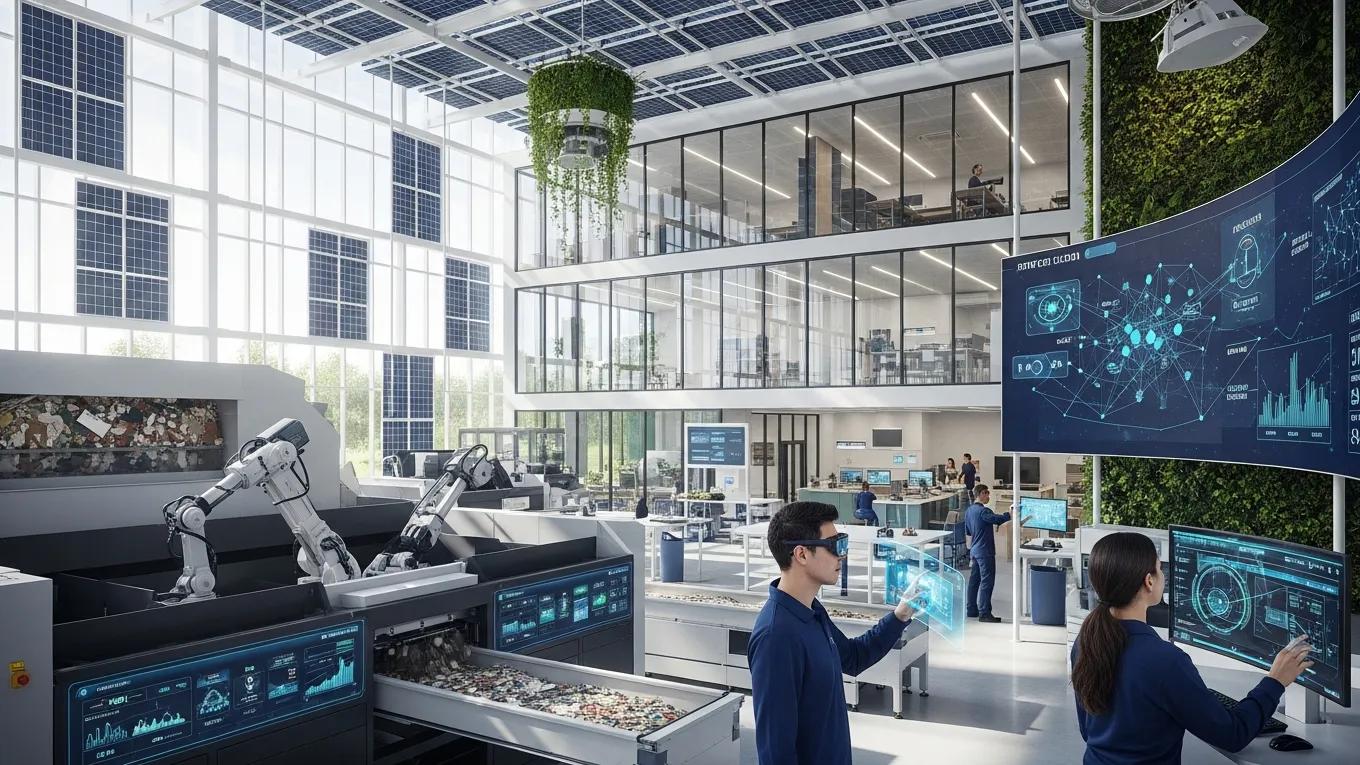
Infrastructure and technology expenses are significant drivers of transition costs in a circular economy. Businesses need to invest in new systems and processes that support sustainable practices. This includes:
- Upgrading Facilities: Modifying existing facilities to accommodate new processes can be costly but necessary for efficiency.
- Investing in Technology: Implementing advanced technologies, such as IoT and data analytics, can enhance resource management and waste reduction.
- Supply Chain Adjustments: Redesigning supply chains to support circular practices often requires new partnerships and logistics solutions.
These investments are essential for creating a robust framework that supports circular operations and minimizes waste.
How Do Training and Organizational Changes Affect Investment Expenses?
Training and organizational changes also play a critical role in the costs associated with transitioning to a circular economy. Businesses must ensure that their workforce is equipped with the necessary skills and knowledge to implement sustainable practices effectively. Key considerations include:
- Employee Training Programs: Investing in training programs helps employees understand new processes and technologies, which can lead to increased efficiency.
- Organizational Restructuring: Adapting organizational structures to support circular initiatives may involve additional costs, such as hiring new talent or reallocating resources.
- Cultural Shifts: Fostering a culture of sustainability within the organization requires ongoing effort and investment in employee engagement.
These factors contribute to the overall investment expenses but are vital for ensuring a successful transition.
What Are the Economic and Environmental Benefits of Circular Economy Models?
Adopting circular economy models offers numerous economic and environmental benefits. By focusing on sustainability, businesses can achieve significant cost savings and enhance their competitive advantage. Understanding these benefits is crucial for justifying the initial investment in the transition.
How Do Circular Business Models Generate Cost Savings Over Time?
Circular business models can lead to substantial cost savings over time. By minimizing waste and optimizing resource use, companies can reduce operational costs. Key savings include:
- Reduced Material Costs: By reusing materials and resources, businesses can lower their procurement expenses.
- Lower Waste Disposal Fees: Efficient waste management practices can significantly decrease disposal costs.
- Increased Efficiency: Streamlined processes lead to improved productivity and reduced operational costs.
These savings can accumulate, making the transition to a circular economy financially beneficial in the long run.
What Is the Typical Return on Investment and Payback Period?
The return on investment (ROI) and payback period for transitioning to a circular economy can vary widely depending on the industry and specific practices implemented. However, many businesses report positive outcomes, with typical payback periods ranging from 2 to 5 years. Factors influencing ROI include:
- Initial Investment Size: Larger investments may take longer to pay off but can yield higher returns.
- Market Demand: Increased consumer interest in sustainable products can enhance profitability.
- Operational Efficiency Gains: Improved processes can lead to significant cost reductions.
Understanding these metrics helps businesses evaluate the financial viability of their transition efforts.
How Can Businesses Finance Circular Economy Transition Costs?
Financing the transition to a circular economy can be challenging, but various funding options and mechanisms are available to support businesses. Identifying the right financial strategies is essential for successful implementation.
What Funding Options and Green Financing Mechanisms Are Available?
Several funding options and green financing mechanisms can assist businesses in covering transition costs. These include:
- Government Grants and Subsidies: Many governments offer financial incentives for businesses adopting sustainable practices.
- Green Bonds: Issuing green bonds can provide capital specifically for environmentally friendly projects.
- Private Investment: Attracting private investors interested in sustainability can help fund transition initiatives.
These options can alleviate some financial burdens associated with the transition.
How Do Policy Incentives Reduce Transition Expenses?
Policy incentives play a crucial role in reducing transition expenses for businesses. Governments often implement policies that encourage sustainable practices, which can lead to cost savings. Examples include:
- Tax Breaks: Businesses may receive tax incentives for investing in green technologies or sustainable practices.
- Regulatory Support: Streamlined regulations can reduce compliance costs for businesses transitioning to circular models.
- Public-Private Partnerships: Collaborations between government and businesses can provide additional resources and support.
Leveraging these incentives can significantly lower the financial barriers to transitioning.
What Challenges Do Businesses Face in Managing Circular Economy Transition Costs?
While the benefits of transitioning to a circular economy are clear, businesses often encounter challenges in managing the associated costs. Identifying and addressing these challenges is essential for a successful transition.
Which Financial Barriers Are Most Common and How Can They Be Overcome?
Common financial barriers to transitioning include high upfront costs and uncertainty about ROI. To overcome these challenges, businesses can:
- Conduct Cost-Benefit Analyses: Understanding the long-term benefits can help justify initial investments.
- Seek Collaborative Opportunities: Partnering with other businesses can spread costs and share resources.
- Utilize Financial Tools: Exploring various financing options can provide the necessary capital for transition efforts.
Addressing these barriers is crucial for ensuring a smooth transition.
How Do Small and Medium Enterprises Navigate Transition Expenses?
Small and medium enterprises (SMEs) often face unique challenges in managing transition expenses. Limited resources can make it difficult for SMEs to invest in circular practices. Strategies for navigating these challenges include:
- Incremental Changes: Implementing small, manageable changes can help SMEs gradually transition without overwhelming costs.
- Community Support: Engaging with local networks and organizations can provide resources and guidance.
- Leveraging Technology: Utilizing affordable technology solutions can enhance efficiency without significant investment.
By adopting these strategies, SMEs can effectively manage their transition costs.
What Real-World Case Studies Illustrate Circular Economy Transition Costs and Benefits?
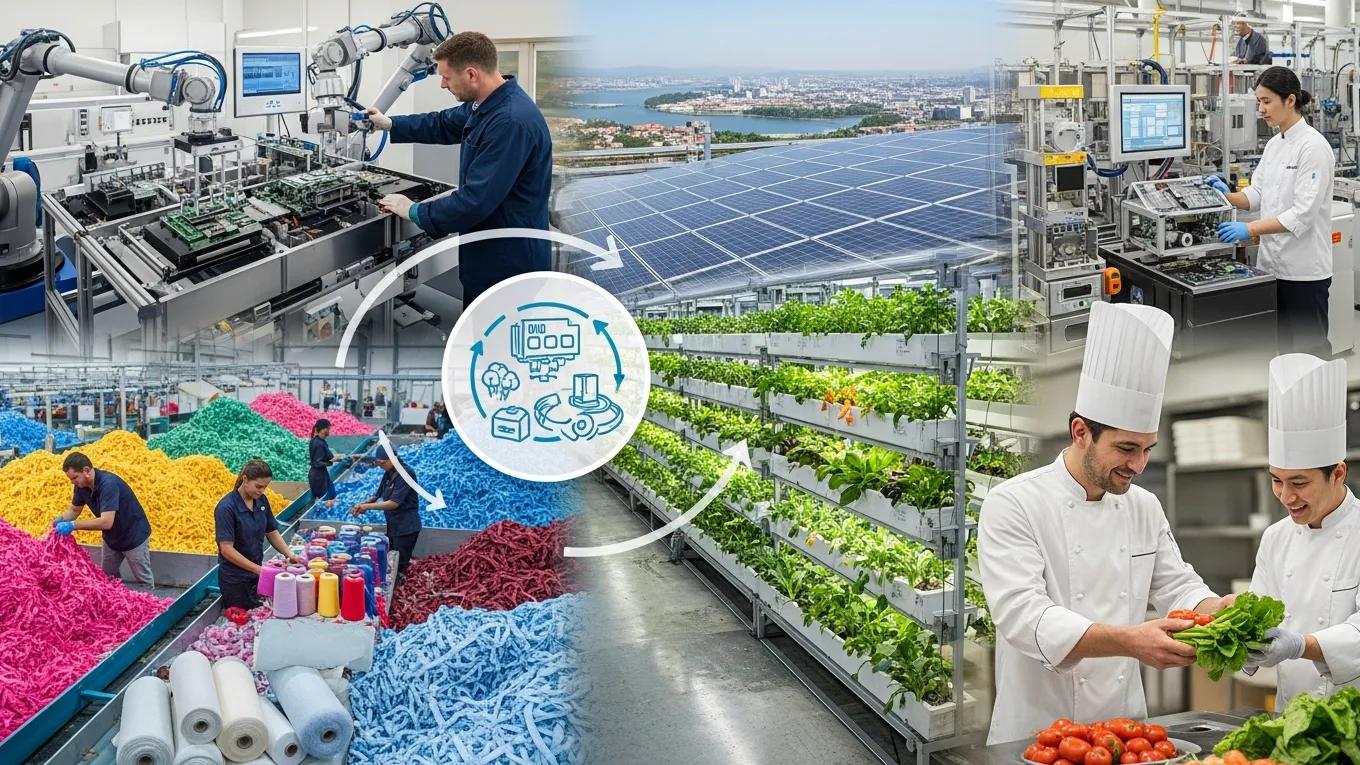
Examining real-world case studies can provide valuable insights into the costs and benefits of transitioning to a circular economy. These examples highlight successful implementations and the lessons learned.
Which Industries Have Successfully Managed Transition Investments?
Several industries have successfully managed transition investments, demonstrating the viability of circular economy models. Notable examples include:
- Textiles: Companies in the fashion industry are increasingly adopting circular practices, such as recycling materials and reducing waste.
- Food and Beverage: Businesses are implementing sustainable sourcing and waste reduction strategies to enhance efficiency.
- Electronics: The tech industry is focusing on product longevity and recycling to minimize environmental impact.
These industries showcase the potential for successful transitions and the benefits of circular practices.
What Lessons Can Be Learned from Recent Circular Economy Implementations?
Recent implementations of circular economy models offer valuable lessons for businesses considering the transition. Key takeaways include:
- Importance of Stakeholder Engagement: Involving stakeholders early in the process can facilitate smoother transitions.
- Flexibility in Implementation: Adapting strategies based on feedback and results can enhance effectiveness.
- Long-Term Vision: Maintaining a focus on long-term sustainability goals can guide decision-making throughout the transition.
These lessons can help businesses navigate their own transition journeys more effectively.