



How Power Rectifiers Improve Productivity and Reduce Emissions in the Industry
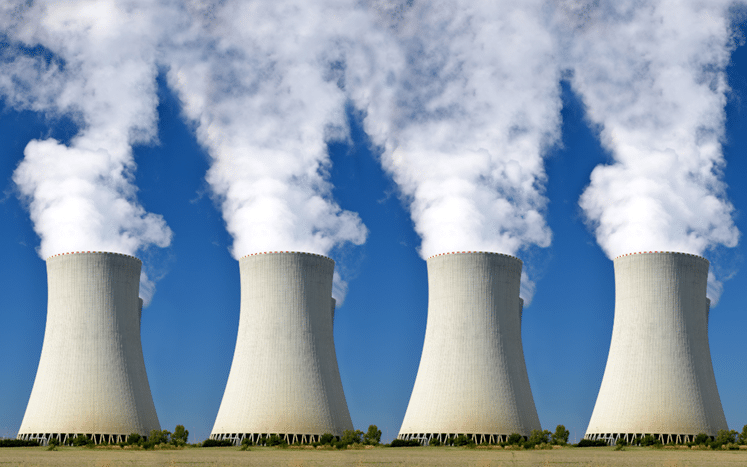
Power rectifiers in relative silence transform energy-intensive industries, making them more efficient and less polluting. They convert AC to DC with unparalleled precision forged by smarter operating possibilities.
New progress has moved rectifier efficiencies over 88%, converting legacy systems into lean powerhouses.
The Industrial Energy Challenge: Efficiency vs. Sustainability
Heavy industries like steel production, chemical manufacturing, and semiconductor fabrication also use vast electricity. Steel plants, for example, contribute about 7-9% of the world’s CO₂ emissions.
Industrial plants run on high voltage. However, most facilities use antiquated power conversion equipment. That gap creates unnecessary energy waste and more significant emissions.
One frequently neglected option is high‑efficiency rectifiers. These units efficiently convert AC power into DC power. They reduce energy waste and improve process reliability.
What Are Power Rectifiers, and Why Do They Matter?
Power rectifiers act as the bridge between AC and DC. AC is transformed into DC to satisfy particular industrial needs. In high‑demand environments, they minimize energy loss by flattening voltage peaks and valleys.
This enhanced regulation enhances power quality in delicate operations. This stability is good for semiconductor fabs and battery plants, too. As rectifier efficiency climbs above 88%, waste heat plummets and emissions. Reduced energy loss directly reduces carbon footprints across the equipment’s life cycle.
FRIEM makes the leading robust, high‑power rectifier solutions. Its designs are carefully life cycle assessed for minimal environmental impact across decades of use.
Reducing Emissions in Energy‑Intensive Industries
Carbon emissions bloat in the steel and metal sector. Steelmaking alone produces 7-9% of global CO₂ emissions. Replacing old electric arc furnaces with new, high‑efficiency rectifiers changes this story. These systems trim energy consumption by 0.14 GJ/t while stabilizing arc power. The upshot is reduced carbon footprints and operating costs per ton of steel.
Another option for decarbonization is green hydrogen. Stable DC power to separate water parts powers electrolysis. A higher-efficiency rectifier, with more than 96% efficiency, reduces the cost of hydrogen production and its emissions. That makes using renewable hydrogen in chemical plants and refineries more commercially feasible.
Stable DC also supports semiconductor and battery manufacturing. Voltage fluctuations can ruin microchips and battery cells. Advanced rectifiers provide clean, reliable power, which reduces scrap rates and energy wastage.
Why Investing in Advanced Power Rectifiers Pays Off
Modern rectifiers would lower energy bills by more efficiently converting the energy. These savings quickly outpaced capital costs, with strong returns on investment. Regulatory imperatives favor low-emission modes of operation, and high-efficiency power systems represent a compliance strategy.
Likewise, robust rectifiers avoid variations that meddle with production, guaranteeing constant output. Investors get longevity, too, as equipment built for intensive life cycle assessments delivers durable performance.
Rectifiers as Catalysts for Sustainable Industry Growth
Rectifiers run in the background, but they power the green industrial revolution. These devices are energy efficient and provide both cost-saving and environmental wins by maximizing utilization while eliminating wastage. At a time of rising energy costs and challenging emissions targets, smart rectifiers are quiet champions.