






How Residential Solar Panels Improve Climate Conditions
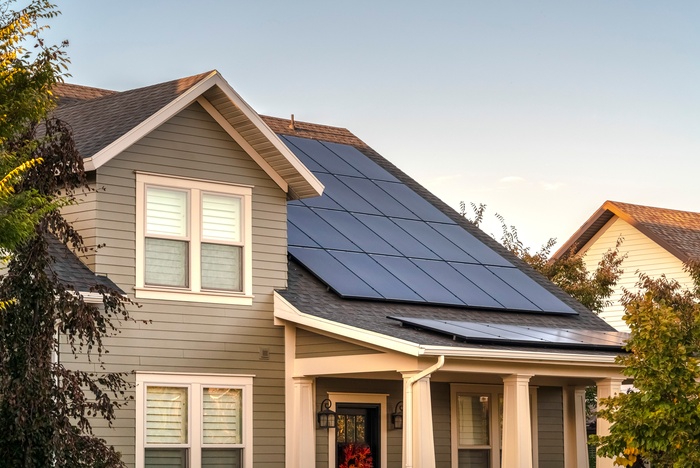
Residential solar panels reshape how households interact with energy and environmental stability across diverse regions worldwide. They convert sunlight into usable electricity, reduce reliance on fossil fuels, and support cleaner air through reduced emissions. Homeowners gain greater control over energy sources and help stabilize ecosystems under pressure.
Solar adoption continues to expand as technology advances and awareness of environmental impact grows across communities and policy sectors. Each installed system contributes to a distributed energy network that reduces centralized strain and enhances resilience against climate-related disruptions. Learning how residential solar panels improve climate conditions will help support human needs and ecological balance over time.
Reduced Greenhouse Gas Emissions
Residential solar panels directly reduce greenhouse gas emissions through the replacement of fossil fuel electricity generation in everyday household consumption patterns. Each kilowatt hour generated from sunlight offsets carbon dioxide emissions that would otherwise enter the atmosphere from conventional power plants. This reduction contributes to a slower global temperature rise and supports international climate targets set through cooperative environmental agreements.
Communities that adopt solar technology at scale observe measurable declines in regional emission levels across residential energy sectors over extended periods. These changes help improve air quality, reduce health risks, and support biodiversity in areas affected by pollution from traditional energy production. Household-level decisions scale into meaningful environmental outcomes across cities and entire nations.
Improved Air Quality
Cleaner energy from residential solar panels leads to improved air quality through reduced combustion of coal, oil, and natural gas resources. Pollutants such as sulfur dioxide and nitrogen oxides decrease as reliance on fossil-based electricity declines across residential sectors. This shift supports healthier communities and reduces strain on healthcare systems affected by pollution-related illnesses.
Urban areas benefit significantly from widespread solar adoption, where dense populations often experience higher pollution levels due to concentrated energy demand. Reduced emissions improve visibility and enhance the overall quality of life for residents in these environments. Cleaner air also supports plant growth and ecosystem health in surrounding natural landscapes.
Lower Urban Heat Effects
Solar panels can reduce urban heat effects through reflective surfaces that absorb less heat compared to traditional roofing materials used in residential construction. This effect lowers ambient temperatures in densely built neighborhoods, where heat accumulation often leads to increased energy demand for cooling systems. Cooler surfaces contribute to improved comfort and reduced strain on local power infrastructure during peak usage periods.
Reduced heat accumulation also benefits public health, especially during extreme temperature events that pose risks to vulnerable populations in urban environments. Solar installations help moderate temperature fluctuations and support more stable microclimates within residential zones. These changes enhance livability and resilience in areas facing increasing climate-related temperature extremes.
Sustainable Energy Independence
Residential solar systems provide households with greater energy independence through local electricity generation that reduces reliance on external supply chains and centralized grids. This autonomy supports resilience during disruptions such as extreme weather events or infrastructure failures that affect traditional energy delivery systems. Homeowners gain confidence in consistent access to power under uncertain environmental conditions.
Energy independence also encourages responsible consumption habits, as individuals become more aware of production and usage patterns within their homes. This awareness fosters efficient behavior and supports sustainability goals aligned with climate preservation efforts. Local generation empowers communities to contribute actively to broader environmental solutions.
Conservation of Natural Resources
Solar energy reduces pressure on finite natural resources such as coal, oil, and natural gas through substitution with renewable sunlight as a primary energy source. This conservation helps preserve ecosystems affected by extraction processes that often disrupt habitats and degrade environmental quality. Reduced extraction also lowers water usage associated with conventional power generation systems.
Preservation of natural resources supports biodiversity, maintains ecological balance, and protects landscapes from degradation linked to resource exploitation. Residential solar adoption plays a role in this broader conservation effort through cumulative impact across millions of households worldwide. Sustainable resource use ensures availability for future generations and maintains environmental integrity.
Enhanced Grid Stability
Distributed solar generation enhances grid stability through the diversification of energy sources across numerous residential locations rather than reliance on centralized facilities. This distribution reduces vulnerability to large-scale outages and supports more flexible energy management across varying demand conditions. Solar systems contribute to balanced load distribution across regional energy networks.
Energy storage integration further strengthens this stability through the capacity to retain excess electricity for use during peak demand or limited sunlight conditions. Households equipped with storage systems support grid reliability and reduce strain during high usage periods. These contributions create a more resilient and adaptable energy infrastructure.
Support for Climate Awareness
Adoption of residential solar panels fosters increased climate awareness among homeowners through direct engagement with renewable energy technologies and environmental impact. Individuals develop a deeper understanding of energy consumption patterns and their relationship to broader climate systems. This awareness often leads to additional sustainable practices within households and communities.
Education around solar energy encourages informed decision-making and promotes environmental responsibility across diverse populations. As more households adopt renewable systems, collective awareness grows and supports cultural shifts toward sustainability. These changes reinforce climate improvement efforts across societal levels.
Economic Incentives and Environmental Impact
Financial incentives associated with residential solar systems encourage adoption while supporting environmental goals through reduced emissions and sustainable energy use. Government programs, tax credits, and rebates lower initial costs and make solar technology accessible to a broader range of households. Economic benefits align with environmental improvements, creating mutually reinforcing outcomes.
Savings on electricity bills further incentivize a commitment to renewable energy use within residential sectors. Homeowners benefit financially while contributing to climate improvement through reduced reliance on fossil fuels. This alignment strengthens support for renewable adoption across economic and environmental dimensions.
Technological Advancement and Efficiency
Advances in solar technology improve efficiency, durability, and accessibility of residential systems, enabling greater environmental benefits from each installation over time. Modern panels convert sunlight more effectively and operate reliably across diverse climate conditions, increasing their overall impact on emission reduction. Continuous innovation supports broader adoption and enhances system performance.
With solar monitoring systems’ performance data access, you can evaluate system output, identify efficiency trends, and optimize energy use for maximum environmental benefit. Data insights support informed decisions that enhance system effectiveness and contribute to sustained climate improvement through precise energy management strategies.
Climate Resilience
Residential solar panels support climate resilience through the reduction of emissions, improved resource management, and enhanced energy independence across communities. These systems help mitigate climate risks while providing reliable energy solutions that adapt to environmental changes over time. Their role in sustainable infrastructure development strengthens global capacity to address climate challenges.
As adoption continues, the cumulative effects of residential solar systems contribute to measurable improvements in environmental conditions across regions and ecosystems. These improvements support stable climates, healthier populations, and sustainable economic growth aligned with environmental preservation goals. Solar energy remains a key component of future climate resilience strategies.
Residential solar panels improve climate conditions through reduced emissions, cleaner air, and sustainable resource use. Their impact extends beyond individual households to influence broader environmental systems and support ecological stability.
Continued adoption strengthens collective efforts to address climate challenges effectively. This transition reflects a commitment to environmental responsibility and a future defined by cleaner energy systems.