
How to Build a Circular Economy Business Model: A Step-by-Step Guide
How to Build a Circular Economy Business Model: A Step-by-Step Guide
Building a circular economy business model is essential for companies aiming to enhance sustainability and reduce environmental impact. This guide will provide a comprehensive overview of the principles, strategies, and steps necessary to create a successful circular economy business model. Readers will learn how to implement waste reduction strategies, enhance resource efficiency, and foster a culture of sustainability within their organizations. As businesses face increasing pressure to adopt sustainable practices, understanding how to transition to a circular economy can provide a competitive edge. This article will cover the core principles of a circular economy, practical steps for implementation, and the importance of collaboration with stakeholders.
Understand the Circular Economy Principles
The circular economy is an economic model that emphasizes sustainability by minimizing waste and making the most of resources. It operates on the principle of designing products and systems that allow for the continual use of resources, thereby reducing the environmental impact. This model contrasts with the traditional linear economy, which follows a ‘take-make-dispose’ pattern. By adopting circular economy principles, businesses can not only reduce their ecological footprint but also create new economic opportunities through innovative practices.
What Are the Core Principles of a Circular Economy Business Model?
The core principles of a circular economy business model include:
- Design for Longevity: Products should be designed to last longer, reducing the need for frequent replacements.
- Resource Recovery: Implementing systems to recover materials at the end of a product’s life cycle ensures that resources are reused.
- Waste Minimization: Strategies should be in place to minimize waste generation throughout the production process.
These principles guide businesses in creating sustainable practices that benefit both the environment and the economy.
Understanding the structure and design of circular business models is crucial for their effective application.
Designing Business Models for the Circular Economy
None of these reviewed studies have provided satisfactory answers to the following questions: How may the principles of the circular economy be applied to a business model? How should a circular business model be designed? What is the structure of a circular business model? This article aims to contribute to filling this gap by proposing a conceptual framework of designing business models for the circular economy. The framework draws upon the existing business model literature (including the business model canvas) and the circular economy literature.
Designing the business models for circular economy—
Towards the conceptual framework, M Lewandowski, 2016
A robust conceptual framework can help businesses redefine value creation in line with circular economy principles.
Conceptual Framework for Circular Economy Business Models
circular economy business models (CEBMs) to redefine how companies create value while adhering to CE principles. A theoretical framework has been missing that synthesizes relevant literature into a coherent whole. Our conceptual framework for CEBMs outlines different approaches to creating and capturing value in a circular economy and provides a starting point for the development of CEBMs.
A review and typology of circular economy business model patterns, F Lüdeke‐Freund, 2019
Implement Waste Reduction Strategies
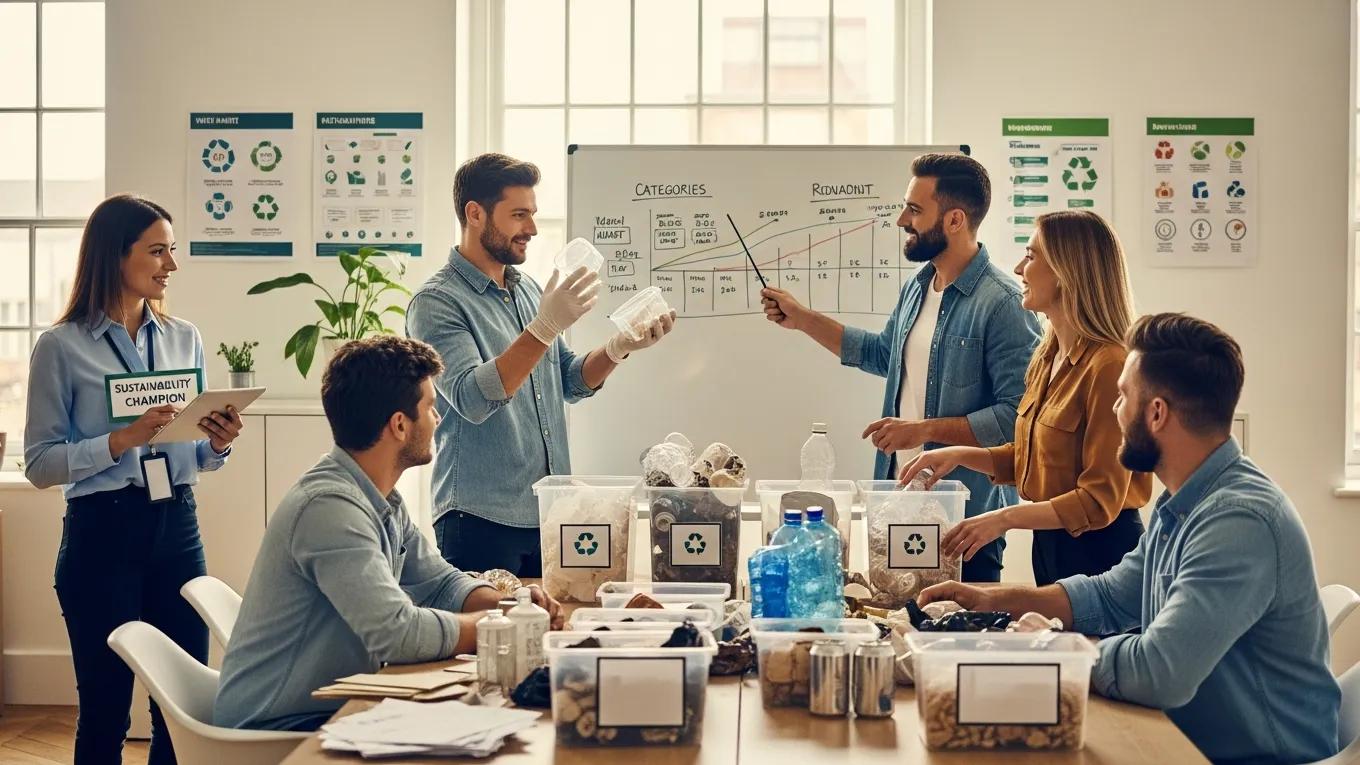
Waste reduction is a critical component of a circular economy. By minimizing waste, businesses can lower costs and improve their sustainability profile. Effective waste reduction strategies include conducting waste audits, developing a zero-waste office plan, and adopting sustainable procurement practices.
How Do Circular Economy Principles Promote Waste Reduction and Resource Efficiency?
Circular economy principles promote waste reduction by encouraging businesses to rethink their production processes. For instance, conducting waste audits helps identify areas where waste can be minimized. Additionally, implementing a zero-waste office plan can significantly reduce the amount of waste sent to landfills. Sustainable procurement practices ensure that materials are sourced responsibly, further contributing to waste reduction.
Enhance Resource Efficiency
Improving resource efficiency is vital for businesses looking to adopt a circular economy model. This involves optimizing the use of materials, energy, and water throughout the production process. By enhancing resource efficiency, companies can reduce costs and environmental impact while increasing their overall productivity.
What Role Does Regenerative Design Play in Sustainable Business Models?
Regenerative design plays a crucial role in sustainable business models by focusing on creating systems that restore and regenerate natural resources. This approach not only minimizes environmental harm but also enhances the resilience of ecosystems. By integrating regenerative design principles, businesses can create products and processes that contribute positively to the environment.
Moving beyond sustainability, regenerative business models emphasize building resilient systems that positively impact both the economy and the environment.
Resilient, Restorative, and Regenerative Business Models for Sustainability
The Resilient, Restorative, and Regenerative Business Model (3R-BM) represents a strategic evolution from sustainability to circularity, embedding principles that enable firms to not only withstand disruptions but also contribute positively to their ecosystems. A resilient business model ensures adaptability and long-term viability in volatile environments. A restorative business model actively seeks to repair and replenish natural and social capital. A regenerative business model goes beyond mitigation, fostering conditions that enhance the health and vitality of economic, environmental, and social systems.
Resilient, Restorative, and Regenerative Business Model (3R-BM), V Basile, 2026
Foster a Culture of Sustainability
Creating a culture of sustainability within an organization is essential for the successful implementation of a circular economy business model. This involves engaging employees in sustainability initiatives and encouraging eco-friendly behaviors.
How Can Small Businesses Apply Resource Efficiency Strategies Effectively?
Small businesses can apply resource efficiency strategies by starting with simple changes, such as reducing energy consumption and implementing recycling programs. Training employees on sustainability practices and incentivizing eco-friendly behavior can also foster a culture of sustainability. By making these changes, small businesses can significantly reduce their environmental impact while saving costs.
Collaborate with Stakeholders
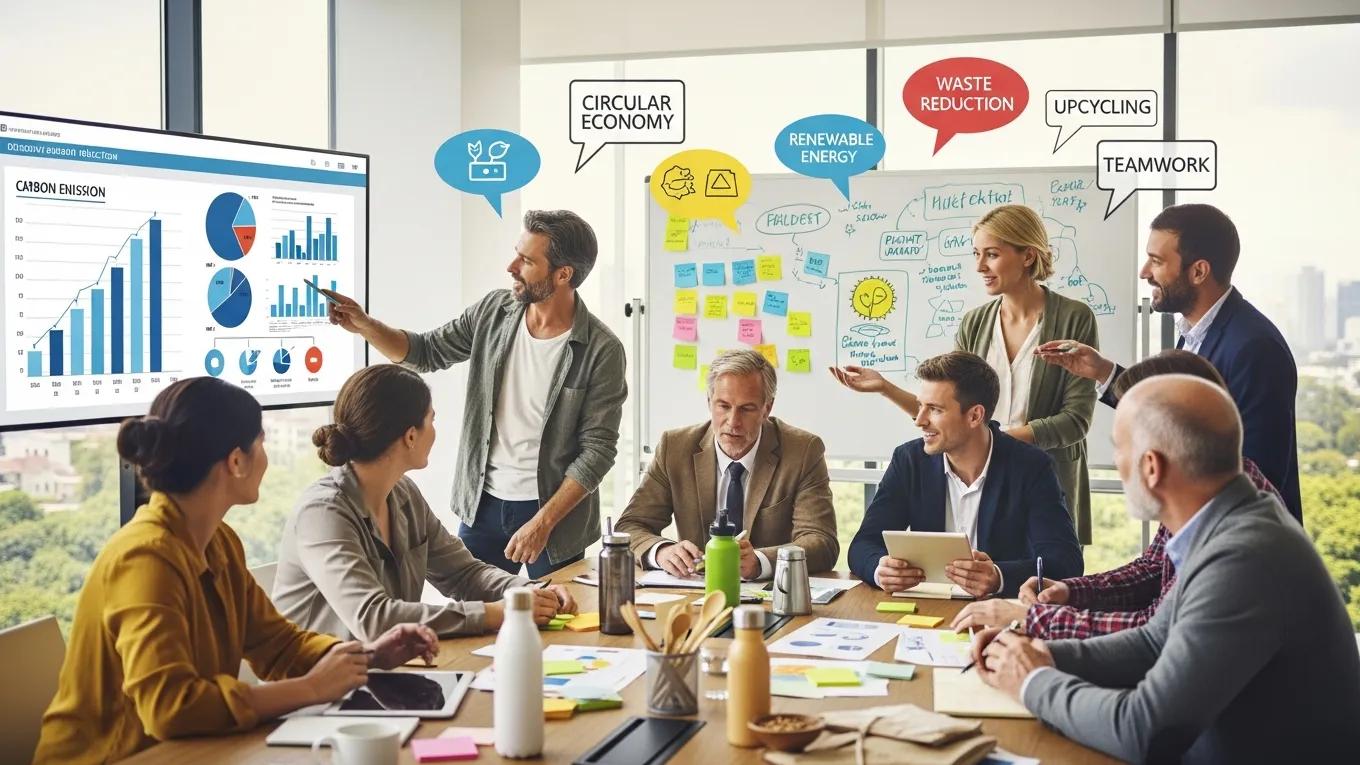
Collaboration with stakeholders is vital for the success of a circular economy business model. Engaging suppliers, customers, and the community in sustainability efforts can lead to innovative solutions and shared benefits.
What Are Practical Examples and Case Studies of Circular Economy Businesses?
Several companies have successfully implemented circular economy principles. For example, a clothing brand that uses recycled materials in its products and offers a take-back program for used garments exemplifies a circular business model. These case studies demonstrate the potential for businesses to thrive while prioritizing sustainability.
Monitor and Report Progress
Monitoring and reporting progress is essential for businesses to evaluate the effectiveness of their circular economy initiatives. Setting measurable goals and utilizing sustainability metrics can help track improvements and identify areas for further development.
How to Measure and Report Sustainability in Circular Economy Business Models?
To measure and report sustainability, businesses can use various metrics, such as carbon footprint calculators and waste reduction statistics. Transparency in reporting these metrics not only builds trust with stakeholders but also highlights the company’s commitment to sustainability.
This table illustrates the importance of tracking sustainability metrics to assess the impact of circular economy practices.
Innovate Continuously
Continuous innovation is crucial for businesses aiming to maintain a competitive edge in a circular economy. By investing in research and development, companies can discover new ways to enhance sustainability and improve their products.
How Do Regulatory Frameworks and Incentives Support Circular Economy Models?
Regulatory frameworks and incentives play a significant role in supporting circular economy models. Governments can encourage businesses to adopt sustainable practices through tax incentives, grants, and regulations that promote resource efficiency and waste reduction.
Common Challenges and Solutions When Building Circular Economy Models
While transitioning to a circular economy can present challenges, businesses can overcome these obstacles through strategic planning and collaboration. Common challenges include resistance to change and the need for investment in new technologies.
How to Overcome Barriers in Implementing Circular Supply Chains?
To overcome barriers in implementing circular supply chains, businesses should focus on building partnerships with suppliers and stakeholders. Sharing knowledge and resources can facilitate the transition to more sustainable practices.
What Strategies Enhance Adoption of Circular Economy Principles in Business?
Strategies to enhance the adoption of circular economy principles include providing training for employees, engaging customers in sustainability initiatives, and leveraging technology to improve resource efficiency. By fostering a culture of sustainability, businesses can successfully implement circular economy practices.