



How To Promote And Maintain Sustainability Throughout A Construction Project
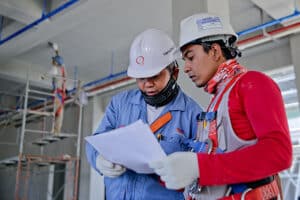 It’s not a surprise that the construction industry is posing a significant threat to the environment due to its substantial contributions to waste and carbon emissions every year. Nevertheless, many construction project managers have begun to recognize the importance of introducing sustainability practices during the building process. Despite the efforts that have been made to make construction projects more sustainable, there is still a lot more that can be done to make a positive impact on our planet. Therefore, it’s important to address key issues, such as the use of finite resources and the effect of climate change. Today we will provide more clarification on what construction project managers can do to promote and maintain sustainability throughout their projects.
Consider Your Current Strategy
Before you begin, it’s important to evaluate your current strategy so that you can determine where you need to make improvements. Be sure to examine your current processes, as this will give you a better idea of what you can do to incorporate sustainability. This can also be a great way to set new goals and create a robust sustainability strategy for your construction projects. It might also be beneficial to define roles and assign responsibilities to different people on your team so that you can maximize productivity. As a result, each employee will have a task they are responsible for, which will encourage them to take part in increasing sustainability.
Use Project Management Software
Instead of using tons of paper like documents, drawings, and blueprints during the planning stage, it’s worthwhile looking into construction management software like Kahua. Their construction project management software can help you manage commercial construction project costs and improve efficiency in your supply chain. This cloud-based solution is a crucial element in promoting and maintaining sustainability. Aside from being more environmentally friendly, using management software for construction is one of the best ways to streamline project communication with unrivaled flexibility. Kahua ensures that every member of your team can maximize their potential, from owners to subcontractors.
Set Sustainability Standards
Focus on maintaining sustainability by setting standards, which will need to be enforced once work has begun. It’s essential to consider all elements of the design and planning stage, such as choosing the right materials, opting for energy-efficient technologies, and ensuring optimal environmental performance. Commercial buildings are usually some of the biggest contributors to carbon emissions, so setting sustainability standards can be the first step towards reducing their carbon footprint. If large enterprises focus on sustainable construction, this can also inspire other smaller companies to do the same.
Look For Green Materials
The use of construction materials can have a detrimental impact on the environment, so choosing sustainable materials should be one of your top priorities. Green materials can be used as an alternative to harmful materials, which are typically used in construction projects. Some examples of sustainable materials include bamboo thanks to its ability to grow fast, as well as recycled wood, cork, and hempcrete. In addition, you can also make recommendations to other team members, such as electrical engineers by advising them to use more energy-efficient options.
Learn How To Dispose Of Waste Correctly
Another key issue that you will need to consider is the amount of waste that is usually generated on construction sites. You should ensure that waste is always disposed of in the most environmentally friendly way possible. For example, it’s advisable to keep track of any items which can be repurposed or recycled rather than throwing them away immediately. If you encounter items that cannot be reused, it’s crucial to show your team how to dispose of them correctly. Things like plastic, glass, and metal waste can be sent to recycling units. Also, masonry can often be reused in other construction projects. For tasks like debris removal and site clearing, a mini excavator rental can be an efficient and cost-effective option to help manage waste and ensure proper disposal practices on-site.
Implement A Transportation System
One of the most important activities associated with construction sites is transportation, which can have a negative impact on the environment if not properly managed. Therefore, it’s recommended to use an effective transportation system, which can help you monitor your fleet and identify the best possible routes. You can also keep track of driving behavior and ensure proactive maintenance in real-time. In addition, you can use biodiesel to run your transport vehicles, as it is a greener alternative.
Allocate Funding
If you want to ensure that you can create meaningful change in construction practices, it’s important to allocate sufficient funding to reach your goals. This means that you may need to look at different financing options in the form of loans, venture capital, grants, donations, crowdfunding, funds from shareholders, and others. In addition, you can also take a look at your budget and determine where you could potentially make cuts to save for your sustainability strategy. Be sure to include contingency funds, which can be used for additional research and analysis. Taking funding into consideration early in the process will increase your chances of success.
Work With Sustainable Partners
Choosing to work with sustainable partners will help bring you closer to achieving your sustainability goals. It may be difficult to convince your current suppliers to introduce sustainable methods at first. However, it can be helpful to reiterate the importance of sustainable construction and the benefits of introducing green initiatives. While it’s unlikely that change will happen overnight, taking small steps will help you in the long term. When deciding who to work with, it’s crucial to check their credentials and ensure they care about sustainability as much as you do. Although it might be challenging to sift through a high number of suppliers, you shouldn’t stop looking until you find companies which share your priorities and goals.
Opt For Renewable Energy
Using precious sources of non-renewable energy can lead to emissions of greenhouse gases and air pollutants. Therefore, it’s advisable to opt for renewable energy sources when powering the equipment used at construction sites. For example, consider using solar panels, which can be installed to produce electricity instead of fossil fuels. In addition, construction sites can be illuminated with the help of solar lanterns, which are not only cheaper to operate, but they can also be a great way to reduce emissions while still providing the required visibility.
Optimize Space
You should always strive to make the most of your available space by looking at ways you can build in a space-conserving way. For instance, you can opt for vertical construction, which is a space-friendly method, that can help you maximize building space. Aim to utilize existing facilities and ensure they can last a long time so that resources won’t be spent on repairs, maintenance, or rebuilding. This will involve balancing the environmental, economic, and social aspects of your construction project.
Review Your Progress
Moving towards sustainable construction means that you will need to review your progress on a regular basis to measure the effectiveness of your initiatives. There are many accreditations and tools that you can use to gauge how sustainable your construction project is. This way, you will also measure the success of any eco-friendly technologies you have implemented. Once you see the results of your sustainability strategy, remember to spread awareness about the benefits of sustainable construction. You can inform other developers and managers of the best practices they can use in their own projects, which can help you work towards a greener future for the construction industry as a whole.