






How to Reduce Your Carbon Footprint at Home
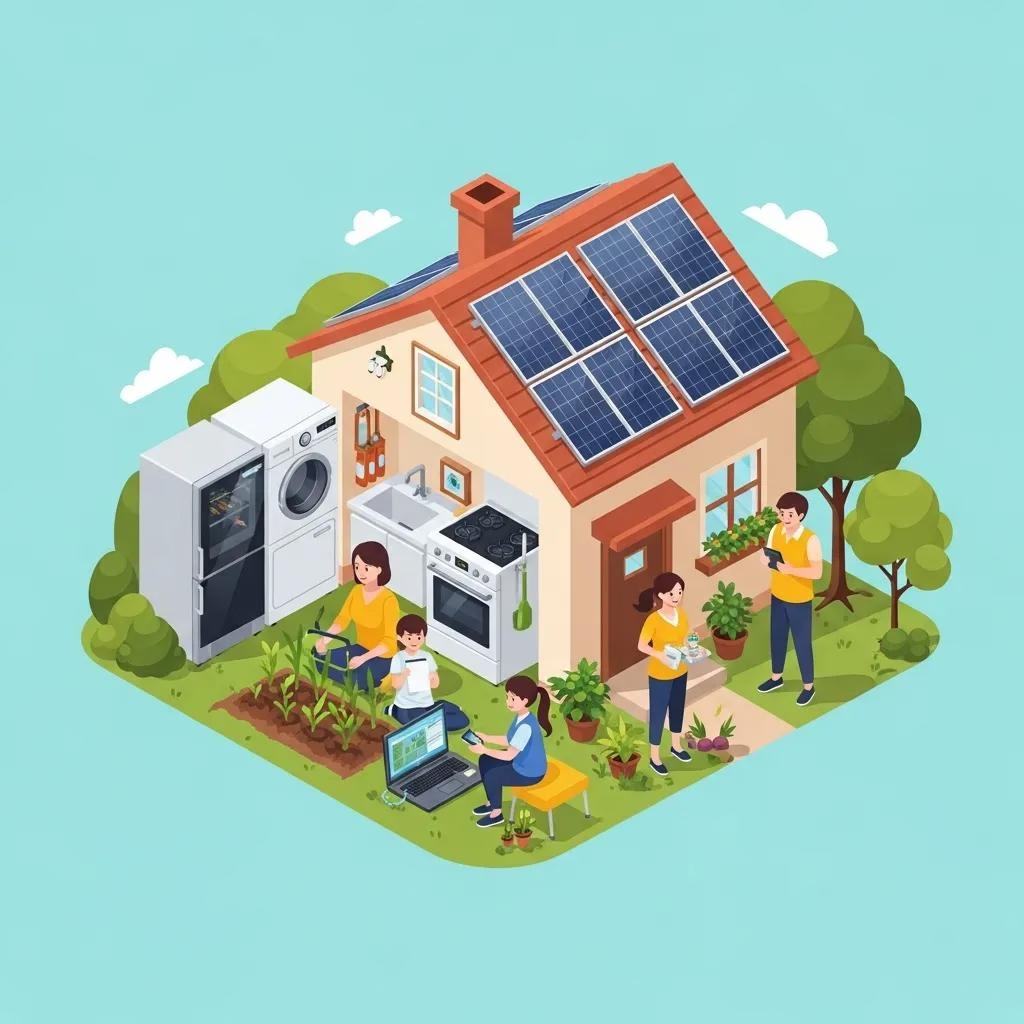
Slash Your Home's Carbon Footprint with Energy-Saving & Green Tips
Lowering your home’s carbon footprint is one of the most effective things you can do to fight climate change—and it often saves you money and makes your home more comfortable. This guide breaks down clear, practical actions: from measuring where your emissions come from to simple daily habits and longer‑term upgrades. Read on for energy‑efficient strategies, everyday sustainable choices, and tools to track your progress so you can make steady, measurable improvements.
Throughout the article you’ll find concrete examples and easy entry points so you can pick a few high‑impact changes and expand from there. The goal is realistic, sustained improvement rather than perfection overnight.
Key Takeaways
- Reducing household emissions is a meaningful way to tackle climate change while improving your home.
- Energy efficiency cuts both carbon emissions and your utility bills.
- Switching to renewables like solar or wind lowers dependence on fossil fuels.
- Simple sustainable habits—composting, mindful buying, reducing waste—add up over time.
- Good insulation and efficient appliances are among the most impactful home upgrades.
- Saving water reduces the energy needed to heat and treat it, shrinking your footprint.
- Recycling and waste reduction prevent methane emissions from landfills.
- Tracking your carbon footprint helps you set realistic goals and measure real progress.
Energy Efficiency Strategies

Energy efficiency means using less power to get the same comfort and function. Small changes—like sealing drafts or swapping old appliances—coupled with targeted upgrades can sharply reduce energy use and emissions while lowering bills.
Evidence consistently shows household energy efficiency is a high-impact route to reducing overall emissions.
Promoting Household Energy Efficiency & Emission Reduction
Household energy use represents a large share of total energy consumption, making homes a strategic focus for emissions reductions. Although energy efficiency offers clear benefits, underinvestment can occur for several reasons. Policy tools—standards, incentives, and better information—help overcome barriers and speed adoption of efficient technologies.
Promoting energy efficiency at household level: a literature review, MM Solà, 2021
- Assess Your Carbon Footprint: Begin by tracking where your energy and emissions come from so you can target the biggest opportunities.
- Switch to Renewable Energy: Where feasible, shift to solar, wind, or utility green‑energy options to lower fossil‑fuel reliance.
- Upgrade to Energy‑Efficient Appliances: Replace older units with high‑efficiency models to cut ongoing energy and water use.
These steps reduce emissions and create a more sustainable, cost‑effective home over time.
When planning upgrades, prioritize measures with the fastest payback or those that deliver the largest emissions reductions for your household. Combining small behavior changes with one or two physical upgrades often gives the best return.
Sustainable Living Tips

Sustainable living is about practical choices you can fold into daily life—choices that shrink waste, conserve resources, and often improve health and comfort.
- Reduce Water Consumption: Fix leaks and install efficient fixtures to cut both water and the energy used to heat and treat it.
- Practice Mindful Purchasing: Buy less, choose durable or second‑hand goods, and prioritize items with clear sustainability credentials.
- Compost Organic Waste: Composting diverts food scraps from landfills, lowers methane emissions, and creates soil for gardens.
Little habits add up—start with one or two changes and build from there.
To keep momentum, pair habit changes with easy tracking: mark a calendar, use a simple checklist, or set a small monthly goal (for example, reduce food waste by a specified amount). Tangible targets help turn intentions into lasting routines.
Actionable Steps
Practical actions make sustainability tangible. Here are straightforward measures you can start today or plan for in the months ahead:
- Adopt a Sustainable Diet: Shift toward more plant‑forward meals and reduce meat where possible to cut food‑related emissions.
- Rethink Transportation: Use public transit, cycle, walk, or combine trips to lower vehicle emissions.
- Engage in Community Initiatives: Join local tree plantings, swaps, or cleanups to multiply your impact.
These steps improve health, save resources, and strengthen community resilience.
When choosing which actions to start, consider convenience and cost: quick wins like LEDs or weatherstripping often build confidence, making larger investments—like a heat pump or solar panels—easier to plan and afford.
What Is a Carbon Footprint and Why Does It Matter for Your Home?
Your carbon footprint is the total greenhouse gases produced by your activities, measured in carbon dioxide equivalents. Knowing your footprint reveals which choices—energy use, travel, food, waste—drive your emissions so you can prioritize the most effective changes.
Robust measurement methods and an understanding of household behaviors are essential for meaningful reductions.
Household Carbon Footprint Measurement & Assessment
As urbanization and consumption patterns change, residential emissions have grown in importance. This review outlines methods for measuring household carbon footprints, evaluates assessment models and tools for scales from individuals to cities, and highlights challenges like data quality and model assumptions. It also points to future research directions to improve household emissions assessment.
A review of household carbon footprint: measurement methods, evolution and emissions assessment, 2024
How Is a Home’s Carbon Footprint Measured?
Calculating your home’s footprint combines energy use, travel, and waste into a single estimate. Online calculators ask for details like:
- Energy usage (electricity, natural gas, heating oil)
- Transportation habits (vehicle type, annual mileage)
- Waste patterns (what you recycle or compost)
With that information you can see which areas offer the biggest opportunity to cut emissions.
For more accurate tracking, use actual utility bills and mileage records where possible rather than rough guesses. If you rent or live in a multifamily building, ask your property manager for building‑level energy data—shared information can substantially change the baseline estimate.
What Are the Main Sources of Home Greenhouse Gas Emissions?
Most household emissions come from a few predictable sources:
- Energy Consumption: Heating, cooling, and appliance use drive a large share of home emissions.
- Transportation: Cars and other vehicles add substantially to household footprints.
- Waste Generation: Organic waste in landfills produces methane, a powerful greenhouse gas.
Target these areas first to make the biggest reductions.
Within each category, small adjustments compound: a slightly more efficient commute, thoughtful meal planning, and regular appliance maintenance can together cut a noticeable portion of household emissions.
How Can You Improve Home Energy Efficiency to Cut Carbon Emissions?
Improving efficiency lowers energy use without sacrificing comfort. Try these effective measures:
- Upgrade to Energy‑Efficient Appliances: Look for high efficiency ratings when replacing major appliances.
- Switch to LED Lighting: LEDs use far less energy and last much longer than incandescent bulbs.
- Improve Home Insulation: Sealing drafts and insulating key areas cuts heating and cooling demand.
These changes reduce emissions and typically pay back through energy savings.
Simple maintenance tasks—cleaning HVAC filters, tuning appliances, and installing programmable thermostats—often reduce energy use at low cost. Combined with bigger upgrades, maintenance helps prolong equipment life and maintain efficiency gains.
Which Energy Efficient Appliances Save the Most Carbon?
Some appliance upgrades offer especially large returns in carbon and cost savings:
- Refrigerators: Modern, efficient models run less and reduce ongoing electricity use.
- Washing Machines: High‑efficiency washers use less water and energy per load.
- Heating and Cooling Systems: Upgrading to efficient HVAC or heat pumps cuts the biggest chunk of home energy use.
Prioritize appliances that consume the most energy for the best impact.
When shopping, compare energy labels and consider lifecycle benefits: a slightly more expensive unit may use much less energy over its life and require fewer repairs, improving both carbon and cost outcomes.
How Does Proper Insulation Reduce Energy Use and Emissions?
Insulation stabilizes indoor temperatures so heating and cooling systems run less. Benefits include:
- Types of Insulation: Materials like fiberglass, foam, and cellulose offer different R‑values and cost profiles.
- Target Areas for Insulation: Attics, walls, and basements typically yield the biggest savings.
- Long‑Term Benefits: Insulation reduces energy bills and improves comfort over many years.
Consider an energy audit to identify where insulation will help most.
In many climates, a relatively small investment in attic insulation or sealing air leaks produces one of the quickest returns in reduced heating and cooling costs.
What Renewable Energy Options Are Available for Homes?
Several residential renewable solutions are practical depending on location and budget:
- Solar Energy: Rooftop solar is widely accessible and often delivers strong long‑term savings.
- Wind Energy: Small wind systems can work in consistently windy areas.
- Geothermal Energy: Ground‑source heat pumps use stable underground temperatures for efficient heating and cooling.
Each option reduces grid reliance and can lower your household emissions.
Assess local resource availability, incentives, and installation complexity before committing. For many homeowners, combining on‑site renewables with energy efficiency upgrades maximizes both environmental and financial benefits.
How Do Solar Panels Reduce Your Home’s Carbon Footprint?
Solar panels convert sunlight into electricity, replacing fossil‑fuel power and lowering emissions. Benefits include:
- Energy Savings: Generate electricity on‑site to cut utility bills.
- Environmental Benefits: Solar reduces greenhouse gas emissions tied to grid electricity.
- Sustainability: Solar relies on a renewable resource—sunlight—helping decarbonize long term.
Check local incentives and panel performance estimates to assess payback and impact.
Consider pairing solar with battery storage or time‑of‑use pricing strategies to increase self‑consumption and resilience. Many installers offer free site assessments to estimate expected generation and savings.
Are Wind Energy Systems Practical for Residential Use?
Residential wind can work well where wind resources are strong and consistent. Considerations include:
- Carbon Emissions Reduction: Wind turbines generate clean electricity that lowers a home’s footprint.
- Energy Independence: Turbines can reduce reliance on the grid in suitable locations.
- Installation Considerations: Zoning, noise, and local wind patterns affect feasibility.
Conduct a site assessment before investing in a residential wind system.
In many suburban or urban areas, rooftop wind is less practical than solar; a careful site study will clarify whether wind is a viable option where you live.
Which Water Conservation Techniques Help Lower Your Carbon Footprint?
Saving water reduces the energy used to treat and heat it. Effective techniques include:
- Fix Leaks: Repair leaks promptly to avoid wasted water and energy.
- Install Water‑Efficient Fixtures: Low‑flow faucets and showerheads cut use without sacrificing performance.
- Adopt Daily Water‑Saving Practices: Simple habits—turning off the tap while brushing or running full loads—add up.
Lowering water use trims both water and energy bills.
For homes with irrigation, consider drip systems and drought‑tolerant landscaping to cut outdoor water use, which can be a large part of seasonal consumption in some regions.
How Does Reducing Water Use Impact Energy Consumption?
Using less water reduces the energy needed for treatment, distribution, and heating. Key links include:
- Energy for Water Treatment: Treating and transporting water requires significant energy.
- Reduced Energy for Heating Water: Less hot water means lower energy use for heating.
- Impact on Power Plants: Lower water demand can reduce stress on energy production infrastructure.
Water‑saving measures therefore contribute directly to cutting household emissions.
Evaluating hot water consumption—for example, measuring shower times or fitting a water meter—helps target the highest savings opportunities in the home.
What Are Simple Water Saving Tips for Sustainable Living?
Small adjustments can produce big water savings. Try these:
- Turn Off the Tap: Don’t let the water run while brushing teeth or washing up.
- Run Full Loads: Only run dishwashers and washing machines with full loads.
- Take Shorter Showers: Cutting shower time saves gallons daily.
These easy habits reduce water use and the energy tied to it.
Consider installing inexpensive water monitors or low‑flow aerators as passive ways to reduce use without changing daily routines significantly.
How Can Waste Reduction and Recycling Contribute to Carbon Footprint Reduction?
Cutting waste and recycling conserve resources and lower emissions by avoiding energy‑intensive production and methane from landfills. Key points:
- Waste Generation Impact: Landfills release methane from decomposing organic matter.
- Recycling Benefits: Recycling uses less energy than producing new materials from raw resources.
- Behavioral Changes: Prioritizing reduce, reuse, and recycle reduces overall waste streams.
Tackling waste is a practical way to shrink your household footprint.
Start by auditing what you throw away for a week—knowing the main waste streams (packaging, food, textiles) lets you choose the most effective reduction strategies.
What Are Effective Home Waste Reduction Strategies?
Practical strategies help curb waste at the source:
- Reduce Single‑Use Items: Replace disposables with durable alternatives like reusable bags and bottles.
- Opt for Reusable Products: Choose long‑lasting items over throwaway versions.
- Participate in Recycling Programs: Use local recycling services to keep materials in circulation.
These choices lower waste and support a circular economy.
When possible, buy in bulk, repair rather than replace, and support businesses that offer take‑back or refill options to reduce packaging and overall lifecycle emissions.
How Does Recycling Help Lower Greenhouse Gas Emissions?
Recycling saves energy compared with producing goods from virgin materials, and it keeps waste out of landfills where it can generate methane. Consider:
- Recycling Process: Reprocessing materials often uses less energy than extraction and manufacturing.
- Impact on Landfill Waste: Diverting organic and recyclable materials reduces methane and landfill volume.
- Energy Savings from Recycling: The energy saved by recycling translates into lower emissions across supply chains.
Active recycling supports emissions reductions beyond your home.
Check local recycling guidelines to ensure materials are sorted correctly—contamination can reduce the benefit of recycling programs and increase costs.
What Behavioral Changes and Lifestyle Adjustments Reduce Home Carbon Emissions?
Shifts in daily habits can be powerful. Try these practical approaches:
- Mindful Purchasing: Choose products with less packaging and better durability to lower lifecycle emissions.
- Educating Household Members: Share simple routines and involve everyone to make sustainability a shared effort.
- Composting Organic Waste: Composting reduces landfill waste and returns nutrients to soil.
Small, consistent changes often have the biggest long‑term impact.
Make changes visible—post a chart of weekly progress or label bins clearly—to help everyone in the household stay aligned and engaged.
How Can Sustainable Living Tips Be Incorporated Easily at Home?
Make sustainable changes manageable by starting small and building momentum. Practical tips include:
- Start Small: Pick one habit—like LEDs or a compost bin—and stick with it until it becomes routine.
- Involve Family Members: When everyone helps, changes are easier to keep up.
- Track Progress: Log improvements to stay motivated and spot what works.
Gradual steps lead to durable lifestyle changes.
Use community resources—libraries, tool shares, local workshops—to lower the cost and effort of trying new sustainable practices before committing fully.
How Do Carbon Offsetting Programs Work for Homeowners?
Carbon offsets let you compensate for emissions you can’t eliminate by funding verified projects that reduce or remove greenhouse gases elsewhere. Typical features include:
- Definition of Carbon Offsetting: Buying credits supports activities like reforestation or clean energy that cut emissions.
- Types of Programs Available: Options include renewable energy credits, carbon capture, and conservation projects.
- How to Choose a Program: Look for transparency, credible standards, and measurable outcomes before purchasing offsets.
Offsets can complement direct reductions when chosen carefully.
Think of offsets as a temporary complement to on‑site reductions: prioritize cutting emissions at home first, then use high‑quality offsets for remaining unavoidable sources.
What Types of Carbon Offset Options Are Available for Residential Use?
Homeowners can explore several offset choices:
- Renewable Energy Credits: Support renewable generation that offsets electricity use.
- Reforestation Projects: Tree planting initiatives absorb CO2 over time.
- Energy Efficiency Projects: Funding efficiency upgrades in other homes or buildings reduces emissions at scale.
Pair offsets with on‑site reductions for the greatest benefit.
Review project documentation to ensure claims are backed by independent verification and follow recognized methodologies for emissions accounting.
How Can You Choose Credible Carbon Offset Programs?
To ensure your money buys real emissions reductions, follow these guidelines:
- Researching Programs: Favor organizations that publish clear methodologies and results.
- Understanding Certifications: Look for recognized certifications that verify the project’s impact.
- Evaluating Impact: Check whether projects demonstrate measurable, long‑term emissions reductions.
Careful vetting helps you support high‑quality projects with real climate benefit.
Beware of vague marketing language; transparent projects provide measurable outcomes, monitoring plans, and third‑party audits.
How Can You Use a Carbon Footprint Calculator to Track Your Home’s Progress?
Carbon calculators turn your energy, travel, and waste data into an actionable starting point. Use them to:
- Inputting Data: Enter accurate figures for energy bills, travel, and household habits for a reliable snapshot.
- Setting Goals: Set achievable reduction targets based on your baseline footprint.
- Tracking Progress: Update regularly to measure gains and refine your strategy.
Calculators help you prioritize changes that deliver the biggest emissions reductions.
Choose calculators that explain assumptions and let you adjust inputs; this makes comparisons over time more meaningful and the results easier to act on.
What Data Is Needed to Accurately Calculate Your Home Carbon Footprint?
Gathering a few key data points gives a clear picture:
- Transportation Data: Vehicle type, annual mileage, and fuel consumption details.
- Energy Consumption: Monthly electricity and gas usage, plus major appliance efficiency.
- Waste Production: Estimates of recycling, composting, and landfill waste.
Collecting this information makes your footprint—and progress—more accurate.
If you aim for continuous improvement, keep a simple spreadsheet or notes app to record monthly consumption—it makes trends and anomalies easy to spot.
How Can Tracking Help You Make Better Sustainable Living Decisions?
Tracking turns intentions into measurable outcomes. Benefits include:
- Understanding Impact: Data shows which actions actually move the needle on emissions.
- Identifying Areas for Improvement: Tracking highlights the biggest opportunities to reduce carbon.
- Setting Measurable Goals: Clear targets and regular updates keep you accountable and motivated.
Regular measurement helps you invest time and money where it matters most.
Use tracking to inform short‑term decisions (when to replace an appliance) and long‑term planning (which retrofit to prioritize), and revisit goals as circumstances change.
Frequently Asked Questions
What are some easy ways to start reducing my carbon footprint at home?
Start with a few simple, high‑impact changes: switch to LED bulbs, fix leaks, reduce single‑use plastics, and try a few plant‑based meals each week. Use public transit, bike, or combine errands to cut driving. Get your household involved so the changes stick, and track small wins to stay motivated.
How can I effectively measure my progress in reducing my carbon footprint?
Use an online carbon calculator and enter current energy bills, travel habits, and waste practices. Update the calculator periodically and set clear, time‑bound goals. Comparing snapshots over time shows real progress and helps you adjust your priorities.
What role does community involvement play in reducing carbon footprints?
Community action multiplies individual efforts. Local projects—like tree plantings, repair cafes, or bulk cleanups—raise awareness, reduce barriers, and create shared resources that make sustainable choices easier for everyone.
How can I educate my family about sustainable living practices?
Make it hands‑on and fun: start a compost bin, garden together, or hold a family challenge to cut waste. Use clear examples of how habits affect energy use and costs, and celebrate progress to build lasting habits.
What are the benefits of composting for my household and the environment?
Composting reduces organic waste sent to landfills—cutting methane emissions—while producing nutrient‑rich soil for gardens. It can lower trash costs and close the loop on food waste, benefiting both your household and local ecosystems.
How can I choose the right renewable energy option for my home?
Consider local climate, roof orientation, available incentives, and your budget. Solar is broadly practical in many areas; small wind requires steady wind resources; geothermal suits properties where installation is feasible. Compare expected savings, payback time, and available rebates to decide.
What are some common misconceptions about reducing a carbon footprint?
Two common myths: that individual actions don’t matter, and that sustainable choices are always expensive. In reality, many small actions add up, and many efficiency upgrades pay for themselves over time—saving money while cutting emissions.
Conclusion
Reducing your home’s carbon footprint is practical, measurable, and rewarding. By combining easy daily habits with targeted upgrades—like better insulation, efficient appliances, and renewable energy—you can lower emissions, reduce bills, and create a healthier living space. Start small, track your progress, and build momentum: each change adds up. Explore the tips and tools here to plan your next step toward a greener, more resilient home.
Keep iterating: review progress yearly, celebrate milestones, and scale up changes as your budget and confidence grow. Over time, the sum of small actions becomes a meaningful contribution to a more sustainable future.