






How to Spot Greenwashing: Evaluating the Authenticity of Sustainable Living Brands

How to Spot Greenwashing: Evaluating Authentic Sustainable Living Brands with Certification and Verification
By Roddy Scheer, E — The Environmental Magazine
In an era where sustainability is increasingly prioritized, consumers face the challenge of distinguishing between genuinely eco-friendly brands and those engaging in greenwashing. Greenwashing refers to the deceptive practice where companies exaggerate or fabricate their environmental efforts to appear more sustainable than they are. This article aims to equip readers with the knowledge to identify greenwashing tactics and evaluate the authenticity of sustainable living brands. By understanding the nuances of environmental claims, consumers can make informed choices that support genuine sustainability efforts. We will explore the definition of greenwashing, its impact on consumer trust, common tactics used by brands, and how to verify environmental claims through recognized certifications and eco-labels.
What Is Greenwashing and Why Does It Matter?
Greenwashing is a marketing strategy employed by companies to mislead consumers about the environmental benefits of their products or practices. This tactic undermines genuine sustainability efforts and can lead to consumer distrust. Recognizing greenwashing is crucial for consumers who wish to support authentic brands that prioritize environmental responsibility. The significance of understanding greenwashing lies in its potential to influence purchasing decisions and promote accountability among companies.
Indeed, research further elaborates on greenwashing as a deceptive practice that significantly erodes consumer trust and hinders genuine sustainability.
Understanding Greenwashing: Deceptive Practices & Consumer Education
This document explores the phenomenon of greenwashing, a deceptive practice where companies project an environmentally responsible image without substantial environmental benefits that involve strategies like misleading labels, vague claims, and irrelevant or false assertions to appeal to eco-conscious consumers. The findings reveal that greenwashing undermines consumer trust, genuine sustainability efforts, and informed decision-decision-making. It emphasizes the need for stricter regulations and consumer education to counteract greenwashing.
Unveiling greenwashing strategies: A comprehensive analysis of impacts on consumer trust and environmental sustainability, HND Şenyapar, 2024
How Is Greenwashing Defined and Identified?
Greenwashing can be identified through various characteristics that often appear in marketing materials. Companies may use vague language that lacks specific details about their environmental initiatives. They might highlight isolated attributes of a product while obscuring broader negative impacts. Additionally, greenwashing often involves a lack of transparency regarding corporate responsibility, making it essential for consumers to scrutinize claims critically.
What Impact Does Greenwashing Have on Consumer Trust and Climate Action?
The prevalence of greenwashing erodes consumer trust in brands and can hinder genuine climate action. When consumers discover that they have been misled, it can lead to skepticism towards all sustainability claims, even those from authentic brands. This backlash can stifle the progress of legitimate sustainability initiatives, as consumers may become disillusioned and less likely to support eco-friendly products. Understanding the implications of greenwashing is vital for fostering a culture of accountability and encouraging companies to adopt genuine sustainable practices.
Which Common Greenwashing Tactics Should Consumers Recognize?
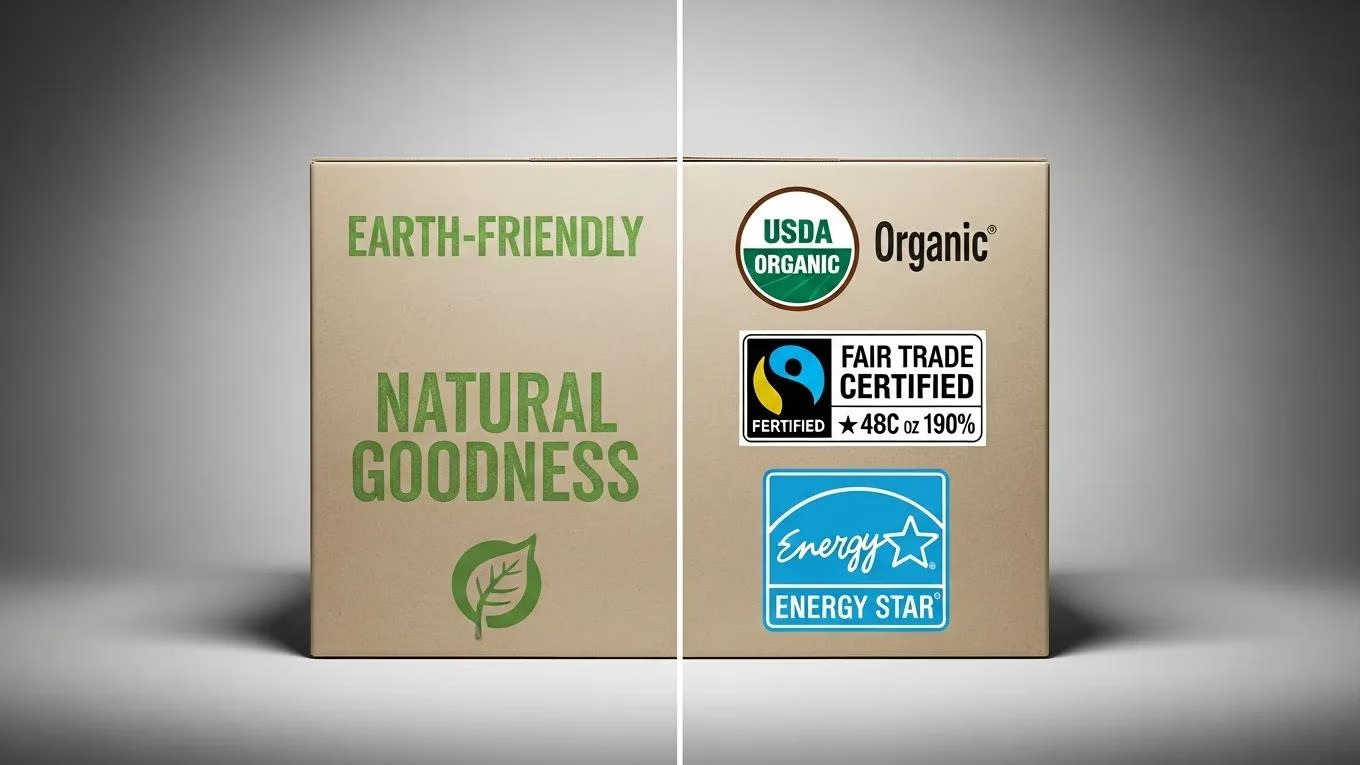
Consumers should be aware of several common tactics used in greenwashing:
- Vague Language: Brands often use ambiguous terms like “eco-friendly” or “natural” without providing concrete evidence or definitions.
- Highlighting Isolated Attributes: Companies may focus on a single positive aspect of a product while ignoring its overall environmental impact.
- Misleading Certifications: Some brands may display certifications that sound impressive but lack credibility or are not backed by rigorous standards.
Recognizing these tactics can empower consumers to make more informed choices and support brands that genuinely prioritize sustainability.
Despite efforts to educate consumers, the inherent nature of greenwashing tactics often makes it challenging for individuals to accurately identify these deceptive practices.
Identifying Greenwashing Tactics: Challenges for Consumers
In summary, businesses utilize greenwashing tactics to meet market demand, exploit the lack of information, and make it challenging for consumers to accurately identify instances of greenwashing.
Combating greenwashing tactics and embracing the economic success of sustainability, 2023
What Are Typical Examples of Greenwashing Used by Brands?
Examples of greenwashing can be found across various industries. Some brands promote faux environmental initiatives, such as planting a few trees while continuing harmful practices. Others may claim misleading certifications, suggesting that their products are environmentally friendly without meeting the necessary criteria. Additionally, false claims of carbon neutrality can mislead consumers into believing that a brand’s operations have no negative environmental impact when, in reality, they may still contribute significantly to carbon emissions.
How Do Brands Misuse Environmental Claims and Eco-Labels?
Brands often misuse environmental claims and eco-labels by presenting them in a way that misleads consumers. Vague language in claims can create an illusion of sustainability without providing substantial evidence. Highlighting isolated attributes allows companies to divert attention from more significant environmental issues associated with their products. Furthermore, obscuring corporate responsibility can lead consumers to believe that a brand is more sustainable than it truly is, making it essential for consumers to investigate claims thoroughly.
How Can Consumers Verify Environmental Claims and Sustainable Product Certifications?
To verify environmental claims and sustainable product certifications, consumers can adopt several strategies:
- Research Brands: Investigate the company’s history, practices, and reputation regarding sustainability.
- Check Product Labels: Look for specific certifications and eco-labels that are recognized and credible.
- Use Consumer Guides: Refer to independent resources that evaluate brands based on their environmental practices.
By employing these methods, consumers can make more informed decisions and support brands that genuinely contribute to sustainability.
What Are Authentic Sustainability Certifications and Eco-Labels?
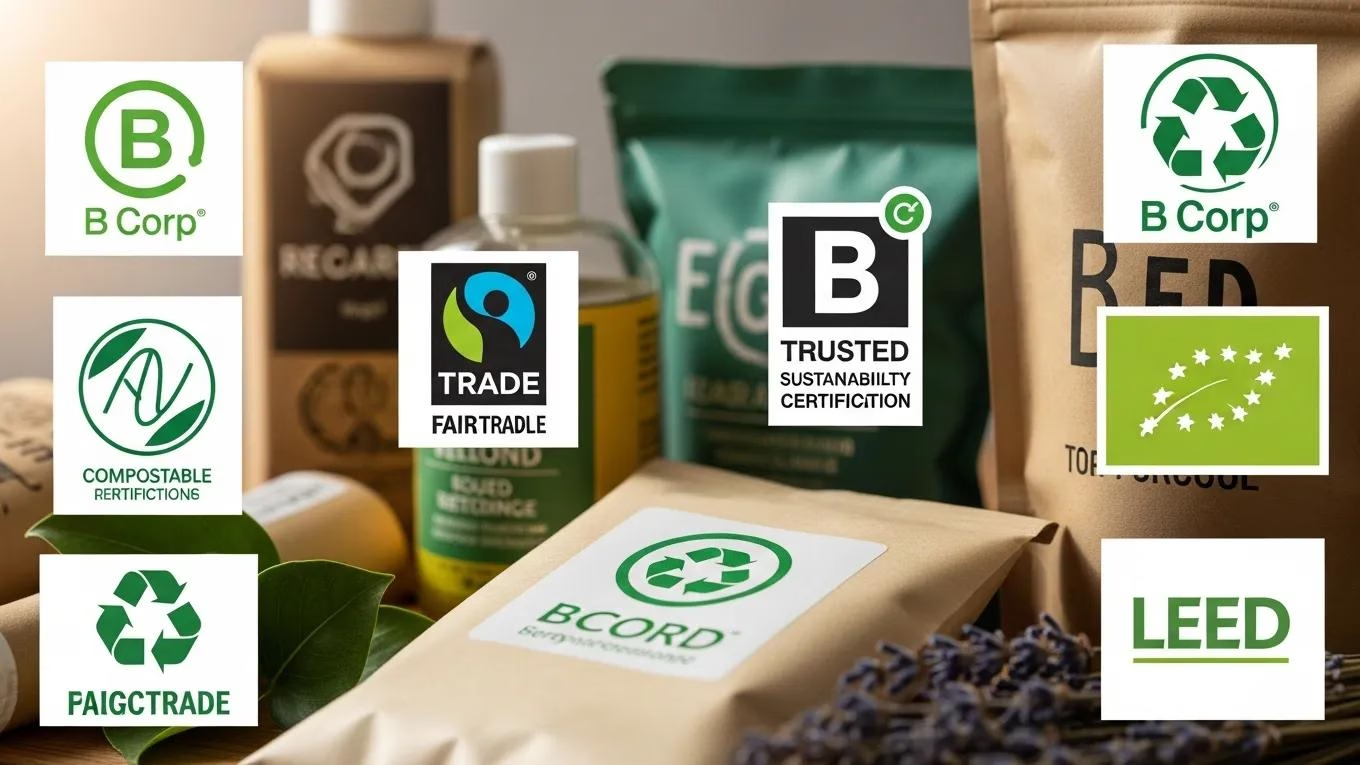
Authentic sustainability certifications and eco-labels play a crucial role in helping consumers identify genuinely eco-friendly products. These certifications often require third-party verification, ensuring that brands meet specific environmental standards. Examples of trusted certifications include the Forest Stewardship Council (FSC) for sustainable forestry, the Energy Star label for energy-efficient products, and the USDA Organic seal for organic food. Understanding the criteria for authenticity is essential for consumers seeking to support responsible brands.
Which Tools and Methods Help Detect False or Misleading Claims?
Several tools and methods can assist consumers in detecting false or misleading claims:
- Research Brands: Utilize online resources and databases that track corporate sustainability practices.
- Scrutinize Product Labels: Examine labels for transparency and clarity regarding environmental claims.
- Use Consumer Guides: Refer to guides that evaluate brands based on their sustainability efforts and provide insights into their practices.
These approaches can help consumers navigate the complex landscape of environmental claims and make informed choices.
What Are Recent Case Studies of Greenwashing and Authentic Brands?
Recent case studies illustrate the ongoing challenges of greenwashing in the marketplace. For instance, several well-known brands have faced accusations of greenwashing due to misleading marketing practices. These cases highlight the importance of consumer vigilance and the need for accountability in corporate sustainability efforts. Conversely, success stories of genuine sustainable brands demonstrate the positive impact of authentic practices on consumer trust and brand loyalty.
Which Brands Have Been Accused of Greenwashing in 2025-2026?
In 2025-2026, several brands have been accused of greenwashing, drawing attention to their misleading environmental claims. These accusations often stem from discrepancies between marketing messages and actual practices, leading to consumer backlash and calls for greater transparency. The scrutiny faced by these brands underscores the importance of accountability in sustainability efforts.
What Are Success Stories of Genuine Sustainable Brands?
Conversely, numerous brands have emerged as success stories in the realm of sustainability. These companies have implemented genuine practices that prioritize environmental responsibility, earning consumer trust and loyalty. By focusing on transparency and accountability, these brands demonstrate that authentic sustainability can lead to positive outcomes for both the environment and their business.
How Can Consumers Support Genuine Sustainability and Corporate Transparency?
Consumers can play a vital role in supporting genuine sustainability and corporate transparency by taking proactive steps:
- Research Brands: Investigate the sustainability practices of companies before making purchases.
- Engage with Companies: Ask questions and seek clarification on environmental claims to promote transparency.
- Use Consumer Guides: Refer to resources that evaluate brands based on their sustainability efforts.
By actively supporting brands that prioritize genuine sustainability, consumers can contribute to a more responsible marketplace.
How Does Corporate Sustainability Transparency Influence Purchasing Decisions?
Corporate sustainability transparency significantly influences purchasing decisions. When brands are open about their practices and provide clear information about their environmental impact, consumers are more likely to trust and support them. Transparency fosters accountability and encourages companies to adopt genuine sustainable practices, ultimately benefiting both consumers and the environment.
Which Sustainability Certifications and Eco-Labels Are Most Trusted?
Several sustainability certifications and eco-labels are widely recognized and trusted by consumers. These include:
- Fair Trade: Ensures ethical sourcing and fair wages for producers.
- B Corp: Certifies companies that meet high social and environmental performance standards.
- LEED: Recognizes sustainable building practices and energy efficiency.
Understanding the criteria for these certifications can help consumers make informed choices and support brands that align with their values.
How Do Certifications Like B Corp, Fair Trade, and LEED Verify Authenticity?
Certifications such as B Corp, Fair Trade, and LEED verify authenticity through rigorous assessment processes. B Corp certification evaluates a company’s social and environmental performance, ensuring that it meets high standards of accountability. Fair Trade certification focuses on ethical sourcing and fair treatment of producers, while LEED certification recognizes sustainable building practices. These certifications provide consumers with confidence in the authenticity of a brand’s sustainability claims.
What Are the Differences Between Various Eco-Labels?
Different eco-labels serve distinct purposes and have varying criteria for certification. Understanding these differences is crucial for consumers seeking to make informed choices. Some eco-labels may focus on specific aspects of sustainability, such as energy efficiency or organic farming, while others may encompass broader environmental practices. Familiarizing oneself with the criteria for different eco-labels can help consumers navigate the marketplace more effectively.
How Is Structured Data and Semantic Markup Used to Enhance Greenwashing Detection?
Structured data and semantic markup play a significant role in enhancing greenwashing detection by providing clear, machine-readable information about products and their environmental claims. This technology allows search engines to better understand and display relevant information, helping consumers make informed decisions. By utilizing structured data, brands can improve transparency and accountability in their sustainability efforts.
In fact, leveraging structured data is increasingly recognized as a powerful tool for improving transparency and enabling stakeholders to effectively identify greenwashing.
Detecting Greenwashing: The Role of Transparent Corporate Disclosures
Structured data enhances transparency and comparability of corporate disclosures and enables stakeholders to reliably evaluate firms or detect greenwashing [9].
Enhancing the Extraction of GHG Emission-Reduction Targets from Sustainability Reports Using Vision Language Models, 2026
What Schema.org Types Support Marking Up Sustainability Claims?
- Product: Provides detailed information about a product’s environmental attributes.
- Organization: Describes a company’s sustainability practices and certifications.
- Review: Allows consumers to share their experiences and evaluations of a brand’s sustainability efforts.
Implementing these schema types can enhance visibility and credibility for brands committed to genuine sustainability.
How Can FAQ and ClaimReview Schema Improve Consumer Understanding?
FAQ and ClaimReview schema can significantly improve consumer understanding by providing clear, structured information about sustainability claims. FAQ schema allows brands to address common questions and concerns, while ClaimReview schema enables consumers to evaluate the credibility of claims made by brands. By utilizing these tools, companies can foster transparency and build trust with consumers.
What Are Emerging Trends and Consumer Attitudes Toward Greenwashing?
Emerging trends indicate a growing consumer awareness of greenwashing and a demand for greater transparency in sustainability claims. As consumers become more informed, they are increasingly scrutinizing brands’ environmental practices and holding them accountable for misleading claims. This shift in consumer attitudes is driving companies to adopt more authentic sustainability practices and prioritize transparency.
How Has Consumer Skepticism Evolved in 2024-2026?
Consumer skepticism has evolved significantly from 2024 to 2026, with many individuals becoming more discerning about sustainability claims. This heightened awareness has led to increased scrutiny of brands and their marketing practices, prompting companies to adopt more transparent and accountable approaches. As consumers demand authenticity, brands must adapt to meet these expectations.
What Future Developments Are Expected in Sustainability Verification?
Future developments in sustainability verification are likely to focus on emerging technologies and innovative practices. As consumers continue to seek greater transparency, brands may adopt advanced verification methods, such as blockchain technology, to enhance accountability. Additionally, evolving consumer expectations will drive companies to prioritize genuine sustainability efforts, shaping the future of corporate responsibility.