
How Zero Waste Living Transforms Our Environment
How Zero Waste Living Transforms Our Environment: Practical Eco-Friendly Habits and Sustainable Waste Management
Zero waste living is a transformative approach that aims to minimize waste and promote sustainability through conscious consumption and responsible waste management. This lifestyle not only reduces the environmental impact of waste but also fosters a culture of sustainability that can lead to significant ecological benefits. In this article, we will explore the core principles of zero waste living, practical habits individuals can adopt, and the broader environmental benefits associated with this lifestyle. We will also discuss the latest trends in sustainable packaging and community initiatives that support zero waste goals. By understanding these concepts, readers can take actionable steps toward a more sustainable future.
What Are the Core Principles of Zero Waste Living and a Plastic Free Lifestyle?
Zero waste living is grounded in the philosophy of reducing waste to the absolute minimum, promoting a circular economy where resources are reused and recycled. The core principles include the 5 Rs: Refuse, Reduce, Reuse, Recycle, and Rot. These principles encourage individuals to rethink their consumption habits and make more sustainable choices. A plastic-free lifestyle is integral to this movement, as it aims to eliminate single-use plastics that contribute significantly to environmental pollution.
How Does the Reduce, Reuse, Recycle Hierarchy Support Environmental Sustainability?
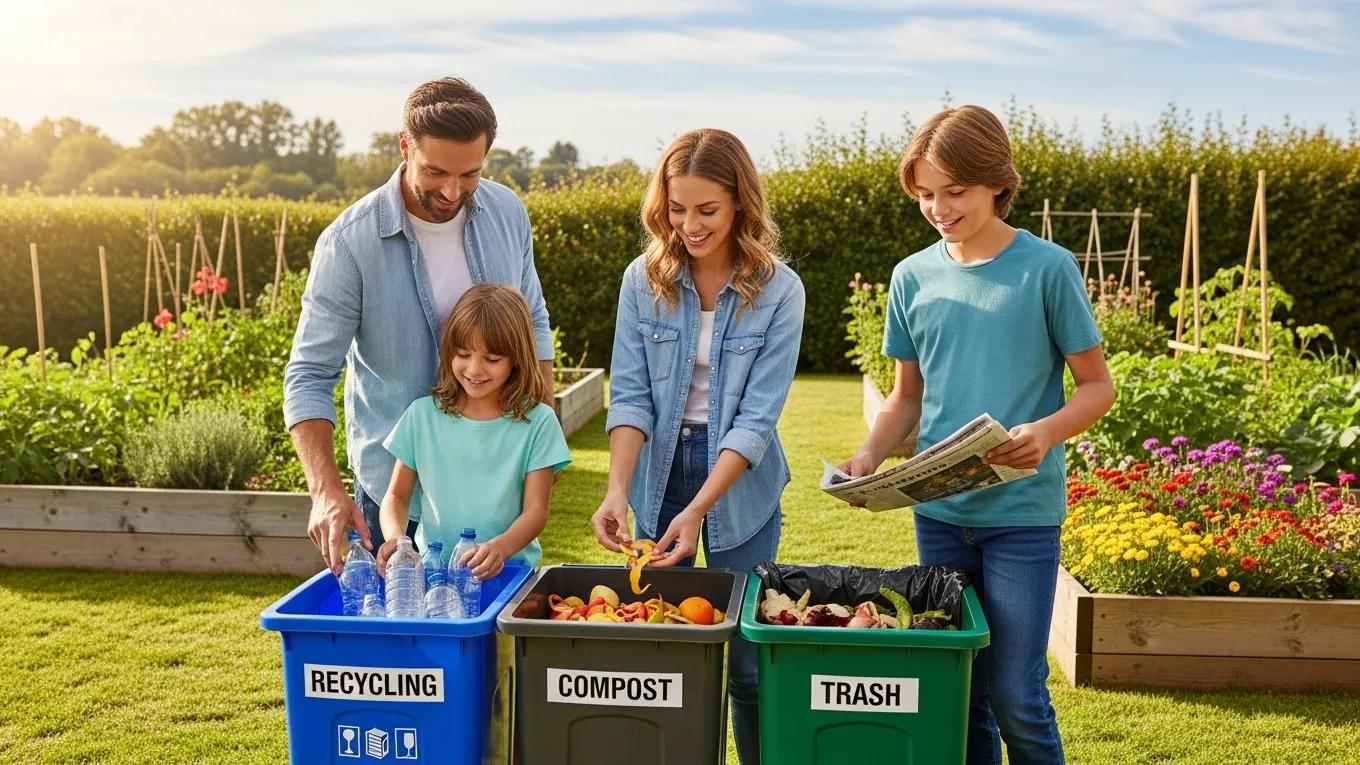
The Reduce, Reuse, Recycle (3Rs) hierarchy is a foundational concept in zero waste living. It emphasizes prioritizing waste reduction over recycling. By reducing consumption, individuals can minimize the amount of waste generated. Reusing items extends their lifecycle, while recycling ensures that materials are processed and repurposed. This hierarchy supports environmental sustainability by decreasing landfill waste and conserving natural resources.
Further research underscores the importance of the 3R theory in promoting zero waste lifestyle adoption.
Zero Waste Lifestyle Adoption & 3R Theory
Research on green consumption has two streams, the stream about how consumers consume green products (consume differently) and the stream about how to consume less. Most research focus on the stream about consume differently, therefore this study would like to contribute to the latter research stream by understanding the determinants of zero waste lifestyle adoption. The 3R theory (Reduce, Reuse, Recycle) is used in this study.
Determinants of zero waste lifestyle adoption among generation-Z, PY Pratiwi, 2021
What Role Does Sustainable Waste Management Play in Zero Waste Philosophy?
Sustainable waste management is crucial to the zero waste philosophy as it encompasses practices that minimize waste generation and promote resource recovery. This includes composting organic waste, recycling materials, and implementing waste diversion strategies. By adopting sustainable waste management practices, communities can significantly reduce their environmental footprint and contribute to a healthier planet.
Which Practical Eco Friendly Habits Can Individuals Adopt to Reduce Waste?
Individuals can adopt various practical eco-friendly habits to reduce waste in their daily lives. These habits not only contribute to a zero waste lifestyle but also promote a culture of sustainability within communities.
How Can Composting and Organic Waste Management Lower Environmental Impact?
Composting is an effective way to manage organic waste, transforming food scraps and yard waste into nutrient-rich soil. This practice reduces the amount of waste sent to landfills, where it would otherwise produce methane, a potent greenhouse gas. By composting, individuals can lower their environmental impact while enriching their gardens and reducing the need for chemical fertilizers.
Studies confirm that effective food waste composting significantly contributes to climate change mitigation by reducing greenhouse gas emissions.
Food Waste Composting for Climate Mitigation
Food waste is a dominant organic constituent of landfills, and a large global source of greenhouse gases. Composting food waste presents a potential opportunity for emissions reduction, but data on whole pile, commercial-scale emissions and the associated biogeochemical drivers are lacking. Our results suggest that food waste composting can help mitigate emissions.
Assessing the climate change mitigation potential from food waste composting, T Pérez, 2023
What Are Easy Zero Waste Habits to Implement at Home and in Daily Life?
Implementing zero waste habits at home can be simple and rewarding. Here are a few easy practices:
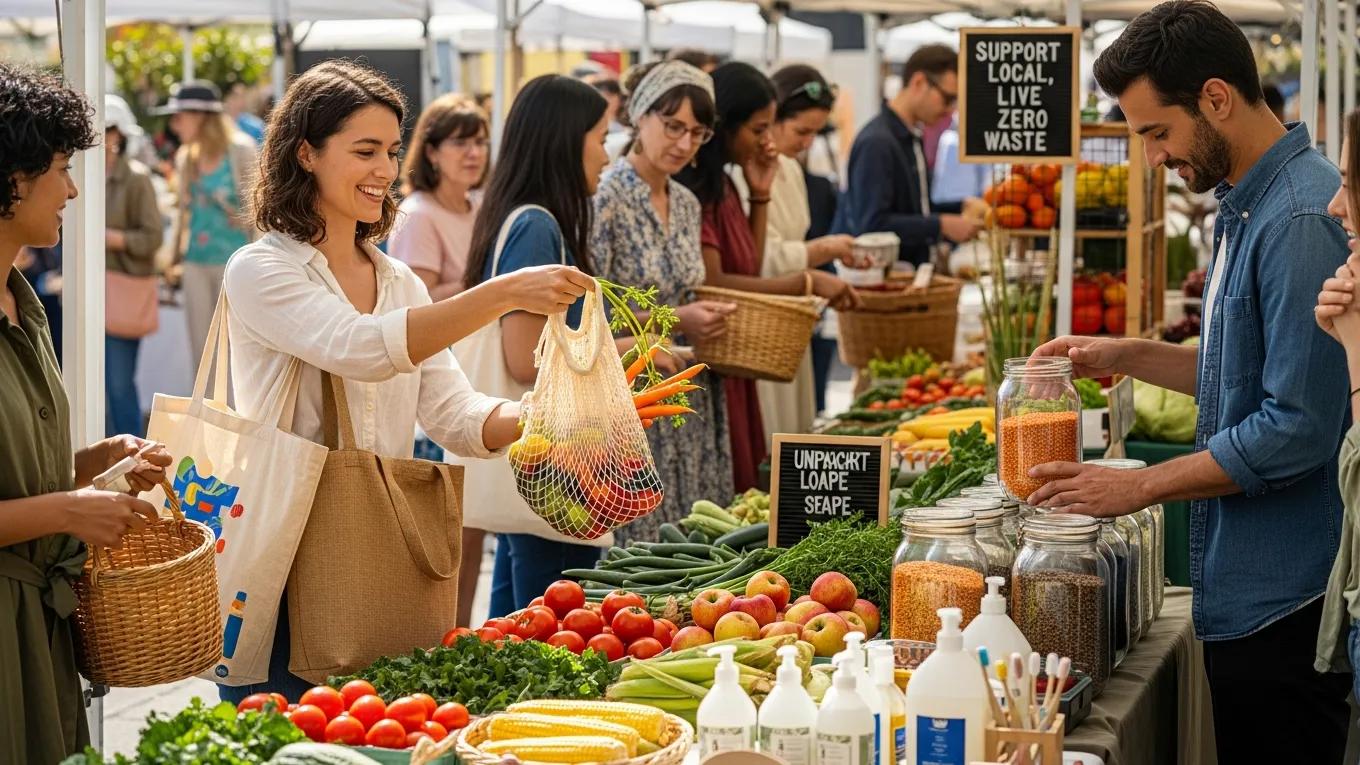
- Use Reusable Bags: Replace single-use plastic bags with reusable alternatives for shopping.
- Buy in Bulk: Purchase items in bulk to reduce packaging waste and save money.
- Ditch Disposable Products: Opt for reusable items like water bottles, straws, and utensils.
These habits encourage a shift towards more sustainable living and can inspire others to follow suit.
How Does Zero Waste Living Contribute to Environmental Benefits and Climate Change Mitigation?
Zero waste living plays a significant role in mitigating climate change by reducing greenhouse gas emissions associated with waste disposal. By minimizing waste, individuals can decrease their carbon footprint and contribute to a healthier environment.
What Are the Measurable Environmental Outcomes of Waste Reduction?
Research indicates that waste reduction leads to measurable environmental outcomes, including decreased landfill use and lower greenhouse gas emissions. For instance, communities that implement zero waste initiatives often see a significant reduction in waste generation, leading to improved air and water quality.
How Does Circular Economy Support Sustainable Living and Reduce Carbon Footprint?
The circular economy is a model that emphasizes the continuous use of resources, contrasting with the traditional linear economy of “take, make, dispose.” By supporting sustainable living, the circular economy reduces the carbon footprint associated with production and waste. This approach encourages businesses and consumers to prioritize sustainability, leading to a more resilient and eco-friendly economy.
Academic research further elaborates on how the circular economy serves as a powerful framework for waste reduction and carbon footprint management.
Circular Economy for Waste & Carbon Reduction
This chapter takes the perspective of the circular economy (CE) as an opportunity to implement sustainable methods based on the management and reduction of waste, giving them a new function. Adding the use of the carbon footprint (CF) as a tool that allows knowing the impact of anthropogenic activities on the environment is added. In addition, confirmed cases aim to reduce GHG emissions by implementing a more efficient system that originates based on the CE principles.
Circular economy for waste reduction and carbon footprint, A Alvarez-Risco, 2022
What Are the Latest Trends and Innovations in Sustainable Packaging and Community Initiatives?
Recent trends in sustainable packaging focus on reducing plastic use and promoting biodegradable materials. Innovations such as compostable packaging and reusable containers are gaining traction, reflecting a growing consumer demand for environmentally friendly options. Community initiatives, such as local clean-up events and educational programs, are also vital in promoting zero waste practices and raising awareness about sustainability.
How Are Community and Policy Programs Advancing Zero Waste Goals?
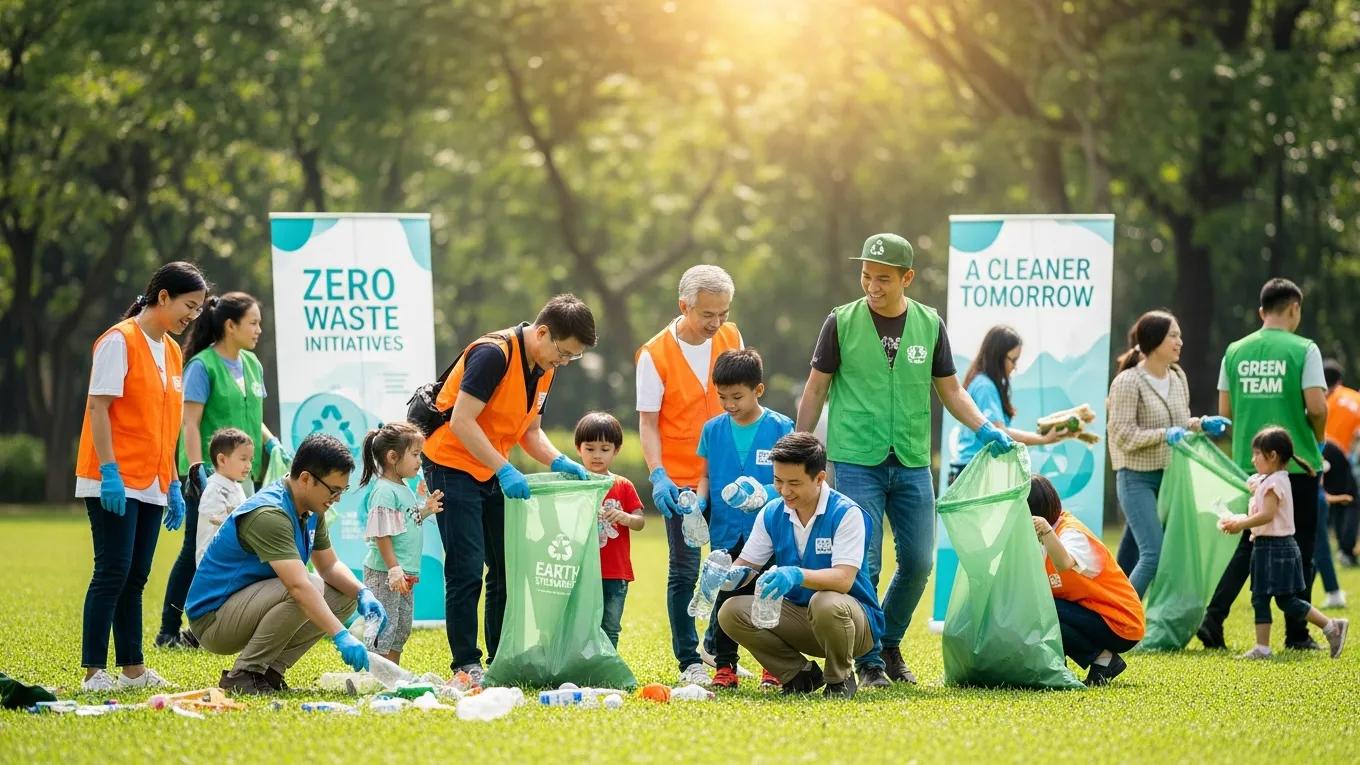
Community and policy programs play a crucial role in advancing zero waste goals. Local governments are increasingly implementing policies that support waste reduction, such as banning single-use plastics and promoting recycling initiatives. These programs not only facilitate waste management but also engage citizens in sustainable practices, fostering a collective commitment to environmental stewardship.
What Emerging Sustainable Packaging Solutions Enhance Waste Reduction?
Emerging sustainable packaging solutions are designed to minimize waste and environmental impact. Innovations include:
- Biodegradable Materials: Packaging made from plant-based materials that decompose naturally.
- Edible Packaging: Products that can be consumed along with their contents, reducing waste.
- Reusable Packaging Systems: Programs that allow consumers to return packaging for reuse.
These solutions reflect a shift towards more sustainable practices in the packaging industry.
How Can Individuals and Communities Track and Measure the Impact of Zero Waste Practices?
Tracking and measuring the impact of zero waste practices is essential for understanding progress and encouraging further action. Individuals and communities can utilize various tools and metrics to monitor their waste reduction efforts.
Which Tools and Metrics Help Monitor Waste Reduction and Environmental Sustainability?
Several tools can assist in tracking waste reduction, including:
- Waste Audits: Assessing the types and amounts of waste generated to identify reduction opportunities.
- Sustainability Apps: Mobile applications that help users track their waste and set reduction goals.
- Community Reporting: Platforms that allow communities to share their waste reduction successes and challenges.
These tools empower individuals and communities to take ownership of their waste management efforts.
How Do Recent Studies and Case Examples Demonstrate Zero Waste Effectiveness?
Recent studies and case examples highlight the effectiveness of zero waste initiatives in various communities. For instance, cities that have adopted zero waste policies report significant reductions in waste generation and increased recycling rates. These success stories serve as powerful motivators for others to embrace zero waste practices and contribute to a more sustainable future.