
Is It Really Circular? How to Spot Greenwashing in Sustainability Claims

Is It Really Circular? How to Spot Greenwashing in Sustainability Claims
In an era where sustainability is at the forefront of consumer consciousness, the term “greenwashing” has emerged as a critical concern. Greenwashing refers to the deceptive practice where companies exaggerate or fabricate their environmental efforts to appear more sustainable than they truly are. This article aims to equip readers with the knowledge to identify greenwashing in sustainability claims, ensuring that they can make informed choices. By understanding the nuances of greenwashing, consumers can better navigate the complex landscape of sustainability claims and hold companies accountable for their practices. We will explore the definition of greenwashing, its implications, and the principles of the circular economy, along with practical tips for consumers to spot misleading claims.
What Is Greenwashing and Why Does It Matter?
Greenwashing is a marketing tactic used by companies to mislead consumers about the environmental benefits of their products or practices. This practice undermines genuine sustainability efforts and erodes consumer trust. Recognizing greenwashing is essential for consumers who wish to support truly sustainable brands. By understanding the tactics used in greenwashing, individuals can make more informed purchasing decisions and encourage companies to adopt authentic sustainable practices.
How Is Greenwashing Defined and Identified?
Identifying greenwashing involves recognizing common tactics that companies use to mislead consumers. These tactics often include vague language, misleading certifications, and the highlighting of isolated attributes without context. For instance, a product may be labeled as “eco-friendly” without any substantial evidence to support such claims. Consumer awareness is crucial in this context, as it empowers individuals to question and investigate the sustainability claims made by brands.
What Are the Environmental and Consumer Impacts of Greenwashing?
The environmental impacts of greenwashing can be significant, as misleading claims can lead to consumer confusion and a lack of trust in genuine sustainability efforts. When consumers are misled, they may inadvertently support companies that do not prioritize environmental responsibility. This not only harms the environment but also perpetuates a cycle of distrust among consumers. Informed decision-making is essential to combat these effects, as it encourages consumers to seek out brands that are genuinely committed to sustainability.
How Do Circular Economy Principles Relate to Greenwashing?
Circular economy principles focus on minimizing waste and promoting the continual use of resources. However, these principles can be misused in greenwashing when companies make exaggerated claims about their sustainability practices. Understanding the key principles of a circular economy is vital for consumers to discern genuine efforts from misleading claims.
What Are the Key Principles of a Circular Economy?
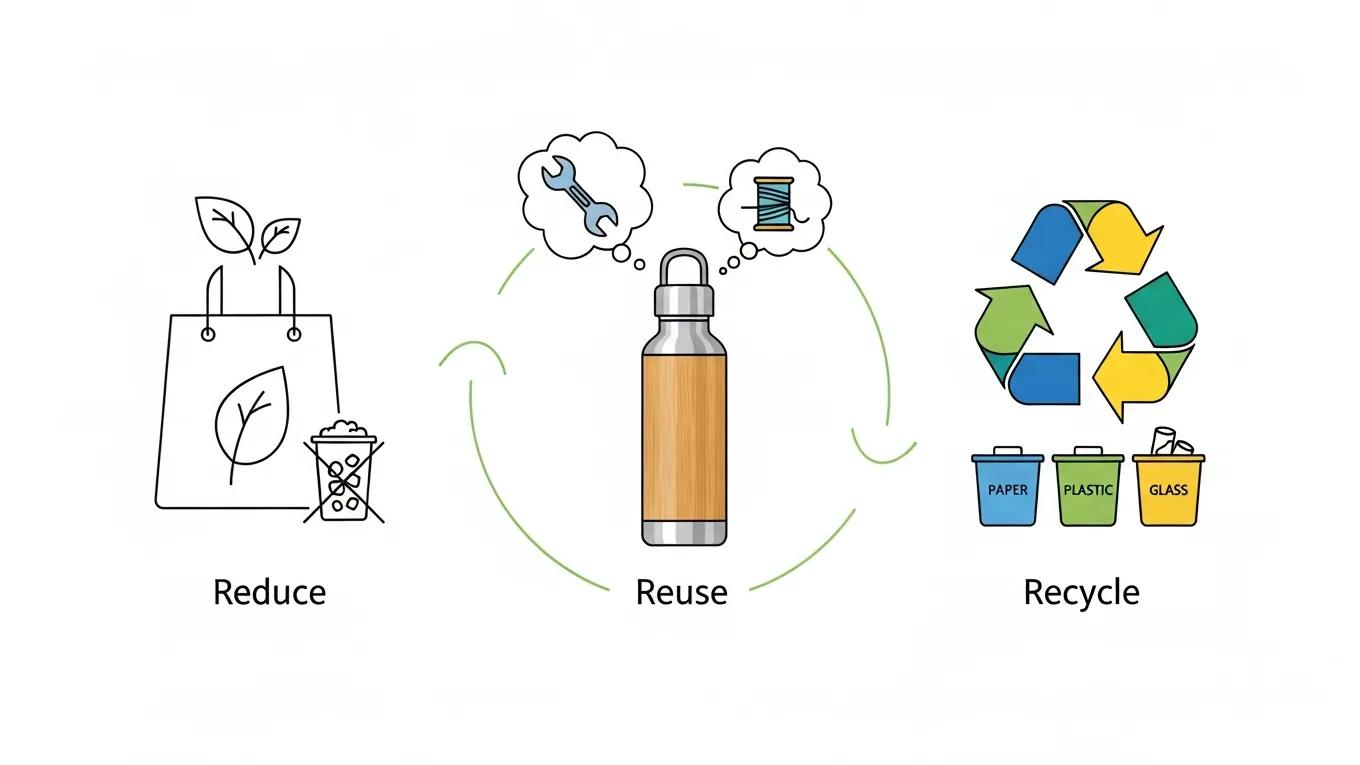
The circular economy is built on several key principles:
- Reduce, Reuse, Recycle: Emphasizing the importance of minimizing waste through efficient resource use.
- Design for Longevity: Creating products that are durable and can be repaired or reused.
- Consumer Education: Informing consumers about sustainable practices and encouraging responsible consumption.
These principles guide companies toward more sustainable practices, but they can also be exploited for greenwashing if not transparently communicated.
How Can Circular Economy Claims Be Misused in Greenwashing?
Companies may misuse circular economy claims by presenting misleading information about their practices. For example, a brand might promote a product as “circular” without providing evidence of its lifecycle management or recycling processes. This can create a false impression of sustainability, leading consumers to believe they are making environmentally friendly choices when they are not. Critical evaluation of such claims is necessary to protect consumer interests.
Greenwashing as a Barrier to Circular Economy and Sustainable Development
1. Is greenwashing more than just an irksome firm behavior? Might greenwashing have the potential to place an invisible shackle on circular economy and sustainable development? Exploring this rather unconventional premise, the study investigates how greenwashing relates to circularity and sustainability, seeking to unravel the intertwined connection between them. In a novel proposition, this study suggests that greenwashing is closely related with SDG12, and consequently acts as a barrier to circular economy and sustainable development. The specific aim of the study is to determine how consumer-sector greenwashing affects sustainable consumption and production and how it impacts SDG12. This study critically reviews multiple greenwashing cases across four prominent consumer goods sectors: automotive, bottled water, garments, and processed food. The review characterizes the impact of greenwashing on sustainability. Three specific impact avenues by which greenwashing affects SDG12 are identified, each corresponding to a major facet of the goal. Through a critical analysis of the 11 targets of SDG12, this study finds six to be directly hampered by greenwashing. Moreover, limitations of SDG12 are observed, most notably in that SDG12 undervalues the role of businesses and customers, has targets and indicators that do not properly encompass its essence, prioritizes outcomes without building pathways, and lacks specific directives against greenwashing at the global institutional level. Recommendations across institutional, managerial, and societal spheres are discussed. The study highlights the role of businesses in achieving sustainability and emphasizes the need for policy to deter greenwashing. The study aspires to progress discourse on the complex issue of greenwashing.
More than just a business ploy?
Greenwashing as a barrier to circular economy and sustainable development: a case study-based critical review, RR Choudhury, 2024
Which Sustainability Certification Standards Help Verify Claims?
Sustainability certifications play a crucial role in verifying the authenticity of environmental claims. Trusted certifications, such as Fair Trade, USDA Organic, and Energy Star, provide consumers with assurance that products meet specific sustainability criteria. These certifications are essential for consumers seeking to support genuinely sustainable brands.
How Reliable Are Sustainability Certifications in Detecting Greenwashing?
The reliability of sustainability certifications can vary significantly. While some certifications are rigorous and well-respected, others may lack stringent standards, leading to potential greenwashing. Consumers should be aware of the variability in certification standards and remain skeptical of claims that lack third-party verification. Understanding the importance of rigorous standards can help consumers navigate the landscape of sustainability certifications more effectively.
How Can Consumers Identify and Avoid Greenwashing?
Consumers can take several proactive steps to identify and avoid greenwashing:
- Research Brands and Practices: Investigate the sustainability practices of brands before making purchases.
- Scrutinize Product Labels: Look for specific information and certifications on product labels.
- Ask Critical Questions: Engage with brands about their sustainability claims and practices.
By adopting these strategies, consumers can make more informed choices and support companies that genuinely prioritize sustainability.
What Are Common Signs and Examples of Greenwashing?
Common signs of greenwashing include:
- Vague Language: Terms like “eco-friendly” or “natural” without clear definitions.
- Highlighting Isolated Attributes: Focusing on one positive aspect while ignoring negative impacts.
- Misleading Certifications: Using certifications that lack credibility or transparency.
Recognizing these signs can help consumers avoid falling victim to greenwashing tactics.
Which Tools and Methods Help Verify Environmental Claims?
Several tools and methods can assist consumers in verifying environmental claims:
- Research Tools: Websites and databases that provide information on sustainability practices and certifications.
- Third-Party Verification: Relying on independent organizations that assess and verify sustainability claims.
- Consumer Guides: Resources that educate consumers on identifying greenwashing and supporting sustainable brands.
These tools empower consumers to make informed decisions and hold companies accountable for their claims.
What Are Recent Case Studies and Trends in Greenwashing?
Recent trends in greenwashing highlight the evolving landscape of sustainability claims. Notable examples from recent years demonstrate how companies have faced backlash for misleading practices, prompting increased scrutiny from consumers and regulators alike. As awareness of greenwashing grows, companies are being held to higher standards, leading to a shift toward more transparent and accountable practices.
What Are Notable Greenwashing Examples from Recent Years?

Several high-profile cases of greenwashing have emerged in recent years, illustrating the need for vigilance among consumers. Brands that have faced criticism for misleading sustainability claims include those that exaggerated their environmental impact or misrepresented their product sourcing. These examples serve as cautionary tales for consumers and highlight the importance of thorough research.
How Are Regulations and Consumer Attitudes Evolving?
Regulatory changes are increasingly addressing greenwashing, with governments implementing stricter guidelines for sustainability claims. Consumer attitudes are also shifting, with individuals becoming more discerning about the brands they support. This evolving landscape emphasizes the need for transparency and accountability in sustainability practices, encouraging companies to adopt genuine environmental responsibility.