






See Them While You Can: Australia’s Koalas May Have Less Than 30 Years Left
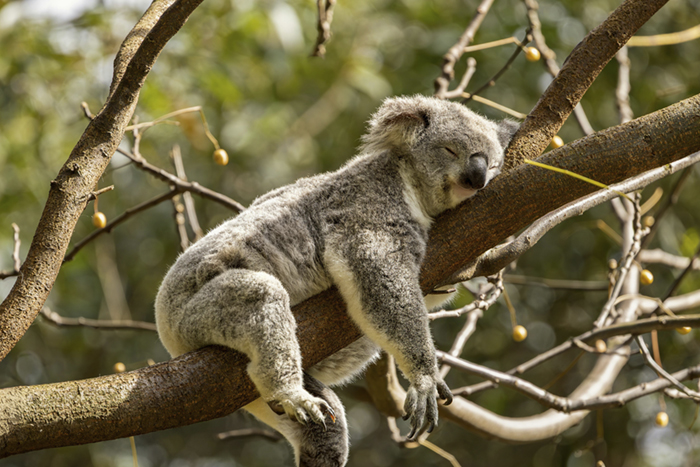
Dear EarthTalk: How are Australia’s koalas doing these days?
—M.M., Wilmington, DE
Koalas are facing a serious risk of extinction within the next few decades. Experts warn that without urgent action; these beloved animals could disappear from Australia in just 20–30 years. Populations have already crashed due to major events like the 2019 Black Summer Bushfires, which killed thousands and destroyed large areas of their natural habitat. Once widespread across the eastern and southern coasts, koalas have suffered drastic population declines, with fewer than 64,000 koalas left in the wild.
Habitat loss is one of the biggest threats. Rapid urban expansion and agricultural development are replacing the eucalyptus that koalas rely on for food and shelter. Fragmented habitats make it difficult for koalas to find mates, reproduce successfully and maintain healthy populations. As their living space shrinks, they are forced into areas with greater human presence, exposing them to additional dangers.
Climate change is also worsening the situation. Rising temperatures, prolonged droughts and frequent bushfires are destroying food sources and drying up water supplies. Eucalyptus leaves, which make up almost the entire koala diet, are becoming less nutritious and more toxic under extreme climate stress. With fewer healthy trees to feed from, koalas grow weaker and more prone to disease. Bushfires like in 2019 destroy thousands of hectares of forest, killing countless koalas and leaving others with severely reduced habitats. Human-related and biological issues further threaten koalas. Disease spreads more easily and can cause blindness, infertility and death. Road strikes and domestic dog attacks are also problematic.
Conservation programs are trying to help koalas. “When we look at koala conservation…we need to take a holistic approach because disease and environmental factors are linked,” said Dr. Michaela Blyton of The University of Queensland. The Wild Koala Conservation Breeding Program at Guulabaa, run along with the Taronga Conservation Society, focuses on breeding healthy wild koalas. By using natural forested enclosures, joeys can stay with their mothers for about 12 months before being released into carefully chosen wild habitats. This program aims to boost wild populations and maintain genetic diversity.
These efforts are critical to rebuilding wild populations and securing the species’ future. Released koalas are scientifically monitored for health, survival and reproduction to ensure long-term success. With stronger habitat protection, climate resilience measures, and community involvement, experts believe koalas can recover. If Australians commit to restoring forests, reducing land clearing and supporting conservation efforts, future generations may still hear the soft grunts of wild koalas echoing through eucalyptus trees!
CONTACTS
EarthTalk® is produced by Roddy Scheer & Doug Moss for the 501(c)3 nonprofit EarthTalk. See more at https://emagazine.com. To donate, visit https://earthtalk.org. Send questions to: question@earthtalk.org.