



New Environmental Laws: What Changed and What It Means for You
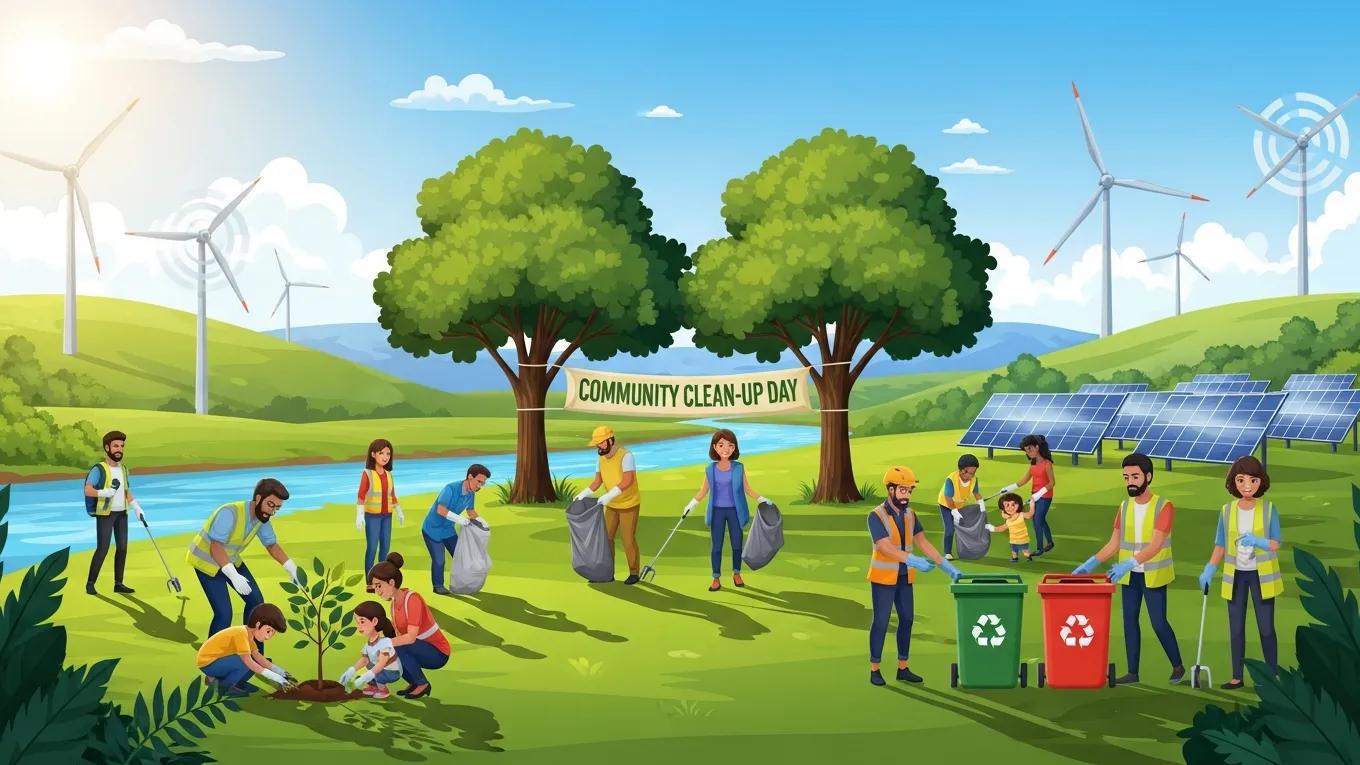
New Environmental Laws 2026: What Changed and What It Means for You
By Roddy Scheer, E — The Environmental Magazine
The landscape of environmental regulations is evolving rapidly, with new laws introduced in 2026 aimed at addressing climate change and promoting sustainability. These changes are crucial for individuals, businesses, and communities as they navigate the implications of stricter environmental standards. This article will explore the key changes in environmental regulations, including new carbon emission standards and expanded renewable energy mandates. Additionally, we will discuss how these laws affect compliance requirements for citizens and businesses, the penalties for non-compliance, and practical guidelines for adapting to these new regulations. By understanding these developments, readers can better prepare for the future and contribute to a more sustainable world.
What Are the Key Changes in Environmental Regulations 2026?
The 2026 environmental regulations introduce significant changes designed to combat climate change and promote sustainability. These changes include the introduction of new carbon emission standards and the expansion of renewable energy mandates, which aim to reduce greenhouse gas emissions and encourage the adoption of clean energy sources. Understanding these key changes is essential for individuals and businesses alike, as they will shape the future of environmental compliance and sustainability efforts.
Which New Carbon Emission Standards Were Introduced?

In 2026, new carbon emission standards were established to significantly reduce greenhouse gas emissions across various sectors. These standards set specific limits on emissions for industries such as transportation, manufacturing, and energy production. The implementation of these standards is expected to drive innovation in cleaner technologies and encourage businesses to adopt more sustainable practices. As a result, companies will need to invest in emission reduction strategies to comply with these regulations, which may include upgrading equipment or transitioning to renewable energy sources.
How Have Renewable Energy Mandates Expanded?
The expansion of renewable energy mandates in 2026 requires a greater percentage of energy to be sourced from renewable sources such as solar, wind, and hydroelectric power. This shift aims to decrease reliance on fossil fuels and promote cleaner energy alternatives. The mandates also include incentives for businesses and individuals to invest in renewable energy technologies, such as tax credits and grants. By encouraging the adoption of renewable energy, these mandates not only contribute to reducing carbon emissions but also support the growth of the green economy.
How Do the 2026 Climate Change Laws Update Affect Individuals and Communities?
The 2026 climate change laws have far-reaching implications for individuals and communities, particularly regarding compliance requirements and potential penalties for non-compliance. Understanding these impacts is crucial for adapting to the new regulatory environment and ensuring that both individuals and businesses can meet their obligations under the law.
What Are the Compliance Requirements for Citizens and Businesses?
Compliance with the new environmental laws requires individuals and businesses to adhere to specific guidelines aimed at reducing their carbon footprint. Citizens may need to adjust their energy consumption habits, while businesses will be required to implement emission reduction strategies and report their progress to regulatory authorities. This may involve conducting regular audits, investing in cleaner technologies, and participating in sustainability programs. Failure to comply with these requirements can lead to significant penalties.
What Penalties Exist for Non-Compliance with New Environmental Laws?
Non-compliance with the new environmental laws can result in substantial penalties for both individuals and businesses. These penalties may include fines, legal action, and restrictions on operations. For businesses, the financial implications can be severe, potentially affecting profitability and market competitiveness. Individuals may face fines or other legal consequences for failing to meet their compliance obligations. Understanding these penalties is essential for motivating compliance and fostering a culture of sustainability.
Academic literature further explores the complexities of corporate environmental non-compliance and the effectiveness of various sanctioning mechanisms.
Corporate Environmental Non-Compliance & Sanctions
In this chapter, we summarize the corporate environmental crime literature by linking corporate crime theory to different intervention strategies. We highlight empirical evidence regarding the strengths and weaknesses of crime prevention and control strategies while identifying gaps in the literature.
Corporate environmental non-compliance and the effects of internal systems and sanctions, SS Simpson, 2024
What Practical Green Living Guidelines Can Help You Adapt to New Environmental Laws?
Adapting to the new environmental laws requires practical steps that individuals can take to reduce their carbon footprint and promote sustainability. By implementing green living guidelines, citizens can contribute to a healthier planet while also complying with the new regulations.
Which Sustainable Practices Reduce Your Carbon Footprint Effectively?
To effectively reduce your carbon footprint, consider adopting the following sustainable practices:
- Energy Efficiency: Upgrade to energy-efficient appliances and lighting to lower energy consumption.
- Sustainable Transportation: Use public transport, carpool, or bike to reduce emissions from personal vehicles.
- Waste Reduction: Implement recycling and composting practices to minimize waste sent to landfills.
These practices not only help individuals comply with new regulations but also contribute to a more sustainable lifestyle.
How Can Waste Management Regulations Influence Your Daily Habits?
Waste management regulations play a crucial role in shaping daily habits and promoting sustainability. Understanding local regulations can help individuals make informed decisions about waste disposal and recycling. Adopting the “5 Rs”—Refuse, Reduce, Reuse, Recycle, and Rot—can significantly impact waste generation and promote a circular economy. By being mindful of waste management practices, individuals can align their habits with the goals of the new environmental laws.
What Government Incentives Support Sustainability Compliance in 2026?

Government incentives are essential for supporting sustainability compliance and encouraging the adoption of green practices. These incentives can help offset the costs associated with transitioning to more sustainable technologies and practices.
Which Renewable Energy Adoption Incentives Are Available?
In 2026, several renewable energy adoption incentives are available to individuals and businesses, including:
- Federal Solar Tax Credit: A tax credit for homeowners who install solar energy systems, allowing them to deduct a percentage of the installation costs from their federal taxes.
- Geothermal Heat Pump Credit: A tax incentive for installing geothermal heat pumps, which provide efficient heating and cooling solutions.
- State Grants and Rebates: Various state programs offer financial assistance for renewable energy projects, making it more affordable for residents and businesses to invest in clean energy.
These incentives not only promote the adoption of renewable energy but also contribute to the overall goals of reducing carbon emissions and fostering sustainability.
Further research underscores the critical role of policy incentives in accelerating the global adoption of renewable energy technologies.
Renewable Energy Policy: Incentives & Adoption
This paper examines the impact of policy incentives on the adoption rates of renewable energy technologies (RETs) from a global perspective. The study reviews existing literature and empirical evidence to analyse how various policy mechanisms, such as feed-in tariffs, tax incentives, renewable portfolio standards, and subsidies, influence the adoption and diffusion of RETs across different countries and regions.
Impact of Policy Incentives on Adoption Rates of Renewable Energy Technologies: Global Perspectives, 2024
How Do Climate Action Plans Encourage Community Participation?
Climate action plans are vital for engaging communities in sustainability efforts and promoting collective action against climate change. These plans outline specific goals and strategies for reducing emissions and enhancing resilience to climate impacts.
What Recent Case Studies and Statistics Illustrate the Impact of New Environmental Laws?
Recent case studies and statistics provide valuable insights into the effectiveness of the new environmental laws and their impact on carbon emissions and sustainability efforts.
How Have Carbon Emission Levels Changed Since 2026 Law Implementation?
Since the implementation of the 2026 environmental laws, carbon emission levels have shown a marked decline across various sectors. For instance, industries that adopted new carbon emission standards reported a significant reduction in emissions. This positive trend indicates that the regulations are effectively driving change and encouraging businesses to adopt more sustainable practices.
What Success Stories Demonstrate Effective Sustainability Compliance?
Numerous success stories highlight the positive outcomes of effective sustainability compliance under the new environmental laws. For example, a manufacturing company that invested in renewable energy sources and implemented energy-efficient practices achieved a significant reduction in operational costs while lowering its carbon footprint. These success stories serve as powerful examples of how businesses can thrive while contributing to environmental sustainability.