
Ocean Plastic Cleanup Efforts and Innovations
Ocean Plastic Cleanup: A Practical Guide to Solutions, Technology, and Sustainable Action
Plastic pollution in our oceans is a clear and growing threat to marine life, coastal communities, and human health. This guide breaks down how plastics reach the sea, the most promising cleanup efforts happening today, and the technologies pushing that work forward. You’ll get a grounded look at the impacts of ocean plastic and practical paths—from large-scale projects to individual actions—that help stem the tide. Understanding how cleanup systems operate and where you can make a difference is the first step toward healthier oceans.
Plastics enter marine systems through a chain of land- and sea-based pathways. Urban runoff, storm drains, uncontained landfill sites, littering along coasts, accidental loss from fisheries and shipping, and microplastic shedding from textiles and tire wear are all common routes. Seasonal storms and flooding can accelerate transport from inland areas to rivers and estuaries, which act as funnels into coastal waters. Understanding these pathways helps prioritize interventions: intercepting debris at river mouths or improving urban waste capture often prevents larger cleanup burdens offshore. This practical focus on the points of entry complements open-ocean removal and strengthens long-term prevention strategies.
Key Takeaways
- Ocean plastic harms ecosystems, wildlife, and human health at scale.
- Poor waste management and single-use plastics are major sources of marine pollution.
- Large initiatives like The Ocean Cleanup and Project AWARE lead coordinated removal and awareness work.
- AI and machine learning improve how we detect and prioritize debris for collection.
- Breakthroughs in biodegradable materials and autonomous systems are improving removal and reduction strategies.
- Individuals help most by cutting single-use plastics and joining local cleanup events.
- International agreements and policy frameworks are vital to slow the flow of plastics into oceans.
- Recycling innovations make it possible to turn collected debris into useful products.
- Better data, education, and multimedia tools increase the reach and effectiveness of cleanup work.
What Are the Causes and Environmental Impacts of Marine Plastic Pollution?
The main drivers of marine plastic pollution are inadequate waste systems, the widespread use of single-use plastics, and debris from fishing activities. Together they send millions of tons of plastic into the ocean each year, where it accumulates, fragments, and disrupts natural systems. The consequences ripple through food webs, habitats, and coastal economies.
Fragmentation of larger items into micro- and nano-sized particles creates a persistent, diffuse pollution load that is difficult to remove at scale. Microplastics remain suspended in water columns, embed in sediments, and can be taken up by filter feeders and benthic organisms. Because these particles are small and widely dispersed, they complicate cleanup operations and require complementary prevention measures. Combating both visible debris and microscopic fragments calls for integrated systems: improved collection, targeted removal where concentrations form, and upstream interventions to reduce generation and leakage.
How Does Plastic Pollution Affect Marine Wildlife and Ecosystems?
Plastic in the ocean poses multiple hazards to wildlife. Animals often mistake fragments for food, which can cause malnutrition, internal injury, or death. Entanglement in nets and packaging leads to injury or impaired movement. At the same time, plastics can leach or carry toxic chemicals that build up in organisms and move up the food chain—ultimately creating risks for people who eat seafood.
What Are the Global Statistics on Ocean Plastic Pollution in 2025-2026?
Recent estimates put the annual input of plastic to the ocean at roughly 11 million metric tons, and without major changes that quantity could roughly triple by 2040. By 2025–2026, cumulative amounts of plastic in the ocean are expected to exceed 300 million metric tons. Those projections underline why prevention and scalable cleanup solutions are urgently needed.
Which Major Ocean Cleanup Projects Are Leading Global Efforts?
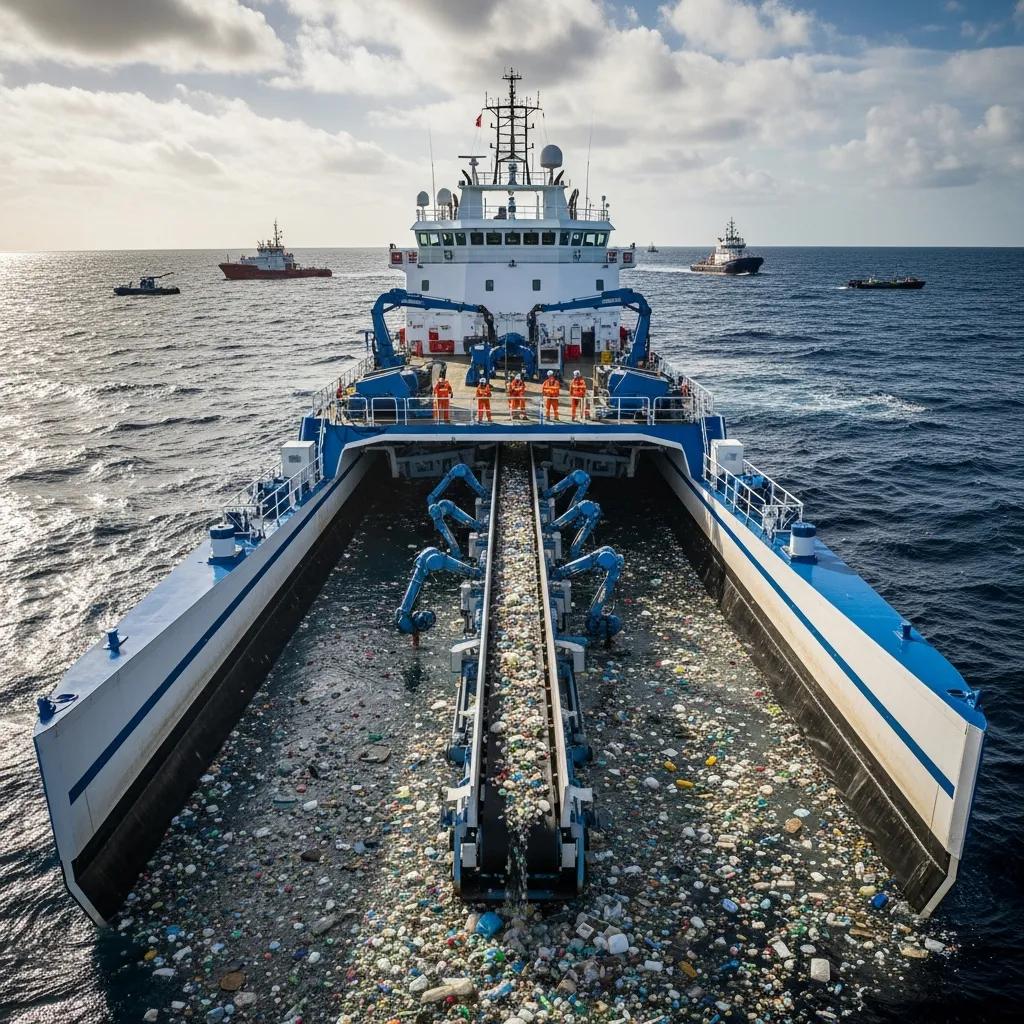
A number of high-profile projects and local programs are tackling different parts of the problem—from removing debris in ocean gyres to stopping plastics at river mouths and coastlines. These efforts combine engineering, policy work, and community outreach to scale impact.
Successful programs show that a portfolio of tactics is necessary. Some organizations focus on intercepting waste at rivers and estuaries with booms and collection systems, while others deploy vessels and passive array systems to concentrate and remove floating debris offshore. Coastal cleanups, volunteer diver programs, and fisher-partnership schemes address nearshore litter and ghost gear. Cross-cutting collaborations—between NGOs, municipal authorities, academic groups, and private partners—help share logistics, data, and processing capacity. Local ownership and maintenance plans are critical for long-term performance of any deployed hardware.
What Are the Success Stories of Projects Like The Ocean Cleanup and Project AWARE?
The Ocean Cleanup has focused on collecting accumulated debris in the North Pacific using passive systems that concentrate and remove floating plastics, and the project has removed thousands of tons while iterating on its designs. Project AWARE empowers divers and coastal communities to remove trash from reefs and shorelines, showing how volunteer-driven actions can remove large amounts of debris and build public awareness. Both examples demonstrate complementary approaches—tech-driven removal and community engagement.
Where Are Key Cleanup Initiatives Located Worldwide?
Cleanup efforts operate globally: large-scale removals in gyres like the Great Pacific Garbage Patch, targeted campaigns in the Mediterranean, and extensive river- and coastal-focused programs in Southeast Asia. Many initiatives partner with local governments and NGOs to address both cleanup and upstream prevention, especially in regions where rivers are the primary pathways for plastic to reach the sea.
What Innovative Technologies Are Advancing Marine Debris Removal?
New tools and approaches are improving how we find, collect, and process marine plastic. From smarter sensors to automated collection systems, these innovations increase efficiency and reduce costs for cleanup operations.
Sensor fusion and integrated data platforms are making operations more efficient. Combining satellite imagery, aerial drone footage, in-water cameras, and on-vessel sensors produces richer maps of debris distribution. That multi-source approach supports predictive modeling and helps operations plan safe collection windows. Advances in materials handling, modular skimming systems, and standardized containerization also simplify transfer and transport of recovered debris so it can reach processing centers sooner. These modular designs are easier to repair and adapt to a range of coastal and offshore conditions, which reduces downtime and lifecycle costs.
How Are AI-Driven Debris Detection and Recycling Technologies Used?
AI and computer vision help locate debris from satellite, aerial, and in-water imagery, classifying waste types and prioritizing hotspots for cleanup teams. On the recycling side, machine learning helps sort mixed plastics and optimize recycling pathways, making it easier to turn recovered materials into high-value feedstocks rather than waste.
Operationalizing AI involves training models on diverse datasets and validating detections with field teams. Automated detection flags candidate areas, but human-in-the-loop verification ensures accuracy and reduces false positives caused by sea foam, algae, or shadows. In recycling facilities, machine learning systems improve throughput by identifying polymer types and contamination, enabling higher-quality outputs. When planners combine detection, local knowledge, and logistics, AI becomes a force multiplier that helps limited crews focus where collection will yield the biggest environmental and economic return.
What Are the Latest Innovations in Biodegradable Plastics and Waste Removal?
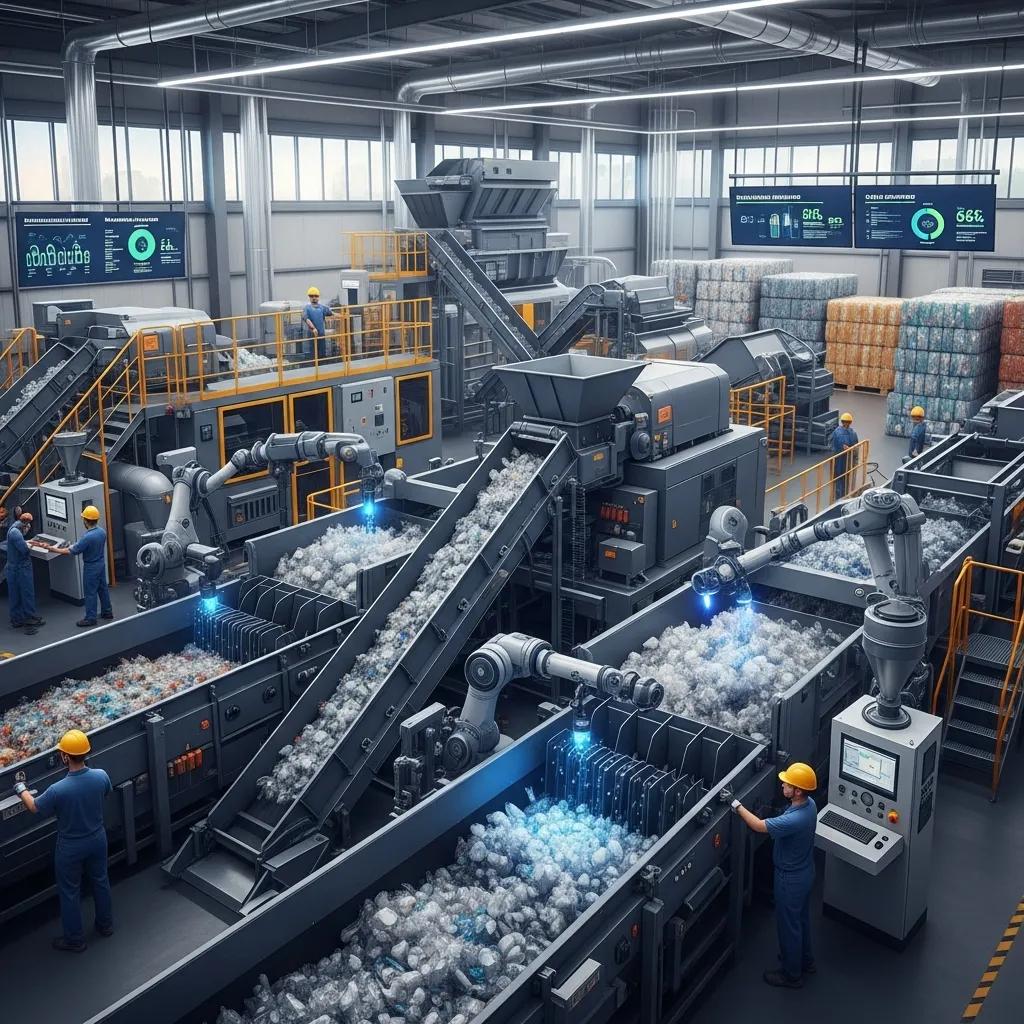
Biodegradable and compostable materials are improving, but their performance depends on proper waste systems and real-world conditions. Meanwhile, autonomous boats, drones, and robotic collectors are expanding the reach of cleanups—especially in hard-to-access or dangerous areas—by collecting surface debris and transporting it to processing centers more efficiently.
Biodegradable options can reduce long-term persistence when they are disposed of into the correct end-of-life streams, but they are not a universal replacement for conventional plastics. Performance varies by material, temperature, microbial activity, and whether a controlled industrial composting facility is available. Certification schemes and labeling help buyers and waste managers know which products are suitable for specific disposal routes. In parallel, autonomous collection platforms—from small surface drones to larger robotic vessels—are reducing operator risk and offering continuous monitoring capability, enabling safer and more consistent removal in constrained or hazardous zones.
How Can Individuals Support Ocean Plastic Cleanup and Sustainability?
People can make an immediate difference through everyday choices and local engagement. Small changes add up when adopted at scale.
Individual and community actions scale when they connect to measurement and advocacy. Simple routines—carrying a reusable bottle and bag, repairing items rather than discarding them, and choosing products with minimal packaging—reduce waste generation. Joining and organizing neighborhood cleanups, documenting collected materials, and reporting hotspots to local authorities can influence municipal collection schedules and infrastructure investments. Educators and community leaders can use local data from cleanups to advocate for policy changes like better curbside services or targeted litter prevention programs.
What Practical Lifestyle Changes Promote Sustainable Ocean Conservation?
Actions that reduce plastic waste include swapping single-use items for reusables, choosing products with minimal or recyclable packaging, and supporting companies with strong sustainability practices. Joining local cleanup events and responsibly disposing of trash and recycling also reduces the amount of plastic that can escape into waterways.
How Do Community-Driven Cleanup Initiatives Contribute to Marine Health?
Community cleanups remove debris before it reaches open water and build awareness about pollution sources. They also create local stewardship networks that can push for better waste services and policies. Case studies show sustained community engagement often leads to measurable reductions in local plastic inputs.
Further research highlights how local engagement and tailored community programs are central to reducing plastic leakage.
Community-Based Plastic Waste Solutions
This chapter highlights community-based plastic waste management (CBPWM) as a practical approach to cutting plastic pollution. It defines CBPWM, outlines the core components needed to implement it, and presents case studies from urban and rural settings around the world. The chapter also discusses common challenges communities face when building effective CBPWM systems.
Community-Based Plastic Waste Management Initiatives: A Key to Combating Plastic Pollution, A EJ Ferdin, 2025
What Are the Policy Frameworks and Global Initiatives Against Marine Plastic Pollution?
Robust policy and international cooperation are essential to curb plastic at scale. Regulations that limit production of problematic plastics, improve waste handling, and support recycling systems are key to reducing ocean inputs.
Policy instruments range from national regulations to cross-border agreements. Extended producer responsibility (EPR) schemes, deposit-return systems for beverage containers, and incentives for recycled-content products create economic signals that reduce leakage and improve collection. International frameworks encourage harmonized standards and financial support for infrastructure in regions with limited waste-management capacity. Aligning finance, technical assistance, and policy goals helps countries invest in the collection and processing systems that stop plastic at source rather than relying solely on ocean removal.
How Do International Policies Regulate Marine Plastic Waste?
Agreements like the Basel Convention and the emerging Global Plastic Pollution Treaty set standards for managing plastic waste across borders. These frameworks encourage countries to strengthen their waste systems, limit harmful exports of plastic waste, and adopt measures that reduce the overall production and mismanagement of plastics.
Which Environmental Organizations Lead Climate Change and Cleanup Actions?
Organizations such as Greenpeace, WWF, and Ocean Conservancy combine advocacy, research, and on-the-ground action to tackle plastic pollution and its links to climate change. They run programs that range from policy campaigns to community mobilization and direct cleanup projects.
How Is Recycling Technology Improving Plastic Debris Management?
Advances in recycling make it more feasible to recover value from collected plastics and close material loops—reducing the need for virgin plastic and keeping waste out of the environment.
Integration of collection programs with reliable end markets is essential for sustainable recycling. Investments in pre-sorting, contaminant removal, and compatibility testing increase the share of recovered material that can enter closed-loop production. Chemical recycling is being piloted in some settings to handle mixed or harder-to-process streams, while mechanical recycling remains a cost-effective option for many common polymers. Creating demand for recycled inputs—through procurement standards or incentives—helps ensure that material recovered from cleanups has a stable economic outlet and does not return to disposal streams.
What Are Effective Plastic Debris Recycling Methods?
Common approaches include mechanical recycling (sorting, grinding, and reprocessing), chemical recycling (breaking plastics back into monomers), and energy recovery techniques where appropriate. Each method has trade-offs in cost, scale, and environmental impact, and a mix of strategies is often required.
How Do Recycling Innovations Support Ocean Cleanup Projects?
Improvements in sorting and processing help ensure that debris collected during cleanups is turned into usable material instead of being sent to landfill. When cleanup programs link to reliable recycling markets, they generate economic incentives that support long-term collection and processing.
What Are the Emerging Trends and Future Directions in Ocean Plastic Cleanup?
Looking ahead, combining better data, smarter technology, and stronger local partnerships will make cleanup efforts more targeted, efficient, and durable.
Emerging finance models—blending philanthropy, public funding, and private investment—are enabling pilots to scale while sharing risk. Social innovation, such as community franchising of collection services and small-scale material recovery enterprises, creates local employment while solving waste problems. At the same time, standardized monitoring protocols and shared data repositories improve comparability across projects, enabling funders and governments to prioritize proven approaches. These trends point toward an ecosystem where prevention, removal, processing, and market integration work together rather than as isolated efforts.
How Are New Technologies and Data Monitoring Enhancing Cleanup Impact?
Tools like satellite imagery, aerial surveys, and ocean modeling allow organizations to map debris flows and target interventions where they will have the most impact. That data-driven approach reduces wasted effort and helps allocate limited resources effectively.
What Are the Opportunities for Interactive and Educational Content on Cleanup Efforts?
Interactive maps, short videos, and engaging visuals help translate complex data into clear stories that motivate action. These formats expand outreach, educate diverse audiences, and make it easier for people to participate in local and global initiatives.
How Can Structured Data and Multimedia Enhance Awareness of Ocean Cleanup?
Using structured data (like Schema.org) and multimedia elements boosts discoverability and helps search engines and platforms surface authoritative content. That increased visibility can drive participation, funding, and policy interest in cleanup programs.
What Role Do Infographics, Interactive Maps, and Videos Play in Education?
Visual tools simplify complicated trends and show progress over time, making the scale and solutions of ocean plastic pollution easier to understand. They’re effective for classrooms, community outreach, and public campaigns.
How Does Schema.org Markup Improve Search Visibility for Cleanup Content?
Schema markup helps search engines understand the structure and intent of content, increasing the chance that cleanup resources appear in featured snippets and other prominent results. That leads to broader reach and higher public engagement.
Frequently Asked Questions
What are the long-term effects of plastic pollution on marine ecosystems?
Over the long term, plastics break down into microplastics that enter food webs at every level, from plankton to large fish. These particles and the chemicals they carry can alter feeding, growth, and reproductive success, and they may accumulate as toxins up the food chain. Plastics also change habitats—smothering reefs, damaging coastlines, and undermining biodiversity—creating persistent risks for both nature and people.
How can businesses contribute to ocean plastic cleanup efforts?
Businesses can reduce their plastic footprint by eliminating unnecessary single-use items, redesigning packaging for recyclability, and investing in circular solutions. Companies can also fund cleanup and recycling programs, partner with NGOs, and adopt procurement policies that favor recycled content. Corporate commitments help scale solutions and influence suppliers and customers.
What role do educational programs play in combating ocean plastic pollution?
Education raises awareness, shifts behaviors, and builds local capacity to prevent and manage plastic waste. Programs in schools, community centers, and through NGOs can teach practical skills—like proper sorting and cleanup techniques—and inspire long-term stewardship across generations.
How do international collaborations enhance ocean cleanup efforts?
Cross-border collaboration pools expertise, funding, and technology to address plastic pollution at the scale it occurs. Shared research, joint operations, and harmonized policies make it easier to tackle transnational sources and to replicate successful solutions in different regions.
What are the challenges faced by ocean cleanup projects?
Key challenges include securing stable funding, adapting technologies to variable ocean conditions, and scaling solutions to match the problem’s size. Logistical hurdles—like rough seas, remote locations, and mixed-waste streams—also complicate operations. Finally, long-term success depends on upstream prevention and effective waste systems on land.
How can technology improve community engagement in ocean cleanup efforts?
Technology connects volunteers, organizers, and researchers. Mobile apps and social platforms make it easier to plan events, track results, and share impact. Mapping tools and data dashboards show where efforts matter most, boosting volunteer motivation and helping communities advocate for systemic changes.
Conclusion
Tackling ocean plastic requires a mix of prevention, better waste systems, smart technology, and sustained community engagement. By supporting proven cleanup projects, adopting sustainable habits, and backing strong policies, individuals and organizations can help turn the tide. Explore local opportunities to get involved and join the collective effort to protect our oceans.
Moving from awareness to impact means connecting small actions with larger systems. Individual reductions in single-use consumption matter most when paired with advocacy for improved collection, investments in recycling infrastructure, and support for policy measures that hold producers accountable. Supporting local organizations, sharing verified data from cleanups, and prioritizing solutions that balance environmental benefits with social and economic outcomes help ensure cleanup efforts are sustainable. Whether through donating time, influencing procurement choices, or encouraging policymakers to invest in resilient waste systems, everyone can contribute to an integrated response that reduces inputs and improves the health of marine ecosystems over time.