



Ocean Plastic Pollution: Causes, Effects & Actionable Solutions
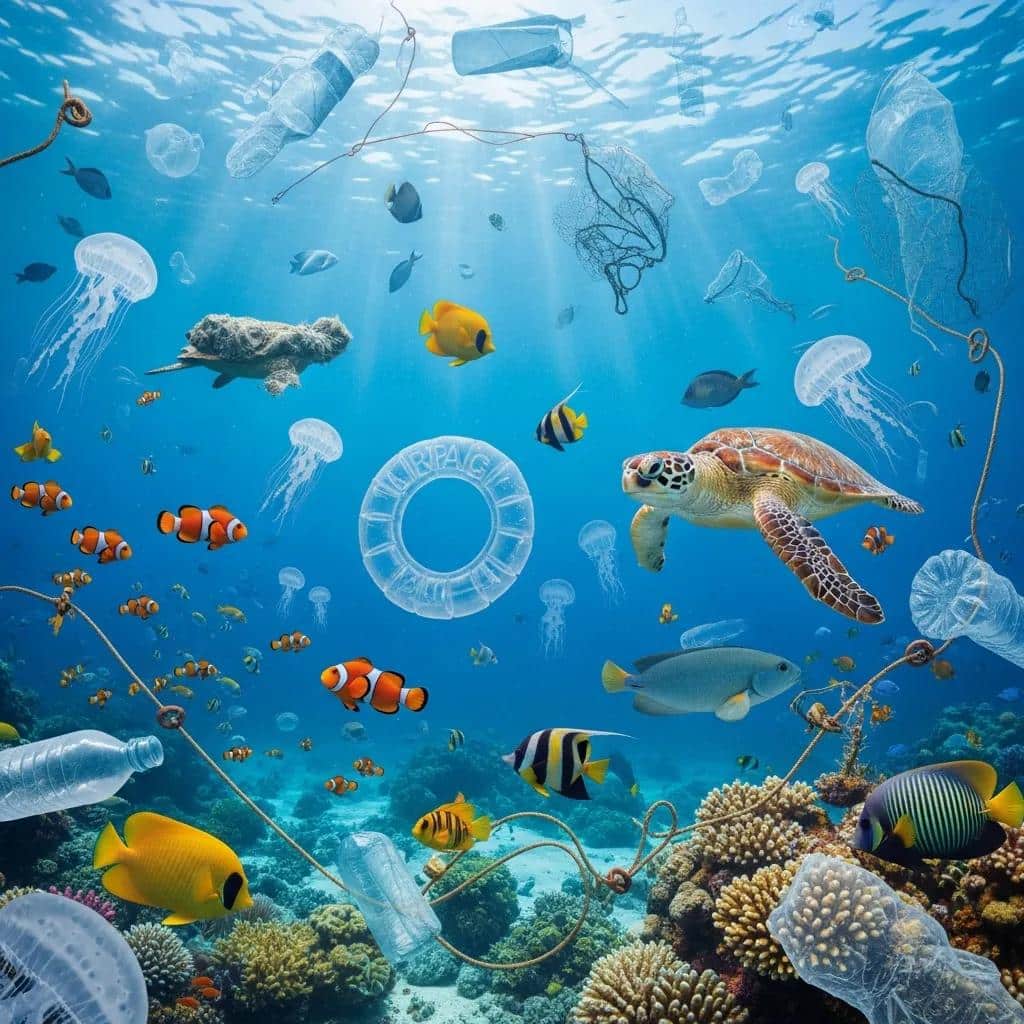
Ocean Plastic Pollution Explained: Causes, Effects & Solutions
Ocean plastic pollution is a pressing environmental issue that threatens marine ecosystems and human health. It refers to the accumulation of plastic products in the ocean, which can take hundreds of years to decompose. This article will explore the various causes of ocean plastic pollution, its detrimental effects on marine life and human health, and effective solutions to combat this growing crisis. By understanding the mechanisms behind this pollution, we can take actionable steps to protect our oceans and promote sustainability. The discussion will cover the primary causes, the impacts on marine ecosystems, and practical solutions that can be implemented at individual and community levels.
Causes of Ocean Plastic Pollution:
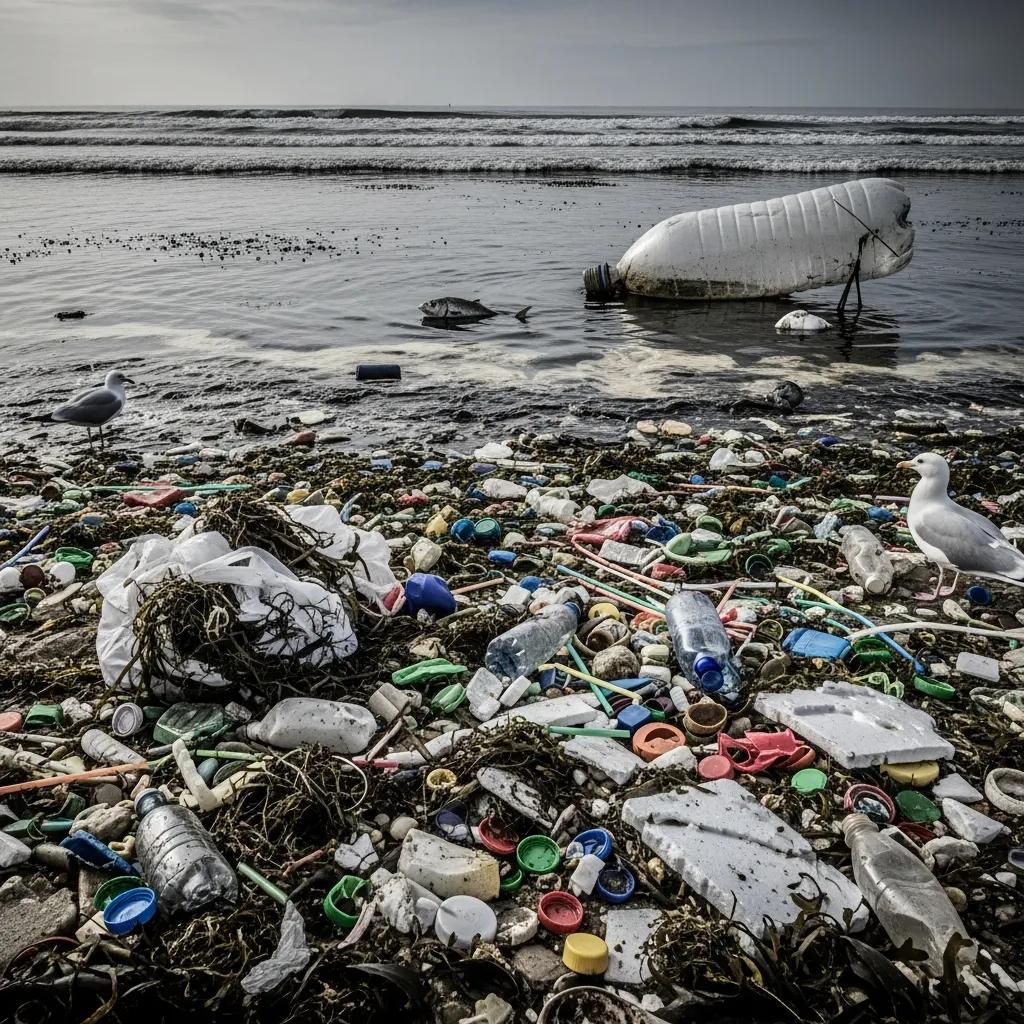
Ocean plastic pollution is primarily driven by several key factors that contribute to the increasing amount of plastic waste entering our seas. One major cause is improper waste management, where inadequate disposal and recycling systems lead to plastic waste being discarded into the environment. Additionally, the prevalence of single-use plastics, such as bags, bottles, and straws, exacerbates the problem as these items are often used briefly but persist in the environment for decades. The fishing industry also plays a significant role, with debris from fishing gear, such as nets and lines, contributing to marine litter. Understanding these causes is crucial for developing effective strategies to mitigate plastic pollution.
Effects of Ocean Plastic Pollution:
The effects of ocean plastic pollution are far-reaching and devastating. Marine life is particularly vulnerable, as animals can ingest plastic debris or become entangled in it, leading to injury or death. This not only threatens biodiversity but also disrupts entire ecosystems. Furthermore, plastic pollution can introduce harmful chemicals into the food chain, affecting not only marine wildlife but also human health. As humans consume seafood contaminated with microplastics, there are growing concerns about the long-term health implications. The disruption of marine ecosystems due to plastic pollution can also impact local economies that rely on fishing and tourism, highlighting the urgent need for action.
Further research emphasizes the pervasive nature of microplastic pollution and its significant implications for both marine ecosystems and human well-being.
Microplastic Pollution: Sources, Health Impacts & Mitigation
The presence and accumulation of plastic and microplastic (MP) debris in the natural environment is of increasing concern. Plastic debris is a prolific, long-lived pollutant linked to morbidity and mortality in numerous aquatic organisms. The prevalence of MPs is a symptom of continuous growth in synthetic plastic production and mismanagement of plastic waste. Terrestrial and marine-based processes contribute to MP pollution. MPs have been identified in food and air, and exposure via ingestion or inhalation could lead to adverse human health effects. Regulations are being implemented to reduce MPs in aquatic environments.
Occurrence, sources, human health impacts and mitigation of microplastic pollution, S Karbalaei, 2018
Effective Solutions:
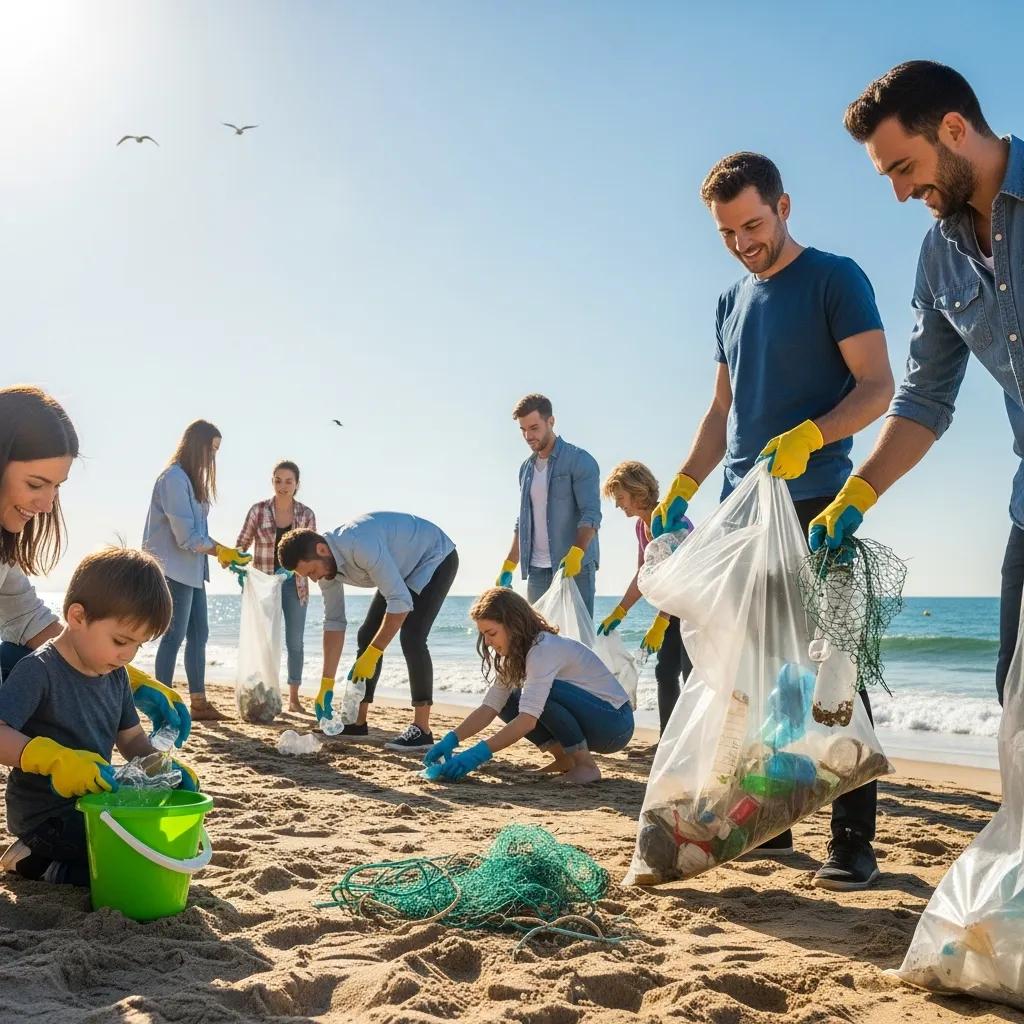
Addressing ocean plastic pollution requires a multifaceted approach that includes better waste management practices, legislative action, and community engagement. Here are some effective solutions:
Volunteer-led efforts, such as beach cleanups, are a crucial component of these solutions, extending their impact beyond immediate waste removal.
Volunteer Beach Cleanups & Global Plastic Pollution
Marine litter, the majority of which is plastic, is one of the most pressing global environmental challenges impacting the planet. One way coastal communities respond to this challenge is through the environmental stewardship practice of volunteer beach cleanups. Beyond providing temporarily cleaner local beaches, these cleanups have broader impacts in the global struggle against plastic pollution, including education, advocacy, research, and monitoring. Groups combine different forms of environmental stewardship and collaborate to scale up their actions, contributing to plastic pollution governance and weaving a global net of ocean stewardship.
Volunteer beach cleanups: civic environmental stewardship combating global plastic pollution, 2021
- Improved Waste Management: Implementing comprehensive recycling programs and waste reduction initiatives can significantly decrease the amount of plastic waste entering the ocean. Communities can adopt practices such as reducing single-use plastics and promoting the use of biodegradable alternatives.
- Legislation and Bans: Governments can enact laws to ban or limit the use of single-use plastics, encouraging businesses and consumers to shift towards more sustainable options. Effective legislation can drive significant change in consumer behavior and industry practices.
- Cleanup Initiatives: Organizing community cleanup events can help remove existing plastic waste from beaches and waterways. These initiatives not only improve local environments but also raise awareness about the importance of keeping our oceans clean.
- Education and Awareness: Raising awareness about the impacts of plastic pollution and promoting sustainable practices can empower individuals to make informed choices. Educational programs in schools and communities can foster a culture of environmental stewardship.
- Innovative Technologies: Investing in new technologies for plastic waste management, such as advanced recycling methods and marine debris cleanup technologies, can enhance our ability to tackle this issue effectively.
Different cleanup technologies deliver distinct benefits through specific mechanisms.
This comparison demonstrates how various technologies can contribute to reducing ocean plastic pollution and protecting marine ecosystems.
A comprehensive community-centered framework is essential for integrating prevention, cleanup, and policy coordination to effectively address the global challenge of ocean plastic pollution.
Community Framework for Ocean Plastic Prevention & Cleanup
Coastal plastic pollution poses an existential threat to marine biodiversity, human health, and coastal livelihoods, with an estimated 8 million metric tons of plastic entering oceans annually. This study develops a community-centered framework integrating prevention, cleanup, and policy coordination through a systematic literature review (n=207) and cross-case analysis of 15 coastal communities across Africa, Asia, Europe, and the Americas. The findings identify three core pillars—community engagement, circular waste management, and transboundary policy alignment—as critical for scalable pollution mitigation. The framework addresses gaps in existing research by bridging local action with global policy, while prioritizing the needs of vulnerable coastal populations. Practical implications for community leaders, policymakers, and environmental organizations emphasize cost-effective, culturally adaptive strategies that balance short-term cleanup with long-term prevention.
Addressing Plastic Pollution in Coastal Ecosystems: A Community-Centered Framework for Prevention, Cleanup, and Policy Coordination, 2025
By implementing these solutions, we can work towards a cleaner, healthier ocean. The Earth Action Network, Inc. serves as an information hub, providing resources and guidance on sustainable practices to combat ocean plastic pollution. Together, we can inspire action and create a positive impact on our environment.