






Plastic Pollution: Reduction Strategies and Policy
Practical Strategies and Policies to Reduce Plastic Pollution: A Complete Guide to Waste Management and Sustainable Alternatives
Plastic pollution is one of today’s most urgent environmental problems, affecting wildlife, ecosystems, and human health. This guide lays out proven strategies and policy approaches to cut plastic waste, with a focus on sustainable materials and emerging technologies. You’ll find clear explanations of waste-management options, the promise and limits of biodegradable plastics, and how local engagement can drive real change. By understanding how pollution happens and which solutions work, individuals and organizations can take practical steps toward a less wasteful future. Topics covered include waste management techniques, sustainable alternatives, new technologies, community action, and the role of monitoring and coordinated policy.
Common sources of plastic leakage include single-use packaging, informal disposal, and poorly managed collection systems. Addressing these pathways requires matching solutions to context: low-cost interventions and public education are powerful where collection is incomplete, while technical upgrades and policy levers are essential in more industrialized systems. Throughout this guide the emphasis is practical: actions that increase material recovery, reduce demand for single-use items, and make alternatives easier to adopt.
Key Takeaways
- Plastic pollution threatens ecosystems, wildlife, and public health.
- Strong waste-management systems — recycling, regulation, and community cleanups — reduce plastic leakage.
- Reusable products and biodegradable materials can cut the environmental footprint of plastic when used and disposed of correctly.
- New technologies, from advanced recycling to AI-driven detection, improve how we handle plastic waste.
- Community engagement turns awareness into collective action.
- Reliable monitoring and aligned policies are essential for lasting progress.
- Bans on single-use plastics are shifting markets and encouraging alternatives.
- Cross-sector collaboration amplifies impact and speeds adoption of best practices.
These takeaways reflect the combined value of behavior change, better systems, and targeted policy. They are entry points for planning local programs or shaping national strategies.
Waste Management Techniques
Practical waste-management approaches are the backbone of any effort to reduce plastic pollution. These methods range from improving recycling infrastructure and passing targeted legislation to organizing community cleanup events. When applied together, they reduce the amount of plastic that ends up in landfills and natural environments.
What Are the Most Impactful Plastic Waste Management Techniques?
- Comprehensive Recycling Programs: Make recycling easy and reliable through accessible drop-off points, curbside services, and public education. Higher participation and cleaner streams mean more plastic is kept in the economy instead of the environment.
- Legislation and Bans: Targeted laws — for example, restrictions on certain single-use items — encourage businesses and consumers to choose less wasteful options and spur innovation in product design.
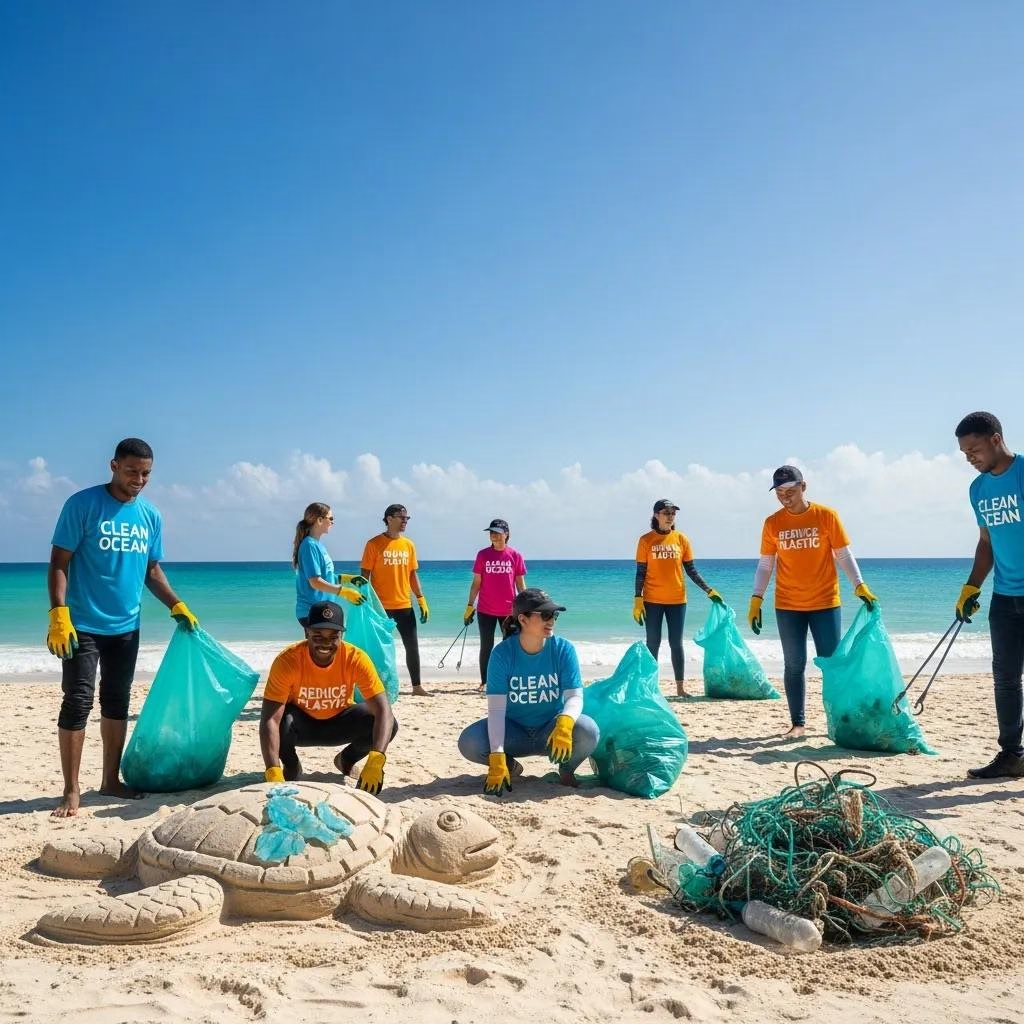
- Community Cleanup Initiatives: Local cleanups remove pollution from public spaces and waterways while building awareness and community ownership of the problem and its solutions.
Designing an effective system usually combines infrastructure, incentives, and outreach. For example, pairing curbside collection with clear labeling and community campaigns raises participation and reduces contamination of recyclables. Collaboration between municipalities and private haulers can expand service coverage without duplicating investments.
Financing is a critical consideration. Local authorities frequently use a mix of public funding, producer fees, and grants to pay for collection, sorting, and public education. When budgets are tight, phased approaches that start with high-priority streams (like packaging) and scale over time tend to be most achievable.
Sustainable Alternatives

Switching to more sustainable materials and products is a key part of reducing plastic pollution. Alternatives can reduce the lifecycle impacts of packaging and single-use items, but they must be chosen and managed carefully to realize their benefits.
Which Biodegradable Plastics and Alternatives Are Leading the Innovation?
- Biodegradable Plastics: New formulations—often plant-based—are designed to break down faster than traditional polymers. Their effectiveness depends on the material, the disposal environment, and available composting or treatment systems.
- Reusable Items: Durable bags, bottles, and containers cut single-use demand when people adopt them consistently. Design for longevity and ease of cleaning improves adoption.
- Eco-Friendly Packaging: Brands are shifting toward recyclable, compostable, or minimal packaging. The best solutions balance functionality, recyclability, and lower environmental impact.
When evaluating alternatives, consider full life-cycle factors: the resources used to make the item, how long it lasts, and whether local systems exist to collect and process it at end-of-life. For example, a compostable material only delivers environmental benefits if a suitable industrial composting or organic-waste system is available. Clear labeling and consumer education are essential so items reach the correct disposal stream.
Retailers and designers can also reduce waste by redesigning packaging to use less material or by adopting refill and return schemes that keep material in use longer. Small changes in packaging formats and clearer material choices often make recycling more viable and reduce contamination in the waste stream.
Innovative Technologies
Technology expands the toolkit for tackling plastic pollution. From smarter sorting and chemical recycling to remote sensing and robotics, these innovations help recover more material and prevent plastic from entering the environment.
How Does Recycling Plastic Reduce Environmental Pollution?
Recycling keeps plastic in use and reduces demand for virgin materials, saving energy and cutting greenhouse gas emissions. Mechanical recycling turns waste into lower-grade products, while advanced approaches—like chemical recycling—can break plastics back into their original building blocks, enabling higher-quality reuse. Each method has trade-offs; integrating them thoughtfully increases overall recovery.
Recent research suggests advanced recycling methods could significantly change how we process plastic waste.
Advanced Plastic Recycling Technologies: Chemical, Biological, and AI Sorting
This review evaluates progress beyond traditional mechanical recycling, focusing on chemical recycling, biological degradation pathways, and improved sorting using AI. It highlights how these approaches can complement existing systems and where further development is needed.
Advanced technologies for plastic waste recycling: examine recent developments in plastic waste recycling technologies, OO Alabi, 2025
Practical deployment of new technology often begins by targeting the most contaminated or valuable streams where improvements yield clear returns. For municipal systems, investing in improved sorting at material recovery facilities reduces manual labor and improves the purity of bales sold to manufacturers. For businesses, investing in redesign and material choices reduces the need for complex downstream processing.
It is also important to recognize constraints: advanced processes can require higher capital expenditure, stable feedstock quality, and supportive regulation. Pilot projects and phased integration help manage these costs while testing technical performance and market demand.
What Role Does Ocean Plastic Cleanup Play in Waste Reduction?
Ocean cleanup projects combine targeted collection with monitoring to remove debris and inform prevention strategies. Specialized vessels, skimmers, and aerial or marine drones help locate and collect plastic before it spreads, and the data they gather guides policy and local interventions.
Emerging tools like AI-powered drones are increasingly useful for mapping and recovering marine plastic.
AI Drone Surveillance & Pyrolysis for Marine Plastic Waste
The BLUEGENIC concept pairs AI-driven drone surveillance with waste-to-fuel processing. Routine drone deployments in priority maritime zones could map an estimated 50–200 tons of marine plastic annually. Collected material processed by pyrolysis may yield roughly 13,000–14,000 liters of alternative fuel per month from about 16.7 tons of plastic, demonstrating a potential pathway for waste recovery and energy generation.
BLUEGENIC: Transforming marine plastic waste through AI drone surveillance as a solution for sustainable energy and maritime security, N Hafifa, 2025
While cleanup removes debris, it works best when paired with source-reduction measures such as improved waste capture upstream, port reception facilities, and community waste-management improvements in river basins that feed the ocean. Combining data from cleanup operations with local education and infrastructure investment directs resources where they have the greatest preventive effect.
Community Engagement
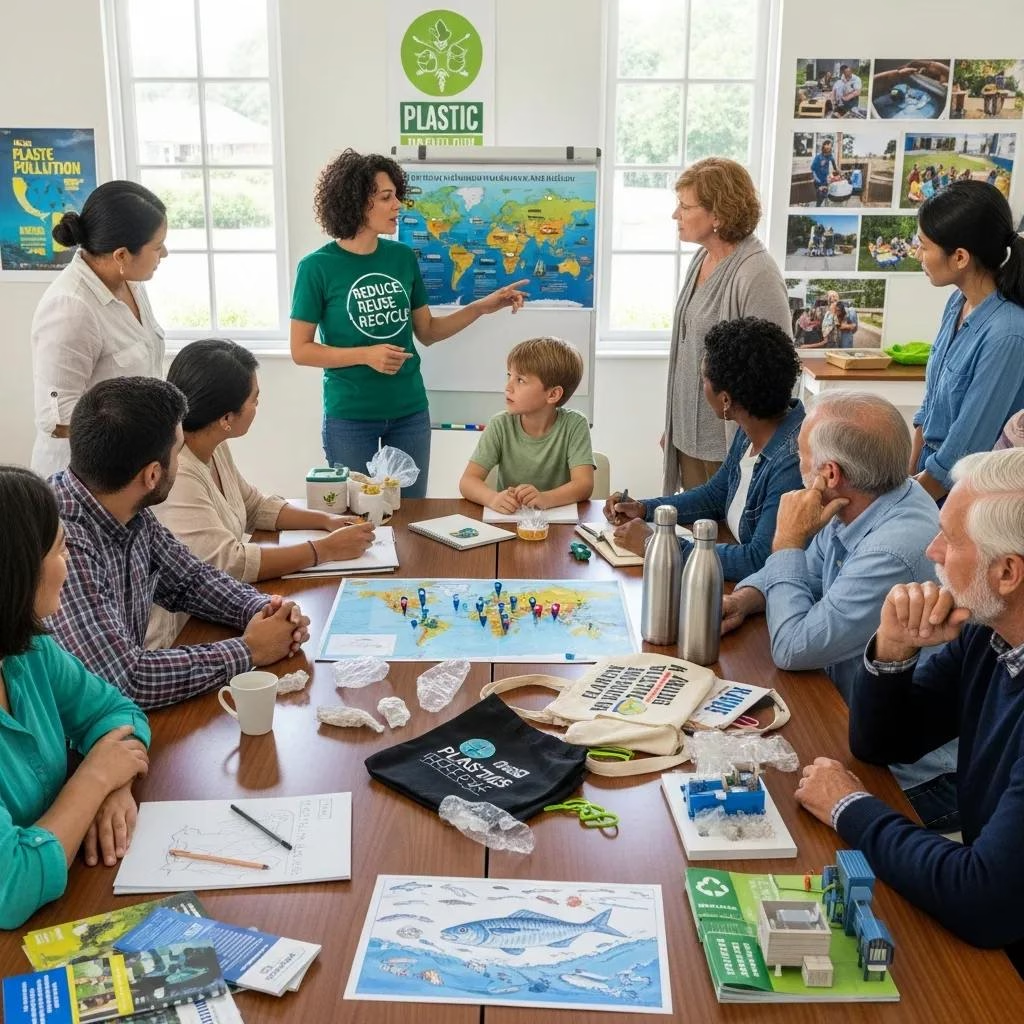
Local engagement turns policy and technology into sustained behavior change. Programs that involve schools, businesses, and residents build momentum and create social norms that reduce plastic use and improve disposal.
Evidence shows that proactive community involvement is central to sustainable plastic-waste management.
Community Engagement for Sustainable Plastic Waste Management
This paper analyzes community and stakeholder practices that reduce single-use plastic consumption and support sustainable lifestyles, emphasizing local participation and external support as key drivers of change.
Sustainable plastic waste management practice based on community and stakeholder participation, AF Fidayanti, 2025
Engagement efforts are most effective when they include clear, actionable steps and measurable goals. School programs that teach waste sorting and reuse habits help shape long-term behaviors. Business partnerships that pilot refill stations or adopt reusable packaging create visible options for consumers. Local champions—community leaders, teachers, or business owners—often accelerate adoption by modeling desired behaviors.
Practical tools for community work include volunteer cleanup toolkits, starter grants for local recycling groups, and template communications that make it easier to run outreach campaigns. Tracking participation and reporting local results helps maintain momentum and demonstrate value to funders and stakeholders.
What Individual Actions Can Support Plastic Pollution Reduction and Sustainability?
- Participating in Local Cleanups: Join or organize cleanups to remove plastic from parks, beaches, and waterways while raising public awareness.
- Advocating for Policy Change: Support local policies that discourage single-use plastics and incentivize recycling and reuse.
- Educating Others: Share practical tips on reducing plastic use and proper disposal to help friends and neighbors make better choices.
In addition to the actions above, individuals can reduce plastic by choosing products with minimal or recyclable packaging, using durable goods instead of disposables, and supporting local businesses that prioritize reuse. Small, consistent choices add up when adopted widely, and individuals who combine actions with advocacy create influence beyond their immediate circle.
Monitoring and Policy Coordination
Reliable monitoring and coordinated policies are essential to measure progress and guide investments. Governments and partners need harmonized targets, shared data, and funding mechanisms to scale successful approaches.
How Are Single Use Plastic Bans Shaping Environmental Policy Worldwide?
Bans on specific single-use items create clear market signals and often reduce visible litter. They encourage manufacturers and retailers to develop alternatives and can increase public awareness of consumption patterns, contributing to broader shifts toward a circular economy.
To be effective, bans are often paired with transition periods, guidance for businesses, and support for affordable alternatives. Enforcement and public messaging are key: without clear rules and visible support systems, bans can simply shift the problem to other materials or create confusion among consumers and producers.
What Are the Key Features of International Plastic Pollution Policies?
International policies usually include:
- Targets for Reducing Plastic Production: Clear, measurable goals to cut production and consumption of problematic plastics.
- Support for Research and Development: Funding for new materials, recycling technologies, and better waste systems.
- Collaboration Across Borders: Shared strategies and technical assistance so countries can tackle pollution that crosses oceans and supply chains.
Coordination helps align measurement approaches so that progress in different countries is comparable. Shared technical standards for materials, labeling, and testing also reduce trade friction and help manufacturers design products that are easier to reuse or recycle globally.
Latest Statistics and Case Studies on Plastic Pollution Reduction
Current data and case studies reveal both progress and persistent challenges. Tracking production, leakage, and recovery helps prioritize interventions and measure what works.
What Do Recent Data Reveal About Global Plastic Production Trends?
Recent figures from 2021–2022 show continued growth in global plastic production despite increased awareness of its impacts, underscoring the need for stronger policy, better infrastructure, and scalable alternatives.
Case studies illustrate both effective interventions and common obstacles. Successful programs tend to combine clear local goals, stable financing, and monitoring that links action to outcomes. Less successful efforts often lack sustained funding or fail to integrate behavior change with technical improvements.
Which Environmental Organizations Lead Successful Plastic Reduction Initiatives?
Key organizations driving practical solutions include:
- The Ocean Cleanup: Focused on removing plastic from rivers and oceans.
- Plastic Pollution Coalition: Advocates for policy change and public education.
- Surfrider Foundation: Mobilizes communities for beach cleanups and awareness campaigns.
These groups often partner with local governments, research institutions, and private firms to scale programs and share lessons learned. Replicating best practices locally generally requires adaptation to local logistics, cultural norms, and available budgets.
How Can Policy Frameworks and Environmental Organizations Collaborate for Greater Impact?
Aligning policy goals with the work of nonprofits and industry creates leverage: coordinated campaigns, shared data, and joint funding accelerate scale-up of effective solutions and reduce duplication of effort.
This table highlights how complementary strategies work together to reduce plastic pollution. When combined, these approaches help communities move toward more sustainable systems.
Joint initiatives can include shared monitoring platforms that pool data on litter, recycling rates, and program costs. These aggregated data support evidence-based decisions and help secure funding from national or international sources by demonstrating impact.
Frequently Asked Questions
What are the long-term effects of plastic pollution on marine life?
Plastic harms marine life through ingestion, entanglement, and habitat disruption. Animals that eat plastic can suffer malnutrition, internal injury, or death. Microplastics also enter food webs and can accumulate up the chain, affecting predators and potentially people who eat seafood. Over time, these impacts reduce biodiversity and alter ecosystem function.
Long-term impacts also include changes to species behavior and habitat quality that can alter fisheries and local livelihoods. Addressing plastic pollution helps protect both biodiversity and the ecosystem services communities rely on.
How can businesses contribute to reducing plastic waste?
Businesses can cut plastic waste by redesigning packaging, switching to reusable or compostable materials where appropriate, and setting up recycling or take-back programs. Corporate commitments to reduced single-use plastic, supplier engagement, and consumer education also make a measurable difference. Partnering with local initiatives and supporting infrastructure investments amplifies business efforts.
Practical steps for businesses include piloting reusable packaging models, improving supply-chain transparency, and working with waste management partners to ensure collected materials are effectively processed. Small pilots help test customer acceptance and operational feasibility before scaling.
What role do consumers play in combating plastic pollution?
Consumers influence markets through purchasing choices—choosing products with less packaging, buying reusable items, and supporting sustainable brands. Small daily actions, combined with participation in community programs and advocacy for stronger policy, can shift demand and encourage producers to adopt greener practices.
Consumers can also pressure retailers by requesting clearer labeling and asking for refill or return options. Collective consumer action, such as coordinated campaigns or petitions, often moves companies faster than individual requests alone.
What are the challenges in implementing plastic waste management policies?
Challenges include political resistance, competing economic interests, limited public awareness, and gaps in funding and infrastructure. Industry pushback can slow regulation, while incomplete collection and recycling systems limit effectiveness. Overcoming these barriers requires public engagement, financing for infrastructure, and policies that align incentives across stakeholders.
Mechanisms that help overcome challenges include phased implementation, stakeholder consultations to design workable rules, and targeted subsidies or incentives that lower transition costs for small businesses and municipalities.
How do international agreements address plastic pollution?
International agreements establish shared goals, promote research and technology transfer, and encourage coordinated action across borders. By setting common targets and facilitating cooperation, these treaties help countries address pollution that crosses oceans and global supply chains. Proposals like a global plastics treaty aim to create binding commitments to reduce production and improve waste management worldwide.
Such agreements also create forums for technical assistance and funding, helping lower-income countries access the tools and training needed to upgrade collection and treatment systems.
What innovative solutions are being developed to tackle plastic pollution?
New solutions include chemical and biological recycling that can recover materials not handled by mechanical systems, biodegradable materials sourced from natural feedstocks, and digital tools—like AI and drones—for monitoring and cleanup operations. These innovations, combined with better policy and behavior change, support a transition to a circular economy.
Testing and demonstration projects are an important next step for many of these technologies. Pilots reveal operational constraints, help clarify regulatory needs, and show where integration with existing systems is most beneficial.
Conclusion
Reducing plastic pollution requires coordinated action: smarter policies, better waste systems, sustainable product choices, and active communities. By combining technology with practical behavior change and policy support, we can cut plastic leakage and move toward a circular, less wasteful future. Explore the resources linked across this guide to find concrete steps you, your organization, or your community can take today.
Start with a simple assessment of local plastic flows: identify major sources, map existing collection and processing options, and prioritize interventions that deliver quick wins while building capacity for larger system changes. Whether you are a policymaker, a business leader, or an engaged citizen, meeting this challenge depends on practical steps, measured results, and ongoing collaboration.