



Repair or Replace Your AC? The Environmental Case
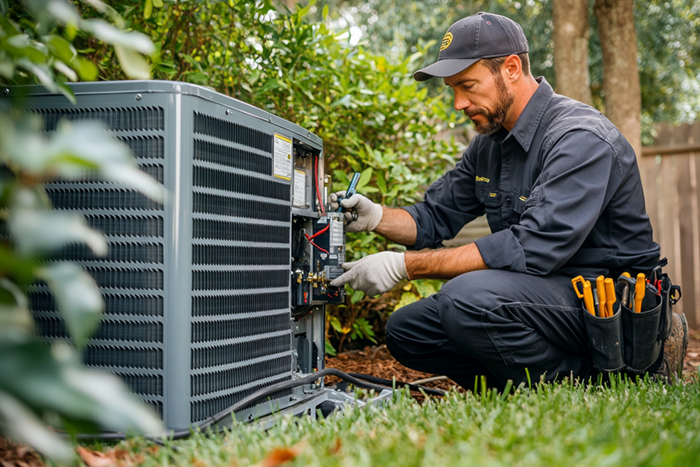
Repair or Replace? The Environmental Case for Fixing Your AC Instead of Tossing It
When an air conditioner starts struggling — weak airflow, warm air, strange noises — the first instinct is often to replace it. A new unit feels like the clean solution. But “replace” almost always means “throw away,” and a discarded AC carries an environmental cost that rarely enters the decision.
That cost is higher than most people assume. A scrapped unit sends metal, plastic, refrigerant, and electronics into the waste stream, and building its replacement consumes raw materials, energy, and shipping fuel before it ever cools a single room. The new system has a carbon footprint baked in long before you turn it on.
For many households, the greener, cheaper first move isn’t a new system at all — it’s air conditioner repair that restores the existing unit to full efficiency and keeps it out of the landfill for years longer. Repair isn’t always the answer, but it deserves to be the first question.
The Hidden Environmental Cost of Replacing an AC
Replacing an air conditioner is two environmental events, not one: you dispose of the old unit, and you manufacture a new one. Both carry a footprint that a working repair avoids entirely.
What ends up in the landfill — metal, plastic, and electronic waste
An air conditioner is a dense mix of materials — steel, aluminum, copper, plastic housing, and electronic control boards. When a unit is scrapped, much of that can end up in a landfill if it isn’t properly recycled. Electronic components, in particular, contribute to the growing stream of e-waste, which is among the hardest waste types to process responsibly. Every unit that keeps running is one that stays out of that pile.
Refrigerant and its climate impact when units are scrapped improperly
Air conditioners contain refrigerant, and many refrigerants are potent greenhouse gases when released into the atmosphere. Proper disposal requires safely recovering the refrigerant — a step that doesn’t always occur when a unit is dumped or handled carelessly. A system that’s repaired and sealed keeps its refrigerant contained and working, rather than risking a release during scrapping.
The carbon cost of manufacturing and shipping a new unit
The footprint of a new AC isn’t only in its energy use later — it’s in its creation now. Mining and refining metals, producing components, assembling the unit, and shipping it to your home all consume energy and generate emissions. This is the part of the equation buyers almost never see, because it happens before the product reaches them. A repair sidesteps that entire upfront cost.
When Repair Is the Smarter (and Greener) Choice
Most AC failures aren’t the end of the appliance’s life — they’re a single fixable fault in an otherwise sound system. Recognizing this prevents many premature replacements.
Common issues that are repairable
A surprising number of “dead” air conditioners just need one component addressed. Repairable problems include:
- Low refrigerant from a leak that can be sealed and recharged
- A failed capacitor or contactor
- A worn fan motor
- A dirty or blocked condenser coil restricts performance
- Clogged filters and airflow issues
None of these requires a new unit — they require a diagnosis and a fix.
How repair restores efficiency and lowers energy use
A struggling AC doesn’t just cool poorly — it wastes power doing it. Low refrigerant, dirty coils, and worn parts force the system to run longer and harder for less of a result, which increases both your energy use and your emissions. Repairing these faults restores the unit to the efficiency for which it was built, so it does the same job using less electricity. In that sense, a good repair is an environmental upgrade, not just a fix.
Extending equipment lifespan = fewer units in the waste cycle
The longest-lasting appliance is almost always the greenest one. Every additional year you get from an existing unit is a year you delay both the disposal of the old system and the manufacturing of a new one. Repair extends that lifespan directly, keeping working equipment in service instead of feeding the cycle of buy, break, discard, repeat.
When Replacement Actually Makes Sense
Repair isn’t always the right call. In some cases, replacing a unit is genuinely the better choice — including for the environment — and an honest decision accounts for that.
Age and repeated breakdowns
A unit that has reached the end of its expected lifespan and breaks down repeatedly is telling you something. When repairs become frequent and overlapping, you’re spending money and resources to keep an aging system limping along. At that point, continued repair can cost more — in both dollars and waste — than a single replacement that runs reliably for years.
Outdated, low-efficiency or old-refrigerant systems
Older systems were often built to lower efficiency standards, and some use refrigerants that are being phased out. If a unit is both inefficient and dependent on outdated refrigerant, repairing it may lock you into high energy use and harder, costlier service down the line. In these cases, a modern, efficient replacement can lower long-term energy consumption enough to justify the upfront cost.
How to weigh repair cost against long-term efficiency gains
The decision comes down to a balance: the cost and footprint of repairing now versus the efficiency you’d gain over the life of a new system. A minor fix on a reasonably young, efficient unit almost always favors repair. A major repair on an old, inefficient one may favor replacement. The key is to base that judgment on the system’s actual condition, not on the frustration of a hot day.
How to Make the Repair-vs-Replace Decision
A sound decision starts with information, not guesswork. Before you commit either way, get a clear picture of what’s actually wrong and what the unit has left in it.
Get a professional diagnosis first
Before deciding anything, find out what’s broken and why. A professional diagnosis tells you whether you’re looking at a simple component failure or a system-wide problem — the single most important fact in the decision. Replacing a unit due to a fault a technician could fix in one visit is the most common way people waste both money and a perfectly serviceable appliance.
Questions to ask
Once you have a diagnosis, a few questions clarify the path forward:
- How efficient is the current unit, and how much would a repair restore?
- What refrigerant does it use, and is that type being phased out?
- How many years of reliable service likely remain after the repair?
- How does the repair cost compare to the energy savings of a new system over time?
Red flags that point to replacement vs. signs a repair is enough
A repair is usually enough when the unit is reasonably young, the fault is isolated, and it has been maintained. Lean toward replacement when you see stacking red flags: advanced age, repeated and escalating breakdowns, very low efficiency, and reliance on outdated refrigerant. One isolated problem rarely justifies replacement; a pattern of them often does.
Getting the Most Life (and Efficiency) From Your AC
The best way to avoid the repair-or-replace dilemma is to keep the system healthy enough that it rarely reaches a crisis. A little routine attention extends both lifespan and efficiency, and catches small faults before they become expensive ones.
- Change filters regularly to maintain airflow and reduce strain on the system.
- Keep the condenser coil clean so the unit cools efficiently instead of overworking.
- Schedule an annual tune-up to catch wear, leaks, and small issues early.
- Address minor problems promptly rather than letting them cascade into bigger failures.
- Maintain proper refrigerant levels, since running low wastes energy and signals a leak that needs sealing.
What It Comes Down To
In most cases, fixing an air conditioner beats tossing it — for your budget and for the environment. A working repair keeps materials out of the landfill, contains refrigerant, avoids the footprint of a new unit, and restores efficiency, lowering your energy use. Replacement has its place, but it should be a considered decision, not a reflex triggered by the first breakdown.
The honest answer to “repair or replace” depends on the actual condition of your system, which is why a proper diagnosis matters more than any rule of thumb. If you’re weighing the two in the Bensalem, Bucks County, or Greater Philadelphia area, a local specialist like Region Home Services can diagnose the issue, restore efficiency, and help you make the call that’s right for both your home and the environment — with nearly 50 years of HVAC experience behind it.