






Roadless Rule Protecting American Forests On The Chopping Block
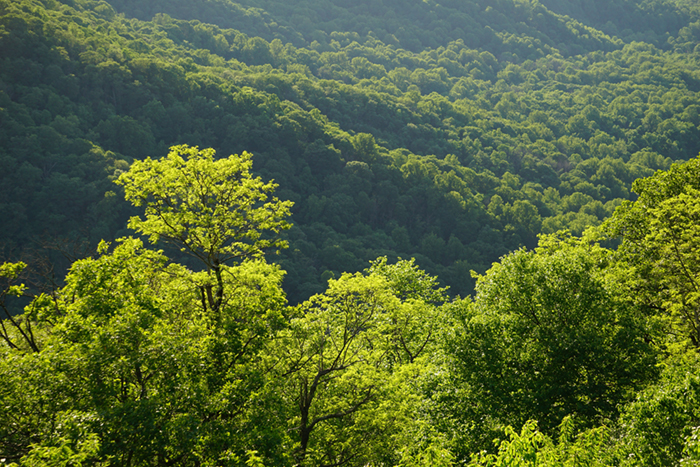
Dear EarthTalk: What is the “roadless rule” and what will happen to our forests if the Trump administration succeeds in repealing it?
—Chas Church, Portland, OR
The Roadless Area Conservation Rule was established in 2001 under the Clinton administration to protect nearly 60 million acres of undeveloped national forest land across the U.S. These roadless areas are rich in biodiversity, essential for clean drinking water, and serve as crucial carbon sinks in the fight against climate change. The rule prohibits most road construction and logging in these areas, preserving their natural state for future generations. Now the U.S. Forest Service has moved to rescind the 2001 rule to open millions of acres to logging, with the explicit goal to boost the U.S. timber industry.
In 2020, the Trump administration finalized a plan to exempt Alaska’s Tongass National Forest from the Roadless Rule. This decision opened over nine million acres of old-growth forest to development, including logging and road-building. Trump argued that lifting these restrictions would benefit local economies and promote resource access, but scientists and indigenous communities raised alarms.
The repeal of the Roadless Rule could have significant environmental consequences. Building roads and allowing logging in previously protected areas leads to deforestation and fragmentation of critical wildlife habitats. These disruptions threaten endangered species, increase the risk of invasive species, and degrade ecosystems that many communities rely on for hunting, fishing and clean water. Moreover, removing these protections reduces the forest’s ability to store carbon, further contributing to global warming.
Beyond the environmental impact, rolling back the rule disregards decades of public support for preserving roadless areas. When the policy was first enacted, it received more than 1.6 million public comments, mostly in favor. Many tribal nations, particularly in Alaska, also oppose the rollback, citing damage to traditional lands and subsistence lifestyles. “The Trump administration now wants to throw these forest protections overboard so the timber industry can make huge money from unrestrained logging,” said Drew Caputo, vice president of litigation at Earthjustice, an environmental law group.
While the Biden administration moved to restore protections to the Tongass and revisit Trump-era rollbacks, the future of roadless areas depends on continued public attention and action. These lands are not just scenic retreats, but they also protect biodiversity, store carbon and provide clean air and water.
The fight to preserve wild spaces will continue as humans stay informed. It is important to write to our state representatives about this issue, support conservation nonprofits, and push for strong federal policies that keep our forests intact.
CONTACTS
EarthTalk® is produced by Roddy Scheer & Doug Moss for the 501(c)3 nonprofit EarthTalk. See more at https://emagazine.com. To donate, visit https://earthtalk.org. Send questions to: question@earthtalk.org.