






Spotting Greenwashing: Key Signs to Identify Misleading Eco-Friendly Product Claims

In an era where environmental consciousness is at an all-time high, consumers are increasingly aware of the products they purchase and their impact on the planet. However, the rise of greenwashing—where companies falsely promote their products as environmentally friendly—poses a significant challenge. This article aims to equip readers with the knowledge to identify misleading eco-friendly claims and understand the tactics used by companies to mislead consumers. By recognizing the signs of greenwashing, individuals can make informed choices that genuinely support sustainability. We will explore key signs of greenwashing, common marketing tactics, industry-specific examples, and strategies for making informed consumer choices.
Consumer Awareness and the Rise of Green Marketing
The green wave of environmental advertising among organic food producers, distributors, and retailers begun during the 1990s has become an all-out green tsunami. The organic food market is the fastest growing segment of the American food industry. Consumers are increasingly becoming aware of the impact their purchases have on several environmental issues. As a result, those consumers are becoming more aware of their spending power and are willingly altering their buying practices to purchase from companies that emphasize environmental responsibility. Greenwashing the organic label: abusive green marketing in an increasingly eco-friendly marketplace, 2011
Key Signs of Greenwashing
Identifying greenwashing is crucial for consumers who want to make environmentally responsible choices. Companies often employ various tactics to create a false impression of sustainability. Here are some key signs to watch for:
- Vague Language: Companies may use ambiguous terms like “eco-friendly” or “natural” without providing specific details about their practices or products.
- Highlighting Isolated Attributes: A product may be marketed as environmentally friendly based on one small feature while ignoring its overall environmental impact.
- Misleading Certifications: Some products display certifications that sound official but are not backed by credible organizations, misleading consumers about their sustainability.
Recognizing these signs can help consumers navigate the complex landscape of eco-friendly products and avoid falling victim to deceptive marketing.
Common Marketing Tactics Indicating Misleading Claims
Companies often utilize specific marketing strategies that suggest greenwashing. Understanding these tactics can empower consumers to make better choices. Here are some common tactics:
- Ad Bluster: Exaggerated claims in advertisements that focus on environmental benefits without substantial evidence.
- Faux Environmental Initiatives: Companies may promote initiatives that appear environmentally friendly but are merely for show, lacking real impact.
- False Claims of Carbon Neutrality: Some brands claim to be carbon neutral without transparent reporting on their emissions and offsets.
By being aware of these tactics, consumers can critically evaluate the claims made by brands and seek out those that genuinely prioritize sustainability.
Examples Across Various Industries
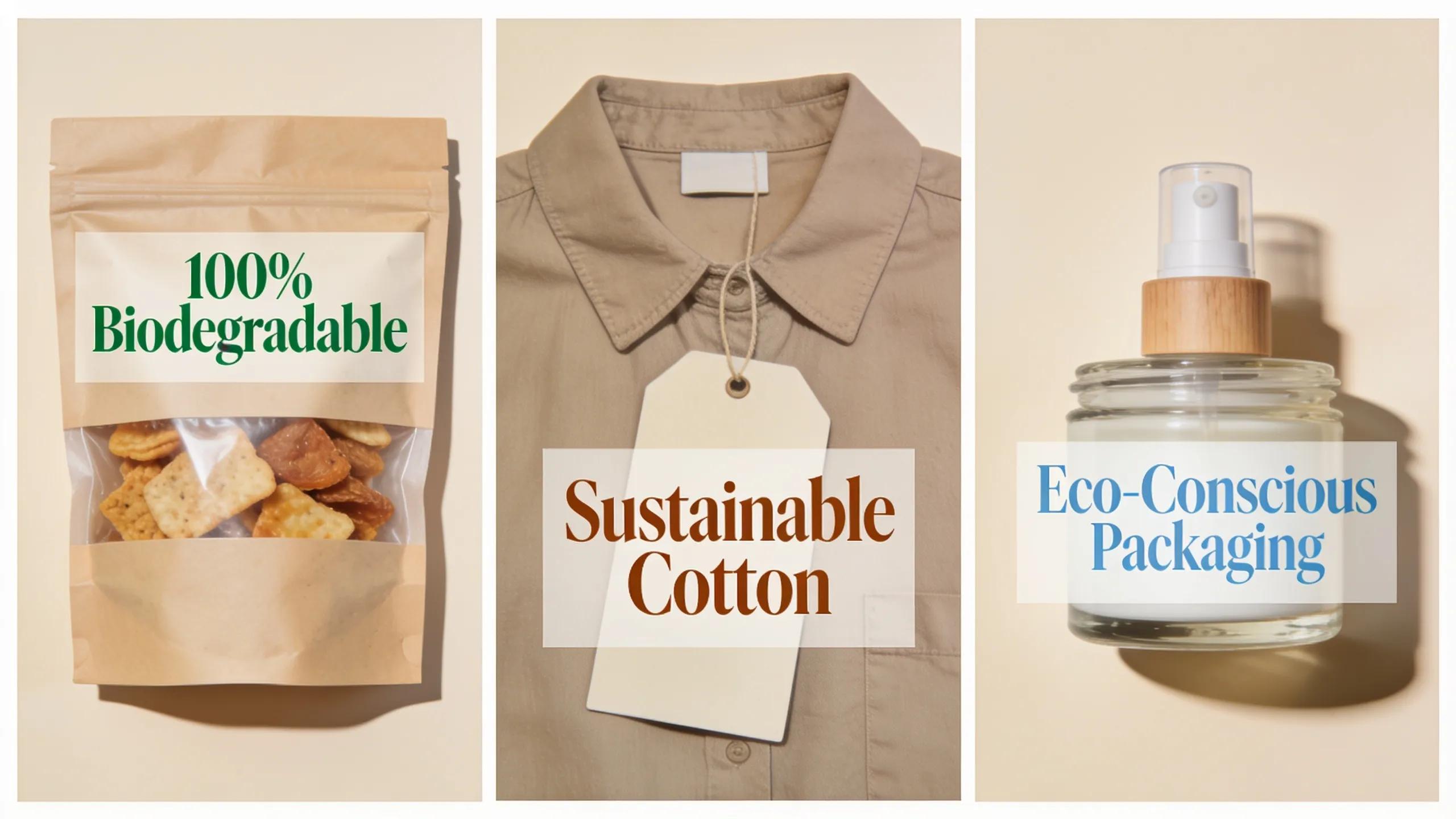
Greenwashing is prevalent across multiple sectors, each employing unique strategies to mislead consumers. Here are some notable examples:
- Food Industry: Brands may label products as “organic” or “natural” while using harmful pesticides or unsustainable farming practices.
- Fashion Industry: Fast fashion brands often promote “sustainable collections” while continuing to produce large quantities of low-quality clothing that contribute to waste.
- Cosmetics Industry: Many beauty products tout “green” ingredients but contain harmful chemicals that contradict their eco-friendly claims.
These examples illustrate the need for consumers to remain vigilant and informed about the products they choose to support.
Strategies for Informed Consumer Choices
To combat greenwashing, consumers can adopt several strategies that promote informed decision-making. Here are some actionable tips:
- Research Brands: Investigate the companies behind products to understand their sustainability practices and commitments.
- Scrutinize Product Labels: Look for specific certifications and detailed ingredient lists to verify claims of sustainability.
- Ask Critical Questions: Engage with brands directly to inquire about their environmental practices and transparency.
By implementing these strategies, consumers can make choices that align with their values and support genuine sustainability efforts.
The Misplaced Belief in Eco-Friendly Product Claims
But without a thorough analysis of a particular product, the consumer’s belief that he/she is helping to contribute to a solution, may be misplaced. ” Eco-Friendly”
Marketing: Beyond the Label, E Gingerich, 2015
What Is Greenwashing and Why Does It Matter?
Greenwashing refers to the practice of misleading consumers regarding the environmental benefits of a product or service. This tactic undermines genuine efforts toward sustainability and can erode consumer trust. Understanding greenwashing is essential for consumers who wish to support authentic brands and initiatives. The significance of recognizing greenwashing lies in its impact on consumer behavior and the environment. When consumers are misled, they may inadvertently support companies that do not prioritize sustainability, hindering progress toward genuine environmental solutions.
Common Examples of Greenwashing
Several tactics are commonly used in greenwashing, which can mislead consumers. Here are some prevalent examples:
- Vague Language: Terms like “eco-friendly” or “green” without clear definitions can mislead consumers about a product’s true environmental impact.
- Highlighting Isolated Attributes: Focusing on one positive aspect of a product while ignoring its overall negative impact can create a false impression of sustainability.
- Misleading Certifications: Some products may display certifications that sound credible but lack rigorous standards or verification.
These examples highlight the importance of critical thinking when evaluating eco-friendly claims.
How Is Greenwashing Defined and Recognized?
Greenwashing is defined as the practice of promoting an organization’s products or policies as environmentally friendly when they are not. Recognizing greenwashing involves understanding the common tactics used by companies to mislead consumers. These tactics often include vague language, highlighting isolated attributes, and misleading certifications. By being aware of these signs, consumers can better navigate the marketplace and make informed choices that align with their values.
What Impact Does Greenwashing Have on Consumers and the Environment?
The impact of greenwashing extends beyond consumer deception; it also affects the environment. When consumers are misled, they may support companies that do not genuinely prioritize sustainability, which can hinder progress toward environmental goals. Additionally, greenwashing can erode trust in legitimate eco-friendly brands, making it more challenging for consumers to identify and support authentic sustainability efforts. Understanding the implications of greenwashing is crucial for fostering a more transparent and responsible marketplace.
What Are the Common Signs of Greenwashing in Eco-Friendly Products?
Identifying greenwashing in eco-friendly products involves recognizing specific signs that indicate misleading claims. Here are some common indicators:
- Vague Language: Look for ambiguous terms that lack clear definitions or evidence.
- Highlighting Isolated Attributes: Be cautious of products that emphasize one positive feature while ignoring broader environmental impacts.
- Misleading Certifications: Verify the credibility of certifications displayed on products to ensure they are backed by reputable organizations.
By being vigilant about these signs, consumers can make more informed choices and support genuinely sustainable products.
Which Green Marketing Tactics Indicate Misleading Claims?
Several marketing tactics are indicative of greenwashing. Understanding these tactics can help consumers identify misleading claims. Here are some common tactics:
- Ad Bluster: Exaggerated claims in advertisements that lack substantial evidence can signal greenwashing.
- False Claims: Brands may make unverified claims about their environmental impact, such as being “carbon neutral” without transparency.
- Faux Environmental Initiatives: Initiatives that appear environmentally friendly but lack real impact can mislead consumers.
Recognizing these tactics is essential for consumers who want to make informed choices.
What Are Typical Examples of Greenwashing Across Industries?
Greenwashing manifests differently across various industries, each employing unique strategies to mislead consumers. Here are some typical examples:
- Food Industry: Brands may label products as “organic” while using harmful pesticides or unsustainable practices.
- Fashion Industry: Fast fashion brands often promote “sustainable collections” while continuing to produce large quantities of low-quality clothing.
- Cosmetics Industry: Many beauty products tout “green” ingredients but contain harmful chemicals that contradict their eco-friendly claims.
These examples illustrate the need for consumers to remain vigilant and informed about the products they choose to support.
How Can Consumers Verify Eco-Friendly Product Certifications and Claims?
To ensure that eco-friendly claims are legitimate, consumers can take several steps to verify certifications and claims. Here are some strategies:
- Research Brands: Investigate the companies behind products to understand their sustainability practices and commitments.
- Check Product Labels: Look for specific certifications and detailed ingredient lists to verify claims of sustainability.
- Use Consumer Guides: Refer to reputable consumer guides that evaluate brands based on their environmental practices.
By implementing these strategies, consumers can make choices that align with their values and support genuine sustainability efforts.
Which Eco-Labels and Environmental Certifications Are Reliable?
Not all eco-labels and certifications are created equal. Here are some reliable certifications to look for:
- FSC Certification: Indicates that products come from responsibly managed forests.
- USDA Organic: Certifies that products meet strict organic farming standards.
- Energy Star: Identifies energy-efficient products that meet specific performance criteria.
These certifications can help consumers identify products that genuinely prioritize sustainability.
How to Spot Fake Eco Labels and Validate Sustainability Claims?
Spotting fake eco-labels requires vigilance and research. Here are some strategies to help consumers validate sustainability claims:
- Research Brands: Investigate the companies behind products to understand their sustainability practices and commitments.
- Check Certifications: Verify the credibility of certifications displayed on products to ensure they are backed by reputable organizations.
- Engage with Companies: Reach out to brands directly to inquire about their environmental practices and transparency.
By implementing these strategies, consumers can make informed choices that align with their values and support genuine sustainability efforts.
What Tools and Strategies Help Detect and Avoid Greenwashing?
Several tools and strategies can assist consumers in detecting and avoiding greenwashing. Here are some effective approaches:
- Research Brands: Investigate the companies behind products to understand their sustainability practices and commitments.
- Scrutinize Product Labels: Look for specific certifications and detailed ingredient lists to verify claims of sustainability.
- Ask Critical Questions: Engage with brands directly to inquire about their environmental practices and transparency.
By utilizing these tools and strategies, consumers can make informed choices that align with their values and support genuine sustainability efforts.
How to Use Checklists and Interactive Guides for Greenwashing Detection?
Checklists and interactive guides can be valuable resources for detecting greenwashing. Here’s how to effectively use them:
- Clarifying Terminology: Familiarize yourself with common terms and definitions related to sustainability and greenwashing.
- Identifying Tactics: Use checklists to identify common tactics employed by companies to mislead consumers.
- Researching Brands: Leverage interactive guides to evaluate brands based on their environmental practices and commitments.
These resources can empower consumers to make informed choices and support genuine sustainability efforts.
What Role Do Consumer Awareness and Ethical Shopping Play?
Consumer awareness and ethical shopping play a crucial role in combating greenwashing. Here are some key points to consider:
- Demand for Accountability: Informed consumers can hold companies accountable for their environmental claims and practices.
- Erosion of Trust: Greenwashing can erode trust in legitimate eco-friendly brands, making it more challenging for consumers to identify and support authentic sustainability efforts.
- Informed Decision-Making: By understanding greenwashing, consumers can make choices that align with their values and support genuine sustainability.
Fostering consumer awareness is essential for creating a more transparent and responsible marketplace.
How Does Greenwashing Affect Climate Change and Genuine Sustainability Efforts?
Greenwashing has significant implications for climate change and genuine sustainability efforts. Here are some key points to consider:
- Impact on Consumer Trust: When consumers are misled, they may support companies that do not genuinely prioritize sustainability, hindering progress toward environmental goals.
- Hindrance to Climate Action: Greenwashing can divert attention from real environmental issues and solutions, making it more challenging to address climate change effectively.
- Diverting Attention from Real Issues: By focusing on misleading claims, greenwashing can obscure the need for genuine sustainability efforts and accountability.
Understanding the implications of greenwashing is crucial for fostering a more transparent and responsible marketplace.
What Is the Link Between Greenwashing and Climate Action Challenges?
The link between greenwashing and climate action challenges is significant. Here are some key points to consider:
- Consumer Skepticism: Greenwashing can lead to consumer skepticism, making it more challenging for genuine brands to gain trust and support.
- Impact on Genuine Brands: Misleading claims can undermine the efforts of authentic brands that prioritize sustainability, hindering their ability to compete in the marketplace.
- Need for Accountability: Addressing greenwashing requires increased accountability and transparency from companies regarding their environmental practices.
Recognizing this link is essential for fostering a more transparent and responsible marketplace.
How Can Supporting Authentic Sustainability Make a Difference?
Supporting authentic sustainability can have a profound impact on the environment and society. Here are some key points to consider:
- Fostering Consumer Trust: By supporting genuine brands, consumers can help build trust and accountability in the marketplace.
- Encouraging Responsible Practices: Supporting authentic sustainability encourages companies to adopt responsible practices and prioritize environmental stewardship.
- Positive Environmental Outcomes: Genuine sustainability efforts can lead to positive environmental outcomes, contributing to a healthier planet for future generations.
Understanding the importance of supporting authentic sustainability is crucial for fostering a more responsible marketplace.
What Are Recent Trends and Regulatory Updates on Greenwashing?
Recent trends and regulatory updates indicate a growing awareness of greenwashing and its implications. Here are some key points to consider:
- Stricter Advertising Regulations: Regulatory bodies are increasingly scrutinizing advertising claims related to sustainability, leading to stricter guidelines for companies.
- Enhanced Disclosure Requirements: Companies may be required to provide more detailed information about their environmental practices and claims.
- Consumer Protection Laws: New laws may be enacted to protect consumers from misleading claims and promote transparency in the marketplace.
Staying informed about these trends and updates is essential for consumers who want to make informed choices.
What Do 2024-2026 Studies Reveal About Greenwashing Prevalence?
Studies conducted between 2024 and 2026 reveal significant insights into the prevalence of greenwashing. Here are some key findings:
- Increasing Consumer Skepticism: Research indicates that consumers are becoming more skeptical of eco-friendly claims, leading to a demand for greater transparency.
- Regulatory Efforts: Regulatory bodies are taking action to address greenwashing, leading to increased scrutiny of advertising claims.
- Impact on Market Integrity: Greenwashing can undermine market integrity, making it more challenging for genuine brands to compete.
Understanding these findings is crucial for consumers who want to navigate the marketplace effectively.
How Are Global Regulations Addressing Green Marketing Ethics?
Global regulations are increasingly addressing green marketing ethics to combat greenwashing. Here are some key points to consider:
- Stricter Advertising Regulations: Regulatory bodies are implementing stricter guidelines for advertising claims related to sustainability.
- Enhanced Disclosure Requirements: Companies may be required to provide more detailed information about their environmental practices and claims.
- Consumer Protection Laws: New laws may be enacted to protect consumers from misleading claims and promote transparency in the marketplace.
Staying informed about these regulations is essential for consumers who want to make informed choices.
What Are Practical Tips for Ethical Consumerism to Avoid Greenwashing?
To avoid greenwashing, consumers can adopt practical tips for ethical consumerism. Here are some actionable strategies:
- Research Brands: Investigate the companies behind products to understand their sustainability practices and commitments.
- Look for Certifications: Seek out reputable certifications that indicate genuine sustainability efforts.
- Avoid Vague Claims: Be cautious of products that use ambiguous language without clear definitions or evidence.
By implementing these tips, consumers can make informed choices that align with their values and support genuine sustainability efforts.
How to Make Informed Purchasing Decisions Supporting Sustainability?
Making informed purchasing decisions is essential for supporting sustainability. Here are some key strategies:
- Research Brands: Investigate the companies behind products to understand their sustainability practices and commitments.
- Scrutinize Product Labels: Look for specific certifications and detailed ingredient lists to verify claims of sustainability.
- Engage with Companies: Reach out to brands directly to inquire about their environmental practices and transparency.
By adopting these strategies, consumers can make choices that align with their values and support genuine sustainability efforts.
What Resources Help Consumers Stay Updated on Eco-Friendly Claims?
Several resources can help consumers stay updated on eco-friendly claims. Here are some valuable tools:
- Ecolabel Index: A comprehensive database of eco-labels and certifications to help consumers identify reputable claims.
- GoodGuide: A platform that evaluates products based on their environmental and health impacts.
- Consumer Guides: Various consumer guides provide insights into brands and their sustainability practices.
Utilizing these resources can empower consumers to make informed choices and support genuine sustainability efforts.
What Are Frequently Asked Questions About Spotting Greenwashing?
Spotting greenwashing raises several common questions among consumers. Here are some frequently asked questions:
- What are common indicators of greenwashing?: Look for vague language, isolated attributes, and misleading certifications.
- How can I verify eco-friendly claims?: Research brands, check product labels, and use consumer guides to validate claims.
- What are examples of misleading claims?: Be cautious of exaggerated claims and unverified assertions about environmental impact.
Understanding these questions can help consumers navigate the complexities of eco-friendly claims.
What Are Quick Answers to Common Greenwashing Concerns?
Here are quick answers to common concerns about greenwashing:
- What are common indicators?: Vague language, isolated attributes, and misleading certifications are key signs.
- How can I verify claims?: Research brands, check product labels, and use consumer guides.
- What are examples of misleading claims?: Exaggerated claims and unverified assertions about environmental impact are common.
These quick answers can help consumers make informed choices and avoid greenwashing.
How to Use FAQs and How-To Guides for Better Consumer Awareness?
Using FAQs and how-to guides can enhance consumer awareness about greenwashing. Here’s how:
- Clarifying Terminology: Familiarize yourself with common terms and definitions related to sustainability and greenwashing.
- Identifying Tactics: Use guides to identify common tactics employed by companies to mislead consumers.
- Researching Brands: Leverage FAQs to evaluate brands based on their environmental practices and commitments.
These resources can empower consumers to make informed choices and support genuine sustainability efforts.