






Strategies for Eco-Friendly Commercial Building Design
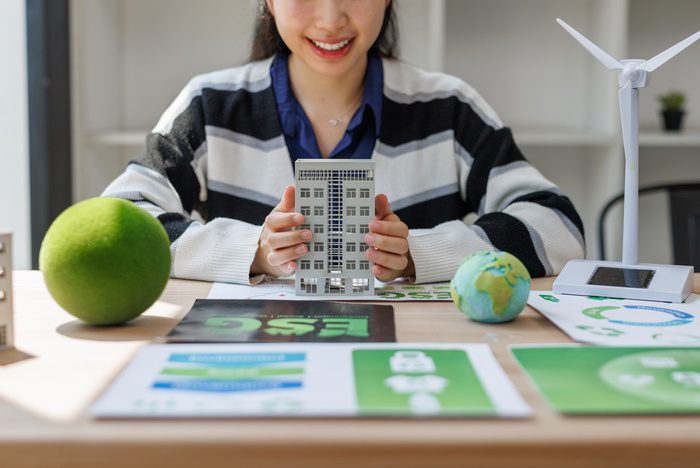
Commercial buildings shape energy use and material consumption across every stage of development and operation. Eco-friendly commercial building design helps reduce waste, lower energy costs, and create spaces that support business performance and environmental goals.
Strong results start early in the design process. Teams that set measurable sustainability targets before design development can make better decisions about the site, structure, systems, and materials without relying on expensive changes later. Explore the design aspects that can help commercial buildings become more sustainable.
Start With Site Selection And Building Orientation
Site choice affects transportation emissions, stormwater runoff, heat gain, and daily operating efficiency. A well-chosen site can reduce land disturbance and improve the building’s performance before any equipment enters the project.
Building orientation also matters. Designers can place occupied spaces to utilize daylight to reduce cooling loads and maintain more stable indoor temperatures throughout the day. This reduces a commercial building’s reliance on HVAC energy.
Design A High-Performance Building Envelope
The building envelope controls heat flow, air leakage, and moisture movement. Building layers such as windows and insulation need to work together as one system instead of a series of separate upgrades.
High-performance envelopes reduce heating and cooling demand at the source. Better insulation and exterior shading can cut energy waste while improving comfort for employees and other occupants.
Prioritize Efficient HVAC Systems
Heating, ventilation, and air conditioning often account for a large share of commercial energy use. Efficient system selection can lower operating costs and improve indoor environmental quality at the same time.
Properly-sized equipment performs better than oversized systems. Designers should match HVAC capacity to the actual loads created by the building occupancy and local climate conditions. Control strategies also influence performance. Zoning and demand-controlled ventilation help the system respond to real building use rather than fixed assumptions.
Use Smart Lighting And Daylight Integration
Lighting design should balance visibility, comfort, and efficiency. Daylight-responsive layouts can reduce artificial lighting demand in offices, retail spaces, schools, and other commercial settings.
Electric lighting systems should use high-efficiency fixtures and controls that adjust output based on occupancy and daylight levels. Understanding the benefits of adaptive lighting controls can help teams implement automatic lighting to support energy savings and occupant comfort. Lighting quality matters too. Uniform light distribution, glare control, and task-based lighting can improve the user experience without increasing energy use.
Reduce Water Demand Through Integrated Design
Water efficiency should extend beyond low-flow fixtures. Projects can reduce total demand through landscape planning, cooling system choices, leak detection, and reuse strategies.
Native or climate-appropriate planting lowers irrigation needs and improves long-term resilience. Indoor water savings become more meaningful when the site design also limits outdoor consumption and supports better stormwater management.
Greywater reuse and rainwater capture can support non-potable uses where local codes allow. These systems require planning early in design so storage, treatment, and distribution work smoothly with the rest of the building.
Choose Materials With Lower Environmental Impact
Material selection affects embodied carbon, indoor air quality, durability, and construction waste. Eco-friendly design requires attention to what goes into the building and how long those materials last.
Low-impact building material choices often include recycled content, responsibly sourced wood, low-VOC finishes, and products with transparent environmental disclosures. Durable materials also reduce replacement frequency, which cuts waste and supports lower lifecycle costs.
Procurement decisions should look beyond first cost. A cheaper product that fails early or harms indoor air quality can create larger environmental and financial costs over time. Choose transparent and durable solutions that will last longer and reduce waste.
Plan For Construction Waste Reduction
Sustainable design should address the construction phase, not just the finished building. Waste prevention starts with accurate estimating and material dimensions that reduce offcuts and unnecessary packaging. Consider modular solutions that can grow with the building over time.
Project teams can also improve waste diversion during construction. Clear recycling and reuse plans help keep wood, metal, concrete, cardboard, and other materials out of landfills when local infrastructure supports recovery.
A practical waste strategy usually includes:
- early coordination between designers, contractors, and suppliers
- material takeoff reviews to reduce overordering
- designated areas for recycling and salvage on-site
- documentation procedures to track diversion results
These steps work best when teams define expectations before construction begins. Waste reduction rarely succeeds as a last-minute effort.
Support Healthier Indoor Environments
Eco-friendly commercial design should improve indoor conditions, not just reduce utility use. Air quality and thermal comfort are other interior aspects that affect how people experience the space.
Ventilation strategies and moisture control help reduce common indoor pollutants. Good filtration and careful source control also support healthier air in busy commercial settings.
Comfort should remain consistent across the floor plan. Poor temperature control or excessive glare can undermine the value of otherwise efficient design choices.
Integrate Renewable Energy Where It Fits
Renewable energy can strengthen a commercial sustainability strategy, but it should not replace core efficiency measures. Buildings that reduce energy demand first can meet a larger share of their needs through on-site or off-site renewable sources.
Solar photovoltaic systems often provide the most visible option. Battery storage can add resilience and help manage peak demand in some cases. Even when on-site generation does not meet all needs, partial renewable integration can still improve environmental performance.
Design For Flexibility And Long-Term Use
Buildings that adapt well over time avoid unnecessary renovation waste and premature obsolescence. Flexible layouts, accessible service zones, and durable core systems support changing tenant needs and new uses.
This approach matters because sustainability extends across the full life of the asset. A building that remains useful for decades often performs better environmentally than one that requires repeated major upgrades or early replacement.
Future-ready design also supports technology changes. Electrical capacity, control infrastructure, and mechanical space should allow later improvements without major disruption.
Measure Performance After Occupancy
Design intent alone does not guarantee results. Buildings need testing, commissioning, and post-occupancy review to confirm that systems operate as planned.
Commissioning helps identify control issues, installation errors, and missed coordination points before they become long-term problems. Ongoing monitoring can then track energy use, water use, indoor conditions, and maintenance needs over time.
Data helps owners move from assumptions to action. Metering and building management systems make it easier to spot inefficiencies and improve performance year after year.
Connect Sustainability Goals To Business Value
Eco-friendly design delivers environmental gains, but business outcomes also matter for decision-makers. Lower utility costs, healthier indoor spaces, and reduced operational risk can all improve the case for sustainable investment.
The most effective projects frame sustainability as part of core building quality. When design teams treat efficiency, durability, comfort, and resilience as connected goals, better outcomes become easier to achieve.
Eco-friendly commercial building design works best when strategy drives every decision from site planning to operations. Buildings that use less energy and resources and create healthier spaces can serve both environmental priorities and long-term business performance.