






Sustainable Fashion: How to Build an Eco Wardrobe
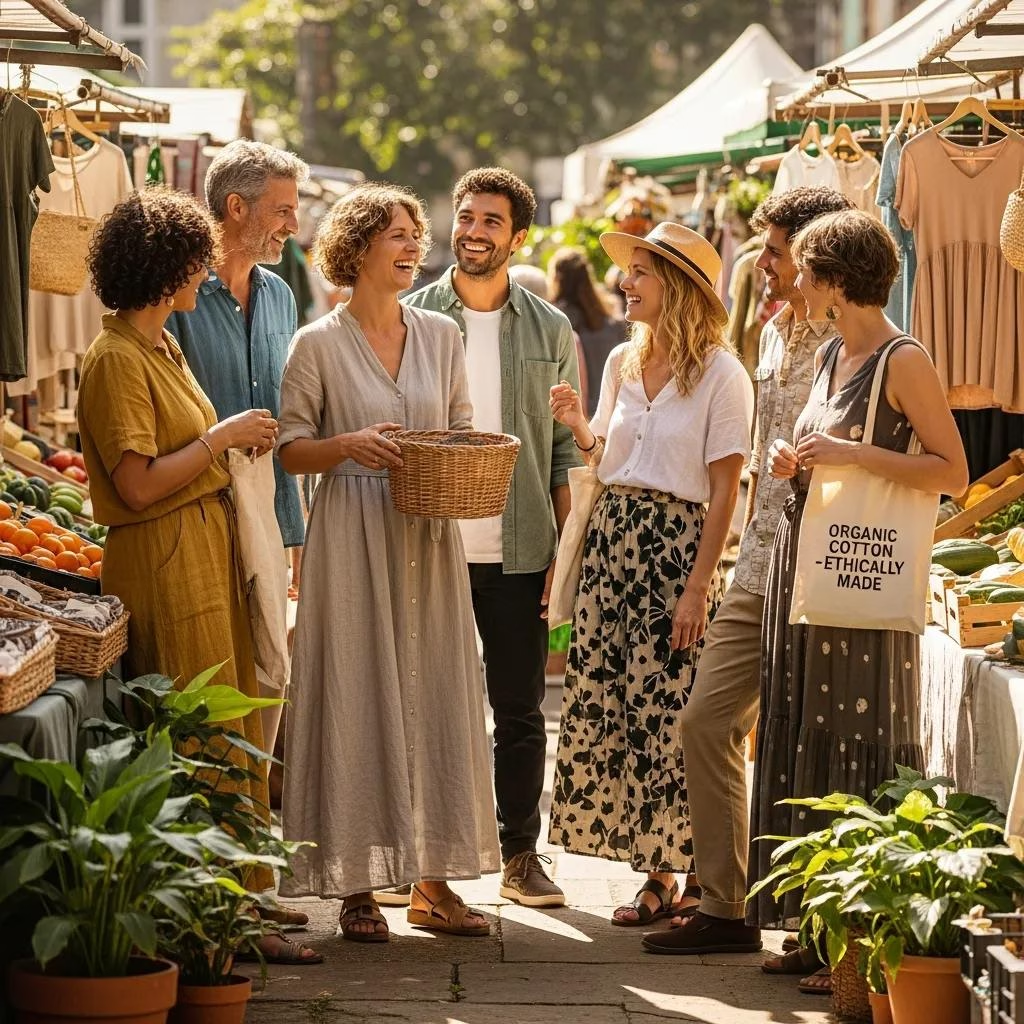
Sustainable Fashion: Build an Eco-Friendly Wardrobe with Ethical Brands and Organic Fabrics
Sustainable fashion isn’t just a trend — it’s a change in how we buy, make, and care for clothing. This guide walks through core principles, the advantages of an eco wardrobe, and practical steps you can take. You’ll learn how slow-fashion thinking, ethical brands, and organic fabrics reduce waste and support fair labor. Many shoppers don’t see how fast fashion creates excess waste and harmful labor conditions; this article helps you make informed choices that reflect your style and values.
That urgency becomes more apparent when we consider the widespread problem of exploitative labor embedded in complex fashion supply chains.
Ethical Fashion: Addressing Exploitative Labor in Supply Chains
This chapter examines exploitative labor practices in Los Angeles’ garment sector and suggests paths toward fairer, more transparent supply chains. Garment production in LA and elsewhere often relies on labor-intensive processes that can result in low pay, unsafe conditions, and entrenched inequality. Complex global supply chains, imbalanced power dynamics, and demand for cheap clothing all contribute to these problems.
Exploitative Labor in Los Angeles’ Fashion Industry: A Path Towards Ethical Supply Chains, 2024
Key Takeaways
- Sustainable fashion centers on fair labor, efficient resource use, transparency, and choosing quality over quantity to lower environmental harm.
- Building an eco wardrobe means choosing organic fabrics, supporting ethical brands, and adopting slow-fashion habits.
- Fabrics like organic cotton, hemp, Tencel, recycled polyester, and responsibly sourced bamboo are strong sustainable choices.
- Slow fashion favors durable, well-made garments that cut waste and encourage thoughtful consumption.
- Certifications such as GOTS, Fair Trade, and OEKO-TEX® help verify environmental and social standards.
- You can shrink your fashion carbon footprint by tracking purchases, choosing sustainable brands, and recycling or donating clothes.
- A capsule wardrobe of versatile, sustainable pieces reduces clutter and supports lasting style.
- Brands like Patagonia, Stella McCartney, and Eileen Fisher are often cited for leadership in sustainability and fair-trade practices.
- Proper garment care and joining clothing swaps or repair programs extend garment life and lower environmental impact.
Key Principles of Sustainable Fashion
Sustainable fashion rests on a few clear principles designed to lessen clothing’s environmental and social costs. These include fair labor practices that protect workers, resource efficiency to cut waste, supply-chain transparency so consumers can make informed choices, and a focus on quality rather than volume. Together, these principles encourage buying fewer, longer-lasting pieces and supporting brands that treat people and the planet responsibly.
Benefits of an Eco Wardrobe
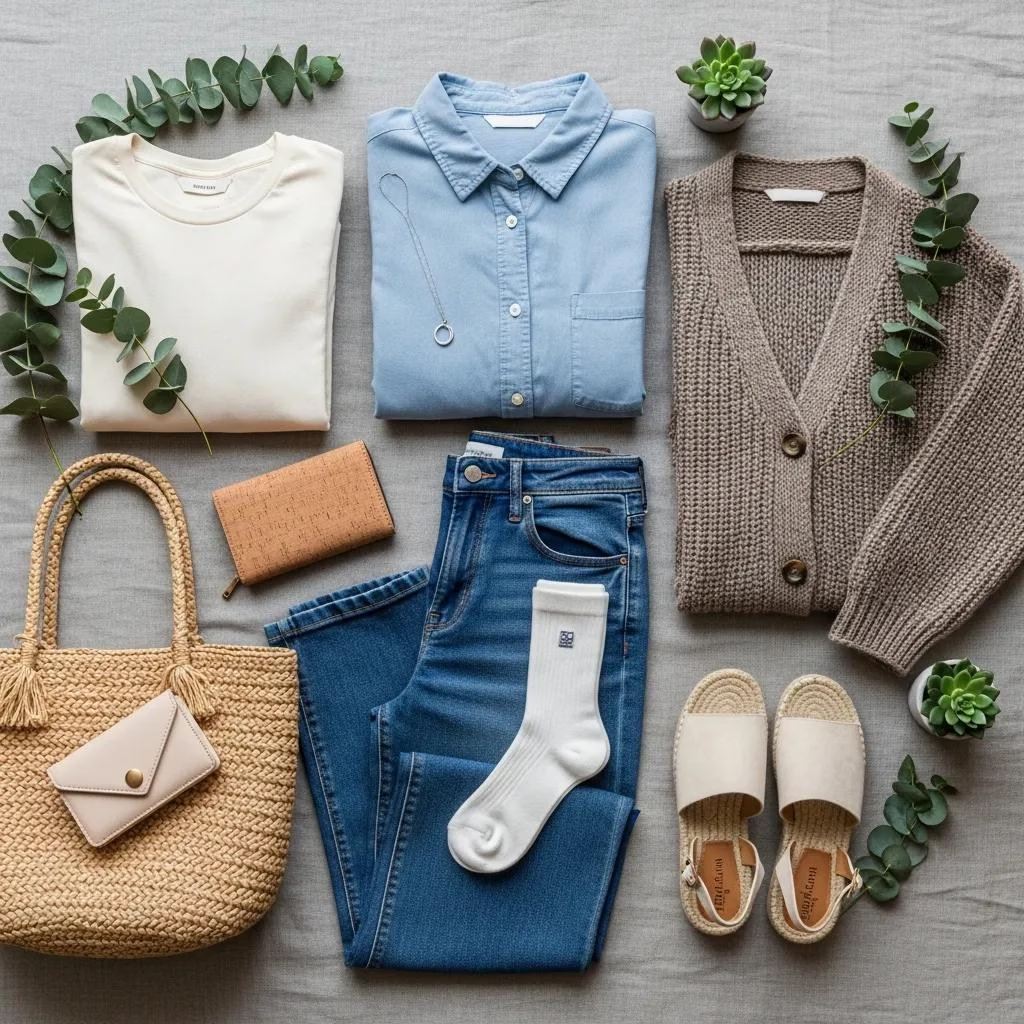
Choosing an eco wardrobe brings benefits that go beyond fashion. You reduce your environmental footprint, support fair labor, and often end up with a clearer, more personal style. Buying sustainable materials and ethical brands cuts carbon and waste, helps communities by supporting better working conditions, and makes it easier to build a wardrobe of thoughtful, versatile pieces that reflect your values.
Practical Tips for Implementation
Creating an eco wardrobe takes intention. Start with these practical steps:
- Research Brands: Seek brands that publish their sourcing, labor practices, and certifications.
- Choose Sustainable Materials: Favor fabrics like organic cotton, Tencel, and recycled fibers that use fewer resources.
- Invest in Versatile Basics: Pick timeless items you can mix and match to reduce impulse buying.
- Support Independent Designers: Consider smaller or local makers who prioritize ethical production.
- Engage in Recycling: Swap, donate, or recycle pieces you no longer wear to keep them out of landfills.
- Care for Your Clothing: Learn gentle washing, mending, and storage techniques to extend garment life.
What Is Sustainable Fashion and Why Does It Matter?
Sustainable fashion describes clothing that’s designed, made, and used with attention to environmental and social responsibility. It matters because the fashion industry is a major source of pollution and waste. By choosing sustainable options, consumers can lower that impact, support better labor conditions, and shift demand toward products that last longer and use resources more thoughtfully.
How Does Slow Fashion Promote Long-Lasting Clothing?
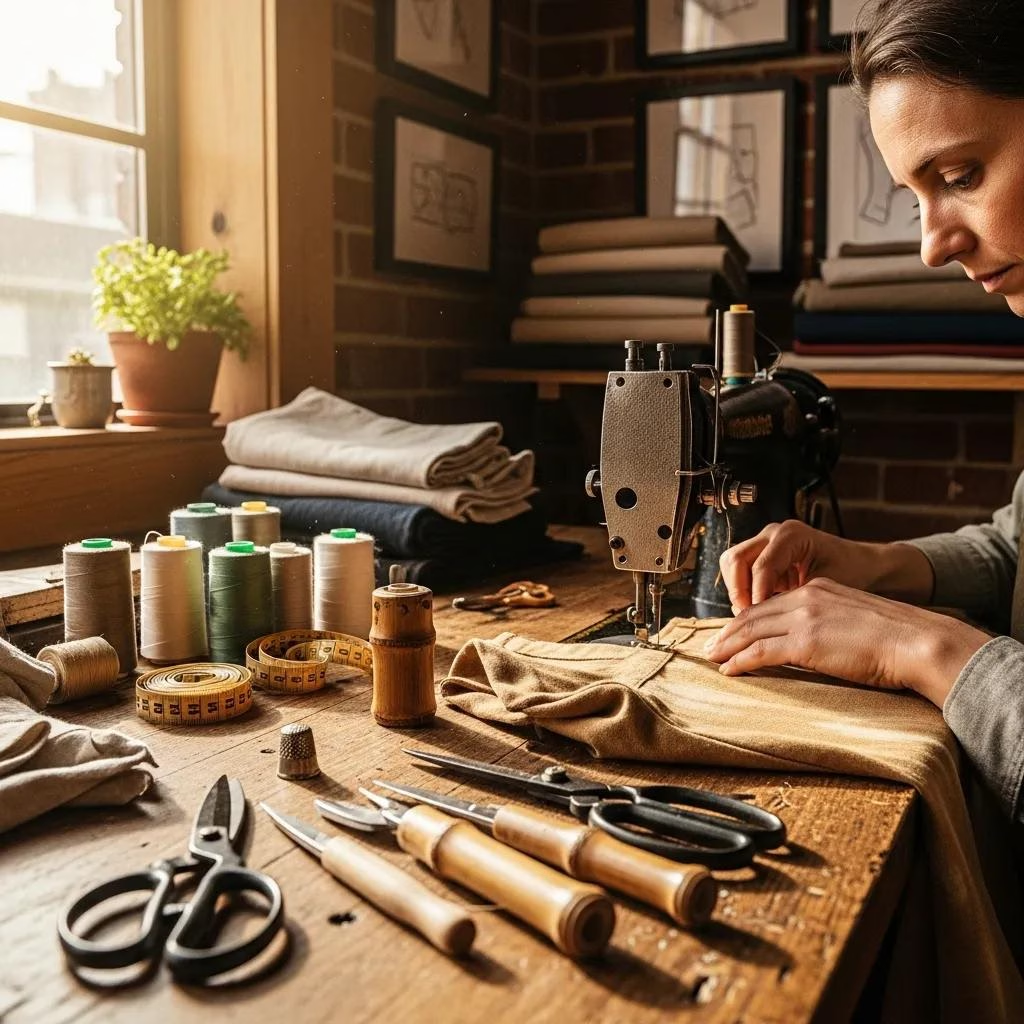
Slow fashion values quality, craftsmanship, and thoughtful production over rapid turnover. It encourages the use of durable materials and careful manufacturing so garments last longer. By prioritizing well-made pieces, slow fashion reduces consumption and waste while fostering a stronger connection between the wearer and their clothing.
What Environmental Impacts Does Fashion Have?
The fashion industry affects the environment through heavy water and energy use, chemical pollution, and large amounts of waste. Fast-fashion cycles increase textile disposal and resource extraction. Understanding these impacts helps consumers choose clothing that uses less water and energy, relies on safer chemicals, and stays out of landfills longer.
In response to these challenges, the textile sector is increasingly adopting standards and practices that reduce resource use and limit harmful substances.
Standards for Eco-Friendly Textile Production
Sustainable textile practices include cutting water and energy use, reducing hazardous chemicals and pesticides, and embracing the three Rs — Reduce, Reuse, Recycle. Growing consumer demand for greener products has pushed manufacturers and certifiers to focus on safety for workers, consumers, and the environment, and to formalize standards that encourage cleaner production.
Sustainable practices in textile industry: standards and certificates, K Amutha, 2016
How to Start Slow Fashion: Essential Tips for Building an Eco Wardrobe
Starting with slow fashion means changing habits and shopping with intention. Try these essentials:
- Research Brands: Choose brands whose values match yours and who show how they make their clothes.
- Prioritize Quality Over Quantity: Buy fewer, better-made items that hold up over time.
- Incorporate Organic Fabrics: Select clothing made from materials grown or produced without harmful chemicals.
- Support Independent Designers: Local and small-scale designers often use more transparent, ethical methods.
- Engage in Recycling: Swap, donate, or repurpose garments instead of throwing them away.
- Create a Capsule Wardrobe: Build a compact, mix-and-match collection for everyday wear.
- Care for Your Clothing: Regular maintenance and simple repairs keep garments wearable longer.
What Are the Key Slow Fashion Practices to Adopt?
To embrace slow fashion, adopt habits that reduce waste and value longevity. Focus on research, quality, reuse, and supporting makers who prioritize people and the planet.
- Researching Brands: Learn who makes your clothes and how.
- Prioritizing Quality: Favor construction and materials that last.
- Engaging in Recycling: Give garments new life through swaps and donations.
- Second-Hand Shopping: Thrift and resale are low-impact ways to refresh your wardrobe.
- Caring for Clothing: Proper care extends garment life and performance.
- Supporting Independent Designers: Invest in makers with transparent, ethical practices.
- Participating in Clothing Swaps: Swap with friends or community groups to circulate clothes sustainably.
How Can Consumers Shift to Ethical Clothing Brands?
Switching to ethical brands is a step-by-step process: research, buy less but better, reuse and recycle, and plug into communities that share tips and resources. Over time these habits make sustainable shopping feel natural.
- Research Brands: Check policies, supplier lists, and certifications before buying.
- Prioritize Quality: Choose items built to last rather than disposable trends.
- Engage in Recycling: Pass along clothes you no longer need to reduce waste.
- Support Independent Designers: Small brands often provide clearer labor and sourcing practices.
- Explore Second-Hand Options: Thrift stores and resale platforms are budget-friendly and eco-friendly.
- Care for Clothing: Simple fixes and gentle laundering extend garment life.
- Join a Community: Share resources and learn from others committed to sustainable fashion.
Which Organic Fabric Types Are Best for Sustainable Wardrobes?
When choosing materials, prioritize those with lower environmental footprints and responsible production: organic cotton, hemp, Tencel, recycled polyester, and responsibly produced bamboo are commonly recommended options.
- Organic Cotton: Grown without synthetic pesticides or fertilizers, reducing environmental harm.
- Hemp: Durable and fast-growing, hemp needs minimal water and few inputs.
- Tencel: Made from sustainably sourced wood pulp in a closed-loop process and biodegradable.
- Recycled Polyester: Repurposes plastic waste, lowering demand for virgin petroleum-based fibers.
- Bamboo: Fast-growing and low-input when processed responsibly, though processing methods vary.
What Are the Benefits of Organic Cotton and Recycled Textiles?
Organic and recycled fibers bring clear environmental advantages: they conserve resources, support soil health, and divert waste from landfills.
- Environmental Impact of Organic Cotton: Organic practices use fewer chemicals and can reduce water and soil damage.
- Soil Health: Organic farming methods boost soil fertility and biodiversity over time.
- Waste Reduction from Recycled Textiles: Recycling textiles and plastics lowers landfill input and reduces demand for new raw materials.
How to Identify Eco-Friendly Fashion Materials?
Spotting eco-friendly materials means checking origins, production methods, and durability. Look for verified sourcing, cleaner manufacturing, recognized certifications, and fabrics designed to last.
- Material Source: Prefer fibers that are responsibly grown or recycled.
- Production Practices: Research how materials are processed and finished to avoid harmful chemicals.
- Certifications: Labels like GOTS or OEKO-TEX® signal adherence to environmental and safety standards.
- Durability and Longevity: Choose materials and constructions built for long-term use.
How to Build a Capsule Wardrobe with Sustainable Wardrobe Essentials
A capsule wardrobe focuses on versatile, high-quality pieces that work together. Aim for durable basics and a few statement items that cover your daily needs.
- Versatile Organic Cotton Basics: Tee shirts and tops in organic cotton that layer well and are easy to care for.
- Timeless Denim Pieces: A well-fitting pair of jeans that stays stylish across seasons.
- Lightweight Layering Pieces: Cardigans or light jackets that adapt to changing weather.
- Functional Outerwear: A durable coat that balances warmth, weather resistance, and style.
- Ethical Activewear: Workout pieces made from sustainable fibers or recycled materials.
- Sustainable Footwear: Shoes built to last from low-impact materials.
- Eco-Friendly Accessories: Bags and jewelry made from recycled or responsibly sourced materials.
What Items Should a Sustainable Capsule Wardrobe Include?
Your capsule wardrobe should include flexible, well-made pieces that cover daily life and special occasions while minimizing excess.
- Versatile Organic Cotton Basics: Core tops you can dress up or down.
- Timeless Denim Pieces: Reliable jeans that fit and last.
- Versatile Layering Pieces: Cardigans and light layers for varied looks.
- Functional Outerwear: A quality coat that performs season to season.
- Ethical Activewear: Comfortable, responsibly made workout gear.
- Sustainable Footwear: Durable shoes made with lower-impact materials.
- Sustainable Accessories: Thoughtful additions that complete outfits without excess.
How Does a Capsule Wardrobe Reduce Clothing Waste?
A capsule wardrobe reduces waste by encouraging thoughtful purchases and prioritizing durable items. Key benefits include fewer impulse buys, longer-lasting garments, and more reuse through upcycling or swapping.
- Promotes Mindful Consumption: A smaller, considered closet discourages impulse purchases.
- Encourages Quality Over Quantity: Investing in durable pieces cuts the need for frequent replacements.
- Engages in Recycling and Upcycling: Pre-loved or repurposed items keep textiles in use longer.
Which Ethical Clothing Brands Lead in Sustainability and Fair Trade?
Several brands are frequently recognized for strong commitments to sustainability and fair labor. Examples include Patagonia for activism and materials, Stella McCartney for luxury sustainability, and Eileen Fisher for circularity and fair practices.
- Patagonia: Known for environmental advocacy and durable, responsibly sourced materials.
- Stella McCartney: A high-end brand focusing on innovative, ethical materials and supply chains.
- Eileen Fisher: Prioritizes long-lasting design, fair labor, and take-back programs.
What Certifications Ensure Ethical and Sustainable Production?
Certifications help buyers verify claims about materials and labor. Look for standards that cover both environmental impact and worker welfare.
- Global Organic Textile Standard (GOTS): Verifies organic fiber content and environmental and social criteria.
- Fair Trade: Ensures fair wages and safer working conditions for producers.
- OEKO-TEX®: Tests textiles for harmful substances and safer chemical use.
Given their role in validating practices, certifications are useful tools for judging a product’s environmental and social performance.
Sustainable Fashion Certification: Eco-Friendly Materials & Supply Chains
Sustainable fashion depends on textile materials and processes that limit environmental harm. Achieving this requires attention across the value chain — from design and manufacturing to distribution and use — with an eye toward resource efficiency, pollution prevention, and circularity. Certification and standardization codify criteria for using resources wisely, reducing waste, and adopting eco-friendly inputs, which together lower carbon footprints and conserve natural resources. As a result, certifications are valuable for evaluating a product’s sustainability and commercial viability.
Certification and Standardization in Sustainable Fashion Materials Production, VK Gupta, 2026
How Are Brands Reducing Their Carbon Footprint?
- Choosing sustainable sourcing methods to cut resource use.
- Switching to renewable energy in factories and offices.
- Reducing waste through recycling, upcycling, and circular programs.
- Providing repair and refurbishment services to lengthen garment life.
How Can Consumers Measure and Reduce the Environmental Impact of Their Fashion Choices?
Consumers can measure and lower their impact by tracking buying habits, using footprint calculators, and choosing sustainable brands and behaviors that reduce waste and emissions.
- Track Purchases: Keep a simple log of what you buy to spot patterns and limit excess.
- Calculate Carbon Footprint: Use reputable online tools to estimate the climate impact of garments.
- Make Informed Choices: Prioritize brands and materials with clearer sustainability records.
- Engage in Sustainable Practices: Swap, repair, and recycle to extend clothing lifecycles.
How to Track and Improve Your Sustainable Fashion Practices?
Set goals, measure progress, and lean on community resources to improve your wardrobe’s sustainability over time.
- Set Clear Goals: Define what sustainability means for your closet and set realistic targets.
- Regular Assessments: Periodically review purchases and repair records to track improvement.
- Stay Informed: Follow trusted sources on sustainable materials and industry best practices.
- Engage with Community: Join groups or local events to share tips, swaps, and repair skills.
What Are Common Questions About Sustainable Fashion?
People often wonder about distinctions, verification, and material choices. Below are the most frequent questions and straightforward answers.
- What is the difference between sustainable and ethical fashion?
- How can I tell if a brand is truly sustainable?
- What are the best materials for sustainable clothing?
What Are the Benefits of Slow Fashion?
- Reduced Waste: Slower consumption leads to fewer discarded garments.
- Ethical Production: Encourages fair labor and responsible sourcing.
- Enhanced Personal Style: Supports a curated wardrobe that reflects your values.
How to Identify Eco-Friendly Clothing?
Look for clear indicators: responsible materials, credible certifications, and transparent brand information. These signals increase the likelihood that a garment was made with lower impact and fairer practices.
- Sustainable Materials: Fabrics that are organic, recycled, or responsibly sourced.
- Certifications: Labels that verify environmental and social standards.
- Transparency: Brands that share sourcing, factory details, and impact metrics.
Which Fabrics Are Best for Sustainable Wardrobes?
- Organic Cotton: Grown without synthetic chemicals, reducing harm to soil and water.
- Hemp: Low-input and durable, making it a resilient sustainable choice.
- Tencel: Produced from sustainably managed wood and biodegradable.
- Recycled Polyester: Reuses plastic waste and lowers demand for virgin resources.
- Bamboo: Fast-growing and low-input when processed responsibly; check processing methods.
Frequently Asked Questions
What is the difference between sustainable and ethical fashion?
Sustainable fashion emphasizes minimizing environmental harm — for example, using less water, energy, and toxic chemicals — while ethical fashion centers on fair wages, safe working conditions, and social responsibility. The two overlap and together create a fuller approach to responsible clothing consumption that supports both the planet and its people.
How can I tell if a brand is truly sustainable?
Look for transparency: published sourcing information, third-party certifications like GOTS or Fair Trade, and clear reporting on environmental impact. Independent reviews and NGO assessments can also help verify claims. Genuine sustainability is backed by measurable practices, not just marketing language.
What are the best practices for caring for sustainable clothing?
Extend garment life by washing in cold water, air drying when possible, using gentle or eco-friendly detergents, and repairing small damages instead of discarding items. Store garments properly to avoid unnecessary wear, and follow care instructions to preserve fabrics.
How can I participate in clothing swaps or upcycling initiatives?
Find local swap events, community groups, or online platforms that organize exchanges. Host a swap with friends or organize a neighborhood event. For upcycling, look for tutorials that show how to refashion or repurpose old garments into new items like bags or accessories.
What role do certifications play in sustainable fashion?
Certifications give consumers a verifiable way to assess environmental and social claims. Labels like GOTS and Fair Trade indicate adherence to specific standards for organic materials and fair labor. While not flawless, certifications are useful tools for comparing products and holding brands accountable.
How can I build a sustainable wardrobe on a budget?
Start with versatile, durable basics and shop second-hand at thrift stores or resale platforms. Participate in swaps, learn basic repairs, and prioritize quality over quantity to save money over time. Upcycling and DIY projects can also refresh pieces affordably.
What are the long-term benefits of adopting a sustainable fashion mindset?
Long-term benefits include lower environmental impact, cost savings from fewer replacements, and a more intentional personal style. Supporting ethical brands contributes to fair labor practices and healthier communities, while a mindful approach to clothing reduces clutter and increases satisfaction with what you own.
Conclusion
Creating an eco wardrobe can improve your style and reduce your environmental footprint. By choosing quality over quantity, supporting ethical brands, and selecting organic or recycled fabrics, you can make more responsible fashion choices. Embrace slow-fashion habits like repairing, swapping, and building a capsule wardrobe to reflect your values. Begin your sustainable-fashion journey today by exploring thoughtfully made options and testing small changes that add up over time.