
Sustainable Horsekeeping: What You Need to Know
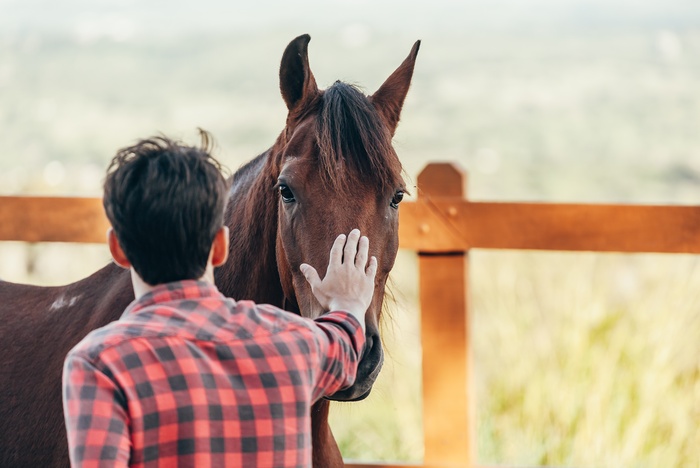
Horse care comes with a lot of daily choices, and some of them affect more than your barn alone. Have you looked at your pasture, stalls, or feed setup and wondered if there’s a cleaner way to handle it? Sustainable horsekeeping starts with small shifts in how you manage the space your horse depends on every day.
Choose More Sustainable Bedding
What do you use to line your horse’s stall? Some types of bedding are more sustainable than others. Here are some popular bedding materials and how they compare to each other.
More Sustainable
- Straw: Straw breaks down naturally after use and comes from an agricultural byproduct, which gives it a lower environmental footprint.
- Hemp: Hemp bedding comes from a renewable crop, absorbs moisture well, and composts more easily than many synthetic or heavily processed materials.
- Untreated wood shavings: Untreated wood shavings can be a solid option when they come from responsibly managed sources and contain no added chemicals.
Less Sustainable
- Heavily processed bedding: Heavily processed bedding requires more energy and resources during manufacturing, which increases its environmental impact.
- Treated materials: Treated bedding contains added substances that can make disposal and composting more difficult.
- Non-biodegradable bedding: Non-biodegradable bedding stays in the waste stream longer and adds to disposal problems over time.
Use More Efficient Barn Lighting
Another consideration when setting up your horse’s stall is the type of bulbs you use to light it up. Older incandescent and halogen bulbs use more electricity and burn out sooner than newer options. Retrofitting older fixtures to accept LED bulbs can drastically reduce the amount of energy your barn uses for lighting. This has two benefits, one being that it lowers your barn’s carbon footprint, and the other being that it lowers your monthly electric bill!
Consider Alternative Energy Sources
Swapping out the bulbs you use isn’t the only thing you can do to reduce your barn’s energy use, though. If you use traditional electricity, consider switching to cleaner energy sources like solar or wind power if possible. While it’s true that installing solar panels or small wind systems can be costly, many governments and utility programs will offer generous tax credits or rebates to encourage clean energy use. It could be much more affordable than you think. Additionally, these setups will pay for themselves in time due to lower monthly energy costs.
Collect Rainwater for Barn Use
Between rinsing buckets, cleaning equipment, and handling basic barn chores, a lot of clean water gets used on tasks that don’t always require fresh drinking water. If your setup allows for it, collecting rainwater in barrels or storage tanks can help reduce how much water you pull from the tap.
Cut Back on Disposable Items
Do you use disposable water or feed containers? What about paper feed bags, single-use grooming wipes, or other items that get thrown away after one use? Waste adds up quickly in a barn when supplies need constant replacing. Reusable options reduce the amount of trash your barn produces over time
Divide Pastures for Rotational Grazing
Forage is an important part of the adult horse’s diet. It contains fiber and nutrients to support digestion and daily health. But when horses are let loose to graze in the same pasture over and over, it can cause vegetation in that area to thin out. A more sustainable way to let horses graze is to divide your pasture into smaller sections and move them from one section to another over time. This is much like how farmers practice crop rotation; it allows the grass to recover before horses return.
Keep Grass Above the Right Height
On the topic of grazing, you should avoid letting the grasses in your pasture get grazed below a certain height, usually 3 to 4 inches. When grass stays above this minimum height, it can regrow quickly after grazing because enough leaf surface remains to support photosynthesis. If it’s grazed below this length, the plant has a harder time recovering, and pasture quality can decline over time.
Compost Or Spread Manure Thoughtfully
Don’t toss all of your horse manure into a waste pile! There, it’ll sit and decompose slowly, attracting insects and creating an unpleasant smell in the process. Instead, make use of the nutrients and organic material it contains by composting it or spreading it across your pasture to return those nutrients to the soil. You still get rid of the manure buildup, but in a way that supports your land rather than wasting useful material.
Plant A Native Buffer Around Water
If your property is home to a water source, like a pond or stream, consider planting a buffer zone around it to control manure runoff, which can carry sediment, nutrients, and other pollutants into the water. It’s generally recommended that this buffer be 30 to 100 feet in width. The reason you want to use native plants specifically is because they’re adapted to local soil and weather conditions and support water quality with less upkeep. Native plants vary depending on where exactly you live; you can find a recommended list by contacting your local extension office or conservation district, usually
Use Gentler Pest Control Methods
Pests like flies, mosquitoes, and rodents can cause all manner of problems for your horse. Flies can irritate the skin and spread disease. Mosquitoes can carry viruses. Rodents can contaminate feed and chew through materials around the barn. So naturally, you want to be rid of them. But many pest control methods are harsh on the environment. If you want to keep pests away from your horse without releasing chemicals into the surrounding area, try using gentler methods like fly sheets, traps, or physical barriers instead.
A Better Way to Care for Horses and the Land
Good horse care and responsible land use can go hand in hand. Knowing the basics of sustainable horsekeeping can help you make better everyday choices around your barn, pasture, and water sources. Which habits create less waste? Which ones support healthier grazing and cleaner ground? When you start asking those questions, you build a horse property that works better for your animals and the land they live on.