



Taming & Transforming Plastic Waste
Two new books from Albert Bates help us learn how to tame plastic waste and transform it into useable products that minimize our waste stream.

Two new books from Albert Bates help us learn how to tame plastic waste and transform it into useable products that minimize our waste stream.
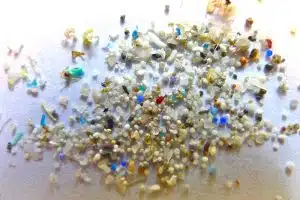
You’re likely taking in tiny particles of plastics every time you eat, drink and breathe, according to research into the risks to our health from plastic’s buildup in the environment.
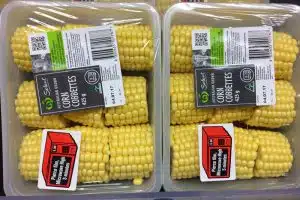
Despite lots of talk, the major U.S. grocery chains have a lot of work to do if they are going to become part of the solution to our plastic waste problem.
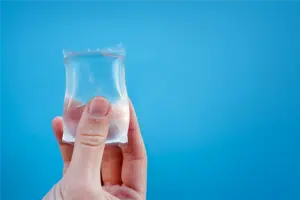
Researchers are hard at work looking for biodegradable alternatives to plastic to wrap up and store our food and drinks without insulting the environment.
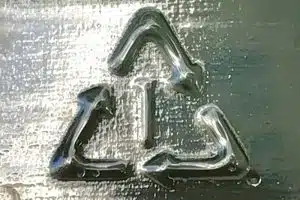
How do I know what the different numbers mean in or underneath the recycling symbol on the bottom of my containers and bottles?
In F**k Plastic, you’ll find 101 little things you as an individual can do to avoid single-use plastics and help save the world.
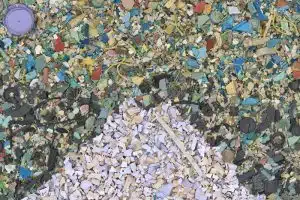
What do beer, oysters, table salt, air & tap water have in common? They’re all ways humans are ingesting microplastics, tiny bits of plastic waste.
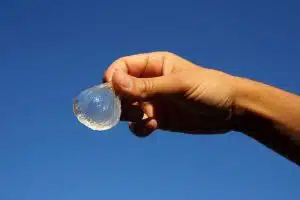
Skipping Rocks Lab, a London-based sustainability-focused start-up, hopes to wean the world off plastic bottles with its Ooho edible water pods.
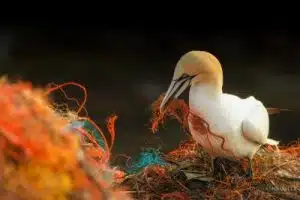
Getting rid of plastic waste across the board is unrealistic, but learning how to use less plastic overall — and recycle the rest — may be our best hope.
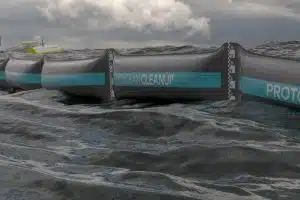
Dutch inventor Boyan Slat hopes his marine plastic collector will help solve the growing problem of too much plastic in the ocean.