



The Benefits of Using Steel Retaining Walls in Commercial Construction
Building a commercial structure is an ambitious undertaking that considers many factors, not the least of which is safety and cost-effectiveness. Steel retaining walls can provide significant benefits and long-term value over other materials in this endeavor. Intrigued? Then read on to learn more!
What are Steel Retaining Walls, and Why Are They Used in Commercial Construction?
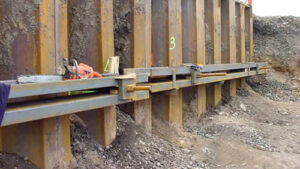 Steel retaining walls are a practical option for commercial construction projects due to their durability, strength, and flexibility. Constructed using high-quality structural steel, they can withstand heavy loads while remaining lightweight and easy to transport and install. The material is also highly resistant to corrosion, making it an ideal choice for projects in coastal locations or areas with high precipitation levels.
Steel retaining walls provide a cost-effective solution to reduce construction times while delivering excellent performance and longevity. Additionally, they offer flexibility in design, allowing property owners to customize the look of their structures without compromising on quality or safety.
Advantages of Steel Retaining Walls Over Other Wall Types
Steel retaining walls are becoming increasingly popular in commercial construction due to their numerous advantages. One significant benefit of using steel is that it is incredibly durable – much more so than other wall types. This makes it ideal for larger installations since it will not require frequent replacement or repair over time.
Steel retaining walls are also easier and faster to install than other materials, saving labor costs and reducing the disruption to your business operations that construction can inevitably cause. Furthermore, they have a higher aesthetic value than plain concrete walls – making them increasingly sought-after for both indoor and outdoor applications.
Lastly, steel retaining walls are environmentally friendly since they can be reused and recycled when no longer needed or when replacing existing structures. With all these benefits combined, it’s easy to see why steel is the perfect option for commercial construction!
Benefits of Using Steel Retaining Walls
Steel is a highly versatile and robust material, making it perfect for use in commercial construction projects. Using steel retaining walls allows projects to be completed quickly and cost-effectively while providing lasting stability. Furthermore, steel construction is more precise than other materials, meaning that problems like cracks and shifts are rarely an issue.
In addition, steel retaining walls are relatively easy to install and have significantly fewer maintenance requirements than other materials. Overall, they offer longevity, precision, and affordability, making them the ideal choice for any commercial building project requiring retaining walls.
Design & Installation Considerations for Steel Retaining Walls
The design and installation of steel retaining walls require great skill and expertise due to their particular characteristics. When designing and installing steel retaining walls, it is essential to consider factors such as load-bearing capacity, wall heights, environmental factors, ground texture, and local building codes.
Additionally, it is essential to balance cost efficiency and structural integrity; with proper research, you should seek expert advice on materials selection and cost-effective installation methods. By considering all the factors mentioned during the design and installation processes, engineers can ensure that maximum benefits are obtained from using steel retaining walls in commercial construction projects.
Examples of Projects with Steel Retaining Walls
Projects that successfully implemented steel retaining walls include motorway noise mitigation projects and airport runway extensions. Both require solid and resilient walls capable of withstanding all kinds of weather while providing an aesthetically pleasing finish.
Additionally, steel retaining walls are frequently used on large industrial sites such as wastewater treatment plants or mining land reclamation projects due to the minimal maintenance required for the structure. These modern systems offer substantial aesthetic and functional advantages over traditional stone or wood options, and they can also be designed for continual use throughout their lifetime, which adds significantly to their overall cost-effectiveness.
Best Practices for Ensuring Long-Lasting Performance of Your Steel Retaining Wall
Installing steel retaining walls in landscaping, roadways, and other commercial construction projects offers reliable support over time. You should do regular maintenance to ensure your steel retaining wall’s best possible performance and longevity. This includes periodic inspection to ensure it is still adequately supported and fastened and checking for any visible signs of corrosion or oxidation.
Additionally, you should use high-quality galvanized steel when constructing your wall to increase its durability and lifespan against the elements. Taking special care to protect your investment with quality materials can provide years of safety and stability for the area.
All in all, steel retaining walls offer a reliable and cost-effective way for commercial construction projects to maximize the use of outdoor space. With virtually unlimited design options, steel retaining walls provide high structural capacity, low maintenance needs, and significantly increased durability over other wall types. It is no wonder that steel retaining walls are becoming increasingly popular in the construction industry. When choosing suitable materials and best practices for long-lasting performance, planning your steel retaining wall with an experienced engineer should ensure successful results every time.