






Top Sustainable Upgrades That Save Money and Energy
Top Sustainable Upgrades That Save Money and Energy: Essential Energy Efficient Home Improvements
By Roddy Scheer, E — The Environmental Magazine
In an era where energy costs are rising and environmental concerns are paramount, homeowners are increasingly seeking sustainable upgrades that not only reduce their carbon footprint but also save money. This article delves into the top sustainable upgrades that can enhance energy efficiency in your home, providing insights into their benefits and mechanisms. By implementing these energy-saving home improvements, you can significantly lower your utility bills while contributing to a healthier planet. We will explore various upgrades, including energy-efficient appliances, insulation improvements, renewable energy solutions, and smart home technologies, among others. Each section will highlight how these upgrades work, their potential savings, and practical tips for implementation.
Energy-Efficient Appliances
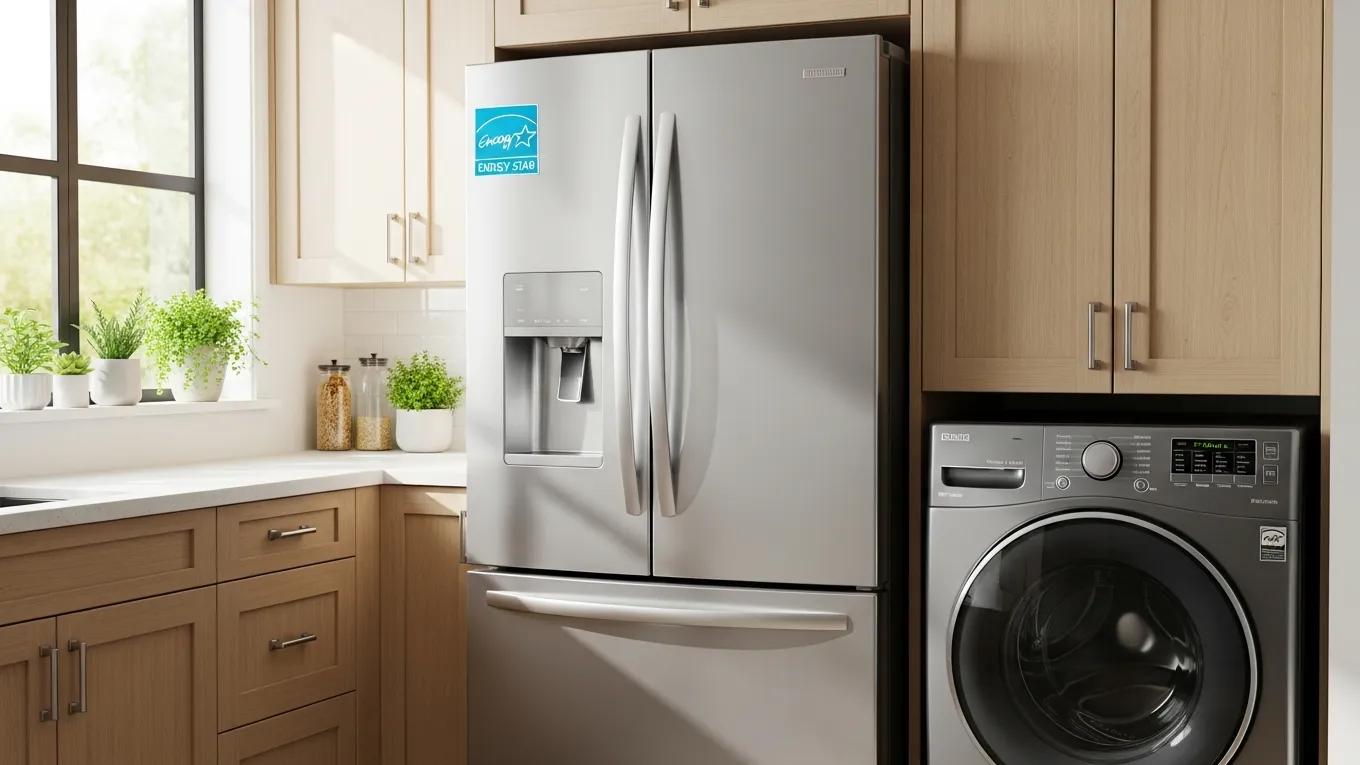
Energy-efficient appliances are designed to use less energy while providing the same level of performance as their conventional counterparts. These appliances, often labeled with the Energy Star certification, utilize advanced technology to minimize energy consumption, which translates to lower utility bills. For instance, Energy Star-rated refrigerators can save homeowners an average of $300 over their lifetime compared to standard models. Investing in energy-efficient appliances not only reduces energy costs but also contributes to a more sustainable environment by decreasing greenhouse gas emissions.
Comparison of Energy Savings for Different Appliances
To illustrate the energy savings potential of various appliances, the following table compares the energy consumption of standard versus energy-efficient models.
This comparison highlights the significant savings that can be achieved by upgrading to energy-efficient appliances, making them a wise investment for any homeowner.
Insulation Upgrades
Proper insulation is crucial for maintaining a comfortable home environment and reducing energy costs. Insulation works by slowing down the transfer of heat, keeping your home warm in the winter and cool in the summer. Upgrading insulation can lead to substantial savings on heating and cooling bills, often reducing energy costs by 20-30%. Common insulation materials include fiberglass, foam board, and spray foam, each offering unique benefits in terms of R-value and installation ease.
Types of Insulation Materials
- Fiberglass: Cost-effective and widely used, fiberglass insulation is available in batts and loose-fill forms, providing good thermal resistance.
- Foam Board: Rigid panels that offer high insulating values with minimal thickness, ideal for exterior walls and foundations.
- Spray Foam: Expands on application, filling gaps and providing an excellent air seal, making it highly effective for energy efficiency.
Investing in quality insulation not only enhances comfort but also significantly reduces energy consumption, making it a key upgrade for any energy-conscious homeowner.
Energy-Efficient Windows
Installing energy-efficient windows can dramatically improve your home’s energy performance. These windows are designed with advanced glazing technologies that reduce heat transfer, keeping your home comfortable year-round. By minimizing drafts and heat loss, energy-efficient windows can save homeowners up to 15% on their heating and cooling costs. Additionally, they enhance the aesthetic appeal of your home while providing UV protection for your furnishings.
Benefits of Energy-Efficient Windows
- Reduced Energy Costs: Lower heating and cooling expenses due to improved insulation.
- Increased Comfort: Enhanced temperature regulation throughout the home.
- UV Protection: Reduced fading of furniture and flooring from harmful UV rays.
Upgrading to energy-efficient windows is a long-term investment that pays off through energy savings and increased home value.
Low-Flow Fixtures
Low-flow fixtures, including faucets, showerheads, and toilets, are designed to reduce water consumption without sacrificing performance. By installing these fixtures, homeowners can save significant amounts of water, leading to lower water bills and reduced energy costs associated with heating water. For example, low-flow showerheads can reduce water usage by up to 50%, translating to substantial savings over time.
Types of Low-Flow Fixtures
- Low-Flow Showerheads: Limit water flow to 2.0 gallons per minute or less, compared to standard models that use 2.5 gallons.
- Low-Flow Faucets: Reduce flow rates to 1.5 gallons per minute, conserving water in kitchens and bathrooms.
- Dual-Flush Toilets: Offer two flushing options, using less water for liquid waste and more for solid waste.
Implementing low-flow fixtures is an effective way to conserve water and energy, making it a smart choice for eco-conscious homeowners.
Smart Home Technology
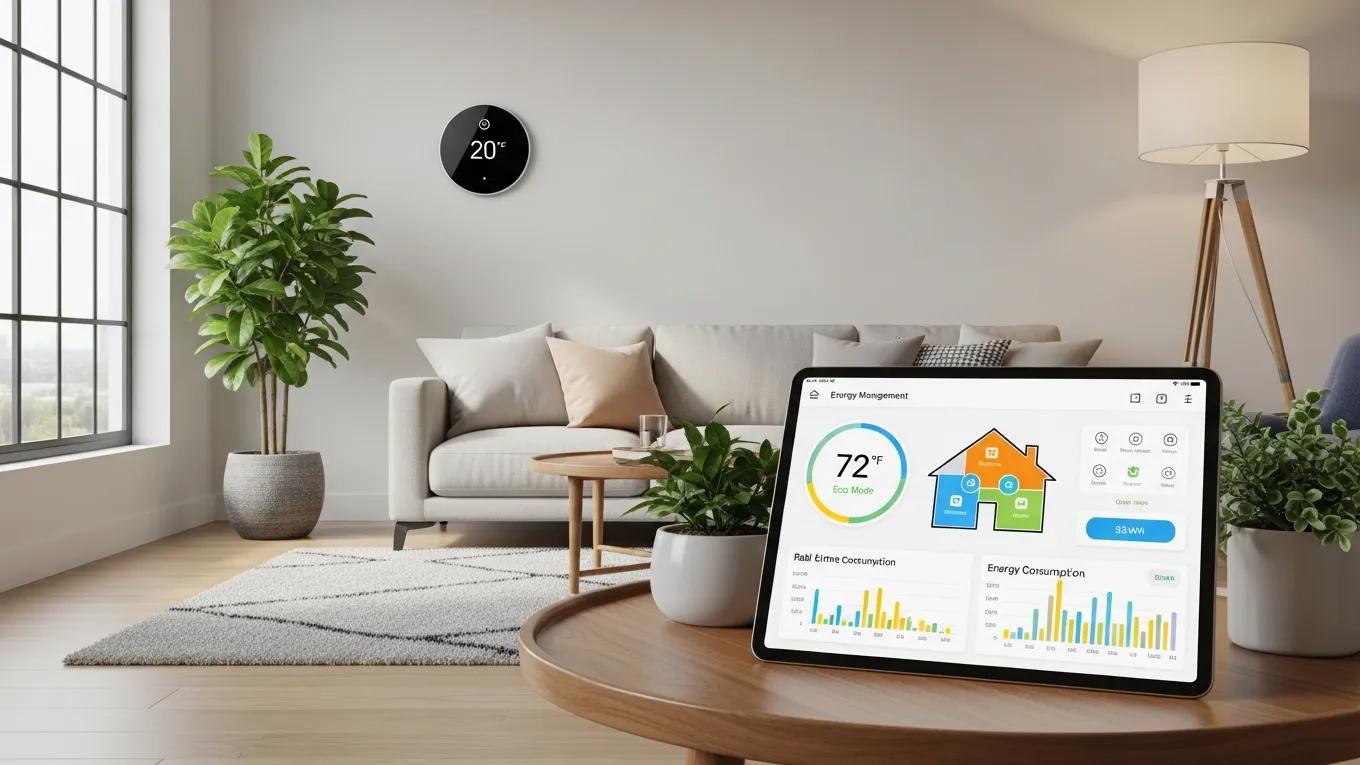
Smart home technology optimizes energy use by allowing homeowners to monitor and control their energy consumption remotely. Devices such as smart thermostats, lighting systems, and energy monitors provide insights into energy usage patterns, enabling users to make informed decisions about their energy consumption. For instance, smart thermostats can learn your schedule and adjust heating and cooling accordingly, potentially saving homeowners up to 10-15% on their energy bills.
Examples of Smart Home Devices
- Smart Thermostats: Automatically adjust temperature settings based on occupancy and preferences.
- Smart Lighting: Allows for remote control and scheduling of lights, reducing energy waste.
- Energy Monitors: Track real-time energy usage, helping homeowners identify areas for improvement.
Integrating smart home technology not only enhances convenience but also promotes energy efficiency, making it a valuable upgrade for modern homes.
Seal Air Leaks
Sealing air leaks is a critical step in improving your home’s energy efficiency. Common areas for air leaks include windows, doors, and attics, where conditioned air can escape, leading to increased energy costs. By sealing these leaks with caulk, weatherstripping, or spray foam, homeowners can improve their home’s insulation and reduce energy consumption by up to 20%.
Common Areas for Air Leaks
- Windows and Doors: Gaps around frames can allow air to escape, leading to drafts.
- Attics and Basements: Unsealed openings can significantly impact energy efficiency.
- Electrical Outlets: Outlets on exterior walls can be a source of air leaks.
Addressing air leaks is a simple yet effective way to enhance energy efficiency and comfort in your home.
Tankless Water Heaters
Tankless water heaters provide hot water on demand, eliminating the need for a storage tank. This technology not only saves space but also reduces energy consumption, as water is heated only when needed. Homeowners can save up to 30% on energy costs compared to traditional tank water heaters, making them a cost-effective and efficient option.
Benefits of Tankless Water Heaters
- Energy Efficiency: Only heats water as needed, reducing standby energy loss.
- Space Saving: Compact design allows for installation in smaller spaces.
- Longevity: Typically lasts longer than traditional water heaters, providing better value over time.
Switching to a tankless water heater is a smart upgrade that can lead to significant energy savings and increased convenience.
LED Lighting
LED lighting is one of the most energy-efficient lighting options available today. These bulbs use up to 80% less energy than traditional incandescent bulbs and have a much longer lifespan, making them a cost-effective choice for homeowners. By replacing standard bulbs with LED lighting, homeowners can save significantly on their energy bills while reducing their environmental impact.
Advantages of LED Lighting
- Energy Savings: Consumes less electricity, leading to lower utility bills.
- Longevity: Lasts up to 25 times longer than incandescent bulbs, reducing replacement costs.
- Environmental Impact: Produces less heat and contains no toxic materials, making them safer for the environment.
Upgrading to LED lighting is a straightforward way to enhance energy efficiency in your home.
HVAC System Upgrades
Upgrading your HVAC system can lead to significant improvements in energy efficiency. Modern HVAC systems are designed to operate more efficiently, reducing energy consumption and lowering utility bills. Homeowners can save up to 20-30% on heating and cooling costs by investing in a high-efficiency system.
Benefits of Upgrading HVAC Systems
- Improved Energy Efficiency: Newer systems use advanced technology to optimize energy use.
- Cost Savings: Lower energy bills due to reduced consumption.
- Potential Rebates: Many utility companies offer incentives for upgrading to energy-efficient systems.
Investing in an upgraded HVAC system is a long-term solution that enhances comfort and reduces energy costs.
Living Walls and Green Roofs
Living walls and green roofs are innovative ways to enhance energy efficiency while improving aesthetics. These installations provide natural insulation, reducing heating and cooling costs. Additionally, they contribute to improved air quality and biodiversity in urban areas.
Benefits of Living Walls and Green Roofs
- Natural Insulation: Helps regulate indoor temperatures, reducing energy consumption.
- Air Quality Improvement: Plants filter pollutants and produce oxygen, enhancing air quality.
- Biodiversity Support: Provides habitats for various species, promoting ecological balance.
Incorporating living walls and green roofs into your home design is a unique way to promote sustainability and energy efficiency.
Renewable Energy Solutions
Renewable energy solutions, such as solar panels, wind turbines, and geothermal systems, offer homeowners the opportunity to generate their own energy. By harnessing natural resources, these systems can significantly reduce reliance on fossil fuels and lower energy costs.
Types of Renewable Energy Solutions
- Solar Energy: Solar panels convert sunlight into electricity, providing a clean energy source.
- Wind Energy: Small wind turbines can generate electricity for residential use, reducing energy bills.
- Geothermal Energy: Geothermal systems utilize the earth’s natural heat for heating and cooling, offering significant energy savings.
Investing in renewable energy solutions not only reduces energy costs but also contributes to a more sustainable future.
Solar Energy
Solar energy is one of the most popular renewable energy solutions available today. By installing solar panels, homeowners can generate their own electricity, significantly reducing their energy bills. The initial investment in solar technology can be offset by long-term savings, making it a financially sound choice.
Wind Energy
Wind energy is another viable option for homeowners looking to reduce their energy costs. Small wind turbines can be installed on residential properties to harness wind power, providing a renewable energy source that can lower electricity bills.
Geothermal Energy
Geothermal energy systems utilize the earth’s natural heat to provide heating and cooling for homes. These systems are highly efficient and can lead to substantial energy savings, making them an attractive option for homeowners seeking sustainable upgrades.
How Do Solar Panels Reduce Energy Bills and Environmental Impact?
Solar panels reduce energy bills by generating electricity from sunlight, which can be used to power your home. This not only lowers your reliance on grid electricity but also decreases your overall energy costs. Additionally, solar energy is a clean, renewable resource that significantly reduces greenhouse gas emissions, contributing to a healthier environment.
What Are the Benefits of Home Battery Storage Systems?
Home battery storage systems allow homeowners to store excess energy generated by solar panels for later use. This technology enhances energy independence and provides backup power during outages. By utilizing stored energy, homeowners can further reduce their reliance on grid electricity and save on energy costs.
How Can Energy Efficient Appliances and Lighting Cut Your Home Energy Costs?
Energy-efficient appliances and lighting significantly reduce energy consumption, leading to lower utility bills. By using less energy to perform the same tasks, these upgrades not only save money but also contribute to a more sustainable environment. Homeowners can expect to see a noticeable reduction in their energy costs after making these upgrades.
How to Choose Cost Effective Sustainable Upgrades for Appliances?
When selecting sustainable upgrades for appliances, consider factors such as energy efficiency ratings, initial costs, and long-term savings potential. Look for products with the Energy Star label, as these are designed to meet strict energy efficiency guidelines. Additionally, consider the environmental impact of the materials used in the appliances to ensure a truly sustainable choice.
What Are the Most Effective Home Insulation and Weatherization Techniques?
Effective home insulation and weatherization techniques include sealing air leaks, adding insulation to attics and walls, and using weatherstripping on doors and windows. These methods help maintain a comfortable indoor environment while reducing energy consumption. Homeowners can achieve significant energy savings by implementing these techniques.
Which Insulation Materials Maximize Energy Efficiency?
The most effective insulation materials for maximizing energy efficiency include spray foam, fiberglass, and cellulose. Each material offers unique benefits in terms of R-value, cost, and installation ease. Homeowners should consider their specific needs and budget when selecting insulation materials for their homes.
How Does Weatherization Improve Home Comfort and Reduce Costs?
Weatherization improves home comfort by sealing air leaks and enhancing insulation, which helps maintain consistent indoor temperatures. This not only increases comfort but also reduces energy costs by minimizing the need for heating and cooling. Homeowners can achieve significant savings by investing in weatherization techniques.
How Do Smart Home Energy Management Systems Optimize Energy Use?
Smart home energy management systems optimize energy use by providing real-time data on energy consumption and allowing homeowners to control their energy use remotely. These systems can identify patterns and suggest ways to reduce energy consumption, leading to lower utility bills and a more efficient home.
What Are the Advantages of Smart Thermostats and Sensors?
Smart thermostats and sensors offer several advantages, including energy savings, convenience, and enhanced comfort. By learning user preferences and adjusting settings accordingly, these devices can significantly reduce energy consumption while maintaining a comfortable indoor environment.
How Can Smart Devices Integrate for Maximum Energy Savings?
Smart devices can integrate seamlessly to create a cohesive energy management system. By connecting devices such as smart thermostats, lighting, and appliances, homeowners can optimize their energy use and achieve maximum savings. This integration allows for greater control and efficiency in managing energy consumption.
Which Water Conservation Upgrades Help Save Money and Resources?
Water conservation upgrades, such as low-flow fixtures and rainwater harvesting systems, help save both money and resources. By reducing water consumption, homeowners can lower their water bills and contribute to environmental sustainability. Implementing these upgrades is a practical way to promote conservation in the home.
What Water Saving Devices Are Most Effective for Homes?
The most effective water-saving devices for homes include low-flow showerheads, dual-flush toilets, and faucet aerators. These devices are designed to reduce water consumption without sacrificing performance, making them an excellent choice for eco-conscious homeowners.
How Does Water Conservation Contribute to Overall Energy Efficiency?
Water conservation contributes to overall energy efficiency by reducing the energy required for water heating and treatment. By using less water, homeowners can lower their energy bills and decrease their environmental impact. Implementing water-saving measures is a crucial step toward achieving a more sustainable home.
What Eco Friendly Building Materials Support Sustainable Home Renovations?
Eco-friendly building materials, such as reclaimed wood, bamboo, and recycled metal, support sustainable home renovations by minimizing environmental impact. These materials are often sourced responsibly and can enhance the energy efficiency of a home. Homeowners should consider using eco-friendly materials in their renovation projects to promote sustainability.
How Do Green Materials Impact Energy Efficiency and Environmental Health?
Green materials positively impact energy efficiency and environmental health by reducing the carbon footprint of construction and renovation projects. These materials often have lower embodied energy and contribute to healthier indoor air quality. By choosing green materials, homeowners can create a more sustainable living environment.
What Are Cost Effective Options for Eco Friendly Home Upgrades?
Cost-effective options for eco-friendly home upgrades include energy-efficient appliances, low-flow fixtures, and improved insulation. These upgrades not only save money on utility bills but also contribute to a more sustainable lifestyle. Homeowners can achieve significant savings by investing in these eco-friendly options.