






Unlocking Financial Benefits: How Sustainable Climate Policies Can Save Your Business Money

Unlocking Financial Benefits: How Sustainable Climate Policies Can Save Your Business Money
Sustainable climate policies are not just a trend; they represent a strategic approach for businesses to enhance their financial performance while contributing to environmental preservation. This article explores how implementing sustainable practices can lead to significant cost savings and financial incentives for businesses. Readers will learn about the various sustainable climate policies that can reduce operational costs, the financial incentives available for green businesses, and practical steps to implement energy efficiency programs. As companies face increasing pressure to adopt sustainable practices, understanding the financial benefits can provide a competitive edge. This guide will cover key policies, available incentives, real-world case studies, and methods for measuring sustainability impact.
What Are Sustainable Climate Policies and How Do They Benefit Businesses Financially?
Sustainable climate policies are regulations and initiatives designed to promote environmentally friendly practices within businesses, ultimately leading to financial savings. These policies encourage companies to adopt practices that reduce their carbon footprint and enhance operational efficiency. By implementing such policies, businesses can lower their energy costs, improve resource management, and enhance their brand reputation, which can lead to increased customer loyalty and sales. The financial benefits of these policies are substantial, as they not only reduce costs but also open up new revenue streams through green products and services.
Which Key Sustainable Climate Policies Support Business Savings?
Several key sustainable climate policies can significantly impact business savings. These include:
- Energy Efficiency Standards: Regulations that require businesses to adopt energy-efficient technologies can lead to substantial reductions in energy consumption and costs.
- Renewable Energy Mandates: Policies that promote the use of renewable energy sources can help businesses reduce their reliance on fossil fuels, leading to lower energy bills.
- Carbon Pricing: Implementing a price on carbon emissions encourages businesses to reduce their carbon footprint, often resulting in cost savings through improved efficiency.
These policies not only support environmental goals but also provide tangible financial benefits for businesses that adopt them.
How Do Sustainable Policies Reduce Operational Costs and Carbon Footprint?
Sustainable policies reduce operational costs by promoting energy efficiency and resource conservation. For instance, businesses that invest in energy-efficient equipment often see a decrease in their utility bills. Additionally, these policies encourage the adoption of renewable energy sources, which can further lower energy costs over time. By reducing energy consumption and waste, companies can significantly decrease their carbon footprint, contributing to a healthier environment while also enhancing their bottom line. This dual benefit of cost savings and environmental responsibility is a compelling reason for businesses to embrace sustainable practices.
What Financial Incentives Are Available for Green Businesses?
Financial incentives play a crucial role in encouraging businesses to adopt sustainable practices. Various programs and grants are available to support green initiatives, making it easier for companies to transition to more sustainable operations.
Which Government Grants and Tax Credits Support Sustainable Business Practices?
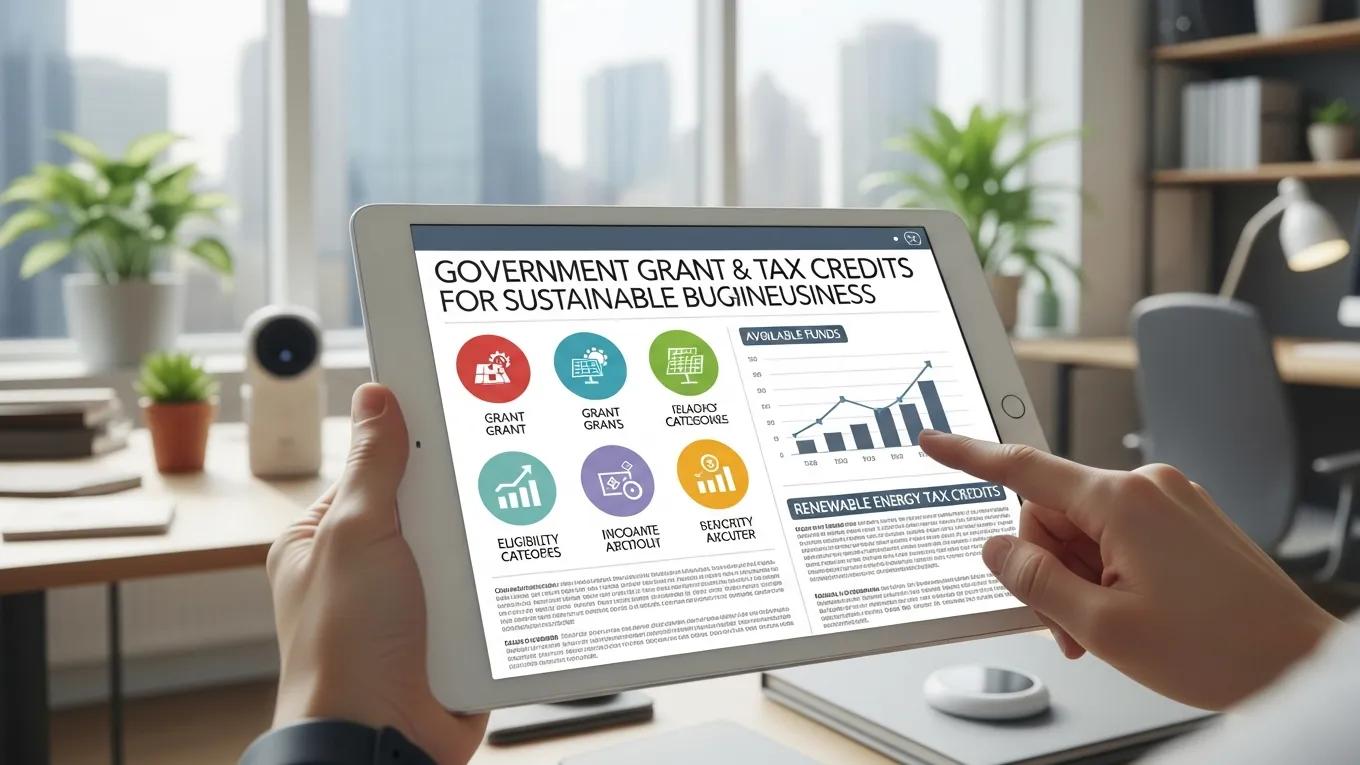
Government grants and tax credits are essential tools for businesses looking to implement sustainable practices. These incentives can include:
- Federal Tax Credits: Many governments offer tax credits for businesses that invest in renewable energy systems or energy-efficient upgrades.
- State Grants: Various states provide grants to support businesses in implementing energy-saving technologies and practices.
- Local Incentives: Municipalities may offer additional financial support for businesses that commit to sustainability initiatives.
These financial incentives can significantly offset the initial costs of transitioning to sustainable practices, making it more feasible for businesses to invest in green technologies.
How Do Renewable Energy Subsidies and Energy Efficiency Grants Lower Business Expenses?
Renewable energy subsidies and energy efficiency grants can dramatically lower business expenses by reducing the upfront costs associated with implementing sustainable technologies. For example, subsidies for solar panel installations can make renewable energy more accessible, allowing businesses to benefit from lower energy costs over time. Similarly, energy efficiency grants can help cover the costs of upgrading to more efficient systems, leading to immediate savings on utility bills. By leveraging these financial incentives, businesses can enhance their sustainability efforts while also improving their financial performance.
While renewable energy subsidies are designed to make sustainable technologies more accessible and reduce upfront costs, their long-term impact on a company’s financial performance can be complex and warrants careful consideration.
Government Subsidies & Financial Performance of Renewable Energy Companies
The promotion of renewable energy cannot be separated from the support provided by government subsidies. Taking China’s listed renewable energy companies as examples, this paper analyzes the impact of government subsidies on the financial performance of these companies. The results show that government subsidies do not promote improvements in corporate financial performance, and renewable energy companies are less profitable than other companies.
Do subsidies improve the financial performance of renewable energy companies?
Evidence from China, H Liao, 2019
How Can Businesses Implement Energy Efficiency and Sustainability Programs to Maximize Savings?
Implementing energy efficiency and sustainability programs requires a strategic approach that aligns with a company’s operational goals. By adopting a structured plan, businesses can maximize their savings while contributing to environmental sustainability.
What Are Step-by-Step Strategies for Adopting Corporate Sustainability Programs?
To effectively adopt corporate sustainability programs, businesses can follow these steps:
- Assess Current Practices: Evaluate existing operations to identify areas for improvement in energy efficiency and sustainability.
- Set Clear Goals: Establish specific, measurable sustainability goals that align with the company’s overall objectives.
- Engage Employees: Involve employees in sustainability initiatives to foster a culture of environmental responsibility.
- Monitor Progress: Regularly track and report on sustainability efforts to ensure accountability and continuous improvement.
By following these steps, businesses can create a robust sustainability program that not only reduces costs but also enhances their reputation.
Which Energy Efficiency Technologies Offer the Best Return on Investment?

Investing in energy efficiency technologies can yield significant returns for businesses. Some of the most effective technologies include:
Understanding the factors that drive the adoption of these energy-efficient technologies, such as LED lighting, is crucial for maximizing their benefits.
LED Lighting Adoption: Savings, Incentives & Business Energy Efficiency
What factors are most significant in understanding adoption behavior for energy efficiency technologies by commercial, residential, and industrial customers? The case of energy efficient lighting technologies is specifically examined. In the case of energy efficient lighting adoption, and LED adoption in particular, performance expectancy and effort expectancy can be related to factors such as future energy price expectancies, actual savings results, and ease of energy savings. Factors involving social influences include perceptions of environmental friendliness among different user groups, and facilitating conditions include policies, incentives, and educational programs to encourage adoption.
Adoption of energy efficiency technologies: A review of behavioral theories for the case of LED lighting, K Cowan, 2013
- LED Lighting: Switching to LED lighting can reduce energy consumption by up to 75%, leading to substantial savings on electricity bills.
- Smart Thermostats: These devices optimize heating and cooling systems, resulting in lower energy usage and costs.
- High-Efficiency HVAC Systems: Upgrading to high-efficiency heating, ventilation, and air conditioning systems can significantly reduce energy consumption.
These technologies not only provide immediate cost savings but also contribute to long-term sustainability goals.
Beyond immediate savings, the strategic implementation of advanced systems like energy-efficient HVAC is vital for achieving both financial and environmental objectives in sustainable buildings.
Energy-Efficient HVAC: ROI & Cost Savings for Sustainable Buildings
It underscores the critical role of HVAC systems in reducing energy consumption and promoting indoor environmental quality in sustainable buildings. High-efficiency filters and ventilation systems can remove pollutants, improve air circulation, and reduce the spread of airborne diseases. Additionally, calculating the return on investment (ROI) for energy-efficient HVAC upgrades is crucial for justifying initial costs and demonstrating long-term financial benefits.
Review of energy-efficient HVAC technologies for sustainable buildings, TM Olatunde, 2024
What Are Real-World Case Studies Demonstrating Financial Benefits from Sustainable Climate Policies?
Real-world case studies illustrate the financial benefits that businesses can achieve through sustainable climate policies. These examples highlight how companies have successfully implemented green practices and the resulting cost savings.
Which Businesses Have Achieved Significant Cost Reductions Through Sustainability?
Numerous businesses have reported significant cost reductions through sustainability initiatives. For instance, a manufacturing company that adopted energy-efficient machinery saw a 30% reduction in energy costs within the first year. Similarly, a retail chain that implemented a comprehensive recycling program reduced waste disposal costs by 25%, demonstrating the financial viability of sustainable practices.
How Do These Case Studies Illustrate the Impact of Government Incentives?
These case studies often highlight the role of government incentives in facilitating sustainability efforts. For example, the manufacturing company received a state grant to offset the costs of upgrading its machinery, while the retail chain benefited from tax credits for its recycling initiatives. These incentives not only made the transition to sustainable practices more affordable but also underscored the importance of supportive policies in driving business sustainability.
How Can Businesses Measure and Report Their Sustainability Impact to Enhance Financial Benefits?
Measuring and reporting sustainability impact is crucial for businesses looking to enhance their financial benefits. By tracking their progress, companies can identify areas for improvement and demonstrate their commitment to sustainability.
What Metrics Best Reflect Carbon Footprint Reduction and Cost Savings?
Key metrics for measuring sustainability impact include:
- Energy Consumption: Tracking energy usage over time can help businesses identify trends and areas for improvement.
- Waste Reduction: Measuring the amount of waste generated can provide insights into the effectiveness of recycling and waste management programs.
- Carbon Emissions: Calculating carbon emissions allows businesses to assess their environmental impact and set reduction targets.
By focusing on these metrics, businesses can effectively measure their sustainability efforts and communicate their achievements to stakeholders.
How Does Transparent Reporting Improve Brand Reputation and Access to Incentives?
Transparent reporting of sustainability efforts can significantly enhance a company’s brand reputation. By openly sharing their sustainability goals and progress, businesses can build trust with customers and stakeholders. This transparency not only improves brand perception but also increases access to financial incentives, as many programs prioritize companies that demonstrate a commitment to sustainability.
Where Can Businesses Find Updated Resources and Support for Sustainable Climate Policies and Incentives?
Businesses seeking to implement sustainable climate policies can access a variety of resources and support. These include:
- Government Websites: Many government agencies provide information on available grants, tax credits, and sustainability programs.
- Industry Associations: Organizations focused on sustainability often offer resources, best practices, and networking opportunities for businesses.
- Consulting Firms: Professional consultants can provide tailored advice and support for businesses looking to enhance their sustainability efforts.
By leveraging these resources, businesses can stay informed about the latest developments in sustainable practices and financial incentives.