






Urban Habitat Restoration Techniques
Urban Habitat Restoration Techniques: Strengthening City Biodiversity and Sustainability
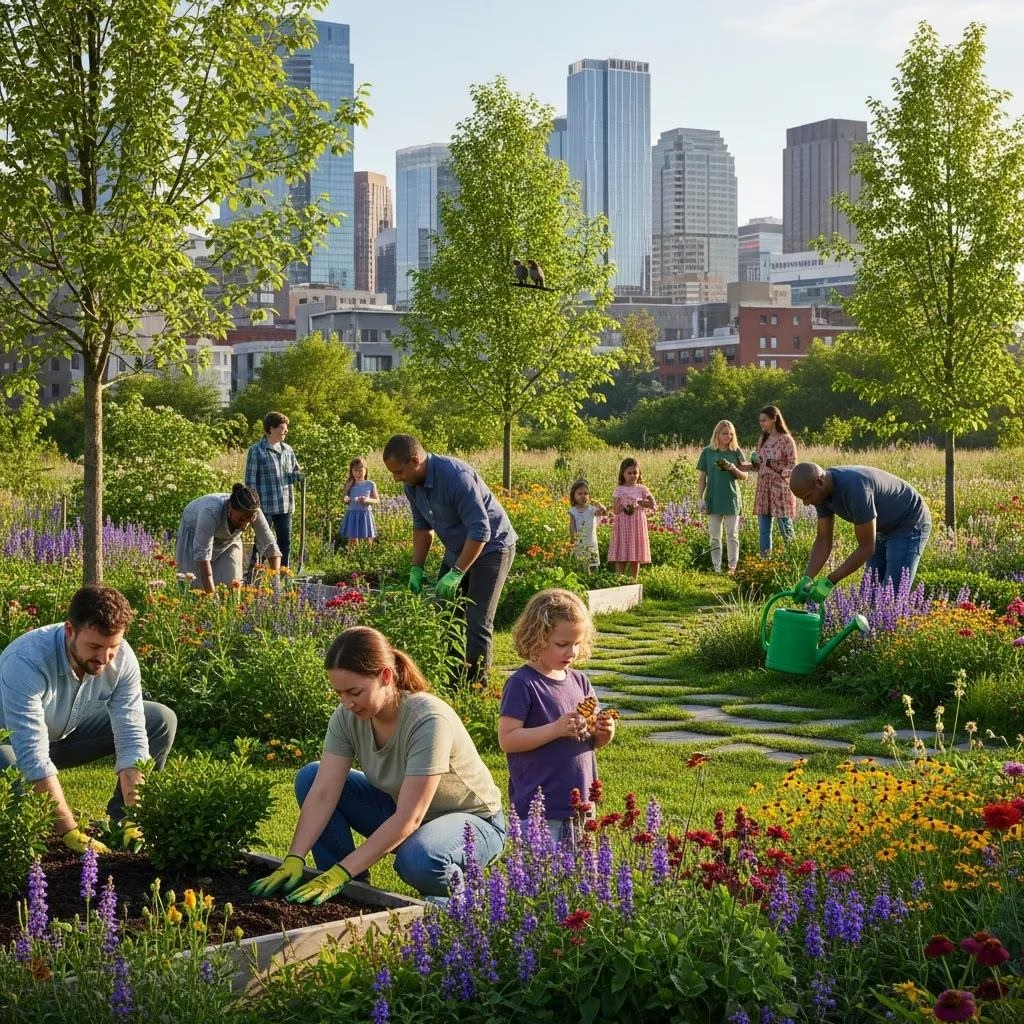
Urban habitat restoration revives damaged city ecosystems so they can support wildlife, improve climate resilience, and enrich communities. In this guide we outline practical techniques—ranging from native-planting to green infrastructure and community-led projects—that city teams and residents can use to restore urban nature. As cities grow, natural habitats shrink; restoration helps reverse that trend by reintroducing native species, creating usable green space, and building local stewardship. Below we explain why restoration matters, how it supports climate and biodiversity goals, and the concrete steps to get started.
Key Takeaways
- Urban habitat restoration heals degraded city spaces to boost biodiversity and long-term sustainability.
- Bringing back native species improves air and soil quality while creating critical wildlife habitat.
- Native plants support pollinators and strengthen soil health, making ecosystems more resilient.
- Green infrastructure—like roofs and rain gardens—reduces heat and manages stormwater effectively.
- Community participation is essential for durable, locally supported restoration projects.
- Wildlife corridors and careful landscaping connect habitats and protect urban species diversity.
- Restored green spaces help cities adapt to climate impacts by reducing flooding and cooling neighborhoods.
- Track progress with biodiversity indices, surveys, and simple community-led monitoring.
What Is Urban Habitat Restoration and Why Is It Important?
Urban habitat restoration means repairing and re-establishing natural systems inside cities—parks, streets, vacant lots, waterways—so they function for both people and wildlife. Restoration restores ecological balance disrupted by development, offering cleaner air, cooler streets, flood control, and places for wildlife to thrive. Equally important, restoration invites communities into stewardship roles: when residents take part in planting and upkeep, projects succeed and benefits last.
How Urban Restoration Supports Biodiversity and Climate Goals
Restoration expands green space and restores ecosystem services—carbon storage, water filtration, pollinator habitat—that cities need to meet climate and biodiversity targets. Reconnecting fragmented green patches helps species move and interbreed, increasing genetic diversity and resilience. These restored systems buffer cities against extreme weather, filter runoff, and provide everyday benefits for people, making restoration both an ecological and climate-smart investment.
How Can Native Plant Restoration Improve Urban Ecosystems?
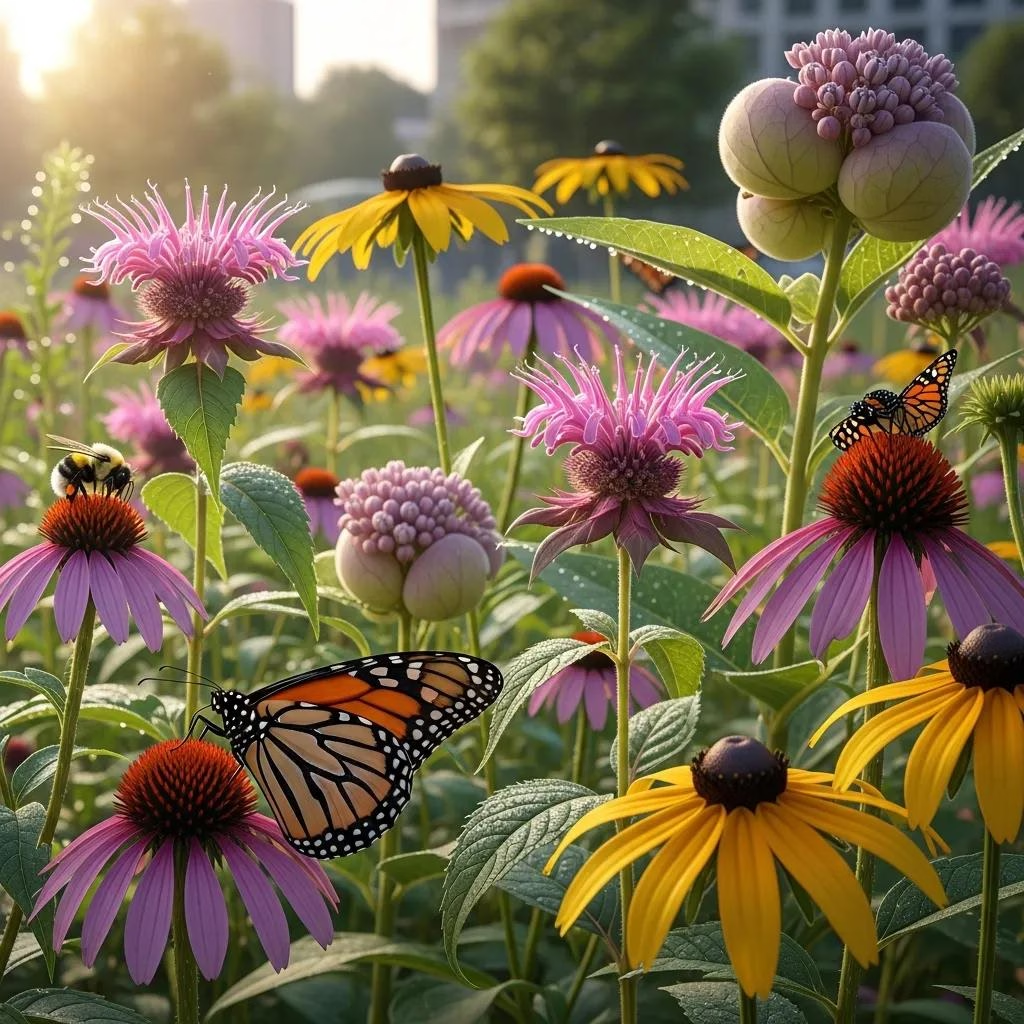
Native plants are a foundation for resilient urban ecosystems. Because they’re adapted to local soils and climate, they establish more reliably, require less care, and provide the right food and shelter for native insects, birds, and other wildlife. Their deep-rooted systems improve soil structure and reduce erosion, while flowers and seedheads support pollinators and seed-eating species. Prioritizing native plantings creates healthier, lower-maintenance green spaces that benefit biodiversity and people alike.
Studies consistently find that native plantings deliver stronger biodiversity gains and more ecosystem services in city landscapes than non-native alternatives.
Native Plants: Boosting Urban Biodiversity & Ecosystem Services
The evidence shows native plants support greater faunal abundance and diversity in urban areas compared with many non-native species. While fewer studies focus on performance and specific ecosystem services, results indicate native flora often deliver higher levels and a broader range of services—and many native species are well suited for horticultural use in cities.
Plant native: comparing biodiversity benefits, ecosystem services provisioning, and plant performance of native and non-native plants in urban horticulture, ES Tartaglia, 2024
Selecting and Planting Native Species for Urban Areas
Choosing the right native species is critical for restoration success. Consider local climate, soil type, and the ecological roles you want plants to play—pollinator support, erosion control, or shade, for example. Favor species that match site conditions and community needs, and plan for low-maintenance mixes that support season-long resources for wildlife.
Build plant palettes with structural diversity: a combination of native grasses, herbaceous perennials, shrubs, and canopy trees delivers continuous cover, nectar and seed resources, and nesting sites across seasons. Aim for overlapping bloom times to support pollinators from early spring through late fall, and include plants that produce seeds or fruit for birds in autumn and winter. Structural layering—groundcover, mid-story, and canopy—also increases microhabitat variety and resilience against pests and extreme weather.
- Local Adaptation: Pick species proven in your region to increase survival and resilience.
- Ecological Function: Prioritize plants that feed pollinators, provide nesting cover, or improve soil health.
- Maintenance Requirements: Match plant choices to realistic care levels—water, light, and pruning needs—so plantings thrive long-term.
Use proper planting techniques—right depth, good soil preparation, mulching, and spacing—to reduce competition and help young plants establish. Early-season watering and protective measures against compaction and trampling often make the difference in the first two years.
Soil preparation is often the deciding factor in establishment. Start with basic soil testing to check pH and nutrient balance, then amend with organic matter where necessary to improve structure and water-holding capacity. For sites with contamination or poor substrate, consider options like raised beds, clean soil import, capping, or phytoremediation using tolerant species as a first step. Consistent mulching and gradual reduction of irrigation help roots deepen and plants tolerate local conditions long-term.
Ecological Roles and Benefits of Native Plants in Cities
Native plants create habitat and food sources for birds, insects, and small mammals while improving urban connectivity between green patches. They moderate microclimates by providing shade and evapotranspiration, and they stabilize soil and support nutrient cycling. Together, these functions enhance urban livability and ecosystem resilience.
What Are Effective Green Infrastructure Solutions for Cities?
Green infrastructure weaves nature into city systems, using plants and soils to manage water, cool streets, and create habitat. When designed well, these features provide multiple benefits—stormwater management, air quality improvement, and recreational space—while supporting biodiversity.
- Green Roofs: Reduce building energy use and offer nesting and foraging habitat for insects and birds.
- Rain Gardens: Capture and filter runoff at the source, lowering flood risk and improving water quality.
- Permeable Pavements: Let water seep into the ground, cutting runoff and recharging groundwater.
Rain gardens and similar bioretention systems are proven tools for reducing urban runoff and remediating pollutants while adding community value.
Rain Gardens: Green Infrastructure for Urban Stormwater Management
Stormwater runoff carries pollutants that harm surface and groundwater and increase flood risk. Among best management practices, rain gardens (bioretention systems) are widely used to capture and treat runoff. Their physical, chemical, and biological processes help remove contaminants, store and slowly release water, reduce peak flows, cycle nutrients, and even trap heavy metals—while also creating usable green space.
Rain gardens as stormwater management tool, P Malaviya, 2019
Integrating green infrastructure into planning creates multifunctional spaces that serve people and nature—reducing risks while improving neighborhood quality of life.
Design details that favor biodiversity include creating varied microhabitats (rock and log piles, shallow depressions, and patches of bare ground), using diverse soil substrates, and leaving structural debris where safe. Where green and grey systems meet, design for maintenance access while preserving habitat complexity. For green roofs and rain gardens, incorporating a mix of shallow and deeper planting zones, and providing small woody shrubs near perimeters, can increase habitat value without compromising stormwater performance.
How Does Community Engagement Drive Successful Urban Rewilding?
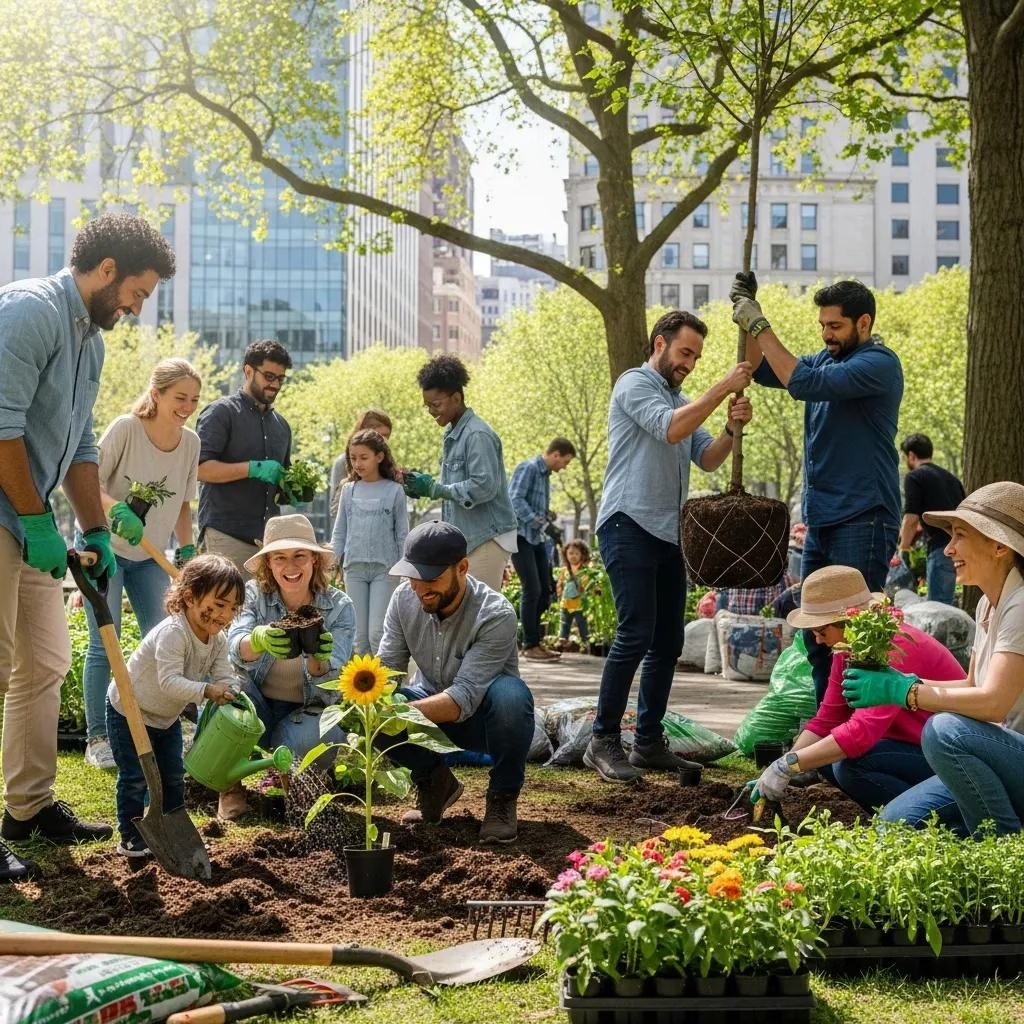
Community engagement turns one-off projects into lasting change. When residents help plan and care for restoration sites, they bring local knowledge, build social ties, and increase project stewardship. Educational programs, volunteer plantings, and hands-on workshops boost skills and awareness, ensuring restored areas are valued and maintained over the long term.
Operationalizing engagement through structured volunteer programs improves retention and outcomes. Provide clear roles (planting teams, water-care teams, monitoring teams), short training sessions on safe planting and tool use, and basic tool kits. Establish a point person or stewardship coordinator within the community or partner organization to handle scheduling and supplies. Regular community events—seasonal planting days, interpretive walks, and maintenance work parties—both reduce long-term costs and build local ownership.
Organizing Community Urban Gardening and Wildlife Corridor Projects
Successful community projects combine clear planning, inclusive involvement, and simple metrics for tracking results. Start small, build local partnerships, and scale based on early wins.
- Project Planning: Map sunlight, soil, and access; choose sites where restoration will deliver clear ecological and social benefits.
- Community Involvement: Invite residents into design and stewardship roles so projects reflect local priorities and gain long-term support.
- Monitoring Success: Track easy-to-measure indicators—plant survival, pollinator visits, and wildlife sightings—to assess impact and guide adjustments.
These steps help neighborhoods create attractive, biodiverse green spaces that meet community needs and ecological goals.
Funding and partnership strategies should be pragmatic and diverse. Combine small municipal grants, community fundraising, in-kind donations (plants, soil, tools) from local businesses, and partnerships with schools or nonprofits to broaden capacity. Clearly defined memoranda of understanding or stewardship agreements with landowners clarify long-term roles for maintenance and liability. Piloting a project with phased funding reduces risk, demonstrates community support, and often unlocks larger investments later.
What Techniques Enhance Urban Biodiversity Conservation?
Conservation in cities requires a mix of habitat creation and smart management. Combine structural changes with ecological care to make urban environments hospitable to more species.
- Creating Wildlife Corridors: Link green areas so animals and plants can move, mate, and adapt across the landscape.
- Sustainable Landscaping: Use native plant palettes, reduce fertilizers and pesticides, and favor layered plant structures for varied habitat.
- Soil Remediation: Test and, where needed, remediate contaminated soils and rebuild organic matter to support diverse plant communities.
Applied together, these techniques expand habitat quality and connectivity, giving urban wildlife better chances to thrive.
Adaptive management is central to long-term conservation: set thresholds for action (e.g., invasive species cover percentage that triggers removal), monitor pest and disease trends, and prioritize non-chemical responses where possible. Use targeted mechanical removal, hand-pulling, or selective, approved biological controls when warranted, and keep pesticide use as a last resort with clear justification. Regular site inspections and flexible maintenance plans help sites evolve toward self-sustaining ecosystems.
How Does Urban Habitat Restoration Contribute to Climate Resilience?
Restored habitats moderate climate impacts by managing stormwater, lowering surface temperatures, and capturing carbon. Diverse plantings are more resilient to pests, drought, and extreme events, helping neighborhoods recover faster after disturbances. Investing in habitat restoration is therefore a practical climate adaptation strategy that delivers measurable benefits for people and nature.
Practical Steps for Implementing Urban Habitat Restoration
Restoration works best when it follows a clear, participatory process. Use the steps below as a practical roadmap.
- Assessment: Survey existing conditions to identify priority sites and realistic goals.
- Community Engagement: Co-design projects with residents, land managers, and local organizations.
- Implementation: Develop phased plans with timelines, budgets, and roles for planting and maintenance.
- Monitoring and Evaluation: Use simple indicators to measure ecological gains and guide adaptive management.
This cycle—from assessment to monitoring—keeps projects focused, effective, and accountable.
Practical scheduling also matters: run pilot phases in the first year to test species mixes and maintenance needs, then expand successful approaches. Schedule major planting in the local optimal season (usually spring or fall) and align maintenance windows with volunteer availability. For larger corridors or multi-site efforts, create a three- to five-year rolling plan that sequences work by priority, accessibility, and funding, allowing teams to adapt based on early monitoring results.
How Can Progress in Urban Habitat Restoration Be Measured and Monitored?
Monitoring gives you the evidence to show progress and improve practices. Mix scientific methods with community reporting for the best results.
- Biodiversity Indices: Track species richness and abundance to quantify ecological change over time.
- Ecological Surveys: Conduct regular plant and wildlife surveys to assess habitat health and target species presence.
- Community Engagement Metrics: Record volunteer hours, local participation, and public feedback to measure social impact and stewardship.
Combining these methods provides a clear picture of ecological and social outcomes, helping to sustain support and funding.
Use straightforward monitoring protocols accessible to volunteers: fixed photo points, simple species checklists, and timed pollinator counts are effective and low-cost. Maintain a shared log or spreadsheet for observations and basic site maintenance records. Where available, leverage citizen-science platforms and smartphone apps to standardize records and share data with partner organizations. Regularly review monitoring results with stakeholders and adapt management plans based on observed trends rather than assumptions.
Frequently Asked Questions
What are the main challenges in urban habitat restoration?
Common obstacles include limited space, soil contamination, impervious surfaces, and competing land uses. Infrastructure constraints and low public awareness can also slow projects. Overcoming these barriers requires creative design, strong community outreach, and multi-stakeholder partnerships to find workable sites and funding.
How can urban habitat restoration benefit local communities?
Restoration improves air and water quality, cools neighborhoods, and creates attractive public spaces for recreation and connection. These projects can boost mental and physical health, foster community pride, and provide educational opportunities—turning underused places into valued local assets.
What role do local governments play in urban habitat restoration?
Local governments provide planning, funding, policy frameworks, and maintenance support. They can enable partnerships with nonprofits and businesses, offer incentives for green infrastructure, and integrate restoration into zoning and development plans. Effective municipal leadership often determines the scale and durability of restoration efforts.
How can technology aid in urban habitat restoration efforts?
Tools like GIS mapping, drone imagery, and mobile citizen-science apps make planning and monitoring faster and more accurate. GIS helps identify priority sites; drones offer aerial monitoring; and apps allow residents to report species sightings and maintenance needs—improving data collection and community engagement.
What are some successful examples of urban habitat restoration projects?
Notable projects include the High Line in New York City, which transformed an abandoned rail line into biodiverse green space; Singapore’s Gardens by the Bay, which blends native plants with education and design; and Seoul’s Cheonggyecheon stream restoration, which reopened a covered waterway and revitalized urban ecology. Each example shows how design, policy, and community involvement can create lasting urban nature.
How can individuals contribute to urban habitat restoration?
People can volunteer at planting days, create wildlife-friendly yards with native plants and reduced pesticide use, join local stewardship groups, and advocate for green policies. Sharing knowledge and supporting community projects amplifies impact—small local actions add up to citywide improvements.
Conclusion
Urban habitat restoration brings measurable benefits: healthier ecosystems, stronger climate resilience, and more vibrant communities. By centering native plants, green infrastructure, and meaningful community involvement, cities can transform neglected areas into thriving natural assets. Start by learning local needs, joining a neighborhood project, or supporting municipal restoration plans—every action helps build greener, more resilient cities.
For lasting impact, integrate restoration goals into municipal planning and cross-department workflows so parks, transportation, stormwater, and housing departments coordinate investments and maintenance. Encourage policies that prioritize native planting in public projects, create incentives for private property greening, and support long-term stewardship programs. Collaboration across agencies and with residents turns isolated projects into citywide networks of habitat that deliver ecological, social, and climatic benefits for decades.