






The Importance of Marine Conservation for Future Generations
The Importance of Marine Biodiversity Conservation for Future Generations
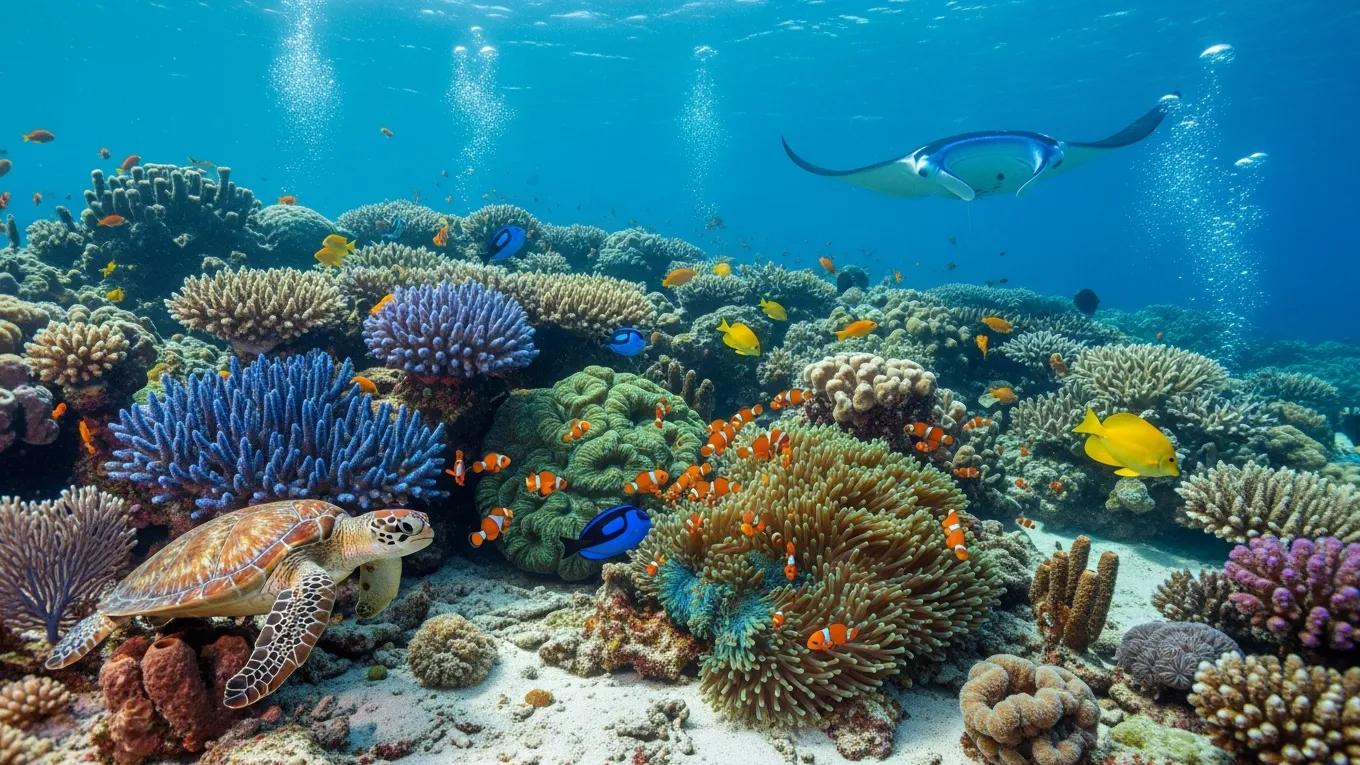
Marine biodiversity conservation is critical for sustaining the health of the planet and ensuring the resilience of ecosystems that provide vital services. The oceans cover over 70% of the Earth’s surface and are home to countless species, each playing unique roles in maintaining the balance of marine environments. However, these ecosystems face numerous threats that can jeopardize their viability for future generations. This article will explore the key threats to marine life, effective conservation strategies, and how individuals can contribute toward sustaining ocean health. We’ll delve into essential topics, including ocean pollution, sustainable fishing practices, marine protected areas, coral reef restoration, and everyday actions that promote marine conservation.
What Are the Key Threats Endangering Marine Life Today?
Marine ecosystems encounter several critical threats, impacting biodiversity and the overall health of oceans. These include overfishing, habitat destruction, pollution, climate change, and invasive species. Each of these factors contributes to weakened marine environments and diminishing populations of marine species, which can have far-reaching consequences for food security, coastal livelihoods, and global biodiversity.
How Does Ocean Pollution Impact Marine Biodiversity?
Ocean pollution poses a significant threat to marine life, as various pollutants can damage ecosystems and complicate species survival. Common types of pollution include plastic waste, oil spills, and nutrient runoff, all of which adversely affect marine species. For instance, marine mammals and sea turtles are often found entangled in plastic debris, leading to injury or death. Additionally, plastic ingestion can harm fish and seabirds through digestive blockages or toxic chemical exposure. Long-term exposure to these pollutants can result in population declines, highlighting the need for reduced plastic usage and improved waste management practices.
The increasing global challenge of plastic waste management underscores the severe impact on environmental health and marine ecosystems alike.
Plastic Waste Management: Challenges, Opportunities, and Pollution Mitigation
The present world is now facing the challenge of proper management and resource recovery of the enormous amount of plastic waste. Lack of technical skills for managing hazardous waste, insufficient infrastructure development for recycling and recovery, and above all, lack of awareness of the rules and regulations are the key factors behind this massive pile of plastic waste. The severity of plastic pollution exerts an adverse effect on the environment and total ecosystem.
Plastic waste: challenges and opportunities to mitigate pollution and effective management, MG Kibria, 2023
In What Ways Does Climate Change Affect Ocean Ecosystems?
Climate change significantly impacts ocean ecosystems through rising temperatures, ocean acidification, and changes in water circulation patterns. Increased sea temperatures can lead to coral bleaching, where stressed corals expel the symbiotic algae that provide them with color and nutrients. This not only jeopardizes the health of coral reefs, which house approximately 25% of marine life, but also affects the entire marine food web. Ocean acidification, caused by the absorption of excess atmospheric carbon dioxide, impairs the ability of shellfish and certain plankton species to form shells, thereby disrupting the marine food chain. Understanding these impacts is crucial for implementing effective climate action strategies to protect marine biodiversity.
Which Sustainable Fishing and Aquaculture Practices Protect Ocean Health?
Sustainable fishing and aquaculture are vital to ensuring the survival of marine species and maintaining healthy ocean ecosystems. By adopting responsible practices, we can reduce the negative impacts of fishing on marine biodiversity and promote ecosystem resilience.
What Are Effective Sustainable Fishing Techniques and Certifications?
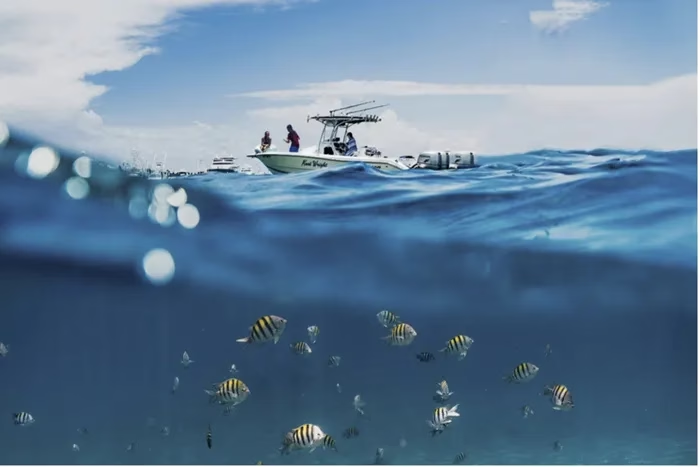
Effective sustainable fishing involves methods that minimize harm to non-target species and habitats. Techniques such as selective gear use, seasonal closures, and fishing quotas are essential in managing fish stocks effectively. Certifications, like the Marine Stewardship Council (MSC) label, help consumers identify ethically sourced seafood and encourage healthier fishing practices within the industry. Prioritizing these sustainable options fosters a culture of conservation and helps rebuild overexploited populations.
How Does Sustainable Aquaculture Contribute to Marine Conservation?
Sustainable aquaculture offers an alternative food source that can alleviate pressure on wild fish populations. By employing responsible farming practices, aquaculture can reduce habitat destruction and pollution associated with traditional fishing methods. Systems such as integrated multitrophic aquaculture support biodiversity by cultivating multiple species together, allowing for a balanced ecosystem. Additionally, aquaculture can provide economic benefits to coastal communities while conserving marine ecosystems, making it a crucial component of marine recovery efforts.
How Do Marine Protected Areas Help Preserve Ocean Biodiversity?
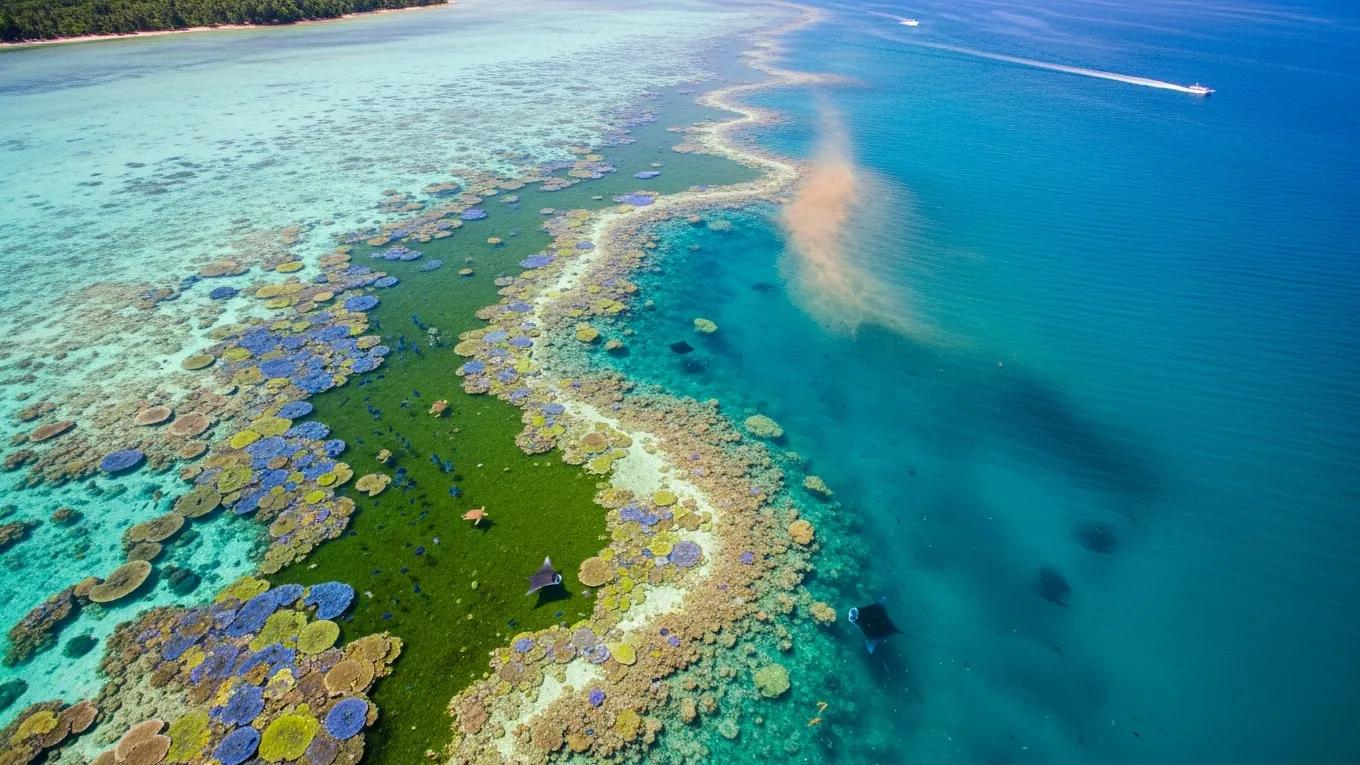
Marine Protected Areas (MPAs) play an essential role in the conservation of ocean biodiversity by restricting activities that can harm marine ecosystems. By creating safe spaces for marine life, MPAs enhance the resilience of ecosystems to climate change and other anthropogenic pressures.
What Are Examples of Successful Marine Protected Area Policies Worldwide?
Successful MPA policies have been implemented in various regions, demonstrating significant conservation benefits. For example, the Great Barrier Reef Marine Park in Australia has established protection measures resulting in the recovery of fish populations and coral communities. Additionally, the Papahānaumokuākea Marine National Monument in Hawaii protects vast areas of ocean, preserving unique biodiversity and cultural heritage. These examples underscore the importance of strategic policy implementation and community involvement in marine conservation efforts.
How Do Marine Protected Areas Support Climate Change Mitigation?
MPAs contribute to climate change mitigation by safeguarding ecosystems that sequester carbon and providing resilience against climate impacts. Healthy marine habitats, such as mangroves and seagrasses, are notable for their ability to store carbon effectively. Protecting these areas not only supports marine biodiversity but also enhances coastal defenses against storm surges and erosion, reinforcing the significant role that MPAs play in adapting to climate change.
Which Strategies Effectively Restore and Protect Coral Reef Ecosystems?
Coral reef ecosystems require specific restoration strategies to recover from damage caused by climate stressors and human activities. Effective measures incorporate both biological and ecological techniques aimed at improving coral resilience and biodiversity.
What Coral Reef Protection Methods Are Proven to Boost Resilience?
Methods to boost coral resilience include coral gardening, which involves cultivating coral fragments and transplanting them onto degraded reefs. Additionally, enhancing water quality by reducing nutrient runoff and controlling pollution directly benefits coral health. Utilizing artificial reefs can also provide structured habitats that foster biodiversity while supplementing natural recovery efforts in damaged areas.
How Do Coral Reefs Support Marine Biodiversity and Coastal Communities?
Coral reefs serve as vital ecosystems that support marine biodiversity and protect coastal communities by providing habitat for various organisms and acting as natural barriers against storms. They also contribute to local economies through tourism and fishing. Preserving coral reef health is crucial for the sustainability of both ecological systems and the livelihoods of communities that depend on these vibrant ecosystems.
What Practical Actions Can Individuals Take to Support Marine Conservation?
Individuals play a significant role in marine conservation through everyday actions that collectively impact ocean health. By adopting sustainable practices and advocating for ocean-friendly policies, we can contribute to the preservation of marine biodiversity.
How Can Reducing Plastic Use Help Ocean Pollution Solutions?
Reducing plastic use is one of the most effective ways individuals can combat ocean pollution. By opting for reusable bags, containers, and straws, we can minimize the volume of plastic waste entering our oceans. Additionally, participating in local clean-up efforts and supporting policies aimed at reducing plastic production can lead to significant improvements in marine health. Every small action contributes to a larger movement toward cleaner oceans.
What Are Daily Habits That Promote Ocean-Friendly Living?
Adopting daily habits that support sustainable living benefits marine ecosystems and promotes a healthier planet. These habits may include:
- Conserving water: Reducing water runoff and pollution by using water efficiently in households.
- Choosing sustainably sourced seafood: Opting for certified products helps protect overfished populations.
- Supporting local conservation initiatives: Engaging with community organizations focused on marine protection amplifies efforts for ocean health.
By integrating these habits into our daily routines, individuals can significantly impact the future of our oceans.
The challenge of preserving marine biodiversity is immense, but through conscious efforts at individual, community, and policy levels, we can ensure that these ecosystems thrive for generations to come.