Zero Waste Kitchen Essentials for Sustainable Living
Zero Waste Kitchen Essentials for Sustainable Living: Your Guide to Eco Friendly Kitchen Gadgets and Plastic Free Cooking Tools

By Roddy Scheer, E — The Environmental Magazine

Creating a zero waste kitchen is not just a trend; it’s a lifestyle choice that significantly impacts our environment. By adopting sustainable practices and utilizing eco-friendly kitchen essentials, individuals can reduce their carbon footprint and contribute to a healthier planet. This guide will explore the essential tools and practices that make up a zero waste kitchen, focusing on how these items can help minimize waste and promote sustainability. Readers will learn about various reusable products, composting methods, and practical tips for reducing kitchen waste. The article will cover essential items like reusable containers, “beeswax wraps”, and compost bins, as well as eco-friendly gadgets that support a sustainable lifestyle.

Further research emphasizes the comprehensive nature of zero-waste kitchen strategies in addressing waste management challenges within various sectors, including tourism.

Zero-Waste Kitchen: Strategies for Sustainable Waste Management

The restaurant industry in the tourism sector faces major challenges related to food waste and waste management, which can be detrimental both economically and environmentally. This study aims to explore the application of Zero-Waste Kitchen based on Circular Economy in sustainable tourism restaurants. The main objective of this study is to identify the challenges faced by restaurants in implementing this model, the best practices used, the role of technology, as well as the impact of government policies.

Zero-Waste Kitchen: Circular Economy-Based Kitchen Waste Management Strategy in Sustainable Tourism Restaurants, 2025

Zero Waste Kitchen Essentials

A zero waste kitchen is built on the foundation of reusability and sustainability. By incorporating essential items that minimize waste, individuals can significantly reduce their environmental impact. The following sections will delve into various zero waste kitchen essentials, highlighting their benefits and practical applications.

Reusable Containers

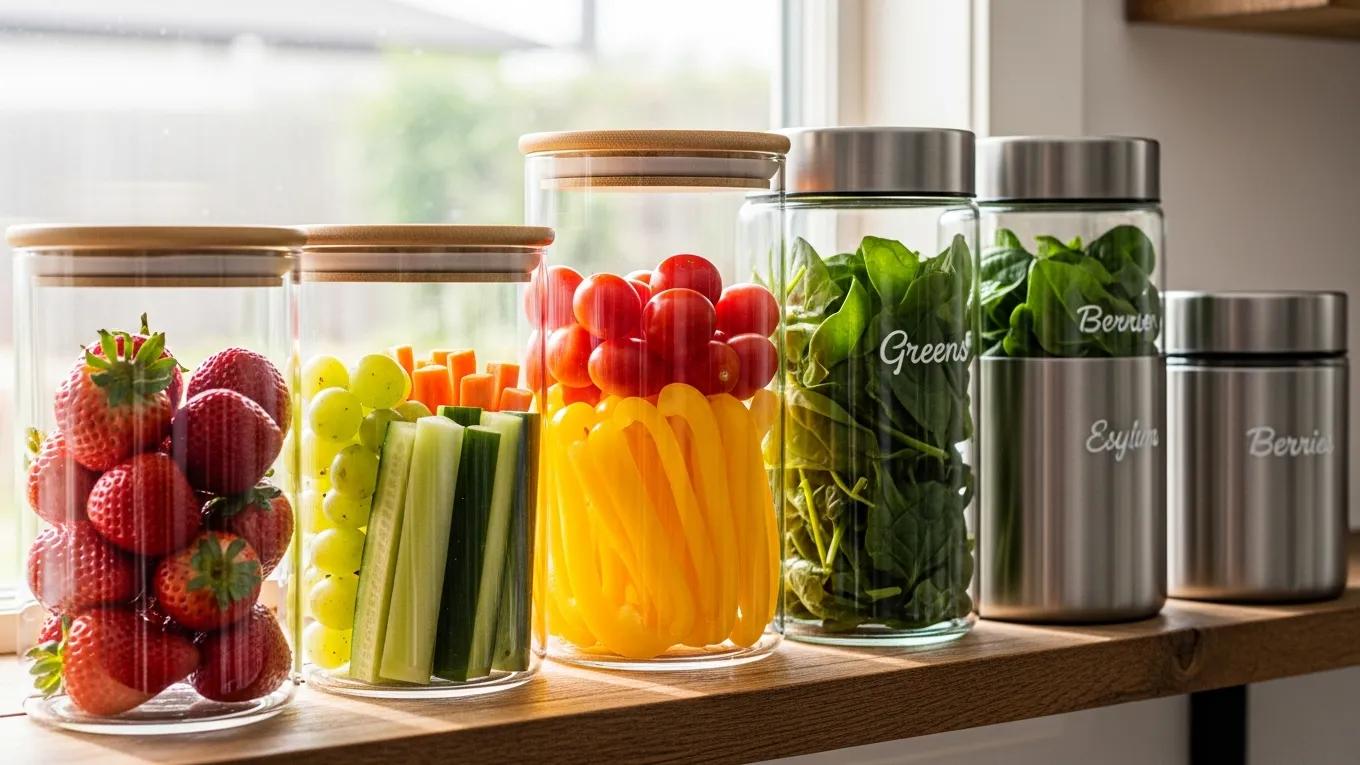
Colorful fruits and vegetables stored in glass and stainless steel reusable containers on a kitchen shelf

Reusable containers are a cornerstone of any zero waste kitchen. They come in various materials, including glass and stainless steel, providing safe and durable options for food storage. Glass containers are particularly popular due to their non-toxic nature and ability to withstand high temperatures, making them ideal for both storage and reheating. Stainless steel containers, on the other hand, are lightweight and resistant to rust, ensuring longevity and ease of use.

Using reusable containers not only reduces the need for single-use plastics but also promotes better food organization and storage efficiency. By investing in a variety of sizes, you can easily store leftovers, meal prep ingredients, or bulk purchases, minimizing food waste in the process.

Beeswax Wraps

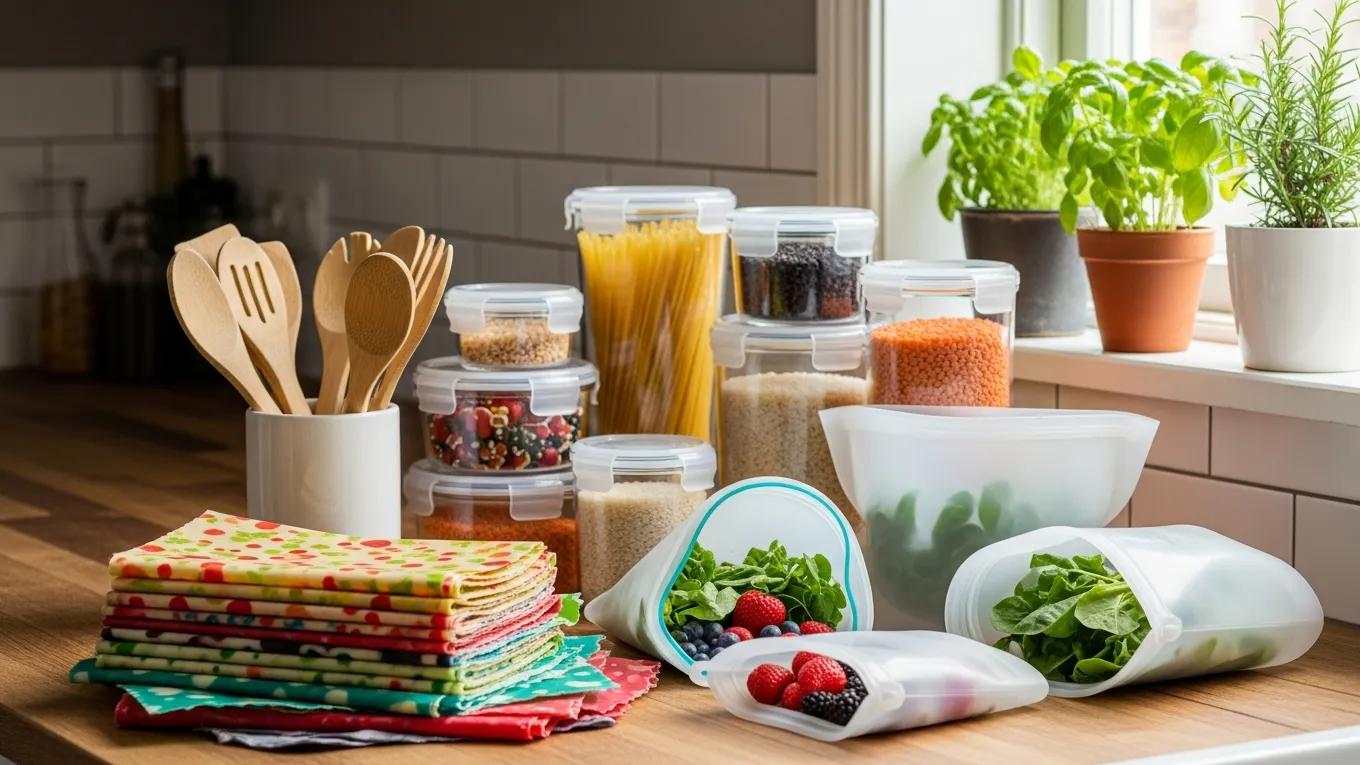
Beeswax wraps are an excellent alternative to plastic wrap, providing a sustainable way to keep food fresh. Made from organic cotton infused with beeswax, these wraps are reusable and compostable, making them a perfect fit for a zero waste kitchen. They can be molded around various food items, from fruits and vegetables to bowls and plates, creating a seal that keeps food fresh without the use of harmful plastics.

The benefits of “beeswax wraps” extend beyond their eco-friendliness; they are also easy to clean and can last for up to a year with proper care. By switching to beeswax wraps, you can significantly reduce your reliance on single-use plastic wraps, contributing to a healthier planet.

Research further supports the efficacy of beeswax wraps as a sustainable and reusable alternative to single-use plastics for food storage.

Beeswax Wraps: Sustainable Plastic-Free Food Storage

The project purpose was to explore sustainable and eco-friendly alternatives to single use plastics, which are harmful to the environment in both their production and their disposal. Food spoilage was compared in beeswax wrap, plastic sandwich bags, and plastic cling wrap, and spoilage was also observed in a washed beeswax wrap to determine its reusability.

Beeswax Wraps as an Alternative to Single-Use Plastics, 2023

Cloth Shopping Bags

Cloth shopping bags are a simple yet effective way to reduce plastic waste while shopping. Unlike their plastic counterparts, cloth bags are durable, reusable, and often made from sustainable materials. They can hold more weight and are less likely to tear, making them a practical choice for grocery shopping.

Using cloth shopping bags not only helps reduce plastic pollution but also encourages mindful consumption. By bringing your own bags, you can avoid the temptation of purchasing single-use plastic bags, further minimizing your environmental impact.

Compost Bin

Outdoor compost bin with compostable dish brushes and natural fiber cloths in a green garden setting

A compost bin is an essential tool for anyone looking to adopt a zero waste lifestyle. Composting allows you to recycle organic waste, such as fruit and vegetable scraps, into nutrient-rich soil for gardening. Setting up a compost bin is straightforward; you can choose from various types, including countertop composters or outdoor bins, depending on your space and needs.

The benefits of composting are numerous. It reduces the amount of waste sent to landfills, decreases greenhouse gas emissions, and enriches soil health. By composting, you not only contribute to a sustainable environment but also create a valuable resource for your garden.

Further studies highlight the importance of home composting as an effective method for household waste reduction, despite challenges in global adoption.

Home Composting for Household Waste Reduction

Home composting is an effective way to treat household waste, but global uptake remains low because of insufficient recognition and technical limits. This review aims to promote the understanding, popularization, and application of home composting by summarizing the facilities, process performance, and product quality, and to sum up the crucial technical limits and potential solve methods.

Home composting for onsite treatment of household organic solid waste: a review, W Luo, 2022

Bamboo Utensils

Bamboo utensils are a sustainable alternative to plastic cutlery and cooking tools. Bamboo is a fast-growing, renewable resource that requires minimal water and no pesticides, making it an eco-friendly choice. These utensils are durable, lightweight, and biodegradable, providing a practical solution for both cooking and dining.

Incorporating bamboo utensils into your kitchen not only reduces plastic waste but also adds a natural aesthetic to your cooking tools. They are easy to clean and can be used for various cooking tasks, from stirring to serving.

Reusable Produce Bags

Reusable produce bags are a fantastic way to reduce plastic waste when shopping for fruits and vegetables. These bags are typically made from lightweight, breathable materials that allow for proper ventilation, keeping your produce fresh for longer. By using reusable produce bags, you can eliminate the need for single-use plastic bags commonly found in grocery stores.

The convenience of reusable produce bags extends beyond their environmental benefits; they are also easy to wash and can be used repeatedly, making them a cost-effective choice for eco-conscious shoppers.

Cloth Napkins and Towels

Switching to cloth napkins and towels is a simple yet impactful way to reduce paper waste in the kitchen. Cloth napkins are reusable and can be washed and reused multiple times, significantly cutting down on the need for disposable paper products. They come in various designs and materials, allowing you to choose options that fit your kitchen decor.

Using cloth towels instead of paper towels not only reduces waste but also saves money in the long run. They are more absorbent and can handle spills and messes more effectively, making them a practical choice for any kitchen.

Safety Razors

Safety razors are a sustainable grooming alternative that can help reduce plastic waste from disposable razors. Unlike traditional razors, safety razors use replaceable blades, which significantly cuts down on plastic waste. They are designed to last for years, making them a cost-effective and eco-friendly choice for personal care.

By switching to a safety razor, you can enjoy a closer shave while contributing to a zero waste lifestyle. This small change in your grooming routine can have a significant impact on reducing plastic pollution.

Compostable Dish Brushes

Compostable dish brushes are an excellent addition to a zero waste kitchen. Made from natural materials like bamboo and plant fibers, these brushes are biodegradable and can be composted at the end of their life cycle. They effectively clean dishes without contributing to plastic waste.

Using compostable dish brushes not only supports a sustainable lifestyle but also ensures that your cleaning tools are free from harmful chemicals often found in plastic products. This choice promotes a healthier home environment while minimizing your ecological footprint.

Eco-Friendly Kitchen Gadgets

In addition to essential items, various eco-friendly kitchen gadgets can enhance your zero waste efforts. These gadgets are designed to reduce waste, save energy, and promote sustainable cooking practices.


Gadget Function Environmental Benefit
Energy-efficient appliances Reduce energy consumption Lower carbon footprint
Water filter pitchers Eliminate plastic water bottles Reduce plastic waste
Food processors Minimize food waste through meal prep Encourage bulk cooking

Investing in eco-friendly kitchen gadgets not only supports a sustainable lifestyle but also enhances your cooking experience. These tools can help you prepare meals more efficiently while reducing your environmental impact.

Practical Tips for Reducing Waste

Implementing a zero waste lifestyle in your kitchen requires practical strategies to minimize waste. Here are some effective tips to help you reduce waste in your kitchen:

  1. Meal Planning: Plan your meals for the week to avoid overbuying and wasting food.
  2. Bulk Shopping: Purchase items in bulk to reduce packaging waste and save money.
  3. Mindful Consumption: Be conscious of your purchases and opt for products with minimal packaging.

By adopting these practices, you can significantly reduce waste in your kitchen and contribute to a more sustainable lifestyle.

What Are the Best Zero Waste Kitchen Products for Sustainable Living?

When it comes to zero waste kitchen products, several items stand out for their effectiveness and sustainability. Here are some of the best options:

  1. Reusable Water Bottles: A great alternative to single-use plastic bottles, reusable water bottles help reduce plastic waste.
  2. Beeswax Wraps: These wraps are an eco-friendly substitute for plastic wrap, keeping food fresh without harming the environment.
  3. Cloth Shopping Bags: Durable and reusable, cloth shopping bags are essential for reducing plastic waste while shopping.

These products not only support a zero waste lifestyle but also promote sustainable living practices.

Which Eco Friendly Kitchen Gadgets Reduce Plastic Waste Most Effectively?

Several eco-friendly kitchen gadgets are designed specifically to minimize plastic waste. Here are some of the most effective options:

  1. Reusable Coffee Cups: These cups eliminate the need for disposable coffee cups, reducing plastic waste significantly.
  2. Compost Bins: Essential for recycling organic waste, compost bins help divert food scraps from landfills.
  3. Bamboo Toothbrushes: A sustainable alternative to plastic toothbrushes, bamboo toothbrushes are biodegradable and effective.

By incorporating these gadgets into your kitchen, you can make a significant impact on reducing plastic waste.

How Do Reusable Kitchen Products Compare to Single-Use Alternatives?

Reusable kitchen products offer numerous advantages over single-use alternatives. Here are some key comparisons:

  1. Environmental Impact: Reusable products significantly reduce waste and pollution compared to single-use items.
  2. Cost-Effectiveness: While the initial investment may be higher, reusable products save money in the long run by eliminating the need for constant replacements.
  3. Durability: Reusable products are often made from high-quality materials, ensuring they last longer than their single-use counterparts.

The benefits of switching to reusable kitchen products are clear, making them a smart choice for anyone looking to adopt a zero waste lifestyle.

How Can You Transition to a Plastic Free Kitchen with Sustainable Cooking Tools?

Transitioning to a plastic-free kitchen involves several steps to ensure a smooth and effective change. Here are some practical tips:

  1. Assess Your Current Supplies: Conduct a thorough inventory of your kitchen items and identify plastic products that can be replaced.
  2. Make Simple Swaps: Gradually replace plastic items with sustainable alternatives, such as glass containers and bamboo utensils.
  3. Educate Yourself: Stay informed about sustainable practices and products to make informed choices.

By following these steps, you can successfully transition to a plastic-free kitchen and embrace a more sustainable lifestyle.

What Are the Essential Steps to Adopt Reusable and Compostable Kitchen Supplies?

Adopting reusable and compostable kitchen supplies requires a strategic approach. Here are the essential steps to get started:

  1. Conduct a Trash Audit: Analyze your waste to identify areas where you can reduce plastic and single-use items.
  2. Make Simple Swaps: Replace disposable items with reusable alternatives, such as cloth napkins and stainless steel straws.
  3. Shop Smarter: Choose products with minimal packaging and prioritize sustainable brands.

These steps will help you create a more sustainable kitchen while minimizing waste.

Which Sustainable Kitchen Tools Are Easy to Integrate into Daily Cooking?

Several sustainable kitchen tools are easy to incorporate into your daily cooking routine. Here are some options:

  1. Bamboo Utensils: Lightweight and durable, bamboo utensils are perfect for cooking and serving.
  2. Silicone Baking Mats: These mats replace disposable parchment paper, making baking more sustainable.
  3. Stainless Steel Straws: A reusable alternative to plastic straws, stainless steel straws are easy to clean and durable.

Integrating these tools into your kitchen can enhance your cooking experience while supporting a zero waste lifestyle.

What Are the Benefits of Using Compostable Kitchen Supplies and Materials?

Using compostable kitchen supplies and materials offers several benefits, including:

  1. Decomposition Process: Compostable items break down naturally, returning nutrients to the soil and reducing landfill waste.
  2. Impact on Waste Reduction: By choosing compostable products, you can significantly decrease the amount of waste generated in your kitchen.
  3. Environmental Benefits: Composting helps improve soil health and supports sustainable agriculture practices.

These benefits highlight the importance of incorporating compostable materials into your kitchen.

How Do Compostable Sponges and Utensils Decompose and Impact Waste Reduction?

Compostable sponges and utensils are designed to break down naturally, contributing to waste reduction. Here’s how they work:

  1. Decomposition Process: Compostable items decompose within a few months in a composting environment, unlike plastic, which can take hundreds of years.
  2. Impact on Landfill Waste: By using compostable products, you can divert waste from landfills, reducing the overall environmental impact.
  3. Nutrient Recycling: As compostable items break down, they return valuable nutrients to the soil, promoting healthy plant growth.

Understanding the decomposition process of compostable products emphasizes their role in a zero waste kitchen.

Why Choose Bamboo and Natural Fibers for Sustainable Kitchenware?

Bamboo and natural fibers are excellent choices for sustainable kitchenware due to their numerous benefits:

  1. Biodegradability: Bamboo and natural fiber products break down naturally, reducing plastic waste in landfills.
  2. Sustainability: Bamboo is a fast-growing resource that requires minimal water and no pesticides, making it an eco-friendly option.
  3. Health Safety: Natural materials are free from harmful chemicals often found in plastic products, ensuring a safer cooking environment.

Choosing bamboo and natural fibers for kitchenware supports a sustainable lifestyle while promoting health and safety.

Which Eco Friendly Kitchen Gadgets and Reusable Products Are Recommended?

When it comes to eco-friendly kitchen gadgets and reusable products, several options stand out for their effectiveness and sustainability:

  1. Reusable Water Bottles: Essential for reducing plastic waste, reusable water bottles are a must-have for any eco-conscious kitchen.
  2. Beeswax Wraps: A sustainable alternative to plastic wrap, beeswax wraps keep food fresh without harming the environment.
  3. Cloth Shopping Bags: Durable and reusable, cloth shopping bags are essential for reducing plastic waste while shopping.

These recommended products not only support a zero waste lifestyle but also enhance your cooking experience.

What Are the Top Rated Beeswax Wraps and Reusable Food Storage Options?

When selecting beeswax wraps and reusable food storage options, consider the following top-rated products:

  1. Beeswax Wraps: Look for wraps made from organic cotton and natural beeswax for optimal performance and sustainability.
  2. Glass Storage Containers: High-quality glass containers with airtight lids are perfect for storing leftovers and meal prep ingredients.
  3. Silicone Food Bags: Reusable silicone bags are versatile and can be used for storing snacks, sandwiches, and more.

Choosing these top-rated options ensures that you are investing in effective and sustainable kitchen products.

How Do Sustainable Meal Prep Containers Support Zero Waste Goals?

Sustainable meal prep containers play a crucial role in supporting zero waste goals by:

  1. Material Choices: Opting for glass or stainless steel containers reduces reliance on plastic and promotes sustainability.
  2. Encouraging Meal Planning: Meal prep containers make it easier to plan and prepare meals in advance, reducing food waste.
  3. Impact on Waste Reduction: By using reusable containers, you can significantly decrease the amount of single-use packaging waste generated in your kitchen.

These factors highlight the importance of incorporating sustainable meal prep containers into your kitchen routine.

How Does Reducing Kitchen Waste Impact Climate Change and Sustainability?

Reducing kitchen waste has a profound impact on climate change and sustainability. Here are some key points:

  1. Greenhouse Gas Emissions: Food waste contributes to greenhouse gas emissions when it decomposes in landfills, releasing methane, a potent greenhouse gas.
  2. Resource Conservation: By minimizing waste, we conserve valuable resources such as water, energy, and raw materials used in food production.
  3. Soil Health: Composting organic waste enriches soil health, promoting sustainable agriculture and reducing the need for chemical fertilizers.

Understanding the connection between kitchen waste reduction and climate change emphasizes the importance of adopting sustainable practices.

What Recent Statistics Show the Environmental Benefits of Zero Waste Kitchens?

Recent statistics highlight the environmental benefits of adopting a zero waste kitchen:

  1. Global Waste Statistics: Approximately one-third of all food produced globally is wasted, contributing to significant environmental harm.
  2. Impact of Reusable Products: Studies show that using reusable products can reduce plastic waste by up to 80%.
  3. Consumer Trends: A growing number of consumers are prioritizing sustainable products, with 70% willing to pay more for eco-friendly options.

These statistics underscore the importance of transitioning to a zero waste kitchen for both environmental and economic reasons.

How Does Kitchen Waste Reduction Contribute to Lowering Household Carbon Footprints?

Reducing kitchen waste is a key strategy for lowering household carbon footprints. Here’s how:

  1. Landfill Reduction: By minimizing waste, households can significantly decrease the amount of waste sent to landfills, reducing methane emissions.
  2. Efficient Resource Use: Reducing waste promotes more efficient use of resources, leading to lower energy consumption and reduced carbon emissions.
  3. Community Engagement: Engaging in waste reduction practices fosters a sense of community and encourages others to adopt sustainable habits.

These factors illustrate the critical role of kitchen waste reduction in combating climate change.

What Are Practical Kitchen Waste Reduction Techniques for Everyday Use?

Implementing practical techniques for reducing kitchen waste can make a significant difference. Here are some effective strategies:

  1. Conducting a Trash Audit: Analyze your waste to identify areas for improvement and develop a plan to reduce waste.
  2. Meal Planning: Plan meals in advance to avoid overbuying and wasting food.
  3. Mindful Purchasing: Be conscious of your purchases and opt for products with minimal packaging.

By adopting these techniques, you can effectively reduce waste in your kitchen and contribute to a more sustainable lifestyle.

How Can You Implement Composting and Recycling in Your Kitchen?

Implementing composting and recycling in your kitchen is essential for reducing waste. Here are some steps to get started:

  1. Composting Methods: Choose a composting method that suits your space, such as a countertop composter or an outdoor bin.
  2. Preparing Recyclables: Ensure that recyclables are clean and properly sorted to avoid contamination.
  3. Reducing Contamination: Educate yourself and your family about what can and cannot be recycled to minimize contamination.

By following these steps, you can effectively implement composting and recycling practices in your kitchen.

Which Habits Help Minimize Food and Packaging Waste Effectively?

Adopting specific habits can significantly minimize food and packaging waste in your kitchen. Here are some effective practices:

  1. Conducting a Trash Audit: Regularly assess your waste to identify areas for improvement.
  2. Adopting the 5 Rs: Focus on Refusing, Reducing, Reusing, Recycling, and Rotting to minimize waste.
  3. Making Simple Swaps: Replace disposable items with reusable alternatives to reduce waste.

These habits can help you create a more sustainable kitchen and contribute to a zero waste lifestyle.

Where Can You Source Sustainable and Plastic Free Kitchen Essentials Regionally?

Sourcing sustainable and plastic-free kitchen essentials can be done through various channels. Here are some options:

  1. Local Sources: Check local farmers’ markets and co-ops for fresh produce and sustainable products.
  2. Online Retailers: Many online retailers specialize in eco-friendly products, making it easy to find sustainable kitchen essentials.
  3. Verification of Sustainability: Research brands to ensure they prioritize sustainability and ethical practices.

By sourcing sustainable products, you can support local businesses and contribute to a healthier planet.

What Are the Best Local and Online Sources for Eco Friendly Kitchen Products?

Finding the best sources for eco-friendly kitchen products is essential for building a sustainable kitchen. Here are some recommendations:

  1. Local Businesses: Support local shops that offer sustainable kitchen products and zero waste options.
  2. Online Marketplaces: Explore online platforms that specialize in eco-friendly products, providing a wide range of options.
  3. Sustainability Credentials: Look for brands that have certifications or eco-labels to ensure their products meet sustainability standards.

These sources can help you find high-quality, eco-friendly kitchen products that align with your values.

How to Verify Sustainability Credentials When Purchasing Kitchen Tools?

Verifying sustainability credentials is crucial when purchasing kitchen tools. Here are some steps to ensure you make informed choices:

  1. Research Brands: Investigate the brands you are considering to understand their sustainability practices and values.
  2. Check for Eco-Labels: Look for recognized eco-labels that indicate a product meets specific sustainability criteria.
  3. Assess Company Practices: Evaluate the company’s overall commitment to sustainability, including sourcing, manufacturing, and packaging practices.

By following these steps, you can confidently choose sustainable kitchen tools that align with your values.

Are Reusable Kitchen Tools Really Sustainable and Durable?

Reusable kitchen tools are designed to be sustainable and durable, offering several advantages:

  1. Durability: High-quality reusable tools are built to last, reducing the need for frequent replacements.
  2. Cost-Effectiveness: While the initial investment may be higher, reusable tools save money in the long run by eliminating the need for single-use items.
  3. Environmental Impact: By reducing waste, reusable tools contribute to a more sustainable kitchen and a healthier planet.

These factors highlight the importance of investing in reusable kitchen tools for a zero waste lifestyle.

Which Materials Are Best for Long-Lasting Eco Friendly Kitchenware?

When selecting eco-friendly kitchenware, certain materials stand out for their sustainability and durability. Here are some of the best options:

  1. Bamboo: A fast-growing, renewable resource that is biodegradable and requires minimal water.
  2. Glass: Non-toxic and recyclable, glass is an excellent choice for food storage and cooking.
  3. Stainless Steel: Durable and resistant to rust, stainless steel is a long-lasting option for kitchen tools.

Choosing these materials ensures that your kitchenware is both sustainable and effective in supporting a zero waste lifestyle.