






Are Pesticides Worth It? Trading Off Human Health For Less Bugs
Dear EarthTalk: What does the science say about how common pesticides affect human health?
—Jay Jackson, New York, NY
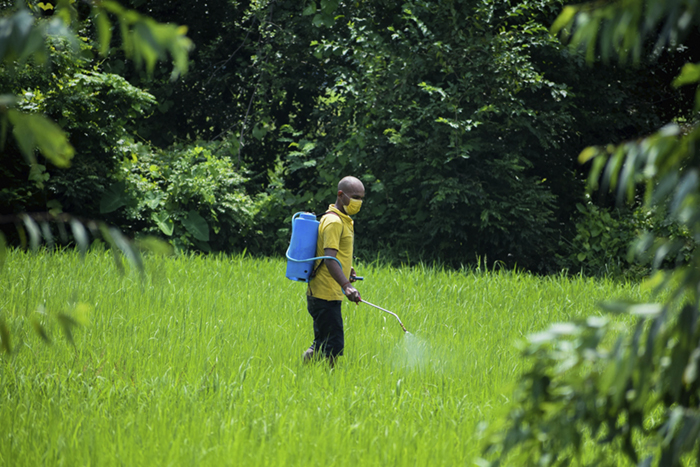
Pesticides are used to control the spread of or eliminate pests in the agricultural field. The primary purpose of using them is to control invasive species that can impact crop growth. By using pesticides, crop yield is increased, leading to a higher supply of a particular crop. Some of the most commonly used pesticides are herbicides, insecticides and fungicides (to control plants, insects and fungi, respectively).
While pesticides have benefits in the agricultural industry in increasing crop yield, pesticides are not only harmful to pests; they can harm humans as well. “Early symptoms of pesticide exposure can include headaches, nausea, dizziness and respiratory secretion,” says Michelle Perro, founder of GMOScience, a non-profit which facilitates discussion among physicians about the impact of genetically modified crops.
Prolonged exposure to pesticides can also lead to skin and eye irritation. Additionally, more serious conditions linked to pesticide exposure include cancer and neurological disorders.
Several studies have been conducted that back the idea that pesticides have detrimental effects on human health. A study conducted by the National Institutes of Health (NIH) after reviewing the prominence of pesticides and the impact of pesticide residue asserts that exposure to pesticides is indeed a health concern, especially for farmers. Gabriel Counsens, a homeopath and author, says there is “suggestive evidence that the use of pesticides…increas[es] the incidence of Parkinson’s disease up to seven times.”
Pesticides can harm us in many ways. In 2014, there was a case of pesticide poisoning in the Bordeaux region of France. There, 23 schoolkids experienced nausea, headaches and skin irritation after fungicides were sprayed in vineyards near their school. Pesticide traces in water and food are also common.
There have been efforts to regulate the use of pesticides to mitigate their impact on human health and the environment. The U.S. Environmental Protection Agency (EPA) has regulations in place to assess the risk of various pesticides. Agreements like the Rotterdam Convention, a treaty among countries engaged in the trade of harmful chemicals, also promote responsible pesticide management.
Consumers can also play a role in pesticide impact mitigation. By thoroughly washing produce, we can lower the chances of exposure. Additionally, by supporting sustainable practices and Integrated Pest Management, we can advocate for a shift to an agricultural industry with fewer pesticides. Finally, by supporting organizations such as the Pesticide Action Network and local pesticide regulation organizations, we can educate ourselves and advocate for more sustainable practices.
CONTACTS
EarthTalk® is produced by Roddy Scheer & Doug Moss for the 501(c)3 nonprofit EarthTalk. See more at https://emagazine.com. To donate, visit https://earthtalk.org. Send questions to: question@earthtalk.org.