Good Growing Bad Food

A review of The Revolution Will Not Be Microwaved by Sandor Ellix Katz

While we’ve grown comfortably accustomed to having whatever food we want, during any season and at any hour, Sandor Ellix Katz, author of The Revolution Will Not Be Microwaved (Chelsea Green Publishing Company, $20), says that that convenience comes at a substantial cost. Katz questions whether food produced in grand scale by major corporations like Monsanto really is more efficient. He says that supporting local farmers could make small-time farming a viable occupation again. And while farmer’s markets and community-supported agriculture are both on the rise, Katz notes that transitioning to local, seasonal eating will mean we have to "reorient our tastes and our habits." But, he assures, "We can learn to love what grows abundantly and easily around us." This book delves deep into the ethical dilemmas surrounding current food production and consumption—the fact that corporate conglomerates control the seed supply, the dangers of factory farming, the nutritional loss caused by pasteurization and irradiation. It also spends equal time teaching a better way to grow and eat: creating land trusts and building urban gardens, eating raw and participating in the slaughter of animals if you plan to eat them. Each chapter ends with a list of "Action and Information Resources" and contains relevant recipes for treats like flax crackers and "savory vegetable strudel" (with or without cannabis). —Brita Belli


Book cover of "The Revolution Will Not Be Microwaved" by Sandor Ellix Katz, featuring a loaf of bread wrapped in a colorful polka-dot cloth, emphasizing themes of sustainable food movements and local eating.

Book cover of "Capitalism 3.0: A Guide to Reclaiming the Commons" by Peter Barnes, featuring a coin and colorful title, relevant to discussions on ethical food production and sustainable living.

Elderly farmer sitting on a wooden crate, surrounded by agricultural equipment, illustrating themes of local farming and sustainable food practices from Sandor Ellix Katz's book review.

High Tech Trash book cover featuring tangled electronic waste and wires, highlighting environmental issues related to digital devices and human health.

Book cover of "Carnivorous Nights: On the Trail of the Tasmanian Tiger" by Margaret Mittelbach, featuring an illustration of a Tasmanian tiger's hindquarters and tail, emphasizing themes of wildlife and conservation.

Book cover of "The Citizen Powered Energy Handbook" by Greg Pahl, featuring a blue sky background and emphasizing community solutions to global energy crises, relevant to discussions on sustainable living and ethical food practices.

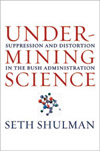
Book cover of "Undermining Science" by Seth Shulman, discussing themes of suppression and distortion in the Bush administration, relevant to environmental and ethical issues in food production.

Illustration of a night sky filled with stars, featuring a dog gazing upward, symbolizing the connection between nature and the themes of local and seasonal eating in Sandor Ellix Katz's book 'The Revolution Will Not Be Microwaved.'