



Circular Economy Benefits: 10 Advantages for Business & Planet
10 Essential Benefits of the Circular Economy for Business & Planet
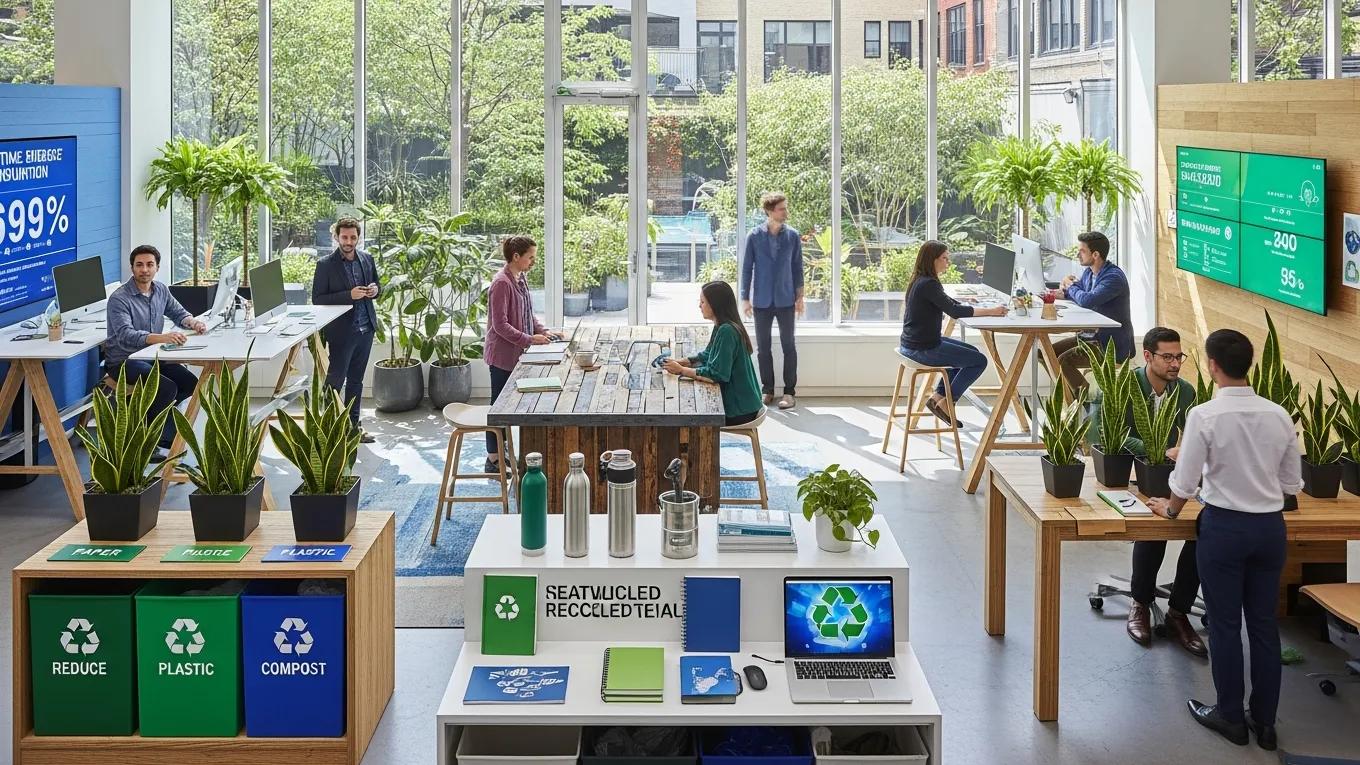
The circular economy represents a transformative approach to production and consumption, emphasizing sustainability and resource efficiency. This model seeks to minimize waste and make the most of available resources, creating a system where products are reused, repaired, and recycled. As businesses and individuals increasingly recognize the importance of sustainable practices, understanding the benefits of a circular economy becomes essential. This article explores ten key advantages of adopting circular economy principles, highlighting their positive impacts on both businesses and the planet. From reducing environmental footprints to fostering innovation, the circular economy offers a pathway to a more sustainable future. We will delve into the environmental, economic, and social benefits, as well as practical strategies for implementation.
What Are the Environmental Advantages of a Circular Economy?
The environmental advantages of a circular economy are profound, focusing on waste reduction, resource conservation, and climate change mitigation. By rethinking how we produce and consume goods, this model significantly lessens the strain on natural resources and minimizes environmental degradation. The circular economy promotes a sustainable approach that not only benefits businesses but also contributes to the health of our planet.
How Does Circular Economy Reduce Waste and Promote Resource Conservation?
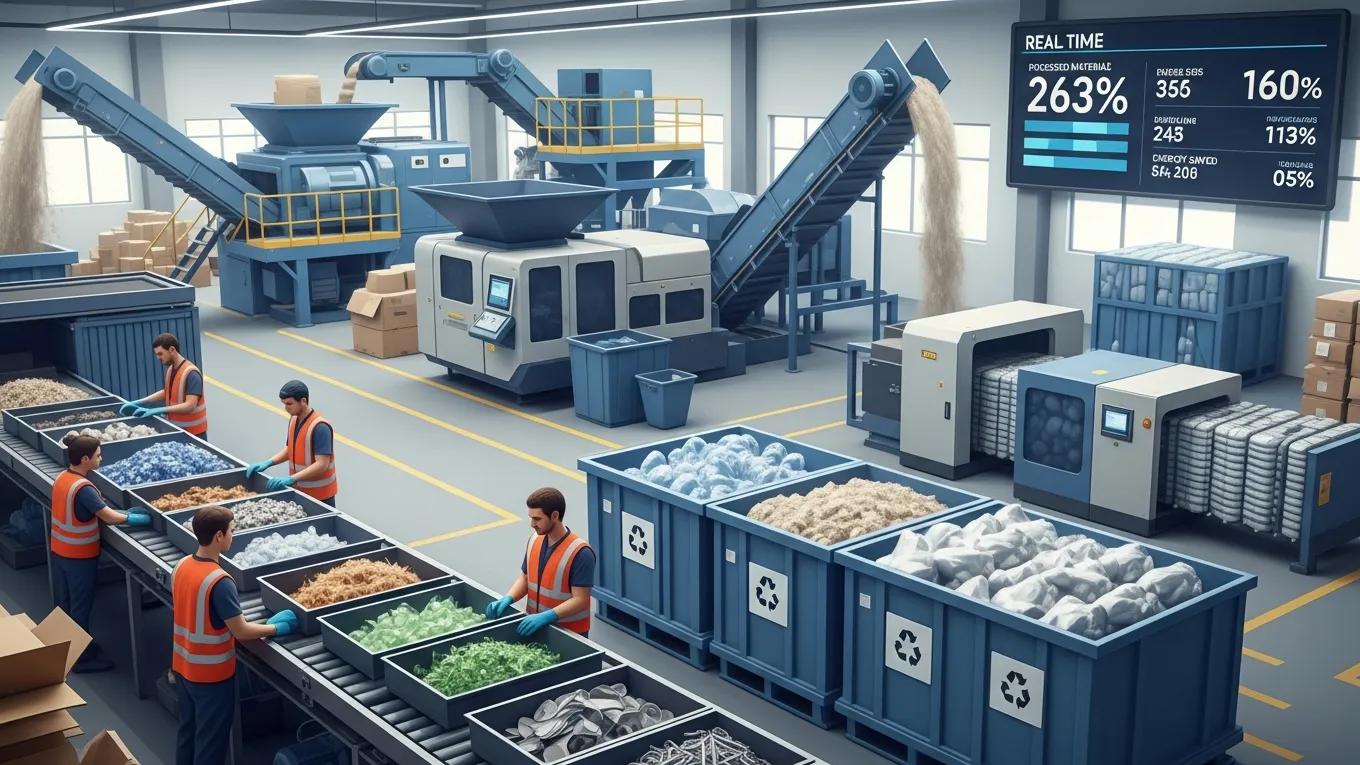
The circular economy reduces waste by encouraging practices such as recycling, reusing, and refurbishing products. For instance, companies can implement recycling processes that not only divert waste from landfills but also save energy and resources. Community engagement in recycling initiatives further amplifies these benefits, fostering a culture of sustainability. By prioritizing resource conservation, businesses can significantly lower their environmental impact while also reducing operational costs.
What Role Does Climate Change Mitigation Play in Circular Models?
Climate change mitigation is a critical component of circular economy practices. By reducing greenhouse gas emissions through sustainable production methods and resource efficiency, businesses can contribute to global efforts against climate change. The adoption of circular models leads to long-term environmental benefits, such as improved air and water quality, which are essential for a sustainable future. This proactive approach not only addresses immediate environmental concerns but also supports the resilience of ecosystems.
Circular Economy Strategies for Climate Change & Waste Reduction
1. Global industrialization and excessive dependence on nonrenewable energy sources have led to an increase in solid waste and climate change, calling for strategies to implement a circular economy in all sectors to reduce carbon emissions by 45% by 2030, and to achieve carbon neutrality by 2050. Here we review circular economy strategies with focus on waste management, climate change, energy, air and water quality, land use, industry, food production, life cycle assessment, and cost-effective routes.
Circular economy strategies for combating climate change and other environmental issues, M Yang, 2030
How Does the Circular Economy Impact Business Economics?
The circular economy has a significant impact on business economics, offering various cost savings and economic benefits. By embracing circular principles, companies can enhance their operational efficiency and create new revenue streams. This shift not only improves profitability but also positions businesses favorably in a competitive market increasingly focused on sustainability.
What Cost Savings and Economic Benefits Do Businesses Gain?

Businesses that adopt circular economy practices often experience substantial cost savings. Operational cost reductions can be achieved through improved resource efficiency and waste management. Additionally, companies can explore new revenue streams by offering refurbished products or engaging in product-as-a-service models. These economic benefits not only enhance profitability but also attract eco-conscious consumers who prioritize sustainability in their purchasing decisions.
How Do Circular Economy Business Models Drive Innovation and Growth?
Circular economy business models are a catalyst for innovation and growth. By rethinking traditional practices, companies can develop innovative solutions that meet the demands of a changing market. For example, businesses can invest in sustainable technologies and practices that not only reduce their environmental impact but also enhance their market position. This focus on innovation fosters long-term growth potential, ensuring that companies remain competitive in an evolving landscape.
Circular Economy: Fostering Sustainable Economic Growth & Innovation
1. The circular economy concept is a novel economic model aiming to foster sustainable economic growth, boost global competitiveness, and generate new jobs. In order to make the circular economy mainstream, radical and systemic innovation is needed. Currently, a majority of the business modelling tools and methods lack at least some of the identified and needed elements for innovating business models in a circular economy.
A framework for sustainable circular business model innovation, M Antikainen, 2016
What Social and Community Benefits Arise from Circular Economy Practices?
The social and community benefits of circular economy practices are significant, contributing to job creation and community engagement. By prioritizing sustainability, businesses can support local economies and foster a sense of social responsibility. This approach not only enhances community well-being but also strengthens the social fabric of society.
How Does Circular Economy Create Jobs and Support Communities?
Circular economy initiatives can lead to job creation in various sectors, including recycling, repair, and sustainable product design. For instance, as businesses shift towards more sustainable practices, they often require skilled workers to implement these changes. Community support initiatives, such as local recycling programs, further enhance job opportunities and economic stability. The economic impact on local communities can be profound, fostering resilience and growth.
What Are the Broader Social Impacts of Sustainable Business Strategies?
Sustainable business strategies rooted in the circular economy have broader social implications, including improved community health and social equity. By reducing pollution and promoting sustainable practices, businesses contribute to healthier environments for their communities. Furthermore, these strategies can help bridge social divides by creating equitable access to resources and opportunities, ultimately leading to long-term societal benefits.
How Can Businesses Implement Circular Economy Models Effectively?
Implementing circular economy models requires strategic planning and a commitment to sustainability. Businesses can adopt step-by-step strategies that facilitate the transition to circular practices. By engaging stakeholders and leveraging policy support, companies can effectively integrate circular principles into their operations.
What Step-by-Step Strategies Support Circular Business Adoption?
To support circular business adoption, companies can follow several key strategies:
- Conduct Sustainability Audits: Assess current practices to identify areas for improvement.
- Engage in Policy Advocacy: Collaborate with policymakers to create supportive regulatory frameworks.
- Invest in Technology: Utilize innovative technologies that enhance resource efficiency and waste reduction.
These strategies provide a roadmap for businesses looking to embrace circular economy principles and drive sustainable change.
How Do Policy Support and Sustainable Supply Chains Facilitate Implementation?
Policy support plays a crucial role in facilitating the implementation of circular economy practices. Regulatory frameworks that promote sustainability can incentivize businesses to adopt circular models. Additionally, sustainable supply chains contribute to environmental goals by ensuring that resources are sourced responsibly and waste is minimized. Collaboration with suppliers and stakeholders is essential for creating a cohesive approach to circularity.
What Are Recent Case Studies and Trends in Circular Economy Adoption?
Recent trends and case studies highlight the growing adoption of circular economy practices across various industries. As businesses recognize the benefits of sustainability, they are increasingly implementing innovative solutions that align with circular principles. These examples provide valuable insights into the effectiveness of circular economy strategies.
What Do Recent Data Reveal About Circular Economy Impact?
Recent data indicates a significant positive impact of circular economy practices on businesses and the environment. Companies that have adopted circular models report improved financial performance, reduced waste, and enhanced customer loyalty. This data underscores the importance of transitioning to a circular economy for long-term sustainability.
How Are Leading Organizations Advancing Circular Economy Practices?
Leading organizations are at the forefront of advancing circular economy practices through innovative approaches and successful case studies. By sharing best practices and lessons learned, these organizations inspire others to embrace sustainability. Their commitment to circularity not only benefits their bottom line but also contributes to a more sustainable future for all.
How Does Circular Economy Enhance Resource Efficiency and Waste Reduction?
The circular economy enhances resource efficiency and waste reduction by promoting practices that prioritize sustainability. By designing products for longevity and encouraging resource recovery, businesses can significantly reduce their environmental impact. This approach not only benefits the planet but also supports economic growth.
What Are Closed Loop Systems and Their Benefits?
Closed loop systems are a fundamental aspect of the circular economy, focusing on the continuous use of resources. These systems minimize waste by ensuring that products are reused, repaired, or recycled at the end of their life cycle. The benefits of closed loop systems include reduced resource consumption, lower environmental impact, and enhanced sustainability.
How Do Sustainable Supply Chains Contribute to Environmental Goals?
Sustainable supply chains play a vital role in achieving environmental goals within the circular economy. By prioritizing sustainable sourcing and waste reduction practices, businesses can enhance their overall sustainability. Collaboration with suppliers and stakeholders is essential for creating a cohesive approach to circularity, ensuring that resources are managed responsibly.
What Economic Impacts Result from Adopting Circular Economy Principles?
Adopting circular economy principles has significant economic impacts, influencing business profitability and market positioning. By embracing sustainability, companies can enhance their competitive advantage and drive long-term growth.
How Does Circular Economy Influence Business Profitability and Market Position?
The circular economy positively influences business profitability by reducing operational costs and creating new revenue streams. Companies that prioritize sustainability often experience increased market share as consumers increasingly favor eco-friendly products. This shift in consumer preferences underscores the importance of adopting circular principles for long-term success.
What New Business Models Emerge from Circular Economy Adoption?
Circular economy adoption gives rise to innovative business models that prioritize sustainability. Examples include product-as-a-service models, where companies retain ownership of products and offer them as services. These models not only reduce waste but also create new opportunities for businesses to engage with customers and enhance their sustainability efforts.
How Do Green Business Strategies Align with Circular Economy Benefits?
Green business strategies align closely with the benefits of the circular economy, emphasizing sustainability and resource efficiency. By integrating these strategies, businesses can enhance their overall impact and contribute to a more sustainable future.
What Are Effective Green Strategies for Sustainable Growth?
Effective green strategies for sustainable growth include:
- Renewable Energy Adoption: Transitioning to renewable energy sources reduces carbon footprints.
- Sustainable Sourcing: Prioritizing environmentally friendly materials supports resource conservation.
- Waste Reduction Strategies: Implementing practices that minimize waste enhances overall sustainability.
These strategies not only benefit the environment but also position businesses favorably in a competitive market.
How Do Businesses Measure and Monitor Circular Economy Success?
Measuring and monitoring success in the circular economy involves establishing key performance indicators (KPIs) that align with sustainability goals. Businesses can utilize various monitoring tools to track progress and identify areas for improvement. Regular audits and assessments ensure that companies remain on track in their circular economy journey.