



How Smarter Waste Handling Is Reshaping Urban Living
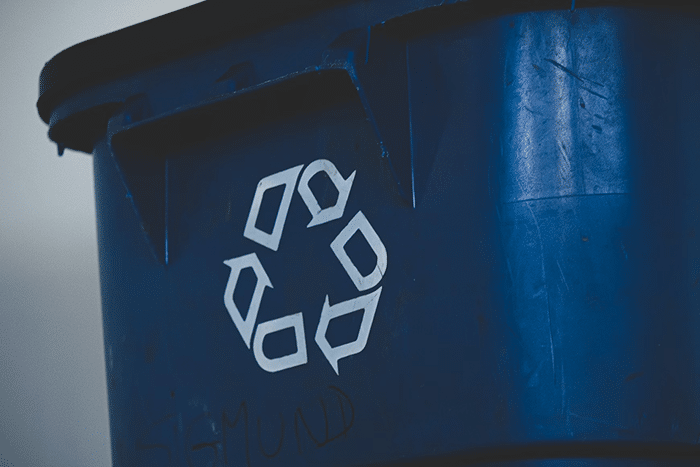
It’s not everyone’s favorite topic to discuss, but it’s been the elephant in the room since the dawn of civilization: What should we do with our waste?
To be fair, it has stumped some of the greatest thinkers throughout history.
The ancient Romans often just threw their garbage in the streets, hoping that weather, varmints, or vagabonds would haul it off for them. During the industrial revolution, cities didn’t do much better, frequently dumping slag and other solid waste into vacant lots or waterways.
In 2026, however, when it is more stylish to discuss energy efficient buildings and biophilic living, it would be remiss to omit the conversation on smart waste removal. Keep reading as we take a look at how modern waste handling is revolutionizing urban developments!
Modern Waste Receptacles
Trash cans.
Who woulda thunk it?
We’ve reached the point in design evolution where garbage bins are improving the quality of life for the communities they serve.
And to be fair, calling them “trash cans” is a bit of a slur these days. They are so much more than that.
Many bins are now “smart.” Sensors detect fill levels. Automated processes compact waste. Sanitation professionals can receive key data in real time to make informed decisions. Some efficiencies include:
- Optimized collection routes
- Postponing unnecessary pick ups
- Cost reductions through reduced fuel expense and vehicle wear
For the communities they serve, there is less disruption to daily life. We all love and appreciate our pickup people (and they are thankful for the holiday tips!) but having the garbage truck blocking the alley to work–especially when a pick up is not needed–is nobody’s favorite way to start the day.
Moreover, it isn’t just “smart” technology that is changing the receptacle game. Bear-aware lids and pest-resistant openings protect local ecosystems. Modern odor control systems manage foul smells. Thoughtful labeling. Color coding. Strategic placement. Each works to nudge citizens into more eco-conscious behavior, facilitating the separation of recycling and compost products from standard waste materials.
Smart Collection Systems
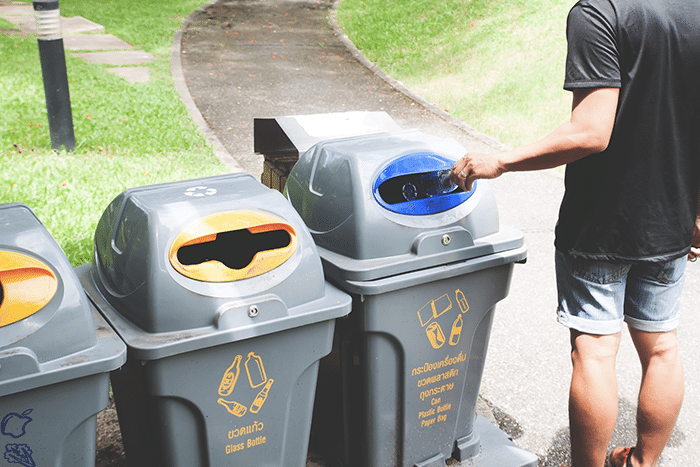
Adding to the aforementioned efficiencies of smart waste collection.
Trash collection is no longer a reactive process. There are no more rigid pick up schedules. Smart waste removal is directly improving the urban experience for millions of Americans by creating cleaner, more reliable public spaces. Bins are emptied before they overflow. Streets and transit areas stay cleaner; parks remain pristine. Faster response to full or malfunctioning bins reduces litter, odors, and pest problems. This improves public hygiene and makes shared urban spaces more pleasant and usable.
Streamlined urban management is another benefit. Smart systems generate valuable data on consumption patterns. They measure foot traffic. They track neighborhood usage. City officials can analyze this information to improve bin placement, adjust service levels by area, and coordinate waste management with broader urban planning efforts.
It also offers promise for improved citizen engagement. Some waste management systems integrate with mobile apps or public dashboards, allowing residents to report issues, view collection schedules, or receive feedback on recycling habits. This transparency builds trust and encourages more responsible waste disposal behavior.
Building-Integrated Waste Infrastructures
Space is dear in urban spaces.
Who wants to cede square footage to a cumbersome garbage bin?
Modern, building-integrated waste design is taking a proactive approach to this issue. Waste removal is no longer an afterthought. It is strategically embedded into the design and operations of the building.
Integrated waste tubes. Pneumatic systems. Centralized collection hubs. They all optimize removal and add convenience to urban life. Citizens are physically safer because they no longer have to haul waste down flights of steps for street-level disposal. Improper disposal takes a conscious level of neglect with these streamlined designs.
Integrated disposal within buildings helps keep streets and sidewalks open. Not only does this reduce the risk of weather-driven litter, but it clears obstacles for pedestrians, cyclists, and other non-automobile traffic–an exciting development for zero-emissions forms of transportation.
Waste Handling As Sustainable Resource Management
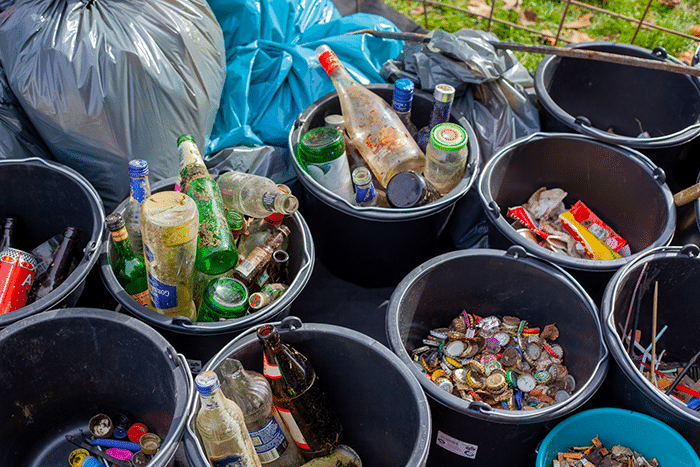
As you have gathered, smart waste handling is a key component of sustainability. Encouraging recycling and composting. Minimizing ecosystem contamination. Limiting time on the road for trucks. Some other sustainable resources examples that work in tow with smart waste handling include:
- Green building standards
- Efficient public transportation
- Nature-connected spaces
These distinct components working together create a sustainable urban infrastructure. They limit the threat of urban heat islands. They improve air quality. All in all, they promote quality of life for citizens while minimizing the environmental footprint of the development.
More Than Trash: Smart Waste Management for Holistic Sustainability
You never thought you’d hear it, but it’s time to get excited about waste removal. No longer the stink and blight of stylish cosmopolitan developments, modern waste management systems are now an essential component of sustainable urban living. Modernized receptacles. Smart collections. Building-integrated systems. They all play a crucial role in comprehensive smart waste handling. For more of the latest trends in sustainable urban design, explore the content at The Environmental Magazine for the leading thought leadership in the industry!