



LED Bulbs Dominate New Energy Efficient Lighting World
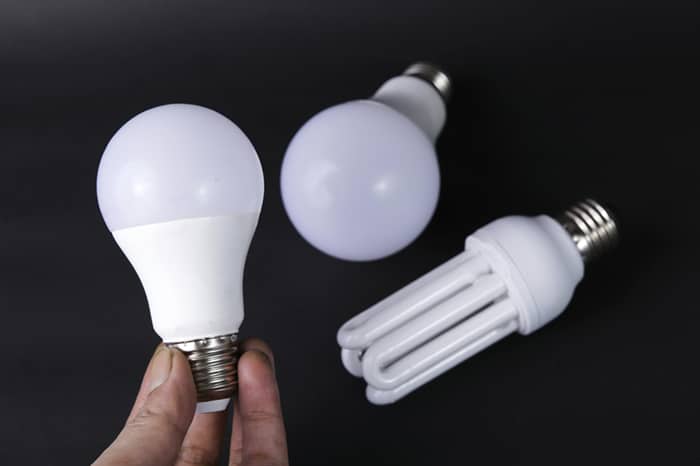
LEDs vs CFLs: Which Sustainable Lighting Tech Reigns Supreme?
—Nora Johanssen, Pittsfield, MA
Not long ago, environmentally minded consumers faced a confusing lighting aisle. Incandescent bulbs were cheap but wasteful, compact fluorescents (CFLs) promised big energy savings but came with quirks, and LEDs were expensive, harsh-looking, and unproven. That landscape has changed dramatically. Today, the sustainable lighting picture is far clearer: LEDs have become the undisputed leader, while CFLs are steadily fading into obsolescence.
From an energy perspective alone, LEDs are hard to beat. According to the U.S. Department of Energy, LED bulbs use at least 75 percent less energy than traditional incandescent lighting and can last 15 to 25 times longer. That combination—low energy use and long lifespan—translates directly into lower electricity demand, fewer bulb replacements, and less manufacturing waste over time. In a country where lighting still accounts for roughly 15 percent of household electricity use, those gains add up quickly.
Just as important, LEDs avoid one of the biggest environmental drawbacks of CFLs: mercury. CFL bulbs contain small amounts of this toxic metal, which requires careful handling and specialized recycling. When CFLs break or end up in landfills, mercury can escape into the environment. LEDs contain no mercury at all, making them safer in homes and far simpler from a disposal standpoint.
As lighting technology has matured, performance concerns that once dogged LEDs have largely disappeared. Early models sometimes produced cold, bluish light or failed prematurely. Today’s LEDs offer a wide range of color temperatures, excellent color rendering, instant full brightness, and compatibility with dimmers and smart controls. According to Noah Horowitz of the Natural Resources Defense Council (NRDC), LEDs have reached a point where there is virtually no lighting application where they aren’t the best option: they save energy, last a long time, and avoid the toxic materials found in fluorescent lamps.
CFLs, by contrast, were always a transitional technology. They offered major efficiency gains over incandescents but came with tradeoffs: slow warm-up times, flicker, limited dimming capability, and environmental concerns tied to mercury. As LED prices have fallen sharply over the past decade, those compromises have become harder to justify. Many retailers now stock far fewer CFL options, and some manufacturers have stopped producing them altogether. According to the U.S. Department of Energy, LEDs are now the most efficient and long-lasting lighting option on the market.
That doesn’t mean CFLs still in use need to be ripped out immediately. The greenest bulb is often the one you already own. But when a CFL burns out—or when you’re upgrading fixtures—replacing it with an LED is the clear sustainability choice. Over its lifetime, a single LED can prevent hundreds of pounds of carbon dioxide emissions compared with an incandescent bulb, while also reducing household energy bills.
In short, the lighting revolution has arrived quietly and decisively. LEDs now rule not just because they are efficient, but because they combine performance, safety, affordability, and environmental benefits in a way no previous technology has managed. CFLs played an important role in the transition away from wasteful lighting, but their moment has passed.
CONTACTS
EarthTalk® is produced by Roddy Scheer & Doug Moss for the 501(c)3 nonprofit EarthTalk. See more at https://emagazine.com. To donate, visit https://earthtalk.org. Send questions to: question@earthtalk.org.